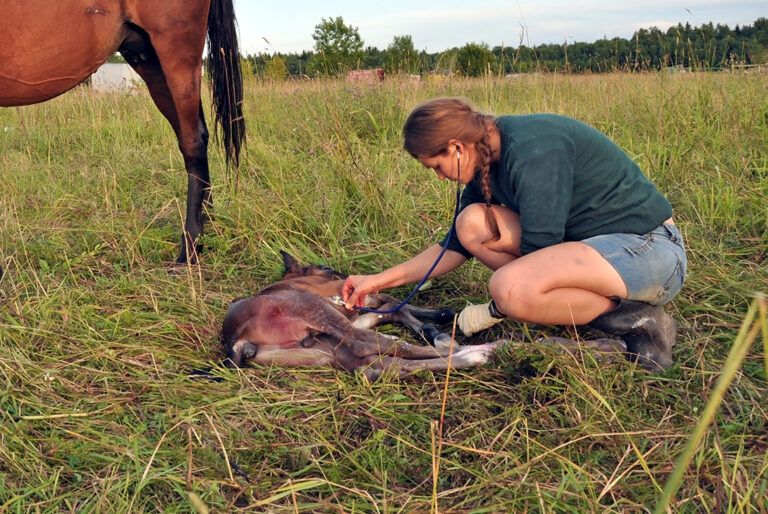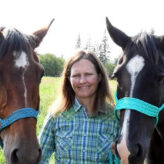
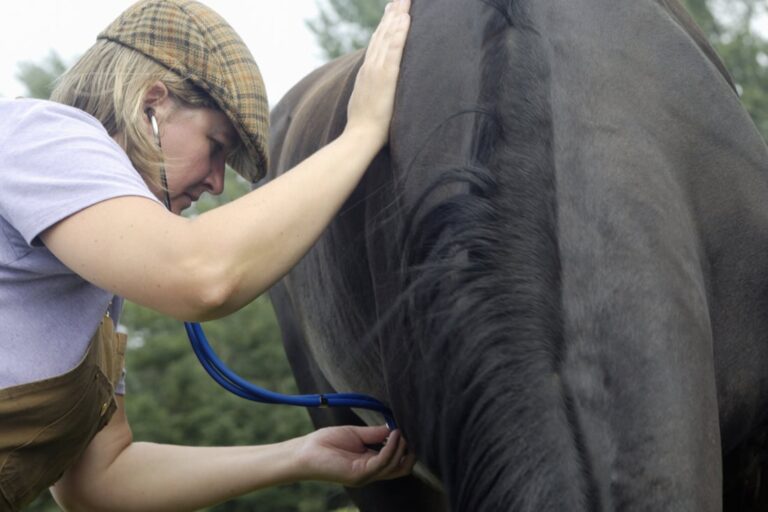
Regular health checks are an essential component of maintaining your horse's well being, performance, and longevity. Comprehensive health checks allow for early detection of illness, injury, or discomfort, allowing for prompt veterinary treatment and better health outcomes in the long-term....
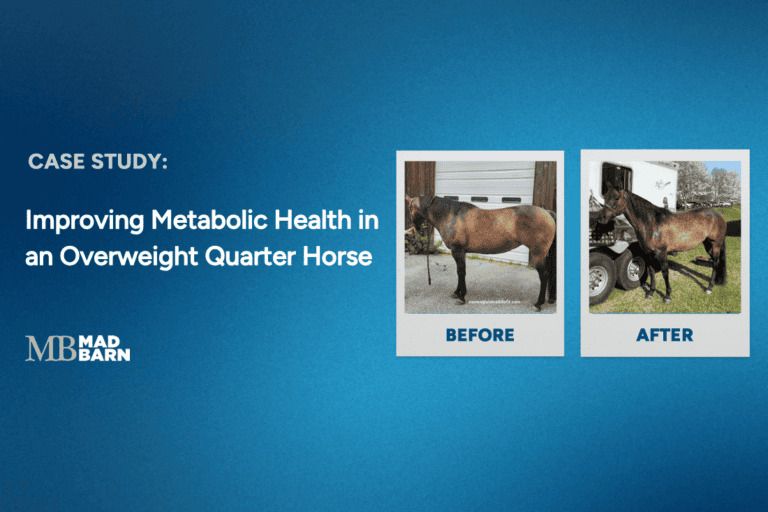
In November of 2023, a diet evaluation was requested for a 6-year-old, slightly overweight Quarter Horse mare named Izzy. She weighed approximately 930 lb (422 kg) and was located in New Hampshire, USA. Reported concerns included metabolic health, hoof quality,...
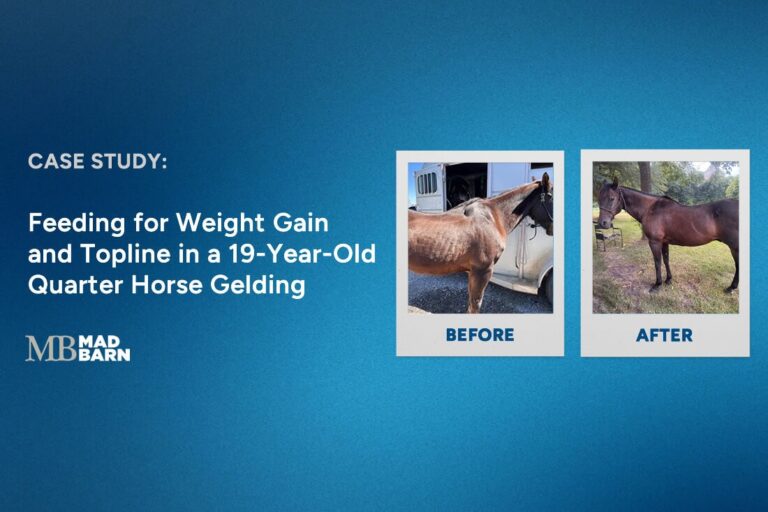
In March of 2024, a diet evaluation was requested for a 19-year-old, underweight running-bred Quarter Horse gelding named Mojo. He weighed approximately 1,000 lb (454 kg) and was located in Mississippi, USA. Reported concerns included weight, topline, joint, and respiratory...
Semen collection and evaluation is an important component of standing a stallion at stud. Semen collection for a breeding soundness evaluation allows owners to estimate how many mares their stallion can service in a year, determine overall semen quality, and...
Congenital hypothyroidism and dysmaturity (CHD) syndrome is a common manifestation of hypothyroidism in foals, resulting in dysmature foals that are born weak with contracted tendons, poor ossification of the cuboidal bones, and poor muscular development. The basic cause of CHD...
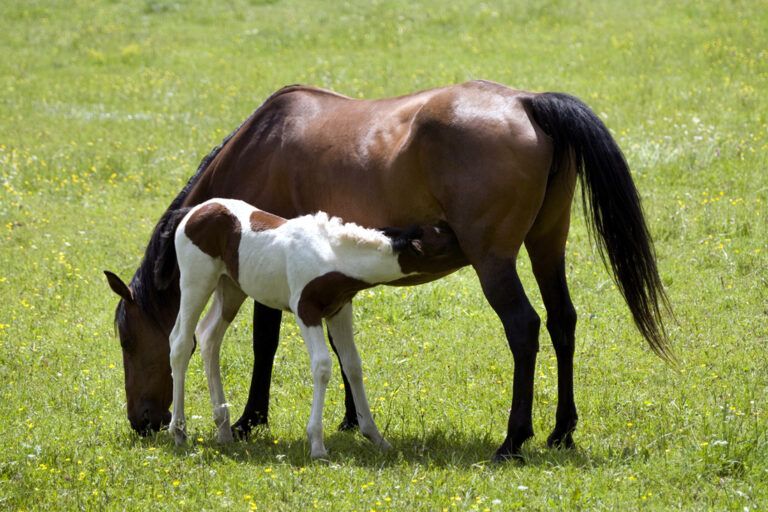
Preparing your broodmare for breeding and pregnancy requires careful planning to ensure she is in optimal condition to carry and deliver a healthy foal. A Breeding Soundness Exam (BSE) provides a health assessment of mares being considered for breeding. Some...
Horses are prone to a number of different skin conditions and diseases. Some are minor and resolve on their own, while others can be much more serious. Skin conditions may affect localized areas on the horse, such as the legs...
Proper vitamin and mineral nutrition is critical to maintaining your horse's health and well-being. But how do you ensure that your horse gets everything they need to balance their diet? Horses on a forage-only diet universally have deficiencies in key...
Equine pneumonia is a common respiratory illness that can be life-threatening. It can affect different parts of the horse’s lungs and may cause varied symptoms. Pneumonia refers to inflammation of the lung tissue. Upper airways and lining of the lungs...
Equine Heaves is a condition that is characterized by inflamed airways in the lungs. This can lead to a number of associated symptoms such as chronic coughing, excess mucous, poor performance and weight loss. This condition also goes by several...
Omeprazole is an FDA-approved drug that is sold under the tradenames GastroGard and UlcerGard. Omeprazole is used to prevent or treat equine gastric ulcer syndrome (EGUS). Gastric ulceration is a painful condition with an extremely high prevalence in horses. Up...
Colic is a painful, sometimes fatal, condition that strikes fear in the heart of any horse owner. Many cases of colic are mild and can be resolved with veterinary intervention. Others are severe enough to necessitate surgery. The term 'colic'...
What are some of the common signs that your horse is affected by ulcers? If your horse is losing weight, not eating well, or has developed a coarse coat they may be affected by ulcers. But these are not the...