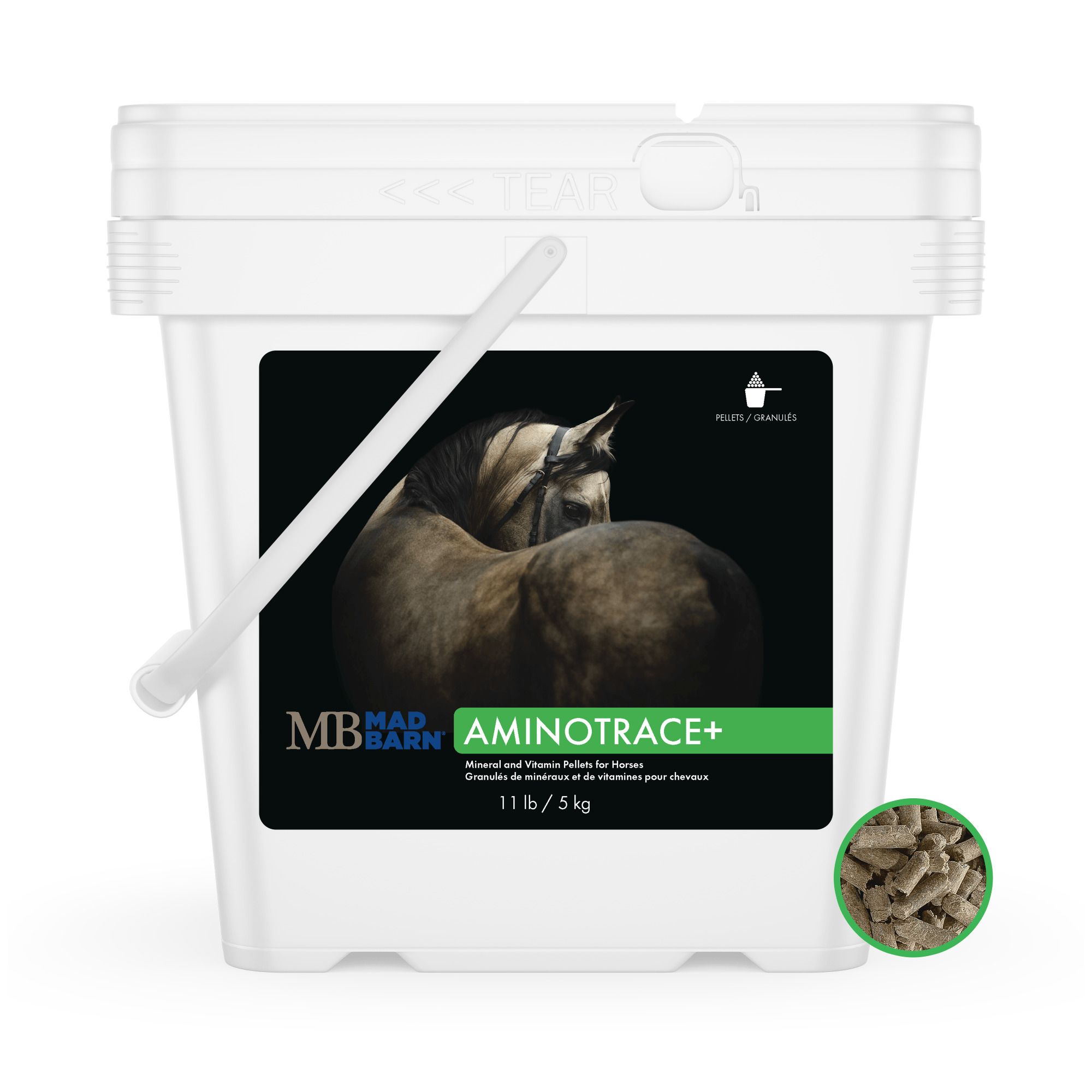
AminoTrace+ is a low-NSC vitamin and mineral supplement for horses that need advanced nutritional support for hoof growth, metabolic health, muscle function, antioxidant protection, immune function, and digestive health. Formulated with enhanced nutrient levels, it is ideal for easy keepers and horses on controlled sugar and starch diets, as well as performance horses with higher nutrient demands and horses whose owners want the most comprehensive nutritional support possible.
Trusted by Dr. Eleanor Kellon, VMD for horses with metabolic concerns
Recommended by farriers to support hoof growth and strength
100% organic trace minerals with elevated copper and zinc
Only low-NSC ingredients and no added iron
We love what her AminoTrace+ has been doing for her hooves—it’s great to be able to feed her a supplement that I know is made with IR horses in mind. Thanks Mad Barn!
Anna Marie
Verified Customer
I have a horse that came down with laminitis about 2 years ago. I have all of my 5 horses on Amino Trace. My farrier says their hooves look great.
Rhoda Conkright
Verified Customer
I have both of my seniors on AminoTrace+... They have been on it for a year and it has been instrumental in helping my borderline metabolic gelding maintain a healthy profile.
Mae Quitzau
Verified Customer
I LOVE your company! I LOVE your customer service!!! They are on point every single time!! And the AminoTrace is doing a fabulous job keeping my older Fjord healthy!!
Marie Kverek
Verified Customer
I can't believe how much better my horse's hooves are after feeding AminoTrace+. She has wonderful new frogs growing in and her feet haven't looked better in all the time I've had her.
Kathryn Kristmanson
Verified Customer
I was impressed by how much my picky eaters both loved this supplement! It is easy to use and incorporate into the management of my two PPID & IR miniature horses.
Sarah Orlofske
Verified Customer
I love how Mad Barn has worked for my miniature horses. Combined with a solid weight loss plan and the use of Amino Trace , my horses are now looking fit and feel great.
rockinghorse9
Verified Customer
I began feeding Amino Trace + to help my horses improve hair grow and strengthen hooves. It’s been about a year and I do believe I have seen improvement in both.
Michelle Edwards
Verified Customer
I had a senior horse and Amino[trace]+ helped keep her condition up... It also increased her healthy hoof growth as she recovered from laminitus.
Susan Arens
Verified Customer
I really appreciate the balance Amino Trace is providing my Cushing’s/IR horse. Results didn’t happen overnight but with consistent use he is sweating, shedding and growing hoof.
Julie Davis
Verified Customer
Bigtime Ball (Ball) is doing amazing on AminoTrace He looks amazing, has lots of energy and its helping to improve his hoof growth and health. Thank you Madbarn!!
Sarah
Verified Customer
I have a 19-year-old gelding who has been on this product for about 8 months. It contains all of the supplements that Jack needs for Insulin Resistance... Thank you Mad Barn, Jack's Mom!
Colleen Rolland
Verified Customer
Our horses have never looked or felt better. Our farrier has been so impressed….initially when we changed to Mad Barn, and now, consistently. The results are note worthy.
Deb Odom
Verified Customer
Loving the Mad Barn Amino Trace +! My mare has been on this product for for about 2 years and her feet have improved so much... She is a much a healthier horse overall!
Barbara Piolunowska
Verified Customer
Absolutely love this product for my horses.... Her coat has never looked so good as well and my gelding has improved on this as well.
Krista Hillier
Verified Customer
My horse is IR so to have one supplement that is designed for the EMS horses is great! So much simpler and I really appreciate it!
Jann Gardner
Verified Customer
We stand behind our products to provide the best nutrition for your horse. No fillers, just research-backed ingredients. If your horse doesn't love this product, our Customer Happiness team is here to help or give you a refund guaranteed.
Biotin (Vitamin B7)
Biotin (vitamin B7) is a water-soluble vitamin that functions as a coenzyme for carboxylase enzymes involved in carbohydrate, lipid, and amino acid metabolism. It also plays a structural role in keratin synthesis, contributing to the integrity of hooves, skin, and coat.
Biotin is not synthesized by the horse in sufficient quantities and must be obtained from dietary sources such as fresh pasture, alfalfa, oats, barley, and soybean meal. Supplementation with biotin has been shown to support normal hoof growth rate, hardness, and horn quality, especially in horses with brittle or weak hoof walls.
Clinical studies in horses demonstrate that daily biotin intake of approximately 20 mg supports the development of strong, resilient hoof horn when provided consistently over several months. Biotin also contributes to normal cellular metabolism and energy production through its role in enzymatic reactions within mitochondria.
Calcium iodate is a stable, bioavailable source of iodine used in equine diets to support normal thyroid hormone synthesis. Iodine is required for the production of thyroxine (T4) and triiodothyronine (T3), hormones that regulate metabolic rate, growth, thermoregulation, and energy utilization.
By contributing to normal thyroid function, calcium iodate helps maintain energy balance, muscle performance, and overall metabolic efficiency. Compared to other iodine sources such as potassium iodide, calcium iodate provides superior oxidative stability and shelf life in mineral premixes and pelleted feeds.
Iodine requirements in horses depend on workload, diet composition, and life stage. Supplementation ensures adequate intake where soil or forage iodine levels are low or variable, supporting consistent thyroid hormone activity and metabolic health.
Calcium-D-pantothenate is the stable, supplemental form of pantothenic acid (vitamin B5), a water-soluble vitamin essential for cellular energy metabolism. It is a structural component of coenzyme A (CoA) and acyl-carrier proteins, which are required for carbohydrate oxidation, fatty acid synthesis, and amino acid metabolism.
Pantothenic acid supports the synthesis of steroid hormones, neurotransmitters, and acetylcholine, and contributes to maintaining healthy skin, coat, and hoof tissue. In horses, adequate B5 levels help sustain normal metabolic activity and recovery during periods of stress or high workload.
Deficiency is uncommon, as pantothenic acid is supplied by forages, grains, and microbial synthesis in the hindgut. However, horses with digestive disturbances, high-grain diets, or antibiotic use may benefit from additional supplementation to maintain optimal nutrient utilization.
Chromium is an essential trace mineral that supports normal carbohydrate, lipid, and protein metabolism. It contributes to healthy glucose utilization and insulin function, which are critical for maintaining metabolic balance and energy regulation in horses.
Chromium yeast is an organic, highly bioavailable form of chromium in which the mineral is incorporated into yeast biomass (Saccharomyces cerevisiae). This form enhances intestinal absorption and cellular uptake compared to inorganic sources. By supporting efficient glucose transport into cells, chromium yeast helps maintain normal insulin sensitivity and energy metabolism in both performance and metabolically challenged horses.
In horses under heavy training or metabolic stress, chromium supplementation has been shown to help sustain normal post-exercise glucose and insulin responses, supporting recovery and endurance. Chromium yeast provides a safe, physiologically relevant source of this micronutrient, ensuring consistent delivery and utilization.
Cobalt carbonate is an inorganic source of cobalt, an essential trace mineral required for the microbial synthesis of vitamin B12 (cobalamin) in the equine hindgut. Vitamin B12 is necessary for red blood cell production, energy metabolism, and the conversion of propionate to glucose during exercise, contributing to normal stamina and metabolic function.
In horses, cobalt status influences hindgut fermentation and nutrient utilization. The microbes in the large intestine incorporate cobalt into cobalamin, which supports methylation reactions and normal protein, carbohydrate, and fat metabolism. Stable cobalt supply is therefore vital for maintaining vitamin B12-dependent pathways.
Among cobalt sources, cobalt carbonate offers good stability in premixes and comparable bioavailability to organic forms. It is commonly included in trace mineral blends to support overall vitality, especially in horses on hay-based diets or in regions with cobalt-deficient soils.
Copper is an essential trace mineral involved in multiple enzymatic processes that support connective tissue formation, antioxidant defense, and energy metabolism. It is a cofactor for lysyl oxidase, an enzyme required for cross-linking collagen and elastin, helping maintain strong tendons, ligaments, and bone matrix integrity. Copper also contributes to melanin synthesis for normal coat pigmentation and supports red blood cell formation through iron metabolism.
In horses, adequate copper status is associated with joint soundness, tissue repair, and optimal hoof and coat condition. Copper also plays a role in antioxidant defense as part of superoxide dismutase, an enzyme that helps neutralize free radicals generated during exercise or stress.
Organic forms such as copper proteinate are more bioavailable than inorganic sources like copper sulfate or oxide, allowing for more efficient absorption and utilization. Supplementing with organic copper helps maintain normal copper levels in horses consuming forages grown in low-copper soils or diets high in competing minerals such as zinc, iron, or manganese.
Dried yeast extract is produced from the soluble components of yeast (Saccharomyces cerevisiae) and provides a concentrated source of mannan-oligosaccharides (MOS), beta-glucans, nucleotides, and peptides. These bioactive fractions support a balanced hindgut microbiota, efficient nutrient absorption, and optimal digestive and immune function.
Beta-glucans and MOS from yeast help maintain microbial stability and gut barrier integrity by promoting beneficial bacteria and reducing pathogen attachment to the intestinal wall. The naturally occurring nucleotides in yeast extract play a key role in supporting rapid epithelial turnover and cellular regeneration in the intestinal lining, especially during periods of stress or high metabolic demand.
Through its combined prebiotic, immune-supportive, and trophic effects, dried yeast extract contributes to digestive resilience and gastrointestinal health in performance and metabolically sensitive horses.
Folic acid (folate, Vitamin B9) is a water-soluble B-vitamin that functions as a one-carbon donor in DNA synthesis, methionine regeneration, and amino acid metabolism. It supports normal cell proliferation, tissue repair, and red blood cell maturation, processes that are particularly important during periods of growth, training, or recovery.
In horses, folate status reflects both dietary intake and microbial synthesis in the hindgut. Levels may be lower in animals maintained primarily on hay compared with those on fresh forage. Medications that interfere with folate metabolism, such as sulfadiazine or pyrimethamine used in EPM treatment, can also reduce availability, making supplementation beneficial in some cases.
Folic acid helps maintain normal hematologic and mucosal function, contributing to overall metabolic efficiency and recovery from exercise or illness.
Lysine is an essential amino acid and one of the most common limiting nutrients in equine diets. Because it cannot be synthesized by the body, it must be obtained from feed or supplementation. Lysine is required for protein synthesis, muscle development, tissue repair, and growth.
This amino acid is a structural component of collagen and elastin, supporting the strength and resilience of tendons, ligaments, skin, and bone. It also contributes to calcium absorption and immune function by aiding in the production of antibodies, enzymes, and hormones. Inadequate lysine intake can reduce protein utilization, impair growth and muscle maintenance, and limit performance capacity.
Grasses and cereal grains are naturally low in lysine, making supplementation particularly beneficial for horses in training, growing horses, and those on hay-based diets. Providing adequate lysine helps ensure optimal protein metabolism, topline development, and overall performance.
Magnesium is an essential macro-mineral involved in hundreds of enzymatic reactions that regulate energy metabolism, nerve transmission, and muscle contraction. It supports bone integrity, cardiovascular function, and normal insulin sensitivity in horses.
In muscle tissue, magnesium contributes to relaxation following contraction, helping to maintain normal muscle tone and reducing the risk of cramping or tightness. It also plays a role in maintaining a calm temperament by supporting balanced nervous system activity, particularly in horses prone to stress or excitability.
Magnesium oxide is a highly concentrated inorganic source of magnesium commonly used in equine diets. It provides a bioavailable and cost-effective way to maintain optimal magnesium levels, especially for horses with limited access to fresh forage or those losing electrolytes through heavy sweating or training.
Manganese is an essential trace mineral required for the development of bone, cartilage, and connective tissue in horses. It functions as a cofactor for several key enzymes involved in carbohydrate and lipid metabolism, reproductive health, and antioxidant defense. One of its most important roles is activating the enzyme manganese superoxide dismutase (MnSOD), which helps protect cells from oxidative damage.
This mineral also contributes to the synthesis of chondroitin sulfate, a critical component of joint cartilage, supporting soundness and long-term joint integrity. Adequate manganese intake is therefore particularly important for growing horses, broodmares, and equine athletes with high structural and metabolic demands.
Organic sources such as manganese proteinate offer improved bioavailability compared to inorganic forms like manganese oxide, enhancing absorption and utilization. This allows for more effective support of skeletal strength, enzyme activity, and metabolic efficiency.
Mannan-oligosaccharides (MOS) are complex carbohydrates derived from the outer cell wall of yeast (Saccharomyces cerevisiae). They function as prebiotics that help maintain a balanced hindgut microbiota, support mucosal integrity, and promote optimal digestive function in horses.
MOS can bind to certain pathogenic bacteria, reducing their attachment to the intestinal lining and supporting a healthy microbial environment. These actions contribute to improved nutrient absorption and overall digestive resilience. In addition, MOS contains beta-glucans that support normal immune modulation and gut barrier function.
Mad Barn uses Bio-Mos® from Alltech® as the source of MOS in our formulations. Bio-Mos® is derived from a proprietary yeast strain and has been evaluated in over 700 research trials, including peer-reviewed studies in horses and other species.
DL-Methionine is an essential sulfur-containing amino acid that serves as a building block for proteins involved in metabolism, growth, and tissue repair. Because horses cannot synthesize methionine internally, it must be obtained from feed or supplementation. It is often identified as the second-most limiting amino acid in equine diets, meaning insufficient methionine can restrict overall protein synthesis even when other amino acids are present in adequate amounts.
Methionine supports the formation of structural proteins such as keratin and collagen, contributing to strong hooves, healthy skin, and a glossy coat. It also plays a critical role in maintaining connective tissue integrity, supporting joints, ligaments, and tendons. In the nervous system, methionine assists in the production of neurotransmitters such as serotonin and helps support normal mood and focus.
Biochemically, methionine acts as a precursor for several important compounds, including taurine, L-carnitine, and cysteine. It is also required for the synthesis of S-adenosylmethionine (SAMe), a key methyl donor involved in cellular metabolism, detoxification, and liver health. Through its conversion to cysteine and subsequently glutathione, methionine supports antioxidant defense and helps protect tissues from oxidative stress.
According to the NRC’s Nutrient Requirements of Horses, a 500 kg (1,100 lb) horse at maintenance requires approximately 7,500 mg of methionine per day. Supplementation may be beneficial for horses on high-fiber or low-protein diets, those in heavy training, or horses needing nutritional support for hoof growth and coat quality.
Phosphorus is an essential macromineral that supports bone development, energy metabolism, and overall cellular function in horses. It forms a key part of adenosine triphosphate (ATP), the body’s main energy molecule, and contributes to the structure of DNA, cell membranes (phospholipids), and connective tissue. Phosphorus also helps regulate pH balance and fluid homeostasis in the body.
In equine diets, phosphorus is supplied naturally by forages, grains, and protein meals such as oats and soybean meal. Feeds like wheat bran and rice bran contain higher concentrations of phosphorus, although much of it exists in a bound form known as phytate, which reduces bioavailability. To ensure adequate intake and proper mineral ratios, supplemental inorganic phosphorus sources such as monosodium phosphate may be used.
Monosodium phosphate is a highly bioavailable source of phosphorus that supports bone density, cartilage health, and energy metabolism. It is particularly beneficial for growing horses, lactating mares, and performance horses with higher mineral demands. This form of phosphorus is also used to balance high-calcium diets, such as those containing alfalfa, to maintain the ideal calcium-to-phosphorus ratio for skeletal and metabolic health.
Compared to other phosphate sources, such as monocalcium phosphate, monosodium phosphate contains very low levels of trace iron. This makes it an excellent option for horses that require careful management of the zinc:copper:iron ratio in their diet—an important factor for maintaining metabolic balance, coat quality, and hoof integrity.
Because phosphorus is a non-renewable resource mined from natural deposits, appropriate supplementation helps meet equine requirements without contributing to environmental excess. Balancing phosphorus intake ensures optimal bone and tissue health while minimizing nutrient waste.
Natural Vitamin E (d-alpha-tocopherol) is a fat-soluble antioxidant that protects cells and tissues from oxidative damage. It supports immune health, muscle recovery, cardiovascular function, and neural integrity in horses. Compared to synthetic dl-alpha-tocopherol, the natural form is significantly more bioavailable and efficiently incorporated into cell membranes, making it the preferred source for supplementation.
Vitamin E is a key component of the body’s antioxidant defense system, neutralizing free radicals produced during metabolism and exercise. It helps maintain the integrity of muscle and nerve tissues, supports red blood cell stability, and reduces oxidative stress associated with intense training or illness. Chronic deficiency can lead to neuromuscular disorders such as equine motor neuron disease or vitamin E–deficient myopathy.
Fresh green pasture is the richest natural source of vitamin E, but levels decline rapidly during hay storage and are negligible in most grains. Horses without regular access to pasture, those in heavy work, or individuals with metabolic conditions benefit from daily supplementation of natural vitamin E to maintain optimal antioxidant status and support recovery.
Supplementing bioavailable natural forms of vitamin E has been shown to enhance immune response, improve muscle enzyme stability, and reduce inflammation following exercise, contributing to overall vitality and performance in horses.
Pyridoxine (Vitamin B6) is a water-soluble vitamin that serves as a coenzyme in more than 150 enzymatic reactions involved in amino acid metabolism, gluconeogenesis, glycogen utilization, and neurotransmitter synthesis. It supports normal energy metabolism, immune competence, and red blood cell formation.
In horses, Vitamin B6 is synthesized to some extent by hindgut microbes but may require dietary support under conditions of high metabolic demand, such as intense training, growth, or recovery. It also plays roles in maintaining normal homocysteine metabolism and supporting muscle and nervous system function.
Supplementation may be beneficial for horses on high-grain or hay-only diets, under prolonged stress, or with impaired hindgut function that could limit microbial synthesis or nutrient absorption.
Riboflavin (Vitamin B2) is a water-soluble vitamin that serves as a precursor for the coenzymes flavin adenine dinucleotide (FAD) and flavin mononucleotide (FMN), which are essential for oxidative metabolism and ATP generation. These coenzymes participate in numerous redox reactions, supporting carbohydrate, protein, and lipid catabolism.
Riboflavin also contributes to antioxidant defense by maintaining glutathione in its reduced, active form through FAD-dependent glutathione reductase activity. Adequate riboflavin status supports energy metabolism, muscle performance, and recovery in exercising horses.
Horses obtain riboflavin primarily from forage, particularly legumes such as alfalfa and clover, and from microbial synthesis in the hindgut. Deficiency and toxicity have not been documented in horses, though supplementation may support animals on low-quality forage, under high workload, or during periods of digestive disturbance.
Saccharomyces cerevisiae 1026 is a live yeast strain used as a probiotic to support hindgut health and digestive efficiency in horses. It promotes a stable hindgut environment by helping maintain optimal pH and fostering the growth of beneficial cellulolytic bacteria that aid in fiber fermentation.
This yeast strain has been shown to enhance nutrient digestibility, particularly for fiber and phosphorus, and to support normal microbial balance under dietary or environmental stress. It may also improve feed efficiency and promote consistent appetite and digestive comfort in performance horses.
Mad Barn utilizes Yea-Sacc® 1026 from Alltech® as its source of Saccharomyces cerevisiae. This strain has been extensively researched for its effects on digestion, microbial ecology, and nutrient utilization in horses and other livestock species.
Selenium is an essential trace mineral and a critical component of the horse’s antioxidant defense system. It is incorporated into selenoproteins that protect cells from oxidative damage, support normal muscle and heart function, and maintain healthy immune and thyroid activity. Adequate selenium intake helps horses recover from exercise and supports overall metabolic health.
Organic forms such as selenium yeast provide selenium bound to amino acids (mainly selenomethionine), making them more bioavailable and efficiently utilized compared to inorganic forms like sodium selenite or sodium selenate. This enhanced absorption allows for safer, more consistent selenium delivery, particularly in performance horses or those in low-selenium regions.
Selenium requirements vary depending on diet, workload, and regional soil content. Horses consuming hay or feed grown in selenium-deficient soils often benefit from supplementation to help maintain optimal antioxidant balance and muscle function.
Sodium chloride (salt) provides two essential electrolytes — sodium and chloride — that are critical for maintaining fluid balance, nerve transmission, and muscle contraction in horses. These minerals help regulate hydration, acid–base balance, and blood volume, particularly during periods of sweating, heat exposure, or strenuous exercise.
Sodium plays a primary role in maintaining normal nerve and muscle function, while chloride is involved in gastric acid production and overall electrolyte homeostasis. Together, they support proper digestion, cardiovascular stability, and the thirst response — all key to optimal performance and recovery.
Forage alone often provides insufficient sodium, so supplemental salt should always be available free-choice. Horses in moderate to heavy work or hot environments may require several ounces of added salt per day to replace sweat losses. Loose salt or electrolyte blends offer a reliable way to maintain hydration and prevent imbalances.
Thiamine (vitamin B1) functions as a coenzyme for key enzymes in carbohydrate metabolism, including pyruvate dehydrogenase, α-ketoglutarate dehydrogenase, and transketolase. Through these reactions, it facilitates ATP generation and supports normal neuromuscular function.
Most horses obtain sufficient thiamine from forage and microbial synthesis in the hindgut, but additional supplementation may be useful in animals under heavy training, stress, or antibiotic therapy that may impair gut microbial activity. Thiamine status influences energy utilization, coordination, and glucose metabolism, making it relevant for performance and recovery in athletic horses.
Rich dietary sources include brewer’s yeast, rice bran, and whole grains, while content in hay declines with age and storage. Thiamine hydrochloride is the most common supplemental form, with documented safety and bioavailability in horses.
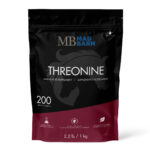
Threonine is an essential amino acid and one of the primary limiting amino acids in equine diets, meaning it often limits the rate of protein synthesis when insufficiently supplied. It plays a key role in maintaining normal muscle development, immune function, and digestive health.
Within the gastrointestinal tract, threonine is a critical component of mucin glycoproteins that protect and maintain the gut lining. Adequate threonine intake supports gut integrity, particularly in horses consuming high-grain or low-quality forage diets, or those experiencing digestive stress.
Beyond its role in gut barrier function, threonine contributes to the synthesis of structural proteins, enzymes, and neurotransmitters. It works synergistically with lysine and methionine to optimize amino acid balance, supporting lean tissue development and recovery in growing, performance, or metabolically challenged horses.
Vitamin A (retinol and its precursors such as beta-carotene) is an essential fat-soluble nutrient required for epithelial integrity, vision, immune competence, and reproductive function. It acts through retinoic acid–mediated regulation of gene expression, influencing cell differentiation and tissue repair.
In horses, vitamin A is obtained primarily from beta-carotene in fresh forage, which is converted to retinol in the intestinal mucosa. Because beta-carotene degrades rapidly in stored hay, horses maintained on hay-based diets are at greater risk of low vitamin A status, especially during winter months or periods without pasture access.
Deficiency can result in impaired night vision, reduced immune function, and compromised epithelial health. Supplementation helps maintain adequate plasma retinol concentrations in horses with limited forage diversity or increased physiological demand.
Vitamin B12 (cobalamin) is a water-soluble cofactor for methionine synthase and methylmalonyl-CoA mutase. Through these pathways it supports one-carbon metabolism, red blood cell maturation, myelin maintenance, and mitochondrial energy production from propionate.
In horses, most B12 is synthesized by hindgut microbes from dietary cobalt. Status may be influenced by cobalt intake, forage-only rations with low fresh pasture, or disruptions to hindgut function. Supplementation is used to help maintain normal energy metabolism, appetite, and hematologic parameters when intake or endogenous synthesis may be insufficient.
Vitamin D3 (cholecalciferol) is a fat-soluble nutrient essential for maintaining calcium and phosphorus homeostasis in horses. It supports proper bone mineralization, neuromuscular function, and overall mineral balance by regulating intestinal absorption and renal conservation of calcium and phosphorus.
Horses have limited ability to synthesize Vitamin D3 through ultraviolet exposure compared to other species, and forage content is typically low. Supplementation helps maintain optimal Vitamin D status, particularly in horses with restricted sunlight exposure, those on hay-based diets, or animals with higher metabolic or skeletal demands.
While deficiency may impair skeletal development and mineral metabolism, excessive intake can result in toxicity. Therefore, providing physiologically appropriate levels through balanced formulations is essential to maintain normal calcium-phosphorus balance and long-term musculoskeletal health.
Yucca schidigera provides saponins and polyphenols that support gut and environmental management. In equine settings, yucca is used to bind ammonia in manure, helping to lower ambient ammonia and support air quality and respiratory comfort in stabled horses.
Yucca’s phytochemicals also help maintain a balanced hindgut microbial ecosystem and provide antioxidant support, contributing to normal inflammatory balance and efficient nutrient utilization.
Zinc is an essential trace mineral required for numerous enzymatic processes involved in metabolism, tissue repair, immune defense, and antioxidant protection. It supports normal hoof growth and integrity, skin and coat condition, joint health, and reproductive function in horses.
In the body, zinc participates in more than 300 enzymatic reactions related to protein synthesis, collagen formation, and insulin regulation. Adequate zinc status contributes to normal glucose metabolism, muscle recovery, and wound healing, while deficiency can impair growth, immunity, and integumentary tissue quality.
Zinc proteinate is an organic, chelated form in which zinc is bound to amino acids or small peptides, improving intestinal absorption and bioavailability compared with inorganic forms such as zinc oxide or zinc sulfate. This form helps ensure more consistent mineral uptake under dietary or physiological stress and supports optimal trace mineral balance when fed alongside copper and manganese.
Disclaimer: These statements have not been evaluated by Health Canada or the FDA. This product is not intended to diagnose, treat, cure or prevent any disease.
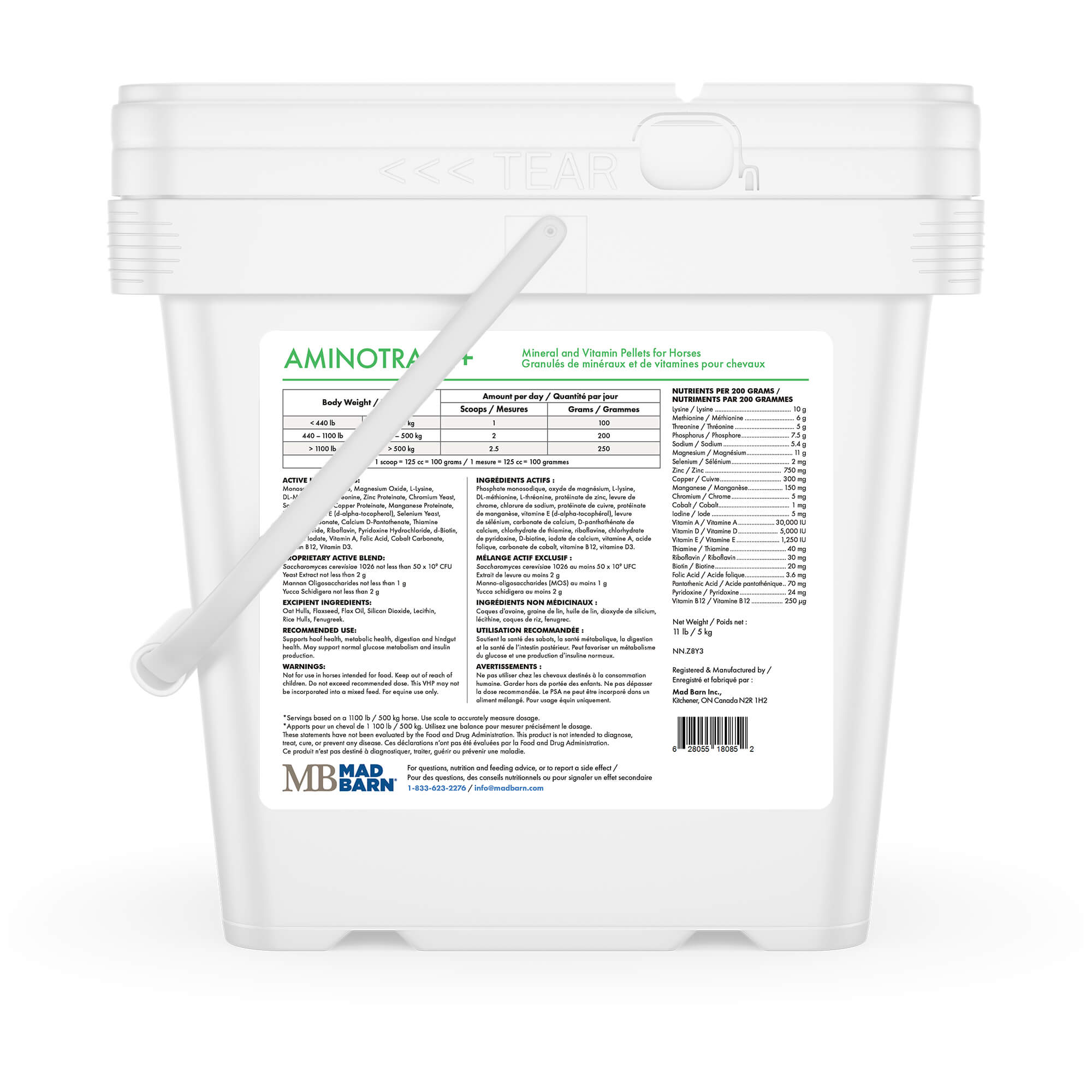
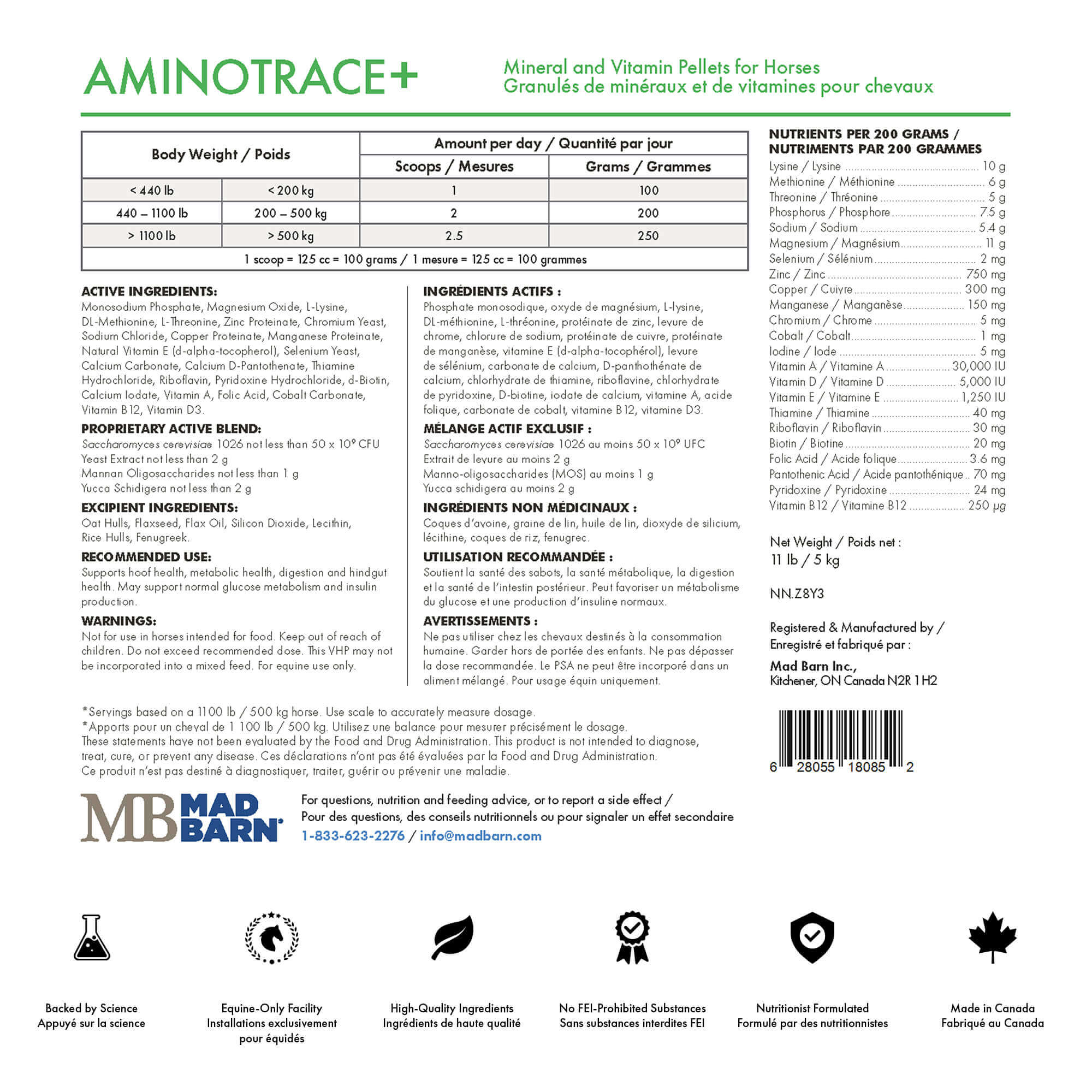
GUARANTEED ANALYSIS: Contains added selenium at 10 mg/kg. No added iron. Per gram serving
Nutrients
Value
Units
Per 200 g
Crude Protein
(min)
17
%
34
g
Lysine
(min)
30
% CP
10
g
Methionine
(min)
18
% CP
6
g
Threonine
(min)
15
% CP
5
g
Calcium
(act)
0.8
%
1.6
g
Phosphorus
(act)
3.8
%
7.5
g
Sodium
(act)
2.7
%
5.4
g
Magnesium
(act)
5.5
%
11
g
Potassium
(act)
0.38
%
0.75
g
Selenium
(act)
10
mg/kg
2
mg
Zinc
(act)
3,750
mg/kg
750
mg
Copper
(act)
1,500
mg/kg
300
mg
Manganese
(act)
750
mg/kg
150
mg
Chromium
(act)
25
mg/kg
5
mg
Cobalt
(act)
5
mg/kg
1
mg
Iodine
(act)
25
mg/kg
5
mg
Vitamin A
(act)
150,000
IU/kg
30,000
IU
Vitamin D
(act)
25,000
IU/kg
5,000
IU
Vitamin E (d-alpha-tocopherol)
(act)
6,250
IU/kg
1,250
IU
Thiamine
(act)
200
mg/kg
40
mg
Riboflavin
(act)
150
mg/kg
30
mg
Biotin
(act)
100
mg/kg
20
mg
Folic Acid
(act)
18
mg/kg
3.6
mg
Pantothenic Acid
(act)
350
mg/kg
70
mg
Pyridoxine
(act)
120
mg/kg
24
mg
Vitamin B12
(act)
1,250
ug/kg
250
ug
Yeast, Bacteria
(min)
0.25
cfu x 10^9/g
50
cfu x 10^9
Registered & manufactured by: Mad Barn Inc., Petersburg, ON, Canada.
5 kg (11 lb): SKU 628055180852 20 kg (44 lb): SKU 628055180869
Cost Calculator
Metric (kg)
Imperial (lb)
kg
grams
* Recommended serving size of 40 grams per 100 kg (220 lb) of body weight
Servings
Cost Per Day
Disclaimer: Recommended feeding rate varies depending on your horse's condition and current diet. Consult with a nutritionist to determine the appropriate inclusion rate for your horse.
Frequently Asked Questions
AminoTrace+ is a comprehensive vitamin and mineral supplement formulated to support optimal metabolic function, hoof integrity, and overall health in horses requiring a low-NSC diet. It provides 100% organic trace minerals — including zinc, copper, manganese, selenium, and chromium — along with high levels of magnesium, essential amino acids (lysine, methionine, and threonine), natural vitamin E, and a proprietary blend of yeast, prebiotics, and antioxidants that support gut integrity and immune function.
AminoTrace+ helps maintain normal insulin sensitivity, supports antioxidant defenses, and contributes to healthy hoof, skin, coat, and topline development. By delivering nutrients in highly bioavailable forms, AminoTrace+ enhances mineral absorption, offsets the effects of high-iron forages, and supports horses with metabolic issues or a history of laminitis — all without adding excess sugar, starch, or unnecessary fillers.
Whether your horse is an easy keeper, has a history of laminitis, or on a forage-based ration, AminoTrace+ provides the foundation for balanced nutrition, healthy metabolism, and robust hoof and coat quality.
AminoTrace+ is designed for horses with higher nutritional demands or metabolic concerns that require precise mineral balance and enhanced antioxidant support. It is ideal for horses with metabolic concerns, horses with a history of laminitis, and easy keepers maintained on forage-based or calorie-restricted diets.
Performance horses also benefit from AminoTrace+ due to their elevated requirements for trace minerals, amino acids, and antioxidants that support muscle recovery, immune function, and energy metabolism under training and competition stress.
Horses consuming lower-quality hay, limited pasture, or showing signs of poor hoof quality, dull coat, or impaired metabolic function can all benefit from the organic minerals, amino acids, and yeast-derived gut support in AminoTrace+. This balanced formulation helps maintain optimal nutrient status and overall well-being in horses of all workloads and life stages.
Omneity and AminoTrace+ are both comprehensive vitamin and mineral supplements formulated to balance forage-based diets, but they are designed for different types of horses and management situations.
Omneity is intended for the average horse on good-quality forage. It provides all essential vitamins and minerals needed for general health, hoof quality, and performance. Omneity is an all-in-one supplement to support hoof health, skin and coat quality, antioxidant status and overall well-being in horses that do not have special dietary restrictions or elevated trace mineral requirements.
AminoTrace+ was developed for horses with higher nutritional demands, such as those with metabolic concerns, poor hoof quality, or high iron forage. It contains elevated levels of zinc, copper, magnesium, and chromium to support normal insulin sensitivity, hoof integrity, and antioxidant defense. AminoTrace+ also includes added amino acids, natural vitamin E, and yeast-derived prebiotics to help maintain hindgut health and overall metabolic balance.
In summary, Omneity is ideal for general maintenance and overall diet balancing, while AminoTrace+ provides enhanced nutritional support for horses requiring additional metabolic, hoof, or antioxidant support.
AminoTrace+ provides the minerals and nutrients required for normal glucose metabolism, antioxidant defense, and hormone function in the horse. It supplies organic forms of chromium, magnesium, zinc, copper, and selenium—nutrients that participate directly in enzymatic reactions controlling insulin signaling, energy production, and oxidative balance.
Chromium and magnesium are involved in insulin receptor activity and glucose transport into muscle and liver cells. Adequate levels of these nutrients help maintain normal insulin sensitivity and reduce abnormal fluctuations in blood glucose. Zinc, copper, and selenium are components of antioxidant enzymes such as superoxide dismutase and glutathione peroxidase that protect tissues from oxidative stress, which can worsen insulin resistance. Natural vitamin E supports these same systems by stabilizing cell membranes and reducing lipid oxidation.
Because AminoTrace+ is a concentrated, low-NSC vitamin and mineral supplement, it provides these nutrients without adding significant calories, sugar, or starch. This allows it to replace conventional ration balancers or fortified feeds that often contribute excess energy to the diet — an important factor for horses with metabolic concerns or a history of laminitis.
AminoTrace+ supplies the nutrients required for normal hoof growth and structural integrity. It provides balanced levels of biotin, zinc, copper, and the amino acid methionine, which are needed for the synthesis of keratin and other structural proteins that form the hoof wall. Adequate trace minerals support normal crosslinking of collagen and keratin fibers, improving the strength and resilience of new horn tissue as it grows from the coronet band.
The use of organic mineral complexes in AminoTrace+ improves absorption and delivery of these nutrients to the hoof matrix, while vitamin E provides antioxidant support to protect the sensitive laminae from oxidative stress. With consistent feeding, horses typically develop denser, better-connected hoof horn and more uniform growth over time. Because it already contains everything your horse needs for hoof integrity, with elevated levels of zinc, copper and biotin, no separate hoof supplement is required when fed as directed.
AminoTrace+ provides the amino acids and trace minerals required for normal protein, collagen, and keratin synthesis in the skin and hair coat. Zinc and copper contribute to the formation of keratin and melanin, supporting hair strength, structure, and pigmentation. Adequate levels of these minerals also prevent sun bleaching and dull coats in horses. The essential amino acids lysine and methionine supply the building blocks needed for hair and connective tissue growth. Vitamin E and selenium act as antioxidants that help maintain cell membrane integrity and reduce oxidative stress in skin tissues. Consistent feeding supports healthy skin elasticity and a smooth, glossy coat that reflects adequate nutrient status.
Yes. AminoTrace+ supports healthy hair, mane, and tail growth by supplying the nutrients required for normal protein and keratin synthesis. It provides biotin along with amino acids such as lysine, methionine, and threonine, which serve as the building blocks for structural proteins in hair and connective tissue. Balanced levels of zinc and copper are included to support keratin crosslinking, hair strength, and normal pigmentation.
These nutrients work together to promote uniform, strong hair growth and reduce breakage or dullness. Because AminoTrace+ already contains the full complement of nutrients needed for skin, and coat health, an additional mane and tail supplement is generally unnecessary when it is fed at the recommended rate.
AminoTrace+ includes a combination of live yeast, yeast extract, and mannan oligosaccharides (MOS) that help maintain a stable microbial population in the hindgut. These ingredients support fiber-fermenting bacteria, which improves the breakdown of plant fiber and promotes the formation of volatile fatty acids (VFAs) —the horse’s main energy source from forage. Yeast-derived nutrients also help sustain normal intestinal barrier function and immune signaling in the gut wall. Maintaining microbial stability and fermentation efficiency supports consistent manure quality, nutrient absorption, and digestive comfort in horses fed forage-based diets.
AminoTrace+ supplies the essential amino acids lysine, methionine, and threonine , which are required for normal muscle protein synthesis and tissue repair. Adequate trace minerals and vitamin E support cellular metabolism and antioxidant defense within muscle fibers. Magnesium and chromium contribute to efficient glucose uptake and energy use in working muscle. Together, these nutrients help horses develop and maintain topline definition, muscle tone, and strength appropriate to their level of training and workload.
AminoTrace+ is formulated for low-calorie, low-NSC feeding programs, providing concentrated vitamins and minerals without added sugars or starch. Magnesium and chromium help regulate insulin activity and glucose transport into cells, supporting normal metabolic function. The full trace mineral profile supports enzymatic pathways involved in energy metabolism and nutrient utilization. By improving metabolic efficiency and maintaining digestive health, AminoTrace+ helps horses sustain a healthy body condition without excess caloric intake.
Yes, AminoTrace+ is a very low non-structural carbohydrate (NSC) formula, with combined sugar (ESC) and starch levels below 8%. It does not contain molasses, grain, or other high-starch ingredients. The product uses oat hulls, the fibrous outer layer of the oat grain, as a pelleting agent. Oat hulls are high in fiber and extremely low in starch, making them suitable for horses with metabolic sensitivities and a history of laminitis. This formulation provides balanced nutrition without contributing unnecessary calories or sugar to the diet, while supporting normal glucose metabolism.
Yes. AminoTrace+ is a suitable choice for performance horses, mature horses in consistent work, or any horse with higher nutrient and antioxidant requirements. Training, travel, and competition all increase the body’s demand for trace minerals, amino acids, and antioxidants to support muscle metabolism, recovery, and immune function.
AminoTrace+ provides elevated levels of organic zinc, copper, manganese, selenium, and magnesium—minerals that are critical for muscle enzyme activity, energy metabolism, and joint and connective tissue health. The inclusion of key amino acids (lysine, methionine, and threonine) supports muscle protein synthesis, topline development, and tissue repair, while natural vitamin E helps protect muscle cells from oxidative damage associated with exercise.
Because AminoTrace+ is low in non-structural carbohydrates (NSC) and free of added sugars or starch, it supplies concentrated nutrition without contributing extra calories or altering energy levels. It can be fed alone with a low-NSC carrier or combined with other concentrates as part of a balanced diet to support sustained energy, post-exercise recovery, and optimal performance.
Oat hulls are the fibrous outer shells that surround the oat seed but are not part of the grain itself. The hull is composed mostly of indigestible fiber and contains little starch, protein, or calories from grain. In AminoTrace+, small amounts of oat hulls are used as a natural pelleting agent to bind ingredients together and improve the palatability of the product. Because the inner starchy portion of the oat kernel is not used, AminoTrace+ contains no added grains and remains suitable for horses requiring low-NSC or starch-restricted diets, including those with metabolic sensitivities.
Yes. AminoTrace+ can be safely combined with other Mad Barn supplements that provide complementary nutrients. It should not be combined with other vitamin and mineral balancers such as Omneity or Trace Mineral Pak, as this would lead to redundancies in mineral intake.
AminoTrace+ is commonly paired with:
Visceral+ – supports normal gastric and hindgut health
W-3 Oil – provides omega-3 fatty acids for joint, skin, and metabolic support
MSM – supports joint comfort and connective tissue health
Spirulina – supports skin, respiratory, and immune health
Jiaogulan – promotes healthy circulation and hoof function
NOCR – supports normal respiratory function and athletic performance
Chasteberry – supports normal pituitary function, hormone balance, and mood
For personalized guidance on combining supplements, you can submit your horse’s diet for analysis, and our nutrition team will help design the ideal feeding plan.
AminoTrace+ provides natural vitamin E (d-alpha-tocopherol), the most bioavailable and biologically active form for horses. Each daily serving supplies 1,250 IU, which supports normal muscle, nerve, and immune function and helps protect cell membranes from oxidative damage.
Natural vitamin E is absorbed and retained in body tissues at higher levels than synthetic dl-alpha-tocopherol, so horses obtain more benefit from the same IU amount. Most horses meet their daily needs with the level included in AminoTrace+, but higher intakes are often recommended for horses in heavy training, limited turnout, or those with neurological or metabolic conditions.
For horses that require additional antioxidant support, extra vitamin E can be provided with Mad Barn’s Natural Vitamin E, a pure bulk powder with no fillers.
AminoTrace+ contains no added iron. The only iron present is the trace amount naturally found in virtually all feed ingredients — including in products like salt or other minerals. These trace levels are very low compared to most fortified feeds or vitamin–mineral supplements.
Because the ingredients in AminoTrace+ are specifically selected for their low inherent iron content, it is an excellent choice for horses consuming high-iron forages or water, or for those with metabolic conditions that require careful mineral management. The formula’s elevated zinc and copper concentrations help maintain an appropriate zinc–copper–iron balance, supporting normal metabolic and antioxidant function even when dietary iron is high.
A 200 g daily serving of AminoTrace+ provides approximately 2.0 mg of selenium, which meets the daily requirement for most horses. The selenium is provided in the form of organic selenium yeast, a natural source that is more efficiently absorbed and utilized by the body than inorganic forms such as sodium selenite.
Organic selenium is also safer for long-term use compared to inorganic sources like sodium selenite, reducing the risk of oversupplementation. This makes AminoTrace+ appropriate for horses in both selenium-deficient and selenium-adequate areas.
Each 200 g serving of AminoTrace+ provides 20 mg of biotin, a research-supported level shown to support hoof growth and horn quality. Biotin works synergistically with zinc, copper, and essential amino acids to support keratin formation and overall hoof integrity. Because AminoTrace+ already supplies the optimal amount of biotin along with other key nutrients for hoof health, no additional hoof supplement is necessary when it is fed as directed.
AminoTrace+ contains yeast-derived prebiotics and probiotics that provide digestive support and help maintain a healthy hindgut environment. Most healthy horses would not need extra gut support while on Aminotrace. However, many horses benefit from additional probiotic supplementation, especially those under stress, in heavy work, traveling frequently, or recovering from digestive upset.
For more comprehensive gut support, AminoTrace+ can be fed alongside Optimum Digestive Health, which provides a full dose of probiotics, prebiotics, and yeast to help stabilize hindgut fermentation and support overall digestive efficiency.
Yes. AminoTrace+ is safe for horses with HYPP (Hyperkalemic Periodic Paralysis) when fed as directed. It contains no added potassium, and the small amount listed on the label is naturally occurring in the base ingredients and remains very low.
Because horses with HYPP require diets carefully controlled in potassium while still meeting mineral needs, AminoTrace+ is an excellent choice. It provides essential trace minerals such as magnesium, zinc, copper, and selenium in highly bioavailable forms without contributing extra potassium, starch, or sugar. This supports normal nerve and muscle function while helping maintain overall metabolic balance in HYPP-affected horses.
AminoTrace+ is formulated with a higher level of phosphorus relative to calcium to help balance the natural mineral profile of most forage-based diets. This formulation approach is beneficial for several reasons.
Many forages and feeds fed to horses, particularly alfalfa and beet pulp, are naturally high in calcium and lower in phosphorus. Providing more phosphorus helps maintain an optimal calcium-to-phosphorus ratio, which is essential for normal bone metabolism, muscle function, and overall mineral balance in horses fed these types of forages.
Additionally, lower-quality grass hays, especially those grown in unimproved fields and often fed to metabolic horses, can also be low in phosphorus. This makes AminoTrace+ a suitable complement for a wide range of forage types, helping to support a more balanced mineral profile.
Even when fed without calcium-rich feeds like alfalfa or beet pulp, AminoTrace+ does not contain phosphorus levels high enough to unbalance the average grass hay diet.
Yes. AminoTrace+ contains no prohibited substances and is safe for performance horses across all disciplines. Because rules can change, always confirm with your competition governing body before showing.
Yes. AminoTrace+ can be used alongside commercial concentrates, senior feeds, or complete feeds when those products are fed below the manufacturer’s full recommended rate. Many horses, especially easy keepers or those with metabolic issues, do not receive the full serving of a fortified feed, which can leave nutrient gaps. Adding AminoTrace+ helps keep the diet balanced without adding unnecessary calories, sugar, or starch. You may need to adjust the feeding rate depending on your horse’s overall diet, and our nutritionists can help determine the ideal program.
Even when a horse is receiving the full rate of a fortified or complete feed, AminoTrace+ often provides a superior nutritional profile. It delivers higher concentrations of bioavailable trace minerals, amino acids, and antioxidants with a much lower non-structural carbohydrate (NSC) content than most ration balancers. For horses needing optimal hoof quality, metabolic support, or improved overall nutrient balance, switching to AminoTrace+ as the primary vitamin and mineral source is typically more cost-effective and produces better results. Our nutritionists can help you transition your horse safely and develop a complete feeding plan tailored to their needs.
Yes. AminoTrace+ can replace most commercial ration balancers, providing all essential vitamins, minerals, amino acids, and antioxidants with a much lower NSC and calorie content. It offers complete micronutrient support without the added sugars, starch, or fillers commonly found in pelleted balancers.
Many horses do best when AminoTrace+ is fed with a simple carrier such as soaked beet pulp, forage pellets, or ground flax. Horses that need additional dietary protein — such as growing horses, broodmares, or those on lower-quality hay — may benefit from adding a protein source like ground soybean meal or alfalfa pellets. Our nutritionists can help design a feeding plan and transition schedule based on your horse’s individual forage and nutrient requirements.
AminoTrace+ is a low-calorie vitamin and mineral supplement that provides balanced nutrition without adding significant energy to the diet. A standard 200 g daily serving supplies approximately 400 calories (kcal) of digestible energy — less than 2% of the daily requirement for a 500 kg horse at maintenance.
Because it contains only low-NSC ingredients and no added sugars or starch, AminoTrace+ can safely replace higher-calorie ration balancers or fortified feeds in the diets of easy keepers and horses with metabolic concerns. It delivers complete micronutrient support while helping maintain healthy body weight, hoof quality, and metabolic balance.
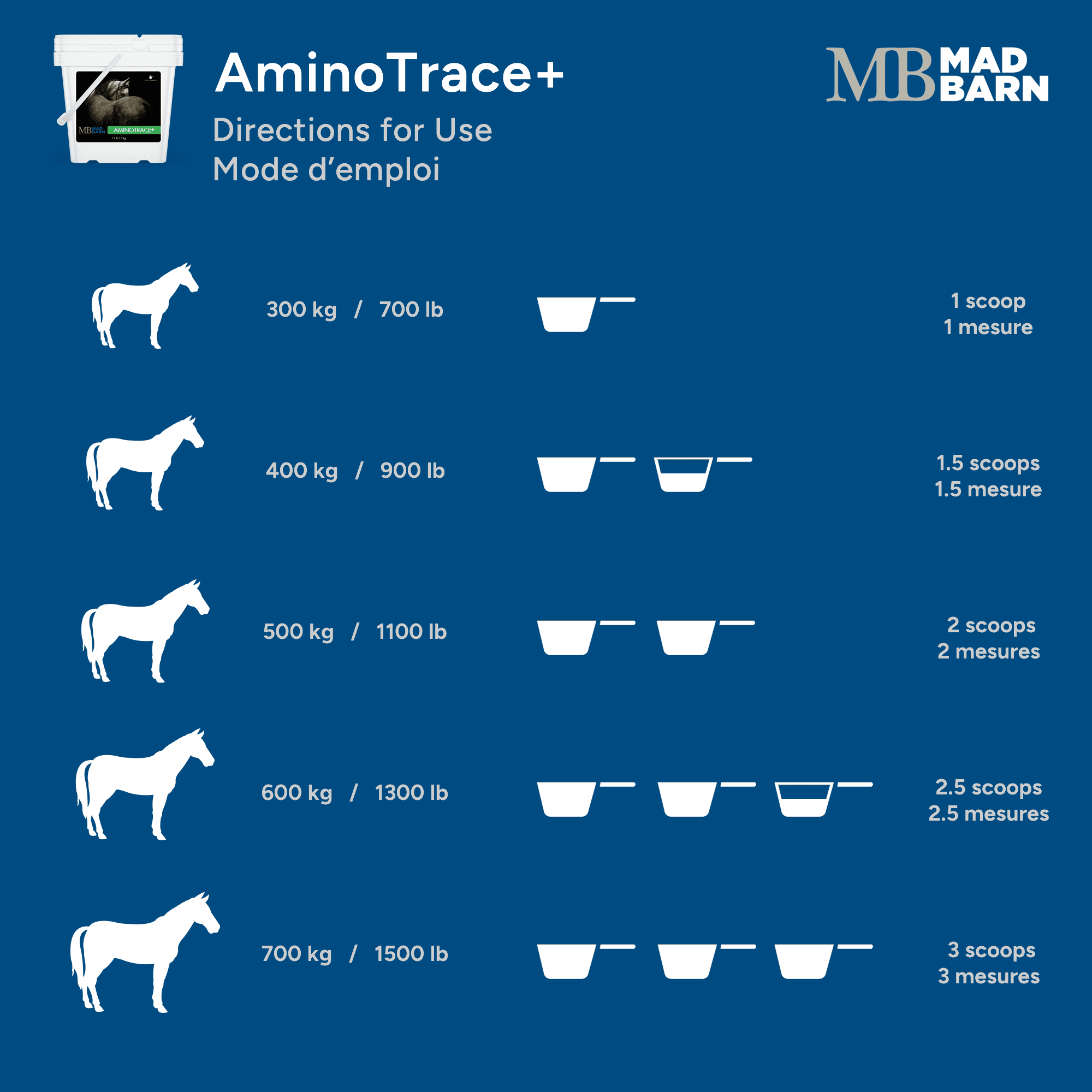
Feed 200 g per day for a 500 kg (1,100 lb) horse, or approximately 40 g per 100 kg of body weight. AminoTrace+ can be fed once daily or divided between meals, depending on your feeding routine. For best acceptance, introduce gradually over 7–10 days and ensure it is well mixed with your horse’s regular feed. Our nutritionists can help adjust the feeding rate for horses with unique dietary needs or management situations.
Yes. AminoTrace+ can be mixed or soaked with beet pulp, hay pellets, or other low-NSC carriers. Short-term soaking does not affect vitamin or mineral potency. Mix thoroughly and feed shortly after soaking to maintain freshness and avoid spoilage, especially in warm conditions. Soaking can also improve palatability for selective eaters or horses with dental issues.
Yes. AminoTrace+ includes a 100 g scoop for easy and accurate measurement. A 500 kg (1,100 lb) horse typically receives two level scoops per day to provide the recommended 200 g feeding rate.
Most horses readily accept AminoTrace+ in their regular feed. Because it contains no added sugars, flavors, or fillers, it has a concentrated nutrient profile that some picky horses may take time to adjust to. For selective eaters, it can be mixed with a small amount of a familiar carrier such as soaked beet pulp, hay pellets, or flax. Natural flavors such as peppermint or fenugreek can also be added. Our nutritionists can provide feeding tips to improve acceptance, and all Mad Barn products are backed by our 100% Customer Happiness Guarantee.
Yes. Many horses eat the pellets by themselves. For picky eaters, mix with small amounts of unfortified carriers such as forage pellets, beet pulp, or flax. Use minimal carriers for easy keepers and larger amounts for horses that need additional calories.
AminoTrace+ can be fed on its own or mixed with a small amount of a low-NSC carrier to improve palatability or add calories. Suitable carriers include soaked beet pulp and timothy or alfalfa pellets. Start with just enough to evenly cover the pellets for easy keepers, or increase the amount for horses that need more energy in their diet. Introduce the mixture gradually over 7–10 days, especially for selective or cautious eaters.
No. AminoTrace+ pellets are not designed for free-choice feeding and should always be measured and fed daily at the recommended rate. Because the pellets contain concentrated minerals and may be palatable due to the oat hull base, some horses could overconsume if given unrestricted access.
For a free-choice vitamin and mineral option, use Omneity Premix, a powdered formulation that allows horses to self-regulate their intake safely.
Yes. AminoTrace+ can be used safely for broodmares and foals when their total diet is properly balanced. However, since AminoTrace+ does not contain a dedicated calcium source, it should not be used as the sole supplement to balance the diet of young foals who have very high calcium requirements. Because nutritional needs vary by stage of growth and reproduction, we recommend consulting our nutrition team to ensure AminoTrace+ is fed at the correct rate for your horse’s specific needs.
AminoTrace+ has a shelf life of 12 months from the date of manufacture. Store the product in a cool, dry location out of direct sunlight. Reseal the bag tightly after each use to keep moisture out and preserve freshness.
Ask A Question
Have a question about this product? Ask below and our nutritionists will be happy to assist.
“AminoTrace+ is a great addition for horses receiving a forage-focused diet. Its science-backed formulation means it will optimally balance vitamins and minerals in the diet.”
Mad Barn’s AminoTrace+ is a comprehensive vitamin and mineral supplement designed to provide enhanced nutrition to support metabolic health, hoof quality, muscle development, antioxidant status, and nutrient absorption.
AminoTrace+ was formulated to ECIR group specifications as a low-NSC ration balancing supplement for horses with higher metabolic and nutritional needs. It is ideal for easy keepers on weight management diets and horses with a history of laminitis that require careful control of sugar and starch intake.
Its super-concentrated pelleted formula provides elevated vitamin and mineral levels while correctly balancing a wide range of forages. This also makes AminoTrace+ well suited to performance horses, whose requirements for amino acids, trace minerals and antioxidants increase with intense training and recovery.
AminoTrace+ is also the best choice for owners who want to provide high-quality nutritional support without adding several separate supplements to the diet. This science-backed formula also supports healthy skin and coat, immune function, eelectrolyte balance, normal inflammatory responses and digestive health.
Is your horse a fussy eater? AminoTrace+ is formulated as a palatable, oat hull-based pellet, making it easy to provide balanced nutrition without trying to mix multiple powders into every meal.
The concentrated formula contains no added sugars and is made with only low-NSC ingredients, so you can feel confident your horse is getting the nutrients they need without unnecessary fillers.
Robust Hooves From the Inside Out
Balanced mineral and vitamin nutrition creates the foundation for healthy hoof growth, especially for horses with metabolic concerns or a history of hoof issues.
AminoTrace+ contains optimal levels of amino acids, minerals and vitamins to support healthy hoof growth, when accompanied with adequate forage.
Copper and Zinc work inside the enzymes that crosslink collagen and elastin together in connective tissue to form the proteins that make up the hoof. High levels help balance high iron forages and water.
Biotin has been clinically studied for its role in supporting hoof quality when given to horses at 20 mg per day.
Amino acids are the building blocks of protein needed to synthesize skin, hair and hooves. Lysine, methionine and threonine are considered to be the three most limiting amino acids in equine nutrition.
Incorporate AminoTrace+ into your horse’s diet to support hoof growth, coat sheen, hair strength and more!
Nutritional Support for Healthy Metabolism
Horses with metabolic concerns have special needs when it comes to vitamins and minerals. Ensuring that these are balanced in sufficient quantities in your horse’s diet will help support antioxidant defenses and normal inflammatory regulation.
Balanced Minerals
Enhanced copper and zinc levels in AminoTrace+ counteract high iron forages and bring ratios into correct balance.
A low iron phosphorus source limits the iron content of the supplement.
Essential Amino Acids
Added lysine, methionine and threonine support optimal protein synthesis, helping maintain topline, muscling, hoof growth, and immunity.
Organic Trace Minerals
The trace minerals found in AminoTrace+ are in the same form found in nature – attached to amino acids or peptides, to ensure:
Less interference with digestive processes. When compared to inorganic trace minerals, digestive enzyme activity is higher when using organic trace minerals.
Less interference with other minerals. Is your hay high in iron? No need to worry – organic trace minerals help avoid mineral-mineral interactions that would inhibit absorption.
Powerful Antioxidants
Natural Source Vitamin E
Potent antioxidant that supports normal inflammatory balance, maintains cell membrane integrity and enhances immunity.
All D-form isomer, the biologically active form of vitamin E.
Pelleted in an oil emulsion to enhance absorption.
Copper, Zinc, Manganese & Selenium
Important antioxidant minerals that are deficient in most hays.
Organic trace minerals enhance the utilization of Copper, Zinc, & Selenium, so you can ensure that your horse is getting the minerals that are most bioavailable.
Magnesium
Supports normal muscle contraction and relaxation, energy metabolism and electrolyte balance.
Supports normal inflammatory signaling and cellular processes involved in managing oxidative stress.
If magnesium is low in the cell, carbohydrate metabolism can be impaired and normal insulin signaling may be reduced. AminoTrace+ contains high levels of readily bioavailable magnesium.
You should always consult a qualified nutritionist before altering your feed program. Submit your horse’s diet for analysis online and one of our equine nutritionists will be happy to provide a complimentary review.
Is Your Horse's Diet Missing Anything?
Identify gaps in your horse's nutrition program to optimize their well-being.


 English





 AminoTrace+
  B-Vitamin Pak
  Biotin
  Omneity® Pellets
  Omneity® Premix
 Trace Mineral Pak
 MagneChrome+

 3:1 Zinc Copper
  Copper
 Optimum Digestive Health
  Visceral+
 L-Lysine
  Three Amigos
 Magnesium Oxide
  Performance XL: Electrolytes
 Manganese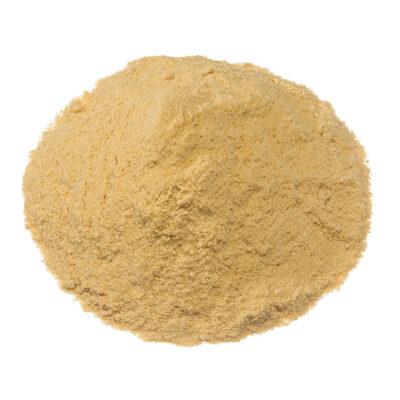

 DL-Methionine
 Monosodium Phosphate
 Natural E/Organic Se
  OmegaPrime+
  Vitamin E
  w-3 Oil



 Threonine


 Zinc
Zinc 
 Hoof Growth and Strength
 Metabolic Health
 Mineral Balance
 Coat Quality and Hair Growth
 Insulin Sensitivity
 Pituitary & Endocrine Function
 Topline and Muscles
 Antioxidant Defenses
 Digestion and Hindgut Health
 Healthy Weight Control



















