Does my horse need shoes? This is a question frequently asked by horse owners, and the answer varies depending on several factors. Horses wear shoes for various reasons, including providing protection and traction, supporting hoof structure, and improving performance. Some...
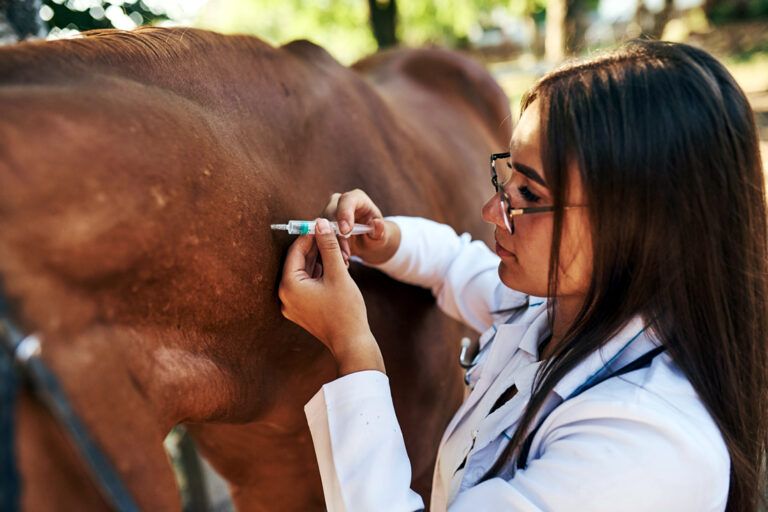
Staying up-to-date with required vaccines is important to keep your horse healthy and prevent the spread of infectious diseases. Vaccines have been developed for 14 major equine diseases, including Strangles, West Nile Virus, Equine Influenza, and Equine Herpesvirus. Some vaccines...
Botulism is a fatal neuroparalytic disease that affects horses, humans and other animals worldwide. Botulism interferes with nerve signalling, weakening and often paralyzing the horse. This disease is caused by the ingestion of botulinum toxin produced by Clostridium botulinum bacteria....
Equine herpesvirus (EHV), or rhinopneumonitis, is a contagious infection that is endemic to horses worldwide. EHV may cause mild to severe symptoms that usually involve the upper respiratory tract. In rare cases, it may cause neurological symptoms, abortion or death....
Fructans are a storage form of carbohydrate and a component of the non-structural carbohydrates (NSC) found in cool-season grasses, such as tall fescue, timothy, orchardgrass, and perennial ryegrass. Fructans are indigestible by horses, passing through the foregut to the hindgut...
In North America, it is estimated that up to 51% of horses are overweight and up to 8% are obese. Horses become overweight from a combination of factors, including insufficient activity and consuming excess calories. A horse’s energy requirements depend...
Obesity is a health concern in horses worldwide, with a prevalence estimated between 31 – 45% in some equine populations. Among ponies and easy keeper breeds, the prevalence is even higher with one study reporting that 72% of adult ponies...
Equine influenza virus, or EIV, is an extremely contagious respiratory disease or flu affecting horses, mules, and donkeys. EIV is characterized by fever, apathy, and lack of appetite, and causes respiratory symptoms such as coughing and nasal discharge. However, some...
Windsucking is an oral stereotypic behavior performed by horses. It is closely related to cribbing, but they are distinct behaviors. Horses windsuck by arching their necks and using their mouth to suck air into the cranial esophagus. The horse will...
Neonatal maladjustment syndrome (NMS) - also referred to as dummy foal syndrome - is a condition that causes neurological symptoms in foals. This condition prevents the foal from performing normal behaviours, such as recognizing and feeding from the mare, standing...
Does your horse resist going in the trailer or show signs of stress after being unloaded at your destination? You may need to trailer your horse for many reasons, such as seeing a veterinarian, competing, breeding, or for recreational purposes....
Misoprostol is a drug used in horses to prevent ulcers from developing in the hindgut and stomach. It is commonly prescribed to horses that require regular use of non-steroidal anti-inflammatory drugs (NSAIDS), which can cause ulcers to form.