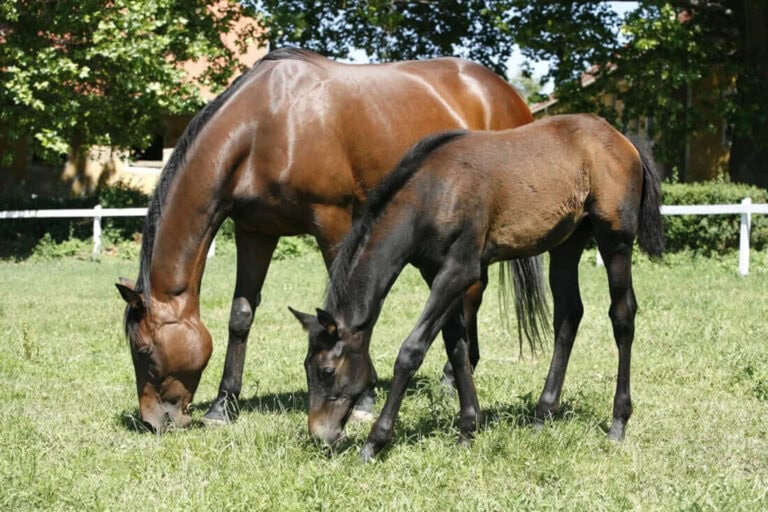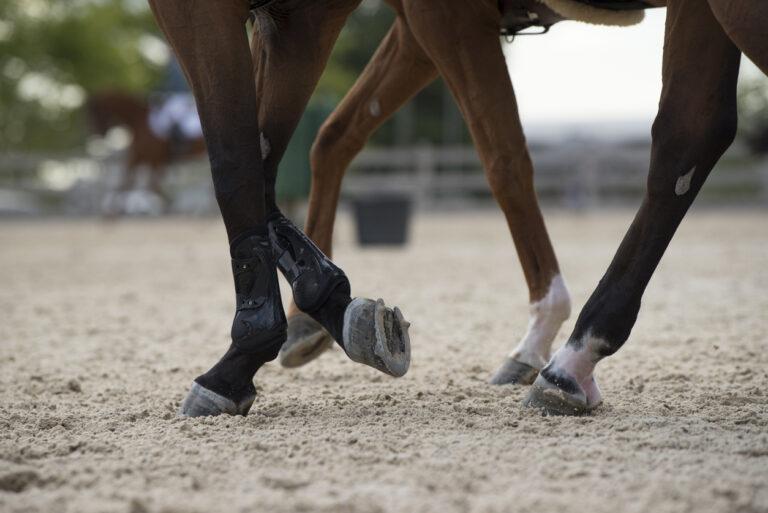
The macrominerals calcium and phosphorus are the most abundant minerals in the horse’s body. They are important for bone strength, cellular function, muscle health and more. Ensuring adequate calcium and phosphorus intake is particularly critical for pregnant and lactating mares,...
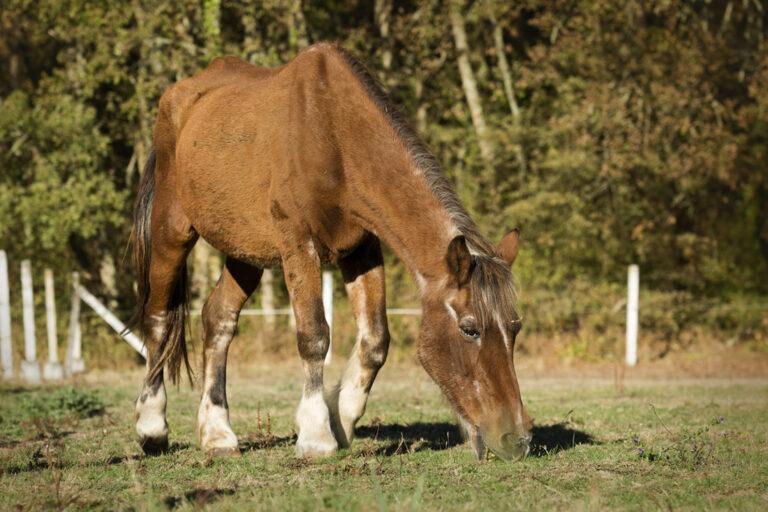
When it comes to feeding senior horses, there are many factors to consider to support longevity and healthy ageing. Making sure your horse’s core nutritional needs are met and keeping up with routine healthcare are critical to promoting optimal well-being...
Equine polysaccharide storage myopathy (PSSM or EPSM) is a genetic condition in horses that affects how muscle cells partition, generate, and store energy. This can lead to exercise intolerance, stiffness, and an abnormal gait in your horse. After diagnosis, owners...
Building topline muscle and dealing with topline loss is a common struggle for horse owners. Your horse may have a weak topline due to a variety of factors including nutrition and exercise. Physiological factors such as age or underlying health...
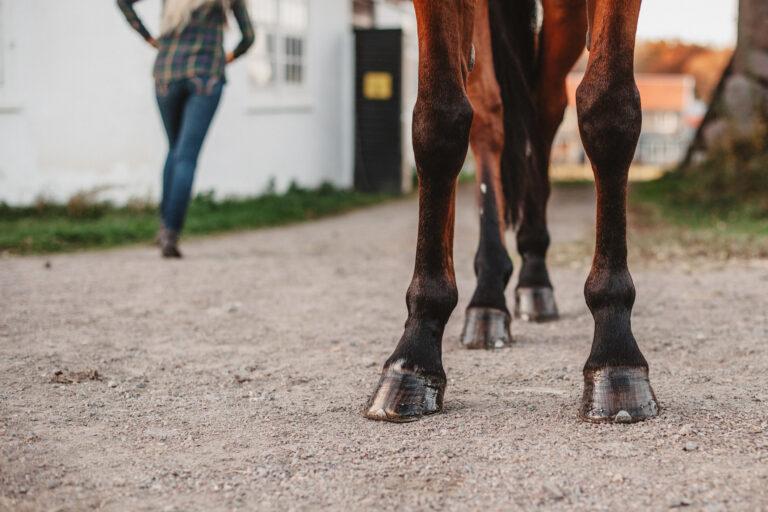
Given the importance of the hoof, it's important to know that what you feed your horse will have a profound impact on its hoof growth and quality. In this article, we will go over what nutrients your horse needs to...
If you have taken the first steps towards feeding your horse a balanced diet that includes a concentrated mineral and vitamin supplement, there's a chance that your horse may turn its head up when first introduced to it. But don't...
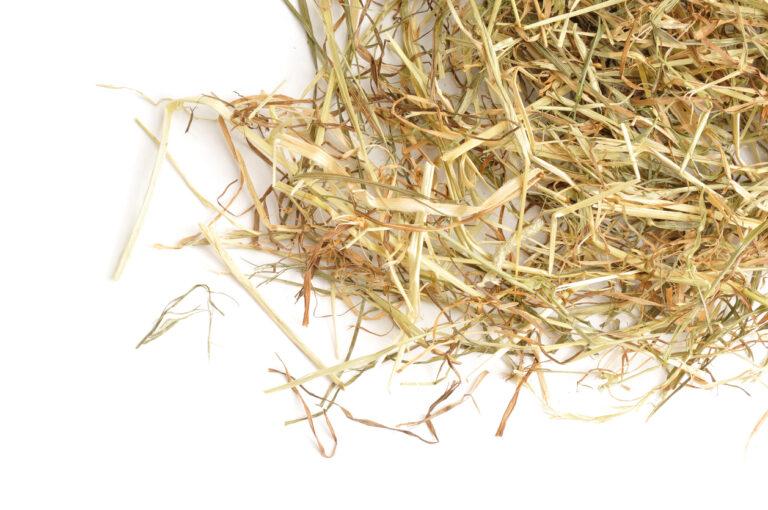
Feeding a quality forage should be the basis of every feeding program. Given the forage portion will account for the large majority of nutrient intake for your horse, isn't it important to understand what is in that forage? By knowing...
Many horse owners do not fully appreciate the significance of providing adequate salt to their equine companion. In terms of cost-to-benefit ratio, it would be hard to think of another nutrient with such a low cost that provides the benefits...
Vitamin E, or alpha-tocopherol, is an essential vitamin that must be obtained through your horse's diet. There are many products sold in the equine supplement industry that contain varying forms of vitamin E that are available, but it is sometimes...
Trace minerals are only needed in very small amounts in a horse’s diet. Think milligrams! Despite this, however, the majority of horses still receive too much energy and protein and not enough trace minerals from their diet. Deficiencies in key...