English





The French Trotter is a trotting horse breed developed for racing in Normandy, France. These horses are also known as Norman Trotters and Anglo-Norman Trotters.
While closely related to Standardbreds, French Trotters do not pace. They are bred specifically for a fast trot. Most French Trotters race in harness, but the breed sometimes competes in under-saddle trotting races.
French Trotters can also excel in careers beyond the race track. Although rare in North America, the breed is a popular recreational mount in France. While these horses can stay healthy over long careers with quality care, they have a high incidence of developmental diseases.
This breed profile will discuss the history, characteristics, health problems, and nutritional needs of the French Trotter breed. Keep reading to learn more about feeding and caring for French Trotter horses.
French Trotter History
The French Trotter rose in popularity alongside the growth of harness racing in 19th century Europe. Several breeds influenced the French Trotter’s development. But today, only French-bred horses are eligible for registration, with limited exceptions.
Origin
Selective breeding for purpose-bred trotting racehorses began over half a century after the first organized trotting races were held in France in 1806. Early races in Normandy primarily featured local breeds, including Norman Cobs. [1]
Breeders crossed local breeds with imported Hackneys, Norfolk Trotters, Cleveland Bays, Thoroughbreds, and Yorkshire Coach Horses to improve racing performance. These crosses produced athletic horses with greater stamina and trotting ability. [2]
American Standardbreds significantly influenced the later development of the modern French Trotter. Most French Trotters descend from trotting Standardbreds and don’t display the lateral pace gait found in their American relatives.
Historic Use
Horses competed under saddle in the first trotting races at Champ de Mars. Today, most French Trotters compete in harness races while pulling sulkies. But regardless of their division, all French Trotters only race at the trot. [2]
French citizens in the early 19th century often used the same horses for racing that they relied on for daily transportation. Many of the ancestors of French Trotters worked as carriage horses and needed excellent endurance to participate in recreational races.
When these races gained popularity, breeding shifted to prioritize speed and racing ability. Trotting speed was the primary breeding objective for early French Trotter breeders. Horses had to beat performance standards to meet registration eligibility requirements. [1]
Breed Registry
The first French Trotter studbook began in 1906 in France, and French Trotters became an officially recognized breed in 1922. Registration closed to horses bred outside of France in 1937, but the registry occasionally accepts horses with Standardbred blood.
| Breed Summary | |
|---|---|
| Breed Name | French Trotter |
| Also Known As | Norman Trotter; Anglo-Norman Trotter |
| Breed Type | Trotter |
| Origin | Normandy, France |
| Breed Registry | French Trotter Studbook |
| Average Height | 15.1 – 16.2 hh |
| Common Coat Colors | Bay, chestnut, brown, black; grey rare |
| Conformation | Medium-sized, light type, compact, good bone, strong muscles, sloped shoulders, long limbs, powerful hindquarters, deep chest, strong neck, straight profile |
| Common Uses | Harness racing, under-saddle trotting races, riding, driving, trekking, jumping, hunting, combined driving |
| Temperament | Athletic, energetic, sensitive, hardworking |
| Best For | Experienced riders seeking an athletic riding or driving horse |
| Common Health Concerns | OCD, developmental orthopedic disease, osteoarticular lesions, musculoskeletal injuries, gastric ulcers, respiratory problems, EIPH |
| Price Range | $700 to $5,000 |
| Lifespan | About 25–30 years |
| Weight | 700–1,000 lb (320–450 kg) |
| Population Status | Stable; over 80,000 estimated worldwide |
What's your top priority with your horse's health?

What's your top priority with your horse's health?
Breed Characteristics
French Trotters don’t have an official breed standard. While these horses are bred exclusively for trotting ability, most French Trotters share similar characteristics.
These characteristics allow French Trotters to move on to successful second careers after they retire from racing.
Conformation
Most French Trotters stand between 15.1 and 16.2 hands. These horses are generally medium-sized with light types and compact conformations. However, they should still have good bone and strong muscles.
Their conformation resembles the American Standardbred. They have sloped shoulders, long limbs, and powerful hindquarters for long, fast trotting strides. Other conformation traits include a deep chest, strong neck, and straight facial profile.

Colours
Most French Trotters have bay or chestnut coats. Brown and black coat colours are common, but grey is rare.
Temperament
French Trotters are athletic horses with excellent stamina and work ethics. Breeders often prioritize racing ability over temperaments, so personality can vary significantly in the breed. Like most racehorse breeds, French Trotters are often energetic and sensitive.
While their athletic abilities impress many trainers, these horses may not be suitable for beginners. Without adequate exercise and mental stimulation, French Trotters are prone to develop behavioural problems. Good handling and management can support good behaviour in all horses.
Disciplines
French Trotters are still primarily used for trotting races. These horses sometimes race under saddle in ridden events, but harness racing is by far the most popular discipline for the breed. Horses compete at the trot while pulling sulkies on a race track.
A few French Trotters can excel at both types of races. French Trotters that don’t race can have successful careers as riding and driving horses. Trekking, jumping, hunting, and combined driving are popular disciplines for retired racing trotters.
Health Characteristics
French Trotters have similar health concerns to other racehorses and trotting breeds. The breed can also inherit a predisposition to skeletal conditions that can adversely affect performance. Without proper management, subclinical issues can also lead to poor performance.
Genetic Diseases
Radiographic (x-ray) surveys show that French Trotters have a high incidence of osteochondrosis dissecans, a type of developmental orthopedic disorder. One study identified fetlock OCD lesions in 32% of French Trotters. [3]
Research suggests the increased risk of OCD in several breeds is partly due to their genetics. One genome-wide study identified several gene regions associated with the disease in French Trotters. [4]
Research in French Trotters shows that certain bone and joint abnormalities seen in X-rays can affect their early racing career performance. The extent of this impact depends on how severe these abnormalities are and where they are located. [5]
In one study, osteoarticular lesions were found to be responsible for the non-qualification of 31% of horses with radiographic findings in their first race. This suggests that radiographic surveys could be instrumental in assisting breeders and trainers with breeding decisions and in selecting horses for racing careers. [5]
Further research has also established the heritability of various physiological factors linked to racing success in French Trotters. Selecting based on qualifying performances has resulted in enhanced speed and long careers for the breed. [6]
Health Problems
While trotting breeds often have longer racing careers than Thoroughbreds, they are still susceptible to many of the same health problems found in racehorses.
Environmental factors can also impact the health of Trotters. One study found track surface firmness is a significant risk factor for musculoskeletal injuries in French Trotters participating in harness races. [7]
Studies in other breeds of trotting horses show that stress prior to a race can also adversely affect performance. High-stress levels are also associated with an increased risk of gastric ulcers in horses. [8]
One study of 275 Standardbred horses at Canadian horse racing tracks reported that 63.3% of actively racing horses had gastric ulcers. French Trotters with similar lifestyles also likely have a higher prevalence of this digestive condition. [9]
Poor performance in trotting horses can also arise from respiratory problems, which is the most frequent subclinical disease in French Trotters. Exercise-induced pulmonary hemorrhage (EIPH) is a common respiratory condition that impacts health and racing performance. [10]
Care and Management
The intense management and lifestyle associated with racing can also impact the welfare of French Trotters after they leave the race track. But quality basic horse care can minimize health risks as these horses adjust to new careers.
Support your horse’s well-being by working with your veterinarian, trainer, and other equine practitioners to create a preventative wellness plan that includes:
- Veterinary Check-ups: Schedule regular veterinary exams for early detection and treatment of health issues.
- Vaccines: Follow your veterinarian’s recommendations on which vaccines to give your horse for disease protection.
- Dental Care: Have an equine veterinary dentist give your horse a yearly dental exam with teeth floating. Senior horses with dental issues may need more frequent exams.
- Parasites: Protect your horse from worms and internal parasites by implementing a strategic deworming plan.
- Farrier Care: Ensure that your horse gets frequent farrier visits for regular hoof care and trimming. Poor hoof balance can cause excess loading on distal limb structures and contribute to musculoskeletal problems.
French Trotters may require more frequent lameness exams to check for musculoskeletal issues. These horses might also benefit from joint injections and additional veterinary care to maintain their performance.
Most racing French Trotters live inside with limited turnout. Increasing the amount of turnout time your horse gets can help reduce stress, strengthen the musculoskeletal system, and support digestive health. Make housing changes gradually to help your horse adjust and monitor their behavior in their new herd.
These athletic horses do best in programs with regular exercise, but intense training can increase the risk of EIPH and other respiratory issues. Ensure your horse is adequately conditioned for their level of activity.
Daily grooming before training sessions can help you bond with your French Trotter as they adjust to a new lifestyle. Grooming also supports skin and coat health, and promotes circulation and muscle health.

Nutrition Program
The best feeding plan for your French Trotter will vary depending on their body condition, training schedule and health history. Consulting with an equine nutritionist can help tailor a feeding program specific to your horse’s individual needs, ensuring optimal health and performance.
Weight Maintenance
French Trotters are average keepers, meaning they typically maintain their weight without needing a lot of additional feed. However, horses with active racing careers need a higher calorie diet to support their increased energy requirements.
Rapid growth rates and obesity can increase the risk of orthopedic disorders in growing trotters. Closely monitor their diet and exercise regimen, ensuring they grow at a steady and healthy pace without rapid weight gain.
Research suggests Standardbreds and related breeds, such as the French Trotter, have a lower risk of insulin resistance compared to pony breeds. [11] These horses are unlikely to have metabolic problems unless they have PPID (Cushing’s disease).
Monitor your horse’s body condition score to track any changes in their weight. A score of 5 on the 9-point Henneke scale is considered optimal. Any unexplained weight loss in your horse could be a sign of an underlying gut health issue.
Sample Diet
The following sample diet is intended for a mature 450 kg (1000 lb) French Trotter horse with normal body condition at maintenance (not exercising).
| Feed | Amount per day |
|---|---|
| Mid-Quality Hay (8% crude protein) | Free-choice |
| Salt | 30 g (2 tbsps) |
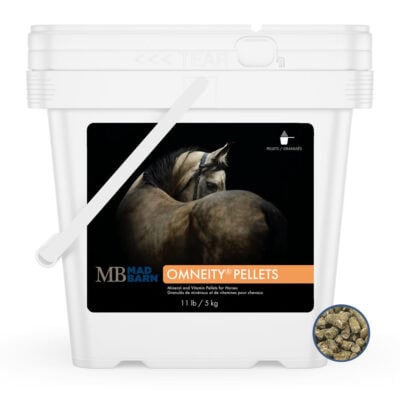
| Omneity® Pellets | 200 g (2 scoops) |
| Diet Analysis | |
| Digestible Energy (% of Req) | 105% |
| Protein (% of Req) | 127% |
| Hydrolyzable carbohydrates (ESC + starch; % Diet) | 8.8% |
Although racehorses are typically fed large volumes of concentrates, a forage-based diet is the best option for French Trotters in light work. Forage alone should be sufficient to meet the energy and protein requirements of most horses.
However, hay is often deficient in essential nutrients, such as vitamins and minerals. [12] You can fill these gaps and balance your horse’s diet with a concentrated vitamin and mineral supplement.
Mad Barn’s Omneity® is a balanced vitamin and mineral supplement designed to balance forage-based diets. Omneity® provides nutrients required to support hoof health, the immune system, joint health, digestive function and a shiny coat.
Forage
Forage should be the foundation of every horse’s diet, including performance and race horses. The equine digestive system is naturally adapted to a continuous intake of roughage, with wild horses grazing for up to 16 hours per day.
Offering the correct type and amount of hay to your French Trotter is crucial. Horses are expected to consume approximately 2% of their bodyweight in forage dry matter per day. This means the average 1,000 lb (450 kg) French Trotter should eat approximately 20 lb (9 kg) of hay dry matter per day.
French Trotters in light work benefit from mid-maturity, grass hay. French trotters in more intensive training may require higher quality hay to meet their energy requirements. Alfalfa hay or an alfalfa/grass mix are an energy and protein rich forage that can be added to the diets of competition Trotters if the high calcium is properly balanced with a phosphorus source. [14]
Most French Trotters with a healthy weight and no metabolic issues can safely enjoy pasture turnout. A study indicated that insulin sensitivity remained stable in obese trotting horses, even with unlimited pasture access. [11]
You should still monitor your French Trotter’s body condition to prevent excess weight gain on pasture turnout. Grazing muzzles and slow feeders can help manage the forage intake of overweight French Trotters.
Feeding Recommendations
Racehorses are often fed high volumes of commercial concentrates, which increase the risk of gastric ulceration and other gut problems in racing French Trotters. [9]
Splitting your horse’s daily grain ration into multiple small meals throughout the day can reduce the risk of digestive upset.
Glycogen, the storage form of glucose in the liver and muscle, is critical to speed and endurance. [16] A good way to maximize forage intake without sacrificing glycogen levels is timed feeding of foods high in hydrolyzable carbohydrates like grains. [17] The liver and muscle are the most “hungry” for glucose in the four hours after a heavy exercise bout. [13]
Remember to make changes gradually when transitioning your French Trotter to a new diet. Abrupt changes can upset their digestive system, potentially leading to colic or hindgut dysbiosis.
Nutritional deficiencies and imbalances can negatively impact the bone health of French Trotters. It’s essential to provide a well-balanced diet for your horse, with optimal levels of minerals such as calcium and phosphorus.
Some French Trotters may benefit from fat supplements to meet their higher energy demands. Fat is a safer source of concentrated calories for exercising horses than high-starch grains but the concentrate portion of the ration must still contain 25 to 35% starch to support glycogen resynthesis. [13]
Oils that are rich in omega-3 fatty acids provide additional benefits for joint health and respiratory function in competition horses. One study found that diets rich in the omega-3 fatty acid DHA decreased EIPH in racing Thoroughbreds. [15]
All horses need free access to fresh water and salt to maintain healthy hydration. French Trotters in intense work may have higher water intake. Our nutritionists also recommend feeding a minimum of 2 tablespoons of plain loose salt per day to meet sodium requirements.
Nutritional Supplements
Avoiding nutrient deficiencies and balancing the overall diet is the priority when developing a feeding program for your French Trotter. Once the diet is balanced, you can consider additional supplements to address your horse’s individual needs and performance goals.
- W-3 Oil is an essential fatty acid and energy supplement that contains high levels of natural Vitamin E and microalgae DHA, an important omega-3 fatty acid. This oil supports respiratory health, immune function, joint health, skin condition, and weight maintenance in French Trotters.
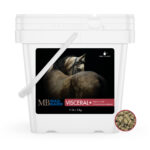
- Visceral+ is a comprehensive gut supplement that helps maintain stomach and hindgut health in French Trotters. This veterinarian-recommended formula provides probiotics, prebiotics, amino acids, minerals, and herbs to support the health of the gastrointestinal barrier in performance horses.
- MSM is a naturally-occurring organic sulphur compound. It has been shown to support the horse’s natural homeostatic reactions to inflammation.
- Performance XL: Electrolytes is scientifically formulated to replace the electrolytes that horses lose in sweat when exercising. French Trotters with intense training programs benefit from an electrolyte supplement to maintain performance and support post-exercise care.
- Acetyl-L-Carnitine is a derivative of L-carnitine found in the body. In supplemental amounts, it improves fat burning, is an antioxidant, protects nerves and maximizes the energy efficiency of the muscle. It can be very helpful for horses struggling to meet training milestones or build muscle.
Submit your French Trotter’s diet for a free consultation online. Our expert equine nutritionists are available to assist you in balancing your horse’s diet and answering any questions you might have.
Frequently Asked Questions
The French Trotter is a trotting horse breed developed in Normandy, France, specifically for racing at the trot. French Trotters are closely related to Standardbreds, but they are bred to maintain a true trotting gait rather than pace. Most compete in harness racing, though some also race under saddle. The breed is also known as the Norman Trotter or Anglo-Norman Trotter.
French Trotter horses are used primarily for harness racing and, in some cases, under-saddle trotting races. After retirement from racing, many French Trotters go on to second careers as riding and driving horses. They are also used for recreational riding, trekking, combined driving, jumping, and hunting. Their stamina, durability, and athleticism make them versatile beyond the racetrack.
French Trotter horses are medium-sized, athletic horses with compact bodies, strong muscling, and substantial bone. Their conformation gives them a powerful yet refined appearance, with a straight facial profile and a balanced frame built for both stamina and speed. They typically have sloping shoulders, which contribute to a smoother outline and support long, efficient trotting strides, along with long limbs that give them an athletic look. A deep chest and powerful hindquarters create a strong, well-developed body, while a muscular neck adds to their solid, capable appearance.
Most French Trotter horses stand between 15.1 and 16.2 hands high. This makes the French Trotter a medium-sized breed with enough size and substance for racing and sport. Their size helps support both harness racing and second-career versatility, though the breed’s height can vary somewhat depending on bloodlines and individual build.
French Trotter horses typically weigh about 900 to 1,100 pounds (410 to 500 kg), depending on their height, frame, and body condition. Racing French Trotters are often leaner than horses in lighter work or retirement. Healthy weight is best evaluated alongside body condition rather than scale weight alone. Proper feeding and exercise help French Trotters maintain sound condition over long careers.
French Trotter horses are most commonly bay and chestnut. Brown and black are also seen in the breed, while gray is relatively rare. Coat color is less important in French Trotters than athletic ability and trotting performance. Most French Trotters have solid, practical coat colors commonly seen in sport and racing horses.
French Trotter horses are typically athletic, energetic, intelligent, and hardworking. Because French Trotters are bred primarily for racing performance, temperament can vary from one horse to another. The French Trotter breed is sensitive, so they do best with consistent training, regular exercise, and mental stimulation. In the right program, they can become reliable and versatile partners.
French Trotter horses are prone to several health problems seen in trotting and racing breeds, including developmental orthopedic disease, osteochondrosis, joint lesions, musculoskeletal injuries, gastric ulcers, and respiratory issues. Actively racing French Trotters may also experience exercise-induced pulmonary hemorrhage (EIPH). Some of these problems are linked to genetics, while others are influenced by training and management. Careful conditioning, balanced nutrition, and regular veterinary monitoring help reduce health risks.
French Trotter horses are generally not the best choice for beginners. The French Trotter breed tends to be energetic, sensitive, and athletic, so they usually suit experienced riders or handlers who can provide consistent training and adequate exercise. Without enough physical activity and mental engagement, they may develop behavioral problems. In knowledgeable homes, however, French Trotters can be hardworking and rewarding partners.
Summary
The French Trotter is a Norman trotting breed developed in France for harness and ridden trotting races, selected for speed at the trot rather than pacing ability. Closely related to Standardbreds through historical crossbreeding, modern French Trotters are still raced in France but are also valued as athletic riding and driving horses after retirement.
- The breed developed in Normandy from local horses crossed with trotting and coach types, with later influence from Standardbreds to improve trotting speed
- French Trotters race exclusively at the trot, most commonly in harness, with some horses also competing in under-saddle trotting events
- They are typically 15.1–16.2 hands with Standardbred-like, athletic conformation suited to long, powerful trotting strides
- A major health concern is a high incidence of developmental orthopedic disease, especially osteochondrosis/OCD lesions identified on radiographic surveys
- Performance-related issues can include musculoskeletal injury influenced by training and track surface, respiratory conditions such as EIPH, and a high prevalence of gastric ulcers in racing lifestyles
References
- Ricard, A. et al. Genomic analysis of gaits and racing performance of the French trotter. J Anim Breed Genet. 2020. View Summary
- Huggins, M. Cultural Transfer, Circulation, and Diffusion between Britain and Europe from the 1770s to the 1870s: The Case of Thoroughbred Horse-Racing and Breeding. Int J Hist Sport. 2019.
- Naccache, F. et al. Genetic risk factors for osteochondrosis in various horse breeds. Equine Vet J. 2018. View Summary
- Teyssedre, S. et al. Genome-wide association studies for osteochondrosis in French Trotter horses. J Anim Sci. 2012.View Summary
- Robert, C. et al. Correlation between routine radiographic findings and early racing career in French Trotters. Equine Vet J. 2010. View Summary
- Thiruvenkadan, A. et al. Inheritance of racing performance of trotter horses: An overview. Livest Sci. 2009.
- Crevier-Denoix, N. et al. Effect of track surface firmness on the development of musculoskeletal injuries in French Trotters during four months of harness race training. Am J Vet Res. 2017. View Summary
- Negro, S. et al. Stress level effects on sport performance during trotting races in Spanish Trotter Horses. Res Vet Sci. 2018. View Summary
- Dionne, R. et al. Gastric Ulcers in Standardbred Racehorses: Prevalence, Lesion Description, and Risk Factors. J Vet Int Med. 2008.View Summary
- Richard, E. et al. Sub-clinical diseases affecting performance in Standardbred trotters: Diagnostic methods and predictive parameters. Vet J. 2010.View Summary
- Nostell, K. et al. The effect of diet-induced obesity and pasture on blood pressure and serum cortisol in Standardbred mares. Equine Vet J. 2020.View Summary
- National Research Council. Nutrient Requirements of Horses. National Academies. 2007.
- Lacombe, V.A. et al. Interactions of substrate availability, exercise performance, and nutrition with muscle glycogen metabolism in horses. J Am Vet Med Assoc. 2003. View Summary
- Lybbert, T. et al. Feeding alfalfa hay to exercising horses reduces the severity of gastric squamous mucosal ulceration. Proceed AAEP. 2007.
- Poole, D. et al. Exercise-induced pulmonary hemorrhage: where are we now?. Vet Med Res Rep. 2016.View Summary
- Lacombe, V.A. et al. Muscle glycogen depletion and subsequent replenishment affect anaerobic capacity of horses. J Appl Physiol. 1985. View Summary
- Lacombe, V.A. et al. Effects of feeding meals with various soluble-carbohydrate content on muscle glycogen synthesis after exercise in horses. Am J Vet Res. 2004 . View Summary