English
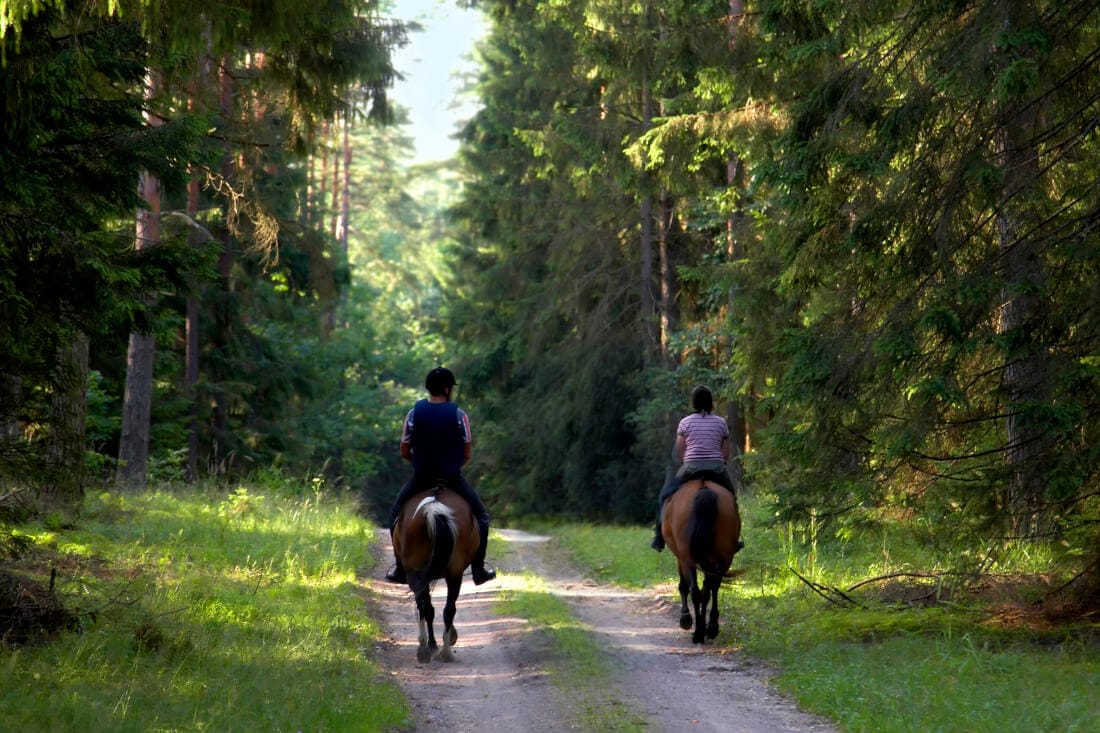
Hunter paces, commonly referred to as “paces,” is an equestrian sport that integrates aspects of endurance riding, eventing, and the strategic skills of traditional fox hunting.
This discipline offers a unique way to test your horse’s fitness and partnership outside the arena. Held on marked trails across fields and woods, these events blend the thrill of a hunt-style ride with the strategy of a timed competition, often with optional natural obstacles along the way.
Riders compete in small teams, aiming to match an optimum time set by the organizer for their chosen pace, whether that’s a relaxed hilltopper ride or a forward first-flight gallop.
With varied footing, changing terrain, and a mix of gaits, hunter paces reward smart pacing, solid conditioning, and good trail etiquette. This growing sport is a popular, low-pressure option for riders who want a fun challenge and practical cross-training for disciplines like eventing and jumping.
Keep reading to learn everything you need to know about hunter paces, including competition formats, training tips, and horse care.
Hunter Paces
For riders looking to take their horse out of the arena and onto the trails, hunter paces offer a fun mix of adventure, strategy, and conditioning.
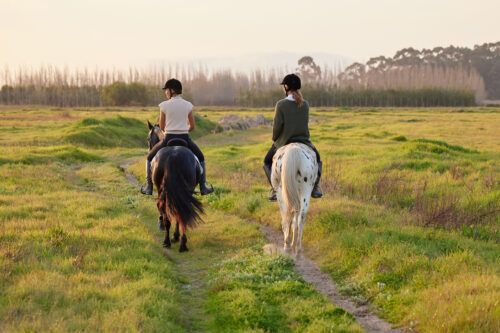
Hunter paces are a type of equestrian competition conducted on a marked trail that features diverse terrain, often designed to replicate the conditions of fox hunting. The goal of the sport is to match the pace time set by the event organizer.
A distinctive aspect of hunter paces is that participants ride in small teams of two to three riders, rather than competing individually as is common in many other equestrian events. This type of competition combines elements of fox hunting, eventing, and endurance riding. [1][2]
Courses typically span 6 to 19 km (4 to 12 mi), covering a variety of trail features, including: [2][3]
- Open fields
- Wooded paths
- Water crossings
- Road crossings
- Uphill and downhill sections
Optional jumps are also scattered along the route. Jump obstacles can include logs, ditches, fences, gates, water elements, and hedges, all of which are marked with signs. [1][2]
The number of jumps in a hunter pace can range from 10 to 100, depending on the course’s terrain and length. The ride generally takes between 1 and 2.5 hours to complete, and riders navigate the course at a walk, trot, canter, and gallop in intervals. [1][2]
Before the event, the organizer establishes the pace time for each division by riding the course at the standard set for the different flights. [1][2]
What's your top priority with your horse's health?

What's your top priority with your horse's health?
History
The sport of hunter paces was inspired by fox hunting, where riders navigate the countryside and natural obstacles such as fences and stone walls.
Fox hunting with hounds and horses originated in 16th-century England as a method of pest control. In the 17th century, the Enclosure Acts divided the open countryside into fenced fields, but fox hunting persisted. This meant riders began training their horses to jump even more obstacles in pursuit of foxes. [4]
This tradition was brought to North America by settlers, where it continues today. In North America, most hunts are organized by local hunt clubs that are recognized by national fox hunting organizations, upholding the standards and conduct of the sport. [2][4]
Fox hunting traditions also required riders to hack to the meet, balancing the need for a properly warmed-up horse with the necessity of conserving energy for the hunt. Riders typically departed at first light, maintaining a brisk trot with occasional canters where footing allowed, while walking on steep or uneven terrain. Over time, hunter paces emerged from this tradition, developing into its own separate discipline. [1]
Hunter Paces Organizations
There is no specific sports organization that oversees the rules and regulations of hunter paces. This discipline is usually coordinated by general, hunt-derived discipline groups or regional series organizers, and the regulations may change from group to group.
Some of these organizations include: [5][6][7][8][9]
- Masters of Foxhounds Association of North America: A national association that supports and promotes organized foxhunting traditions and related equestrian activities across North America
- Associated Bridle Trails: A regional organization focused on maintaining bridle paths and encouraging safe horseback riding and trail access
- Western Carolina Hunter Pace Series: A local series organizer that coordinates hunter pace events throughout Western Carolina with its own scheduling and guidelines
- Carrollton Hounds: A hunt club that hosts equestrian events, including hunter paces, as part of its hunt-based riding community
- Wellington-Waterloo Hunt: A Canadian hunt organization that promotes mounted field sports and may organize hunter pace competitions in its region
Competition
Hunter Paces are a timed event that also include optional jumping elements. The optimum pace time is established by the organizers, and the differing divisions are divided into flights.
Flights
In a hunter pace, riders choose to compete within a set flight, where each flight is assigned a separate start time to minimize crowding and ensure rider safety. Each flight has a target pace that mimics the field pace expected when fox hunting over similar terrain. [2][3]
Pace organizers sometimes use terms to indicate the speed of pace for each flight, such as slow, moderate, or fast. [2][3]
First Flight: Fast
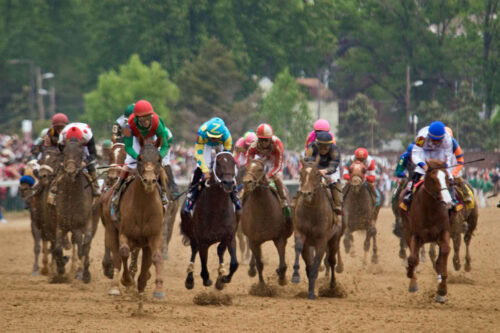
The first flight is the fastest, which closely mimics the speed of huntsmen and hounds in traditional fox hunting. At an average speed of 16 km/h (10 mph), this flight is designed for more experienced riders and mirrors the pace of the hunting first field. [3]
The typical pace is a slow gallop with occasional breaks. These riders normally start on course first, ensuring they won’t pass slower riders. [3]
Second Flight: Moderate
The second flight moves at a slower pace than the first and typically includes cantered jumps. Averaging around 11 km/h (7 mph), this division caters to moderate riders and resembles the pace of the hunting second field. Riders mostly trot and canter, interspersed with short walking intervals. [3]
Hilltoppers: Slow
Moving at an average of 6 km/h (4 mph), this flight resembles the hilltopping third field pace. Hilltoppers make up the slowest flight and typically don’t include jumping. [3]
The average speed is a brisk walk with occasional trots. Hilltoppers are often passed by faster teams, such as second flight teams. [3]
Scoring & Rules
Riders are generally scored based on how closely they match a set pace time over the designated course in their selected division. Penalties are given for being too fast or too slow, meaning the team that most closely aligns with the ideal pace time wins. [3]
Riders are organized into teams and judged on their collective performance, rather than an individual rider’s time. This makes crossing the finish line as a team important, since many paces stop the timer after the last teammate crosses the finish line. [3]
Jumping every obstacle, some obstacles, or none does not impact the team’s score. Instead, the number of jumps taken influences the horse’s pace and the time it takes to complete the course. Go-arounds are available for all jumps, but the more go-arounds taken, the slower the rider’s time will be. Jumping typically helps keep a quicker pace overall.
Jumping is an important factor to consider when choosing between the slow, moderate, or fast flights. For instance, if you plan to jump frequently, you may want to opt for the moderate or fast division. [1][2][3]
While the rules for each competition vary between organizers, common penalties and disqualifications include: [2][10]
- Leaving the marked course
- Taking shortcuts
- Poor horsemanship
- Disregard for other riders
- Dangerous behavior
Common Etiquette & Tips
As with all sports, there are common etiquette guidelines expected during hunter paces to ensure a safe and enjoyable experience for every horse and rider.
Be Mindful of Your Teammates
Always prioritize the safety and well being of your teammates. If you’re leading the team, periodically check behind you to make sure everyone is keeping up, especially after challenging obstacles such as ditches, creeks, or jumps. Communicate with one another, ensure no one is left behind, and avoid putting other riders in risky situations. [2]
Prioritize Horse Health
Monitor your horse’s condition and level of exertion throughout the ride. For example, if the weather is hot and your horse is breathing heavily after a gallop, ensure you provide a walk break. Take periodic breaks from rein contact by allowing a loose rein. [2]
Horse safety and comfort should always be prioritized over competition results, even if you have to adjust your pace on race day.
Footing & Gaits
Guide your horse to the safest terrain, avoiding areas of deep mud or hazardous footing to prevent issues like sole bruising. Walk on downhills whenever possible, and use the terrain as a guide to determine the appropriate gait. Cantering or galloping is appropriate for good ground conditions, while walking and trotting are ideal for poorer ground conditions. [2]
Slow Down When Passing
Passing slower teams is a core feature of hunter paces. When passing another group, always alert them by calling out that you’re approaching and will be passing. Pass at a slow gait, such as a walk or trot, to ensure the safety of all participants. [2]
Be Respectful of the Property
Keep horses on the designated trails and avoid straying into unmarked areas. There may be hazards like holes or unsafe footing outside of your marked trail, and veering off course could lead you to trespass on private property. [2]
Training for Hunter Paces
Any breed of horse can compete in hunter paces, but some horses are especially well suited to the unique challenges of a hunter pace course, including:
- OTTBs
- Warmbloods
- Irish Sport Horses
- Quarter Horses
- Morgans
Equine conditioning and fitness are essential for participation in hunter paces, as the long courses demand exceptional endurance. Conditioning enhances a horse’s fitness and improves endurance performance while minimizing strain on the feet and legs.
Interval training is a conditioning method that alternates between high-intensity exercise followed by periods of recovery. This method pushes the horse’s heart into the anaerobic zone, increasing overall cardiovascular fitness with repeated training.
Building your horse’s fitness gradually helps prepare them for long distances over rugged terrain, and many riders dedicate the off-season to conditioning their horses through hacks and hill work. [4][11]Participating in fox hunts can also help train and teach your horse similar skills required in hunter paces.
Jumping plays a key role in fox hunting and eventing for hunter pace training, as horses must be capable of clearing obstacles encountered in the field. [4]
Training for a hunter pace should also prioritize mental preparation. The horse must develop the confidence to navigate unfamiliar landscapes while maintaining focus on their rider, even in the presence of other horses. Taking a trail ride or riding in unfamiliar surroundings can mentally prepare horses for hunter paces. [4]
Hunter Paces as Cross Training
Both training for and competing in hunter paces can significantly enhance a horse’s preparation for other riding disciplines.
A hunter pace serves as an effective training tool for the cross-country phase of eventing by exposing a horse to diverse terrain, multiple gaits, and natural obstacles. Experience with hunter paces helps build the fitness, mental focus, and confidence necessary to handle the varied challenges of cross-country. [4]
Hunter paces also help prepare horses for other jumping disciplines by developing essential skills such as maintaining a steady pace and confidently approaching various obstacles. This discipline also strengthens the horse-rider partnership, promoting adaptability and composure in a low-pressure setting, ultimately creating well-rounded jumpers for more competitive courses. [10]
Preparing for and competing in a hunter pace is also an effective addition to conditioning plans for horses in any discipline, including western disciplines.

Tack & Equipment
One of the most unique aspects of Hunter Pace competitions is the wide range of tack and equipment riders can use. The events are typically open to all disciplines, so riders can use their tack and rider gear of choice.
Horse Tack
Because hunter paces do have optional jumping obstacles and deep roots in fox hunting, the most common tack and riding attire is that of English disciplines. In addition, most hunter paces require a helmet and riding boots are worn on course. [12]
The most common basic tack used for hunter paces includes:
- Saddle of any discipline
- Girth
- Bridle
- Breastplate
- Martingale
- Tendon boots
Rider Attire
While tack requirements are generally flexible and based on the rider’s preferred discipline, safety and a neat appearance typically remain the priorities.
Many riders opt for a simple, functional setup, adhering to event-specific regulations. Some hunter paces may also permit more casual attire or themed costumes, depending on the nature of the event.
The most common types of riding attire for hunter paces includes: [1][2][3][12]
- Breeches, riding tights, jodhpurs, etc.
- Jeans
- Riding boots
- Riding gloves
- Riding top based on specific event and organization dress code
- Helmet
- Safety vest
Managing Horses at Hunter Paces
To succeed at hunter paces, horses require significant endurance, as they ride over varied terrain and jump different obstacles, which can lead to strain.
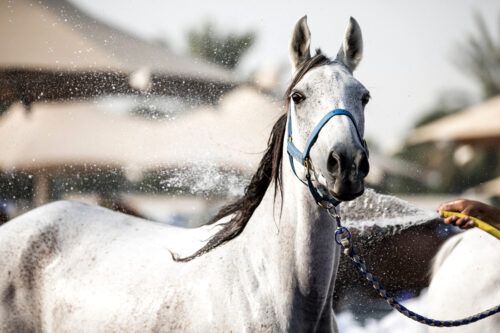
Icing or cold hosing your horse’s legs are effective strategies to help your horse recover after a hunter pace event. While the exact mechanisms of cold therapy are still under investigation, cooling helps dissipate excess heat and supports muscle recovery. [13][14]
Many riders also use clay poultices after events like hunter paces. Clay poultices are believed to have therapeutic properties that may support recovery.
There are many types of poultices on the market, and some owners make their own at home. [15] Always ensure any poultice products you choose or make are safe for equine use.
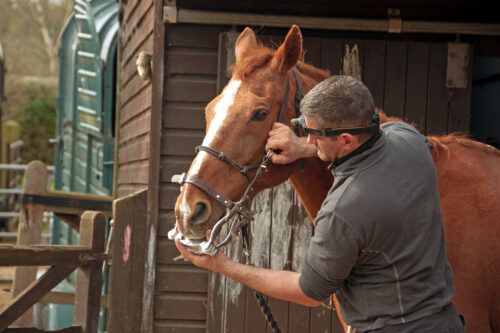
Since most riders must trailer their horses to hunter paces, it’s important to note that transportation can elevate stress levels and increase the risk of gastric ulcers. [16][17]
If your horse is prone to digestive issues, providing additional nutritional support can help maintain their health throughout the hunter pace season.
Frequently Asked Questions
Here are some frequently asked questions about hunter paces:
A hunter paces event is an equestrian competition held on marked trails where riders aim to match an optimum time set by the organizer. The course often includes varied terrain and may feature optional natural obstacles, reflecting the style of traditional fox hunting.
Most hunter paces courses range from about 6 to 19 kilometers (4 to 12 miles). Riders complete the course over fields, wooded paths, hills, and other natural trail features.
No, jumping is optional in hunter paces, and teams can choose to jump every obstacle, some obstacles, or none at all. Skipping jumps does not directly affect scoring, but it may influence the overall pace time.
Hunter paces are scored based on how closely a team finishes to the optimum time for their chosen flight. Teams receive penalties for finishing too fast or too slow, and the closest match to the ideal pace time wins.
Flights are divisions based on speed and experience level. Common flights include first flight (fast), second flight (moderate), and hilltoppers (slow). Each flight has its own target pace designed to reflect different styles of fox hunting.
Many breeds can compete successfully, but horses with good endurance, soundness, and confidence on trails often excel. Thoroughbreds, Warmbloods, Irish Sport Horses, and other athletic breeds are commonly seen in hunter pace events.
Many hunter paces events offer slower divisions, such as hilltoppers, that are suitable for less experienced riders. Beginners can participate safely by choosing an appropriate flight, riding with a steady team, and prioritizing good trail etiquette.
After a hunter paces event, horses benefit from proper cool-down, hydration, and recovery support. Many riders use cold hosing or icing on the legs to help manage heat and strain from the varied terrain and optional jumping.
Summary
Hunter paces are a unique equestrian sport that combines the tradition of fox hunting with the strategy of timed trail competition. Riding in small teams over varied terrain, participants aim to match an optimum pace time while building fitness, confidence, and strong trail skills.
- Hunter paces are organized trail events where teams compete by trying to complete a course according to a pre-set pace time
- Courses often include fields, woods, hills, and optional natural jumping obstacles
- Riders can choose different flights, ranging from slow hilltopper divisions to fast first-flight gallops
- These competitions reward smart pacing, safe horsemanship, and good trail etiquette rather than speed alone
- Hunter paces provide excellent cross-training for eventing and jumping by improving endurance and adaptability
- Proper conditioning, equipment choices, and post-ride recovery care help horses stay healthy throughout the season
References
- Hunter Paces. Stone Gate Farm. 2025.
- What Is a Hunter Pace?. Manhattan Riding Club. 2021.
- Hunter Paces. Rocky Fork Headley Hunt. 2020.
- Hastings. A. Fox Hunting: History and Change in a Mountain Sport. Appalachian J. 1997.
- Masters of Foxhounds Association of North America. Masters of Foxhounds Association of North America. 2026.
- About Us. Associated Bridle Trails. 2025.
- Western Carolina Hunter Pace & Trail Ride Series. Western Carolina Hunter Pace & Trail Ride Series. 2026.
- About Us. Carrollton Hounds. 2026.
- Wellington-Waterloo Hunt. Wellington-Waterloo Hunt Club. 2026.
- totsie, What's a Hunter Pace?. Foothills Equestrian Nature Center. 2026.
- Conditioning the Event Horse at the Novice and Training Levels. USEA : United States Eventing Association Inc. 2026.
- Hunter Pace Info. Woodbrook Hunt Club.
- Kaneps. A. J. Tissue Temperature Response to Hot and Cold Therapy in the Metacarpal Region of a Horse. AAEP Proceedings. 2000.
- Lehmann. J. F. Therapeutic heat and cold. 3rd ed. Baltimore: Williams and Wilkins. 1982.
- Bastos. C.M. et al. Assessment of Clayey Peloid Formulations Prior to Clinical Use in Equine Rehabilitation. Intern J Environ Res Public Health. 2020. View Summary
- Schmidt. A. et al. Cortisol release and heart rate variability in horses during road transport. Hormones and Behav. 2010. View Summary
- Padalino. B. et al. Effects of transport conditions on behavioural and physiological responses of horses. Animals. 2020.