English

The reproductive performance of broodmares holds significant importance within the equine industry. Achieving optimal pregnancy rates is critical for both the profitability of breeding operations and the holistic well-being of mares and foals.
Many different factors can affect mare fertility, with an increasing emphasis being placed on the role of phytoestrogens in the diet. Phytoestrogens are compounds derived from plants that share similar properties with estrogen, the primary female sex hormone. Common horse feeds such as alfalfa and clover hay, as well as soy-based concentrated feeds, can be high in phytoestrogens.
Research shows that phytoestrogens can bind to estrogen receptors in the body, acting either as weak estrogens or anti-estrogens. Suspected links may exist between high levels of phytoestrogens in the diet and various reproductive issues in mares.
Understanding how these compounds influence mare fertility is crucial for horse breeders and those involved in equine health management. This article explores the presence of phytoestrogens within the equine diet and potential implications on the fertility of mares.
Phytoestrogens and Mare Fertility
Phytoestrogens are a diverse group of plant-derived compounds that are structurally and functionally similar to 17ß-estradiol (a type of estrogen). [1]
Estrogens are a group of steroid hormones that play a crucial role in the development and regulation of the female reproductive system and secondary sex characteristics.
Phytoestrogens can exert both estrogenic and anti-estrogenic effects in the body. They are considered endocrine-disrupting chemicals because they can interfere with the body’s natural hormone system.
They are found in a variety of plants, including clover, soybeans, and other legumes, and can enter the equine diet through forage, commercial feeds, and supplements.
The effects of phytoestrogens on animal health and reproduction are complex and not yet fully understood. However, research is ongoing to understand how these chemicals affect the mare’s endocrine system and fertility.
What's your top priority with your horse's health?

What's your top priority with your horse's health?
Sources of Phytoestrogens in Equine Diets
Common sources of phytoestrogens in equine diets include:
- Clover (especially red and subterranean varieties)
- Other legumes (e.g. alfalfa)
- Soybeans and soybean meal
- Linseed (flaxseed)
- Certain herbs (e.g. licorice root and hops)
- Grains and cereals (e.g. oats and barley, though in lower amounts)
- Fruits and vegetables (e.g. apples and carrots)
These plants contain different types of phytoestrogens, which can vary in their estrogenic potency.
Factors Impacting Concentration
Many factors can influence the levels of phytoestrogens in feedstuffs. Environmental conditions affecting the plant, such as temperature fluctuations, pest pressure, and the availability of water and light, can impact phytoestrogen levels within the plant. [6]
Additionally, the processing, heating, and fermenting of soy-based feed can change the chemical forms of phytoestrogens present. These alterations can influence the overall exposure to phytoestrogens and also affect the potential estrogenic effects of the feed. [7]
Types of Phytoestrogens
Based on their chemical structure, phytoestrogens are generally classified into three primary categories: [2]
- Polyphenols
- Flavonoids
- Isoflavonoids
Of these compounds, polyphenols and flavonoids don’t share a close structural similarity with estrogens. However, isoflavonoids do closely resemble the structure of estrogens and have a higher affinity for binding to estrogen receptors. [3]
Isoflavonoids
Isoflavonoids are the most significant phytoestrogen for horses due to their prevalence in equine feed sources and their heightened estrogenic activity.
Isoflavonoids can be further differentiated based on the arrangement or structure of their carbon atoms. This structural variation is significant because it influences how these compounds interact with estrogen receptors.
The three main types of isoflavonoids are: [4]
- Isoflavones: Includes genistein, daidzein, glycitein, biochanin A, and formononetin. These compounds are present in soybeans and various other legumes.
- Isoflavans: Includes equol, a metabolite of daidzein, which is found in soybeans and other legumes.
- Coumestans: Includes coumestrol, which is prevalent in alfalfa and clover.

Adapted from “The Pros and Cons of Phytoestrogens,” by Heather B. Patisaul and Wendy Jefferson, 2010, Frontiers in Neuroendocrinology, 31(4), 400-419.
Inactive vs. Active Forms
Isoflavones in plants are found either in their bioactive aglycone (unconjugated) form or in an inactive glycoside (conjugated) form. The majority of phytoestrogens are ingested in the glycoside form, such as genistin and daidzin. [3][5]
These compounds then undergo a process called hydrolysis in the digestive system, transforming into their bioactive aglycone counterparts, like genistein and equol. This transformation is crucial because the aglycone forms are more readily absorbed by the body. [3][5]
Once converted, these bioactive compounds are absorbed through the small intestine via passive transfer mechanisms, allowing them to enter the circulatory system and exert their effects. [3][5]
This process of conversion and absorption is significant because it determines the extent to which phytoestrogens can exert their biological effects. The inactive glycoside forms are not directly effective until they are transformed into their active aglycone forms.
Binding Affinity
Once phytoestrogens enter the bloodstream, their effects are primarily determined by how strongly they bind to estrogen receptors in the horse’s body.
Some phytoestrogens, for instance, coumestrol and genistein are considered more estrogenic as they are more likely to bind with estrogen receptors compared to daidzein.
This binding ability is crucial as it dictates how effectively phytoestrogens can mimic or block the effects of the body’s natural estrogens.

Phytoestrogens and Livestock Fertility
Research shows that diets with high levels of phytoestrogens can lead to reproductive disorders in livestock animals, such as sheep and cows.
Exposure to phytoestrogens is inevitable in livestock diets as these animals consume large amounts of plant material. The concentration of phytoestrogens varies in different types of feed and forage, with some being particularly high in these compounds.
Cows
Cows fed diets high in phytoestrogens have exhibited signs of ovarian dysfunction, leading to cystic ovaries and estrous cycle abnormalities.
This disruption in ovarian function can result in reduced conception rates, increased embryo loss, and even temporary infertility. [8]
Sheep
In ewes, grazing on phytoestrogen-rich plants can result in long-term fertility issues. While their ovarian function might be less visibly affected compared to cows, ewes can experience permanent infertility due to complications with their reproductive tracts. [8]
This phenomenon has been observed in female sheep grazing plants such as red clover and alfalfa [8] In some geographic areas, such as western Australia, the impact of phytoestrogens on livestock fertility is very evident.
Studies show that ewes grazing on red clover often experience subclinical or undiagnosed infertility. [9] These findings emphasize the intricate interplay between diet, hormones, and reproduction in livestock animals.
Reproductive Effects in Broodmares
The effects of phytoestrogens on fertility in horses remains a subject of ongoing research, with current studies offering conflicting results. The limited scope of studies, small number of horses, and variability in outcomes have made it difficult to establish definitive conclusions.
However, the potential impact of these compounds on equine reproductive health cannot be overlooked. Further research is needed to provide more comprehensive and conclusive recommendations.
Phytoestrogens in Horse Feed
Recent research has investigated the presence of phytoestrogens in horse feed. Historically, studies of phytoestrogens in livestock feeds have focused on fermented feeds. However, there is growing awareness of non-bioactive glycoside isoflavones in plant-based feeds for horses.

A comparison of total isoflavonoids in common equine feedstuffs
A recent study from the University of Florida quantified isoflavone concentrations in feeds commonly given to horses. [10] The study identifies genistin as the most prominent isoflavone in soybean meal, soy hulls, and grain concentrate, followed by daidzin. [10]
These findings are consistent with previous research that analyzed soybean meal from different geographical regions. It was observed that the levels of genistin and daidzin in other grain concentrates were generally lower than those found in soybean meal. [10]
Commercial horse feeds that contain soybean meal and separately alfalfa hay possess significant levels of phytoestrogens, including genistein and daidzein.
In contrast, perennial peanut hay, coastal Bermuda grass, and other dried forages commonly fed in the southeastern United States have undetectable levels of phytoestrogens. [10]
Phytoestrogen Absorption
Research on phytoestrogens absorption from the diet in mares is essential for understanding the effects of these compounds on equine reproductive health.
One study revealed that mares consuming feed with soybean meal had detectable levels of phytoestrogens, such as genistein and equol, in their blood. [10] Equol is of interest because it is a metabolic formed from the conversion of daidzein, another phytoestrogen, in the bloodstream.
Furthermore, the study revealed that these phytoestrogens can also be transferred to suckling foals. Foals nursing from mares fed soybean meal had measurable levels of genistein in their blood, indicating transfer of these compounds through the mare’s milk. [10]
Reproductive Disruptions
Dietary intake of phytoestrogens has been associated with reproductive dysfunction in mares. In one study, mares consuming a clover haylage diet were found to have higher levels of the phytoestrogens coumestrol and methoxycoumestrol in their blood. [11]
Long-term intake of these compounds resulted in reproductive disruptions including a lack of ovulation, fluid accumulation in the uterus and uterine edema. [11]
Another study found that mares fed alfalfa pellets had altered hormone levels, with increased prostaglandins and decreased progesterone compared to the control group. [12] This has the potential to lead to mare reproductive dysfunction.
In vitro experiments further showed that coumestrol stimulates prostaglandin secretion in endometrial cells, potentially leading to disruption of reproductive function. [12]
However, it is important to note that these studies involved a relatively small number of mares and are not conclusive.
Fetal Loss
In 2001, several breeding farms in central Kentucky experienced an outbreak of Mare Reproductive Loss Syndrome (MRLS), an enigmatic condition that led to a significant increase in abortions.
Researchers hypothesized that phytoestrogens in white clover, a common plant in Kentucky horse pastures, might have contributed to the fetal losses in mares.
To investigate this hypothesis, samples of white clover from pastures and hay were collected from fields with varying rates of fetal loss. The samples were analyzed for phytoestrogen content and estrogenic activity.
The analysis revealed low to undetectable concentrations of phytoestrogens in the pastures, suggesting that phytoestrogens were unlikely to be the primary cause of these pregnancy losses. [13] Instead, further investigation has pointed to an unusually high number of eastern tent caterpillars in horse pastures, inadvertently ingested as the prime suspect for inducing the abortion storm.
Estrous Cycle
Recent reports have raised concerns about the potential impact of phytoestrogen-rich forages on the reproductive cycles of mares. [11]
These findings are particularly relevant for horse owners dealing with fertility challenges in their herd, especially for mares on diets high in soy or legumes. Soy, clover and alfalfa are known sources of phytoestrogens, and could be contributing factors to these fertility challenges.
If you’re encountering fertility issues with your mare or stallion, it is recommended to have a comprehensive reproductive examination conducted by your veterinarian.
Subsequently, have your horse’s diet assessed by a qualified nutritionist to minimize consumption of potential endocrine disruptors that could be interfering with your horse’s reproductive functions.
Nutrition During Gestation
Proper nutrition is essential for supporting the health of the pregnant mare and her developing foal. A mare’s dietary requirements change significantly throughout pregnancy and lactation to support optimal growth and development of her foal, and to ensure adequate milk production.
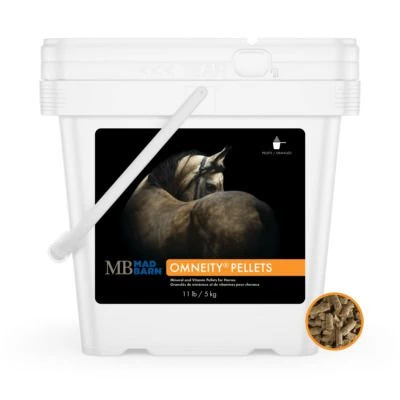
It is important to provide a well-balanced diet that meets the mare’s needs for energy and protein. Additionally, a balanced vitamin and mineral supplement, such as Mad Barn’s Omneity®, is vital to ensure the mare meets all her vitamin and mineral requirements.
Protein
Protein is one of the most important nutrients for pregnant and lactating mares. Not only does protein supply amino acids, which are essential for fetal development, but also protein is a key component of mare’s milk, which is the sole source of nutrition for the newborn foal.
Pregnancy and lactation are physically demanding processes. Adequate protein intake helps the mare maintain her own body condition and muscle mass, ensuring that she does not deplete her own reserves while supporting the growth of her foal.
Working with an equine nutritionist can help you formulate a balanced diet for your broodmare to avoid high levels of phytoestrogens and support their overall fertility.
Frequently Asked Questions
Here are some frequently asked questions about phytoestrogens and mare fertility:
Phytoestrogens are plant-derived compounds that can act like weak estrogens or block estrogen activity in the body. In mares, these compounds may interact with hormone receptors and influence reproductive function. They are found in several common equine feeds, including clover, alfalfa, soybeans, soybean meal, flaxseed, some herbs, and smaller amounts in grains, fruits, and vegetables.
Phytoestrogens may affect mare fertility by interfering with normal hormone signaling in the reproductive system. Some studies link high intake of these compounds with lack of ovulation, uterine fluid, uterine edema, altered progesterone levels, and increased prostaglandins. Current research is still limited, so these findings suggest a possible concern rather than a confirmed cause in every mare.
Feeds highest in phytoestrogens often include clover, alfalfa, soybeans, soybean meal, soy hulls, and some legume-based forages. Red clover, subterranean clover, alfalfa, and soy-based concentrates are especially relevant for broodmares. Research has found notable isoflavone levels in soybean meal, soy hulls, grain concentrates with soy, and alfalfa hay.
Soy can affect reproductive health in mares because soybean meal contains isoflavones that may be absorbed into the bloodstream. One study found detectable levels of genistein and equol in mares consuming soybean meal. These compounds can interact with estrogen receptors, which is why soy-heavy diets may deserve closer review when a broodmare is experiencing fertility problems.
Alfalfa may affect broodmare fertility because it can contain phytoestrogens, including coumestrol, a compound with estrogenic activity. One study found that mares fed alfalfa pellets had higher prostaglandins and lower progesterone compared to controls. These hormone changes could contribute to reproductive dysfunction, although more research is needed before alfalfa can be treated as a direct cause.
Clover may cause reproductive problems in mares when it contributes high levels of phytoestrogens to the diet. Mares consuming clover haylage in one study had higher blood levels of coumestrol and methoxycoumestrol, along with reproductive disruptions such as lack of ovulation, uterine edema, and fluid accumulation. Red and subterranean clover are especially known for phytoestrogen concerns.
Phytoestrogens may affect a mare’s estrous cycle by changing hormone activity involved in ovulation and uterine health. Reports have linked phytoestrogen-rich forages with reproductive cycle concerns, especially in mares eating diets high in soy, clover, or alfalfa. Owners noticing irregular cycles or fertility challenges should seek a reproductive exam and have the diet reviewed.
Phytoestrogens can pass from mares to suckling foals through milk. In one study, foals nursing from mares fed soybean meal had measurable genistein in their blood. This shows that dietary phytoestrogens are not only absorbed by the mare, but can also reach the nursing foal, although the long-term significance is still being studied.
Broodmares do not need to avoid every feed that contains phytoestrogens, but high intakes may be worth limiting when fertility problems are present. Many common feeds contain some plant estrogen compounds, and their effects depend on the source, amount, processing, and the mare’s reproductive status. A nutritionist can help balance protein needs while avoiding unnecessary phytoestrogen exposure.
Horse owners can reduce phytoestrogen exposure by reviewing forage and concentrate sources, especially soy-based feeds, clover-rich hay, and legume-heavy diets. For mares with fertility concerns, it may help to avoid excess protein intake and choose feeds that meet requirements without over-supplying phytoestrogen-rich ingredients. Diet changes should be made with veterinary and nutrition support.
Mare fertility problems are investigated first with a full reproductive exam by a veterinarian. If no clear cause is found, the diet should also be reviewed for possible endocrine-disrupting compounds, including phytoestrogens from soy, clover, alfalfa, or other legumes. A qualified equine nutritionist can help adjust the ration while still supporting pregnancy, lactation, and overall health.
Summary
Phytoestrogens are plant-derived compounds that mimic or interfere with the effects of the hormone estrogen in the body.
- Common sources of phytoestrogens in equine diets include clover, alfalfa, soybeans, linseed, certain herbs, grains, and some fruits and vegetables
- Phytoestrogens are classified into polyphenols, flavonoids, and isoflavonoids. Isoflavonoids have a higher affinity for binding to estrogen receptors and are more common in equine feed
- High levels of dietary phytoestrogens have been linked to reproductive disorders in livestock, including ovarian dysfunction in cows and long-term fertility issues in sheep
- To prevent fertility issues in mares, breeders may need to avoid feeds containing large amounts of soybean meal and alfalfa hay during the breeding season
- It's crucial to provide a balanced diet for pregnant mares, being mindful of high-protein feeds that may contain elevated levels of phytoestrogens
References
- Bacciottini, L. et al., Phytoestrogens: Food or Drug?. Clin. Cases Miner. Bone Metab. 2007.
- Patisaul, H. B. and Jefferson, W., The Pros and Cons of Phytoestrogens. Front. Neuroendocrinol. 2010.
- Prasain, J. K. et al., Mass Spectrometric Methods for the Determination of Flavonoids in Biological Samples. Free Radic. Biol. Med. 2004.
- Ibarreta, D. et al., Possible Health Impact of Phytoestrogens and Xenoestrogens in Food. Apmis. 2001.
- Flachowsky, G. et al., Isoflavone Concentration of Soybean Meal from Various Origins and Transfer of Isoflavones into Milk of Dairy Cows. J. Für Verbraucherschutz Leb. 2011.
- Parr, A. J. and Bolwell, G. P., Phenols in the Plant and in Man. The Potential for Possible Nutritional Enhancement of the Diet by Modifying the Phenols Content or Profile. J. Sci. Food Agric. 2000.
- Kao, F.-J. et al., Effect of Water-to-Bean Ratio on the Contents and Compositions of Isoflavones in Tofu. J. Agric. Food Chem. 2004.
- Adams, N. R., Detection of the Effects of Phytoestrogens on Sheep and Cattle. J. Anim. Sci. 1995.
- Adams, N., Clover Phytoestrogens in Sheep in Western Australia. Pure Appl. Chem. 1998.
- Adkin, Angie, The characterization of phytoestrogens in equine feeds and serum, University of Florida, Gainesville, 2018.
- Ferreira-Dias, G. et al., Coumestrol and Its Metabolite in Mares’ Plasma after Ingestion of Phytoestrogen-Rich Plants: Potent Endocrine Disruptors Inducing Infertility. Theriogenology. 2013. View Summary
- Szóstek, A. Z. et al., The Effect of Coumestrol on Progesterone and Prostaglandin Production in the Mare: In Vitro and In Vivo Studies. Biol. Reprod. 2016.
- McDowell, K. et al., Phytoestrogens and Estrogenic Activity in White Clover Samples from No-Loss and High-Loss Fields during Mare Reproductive Loss Syndrome, 2001. Mare Reprod. Loss Syndr. 1995.