

 English

Omneity® Pellets
All-In-One Vitamin & Mineral Pellet
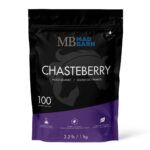
Explore Mad Barn’s supplements to support hormonal balance in mares. These formulas are designed to help maintain normal hormone function, regulate reproductive cycles, and support mood, behavior, and metabolic health in mares of all ages.


Hormones influence nearly every system in your horse’s body, from mood, energy levels, and behavior to reproductive health and metabolic function. When these systems are out of balance, your horse may experience irritability, weight changes, inconsistent heat cycles, reduced performance, or lack of focus under saddle.
Many horse owners turn to nutritional supplements when they notice seasonal mood swings in mares, sluggishness in older horses, or signs of metabolic sensitivity like regional fat deposits or cresty necks. These changes can be linked to age, stress, diet, or environmental factors that affect the normal functioning of the endocrine system.
Nutrition is one aspect of helping your horse maintain healthy hormone levels. Whether you're managing a moody mare, supporting a metabolic senior, or maintaining reproductive health in breeding horses, the right diet can help your horse feel and function their best.
A well-balanced diet supports normal hormone function by providing nutrients that help maintain the endocrine glands, reproductive organs, liver, and metabolic pathways—key systems involved in hormone regulation. Start with a forage-first diet that supplies adequate vitamins, minerals, and amino acids, then consider additional support based on your horse’s individual needs.
Mares with hormonal fluctuations may show changes in mood, focus, or behavior, especially during transitional seasons. While nutrition is a key factor, daily management also plays a big part in helping mares feel and perform their best.
If your mare’s behavior changes seasonally or seems related to hormonal cycles, changes in management and nutrition can help. Submit a free diet evaluation to get personalized recommendations from our qualified nutritionists.
Hormones are chemical messengers that help regulate essential physiological processes in horses, including metabolism, mood, reproductive activity, growth, and energy balance. They are produced by endocrine glands such as the pituitary, thyroid, adrenal glands, ovaries, and testes, and travel through the bloodstream to target tissues throughout the body.
For example, insulin helps regulate blood sugar and energy metabolism; cortisol plays a role in the stress response; estrogen and progesterone are involved in reproductive cycling in mares; and ACTH (adrenocorticotropic hormone) influences adrenal gland function. These and other hormones work together to maintain homeostasis and allow the horse’s body to adapt to changing internal and external conditions.
When hormone activity is disrupted, it can affect behavior, weight, coat condition, reproductive performance, and overall vitality. Supporting normal hormone function through proper nutrition and management helps promote long-term health and well-being.
Signs of hormonal imbalance in horses vary depending on which endocrine system is affected. In mares, fluctuations in reproductive hormones such as estrogen and progesterone may result in mood changes, irritability, unwillingness to work, and irregular heat cycles.
Metabolic hormone imbalances (such as insulin resistance or elevated cortisol levels) can lead to weight gain, difficulty losing weight, regional fat deposits (such as a cresty neck), lethargy, or changes in energy levels. These signs are often seen in horses with metabolic conditions or in aging horses with Pituitary Pars Intermedia Dysfunction (PPID).
Changes in coat quality, delayed or incomplete shedding, loss of topline, and reduced exercise tolerance may be related to disruptions in pituitary or thyroid function.
While these signs do not confirm a hormonal imbalance on their own, they may warrant further evaluation, especially when multiple symptoms are present. Consult with your veterinarian if your horse is showing signs of hormone imbalance to diagnose and treat any underlying conditions.
Hormonal changes in mares can result in mood swings, irritability, sensitivity to touch, and reduced focus under saddle. Such changes are often linked to natural fluctuations in reproductive hormones, particularly estrogen and progesterone, during the estrous cycle. These changes are most noticeable in the spring and fall as mares transition in and out of cycling.
Hormone activity can also be influenced by environmental stress, social dynamics within the herd, and overall nutritional status. Poor diet or nutrient imbalances may affect behavioral responses during hormonal shifts.
Some horse owners use nutritional supplements such as chasteberry (Vitex agnus-castus) to support normal hormone function and maintain balanced behavior in mares. Chasteberry is an herbal ingredient that may help support a more comfortable and consistent hormonal cycle, especially during transitional seasons.
While most geldings have low levels of sex hormones following castration, some may still show stallion-like behavior such as aggression, mounting, or territorial behavior. In rare cases, this may be related to retained testicular tissue (cryptorchidism) or adrenal hormone production.
Behavioral issues in geldings are more commonly influenced by factors such as past handling, pain, environmental stress, herd dynamics, or diet. Before assuming a hormonal cause, it’s important to rule out discomfort, training issues, or behavioral reinforcement.
If hormonal imbalance is suspected, a veterinarian can perform blood tests to evaluate testosterone or other hormone levels. In some cases, nutritional support for the nervous system and stress response, such as magnesium, vitamin B1, or adaptogenic herbs like chasteberry, may help support more balanced behavior.
Chasteberry (Vitex agnus-castus) is one of the most commonly used supplements to support hormonal balance in horses. It is often fed to mares to help maintain normal mood and behavior during hormonal transitions, such as seasonal cycling. Chasteberry may also help support healthy pituitary function in older horses and contribute to normal hormonal rhythms.
Chasteberry is an adaptogen that influences the hypothalamus and pituitary glands, which regulate the endocrine system. Feeding this supplement supports a healthy stress response and a balanced disposition. It is often used when horses show signs of mood swings, irritability, or hormonal sensitivity.
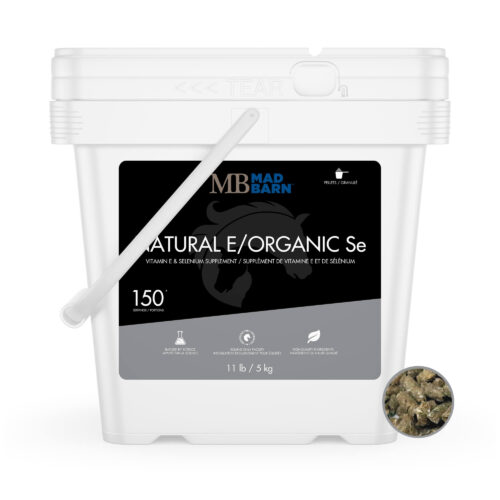
Other nutrients that support hormonal and metabolic health include antioxidants such as natural vitamin E and organic selenium, which help protect tissues from oxidative stress. Trace minerals like magnesium, zinc, and chromium can support normal metabolic and insulin function. These nutrients play indirect roles in hormonal regulation by supporting the overall function of key body systems such as the liver, reproductive organs, and endocrine glands.
PPID (Pituitary Pars Intermedia Dysfunction), often seen in senior horses, is associated with changes in pituitary hormone production. While pergolide is commonly prescribed for PPID, many horses benefit from dietary support with antioxidants, trace minerals, and nutrients that help maintain normal metabolic and endocrine function. Regular veterinary monitoring is important.
Yes, diets that are high in sugar and starch may contribute to mood swings, energy spikes, or reactivity in some horses. Nutritional imbalances, such as deficiencies in magnesium or trace minerals, can also affect the nervous system and hormone-related behavior. A balanced, low-NSC diet with appropriate supplementation supports a stable temperament.
All-In-One Vitamin & Mineral Pellet

Advanced Gut Health Supplement

DHA-Enriched Fat Supplement
All-In-One Vitamin & Mineral Pellet

All-In-One Vitamin & Mineral Powder
Enhanced Vitamin & Mineral Pellet
Advanced Gut Health Supplement

Probiotic & Prebiotic Supplement

High-Potency 5-Strain Probiotic
All-In-One Vitamin & Mineral Pellet
Enhanced Vitamin & Mineral Pellet

Hoof, Skin & Coat Support
DHA-Enriched Fat Supplement
All-In-One Vitamin & Mineral Pellet

Organic Trace Mineral Blend
Enhanced Vitamin & Mineral Pellet
Mood & Hormone Support

Metabolic Health Formula
Mood & Hormone Support

Muscles & Nerve Support
Advanced Gut Health Supplement
Advanced Gut Health Supplement

Respiratory & Performance Supplement

Essential Amino Acid Blend
Essential Amino Acid Blend
Muscles & Nerve Support

Performance & Muscle Support
Respiratory & Performance Supplement
DHA-Enriched Fat Supplement

Immune & Respiratory Support



What's your top priority with your horse's health?
