

 English

Omneity® Pellets
All-In-One Vitamin & Mineral Pellet
Explore Mad Barn’s herbal supplements for horses and discover science-backed natural ingredients that support mood balance, immune health, respiratory function and more.

Horses in the wild naturally forage on a wide variety of grasses, herbs, and plants, resulting in a more diverse diet than many domestic horses receive. For centuries, herbs have also been used in traditional medicine to support specific physiological functions, including circulation, respiratory health, immune balance, and metabolism.
These plant-derived ingredients contain naturally occurring bioactive compounds that may help regulate stress responses, maintain healthy inflammatory pathways, and support overall wellness. A growing number of herbs now have scientific backing for their use in horses, beyond research into their effects in humans.
Mad Barn’s herbal supplements are formulated with research-backed ingredients and manufactured to the highest standards of purity, consistency, and quality control. Each product is designed to deliver functional support at physiologically relevant levels, making it easy to incorporate into your horse’s diet.
Keep in mind that herbal supplements are not a substitute for a balanced diet; they are most effective when used to complement a feeding program that already meets your horse’s nutrient requirements. If a horse’s diet is deficient in vitamins, minerals, or amino acids, its underlying metabolic and immune systems may be compromised, limiting the benefits of herbal supplements.
Mad Barn offers a range of herbal supplements to support specific health and performance goals. All products are free from fillers, artificial flavors, and unnecessary additives.
To get the most benefit from herbal supplements for your horse, they should be used alongside a complete, balanced feeding program. Horses must have adequate intake of essential nutrients to maintain healthy immune, metabolic, and circulatory function. If those systems are already stressed due to dietary deficiencies, herbal ingredients may be less effective.
Mad Barn recommends starting with one of our balanced vitamin and mineral supplements, such as Omneity or AminoTrace+, before introducing single-ingredient herbs. Once your horse’s core nutrition is in place, herbs can be added based on specific needs and health goals.
Not sure which herbs are right for your horse? Our team of equine nutritionists can help. Submit a free diet evaluation to receive a personalized plan based on your horse’s condition, diet, and performance level.
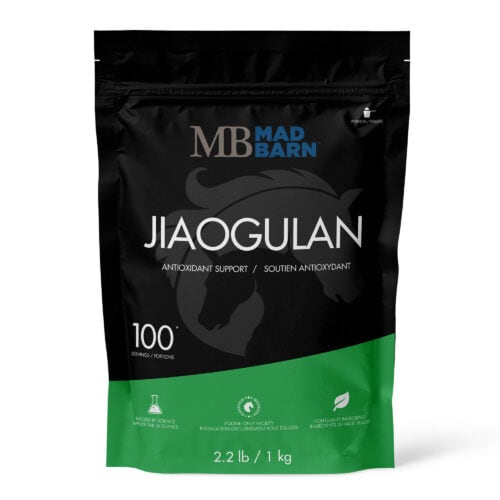
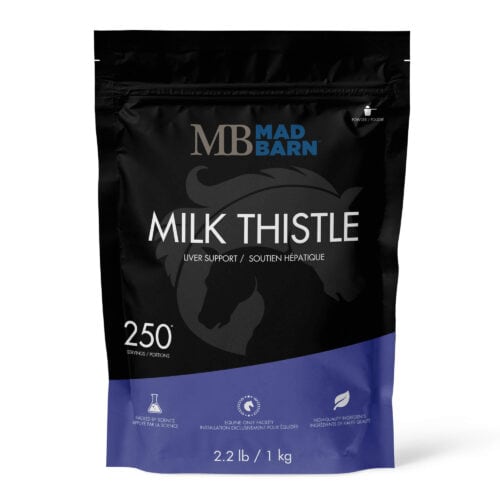
Herbal supplements are plant-based ingredients used to support specific physiological functions in horses. Different ingredients may promote circulation, respiratory health, immune balance, hormonal regulation, or stress adaptation. Examples with research evidence in horses include spirulina, milk thistle, chasteberry, and jiaogulan. These herbs contain naturally occurring compounds such as flavonoids, polyphenols, and antioxidants that can play a role in supporting health and performance.
Mad Barn’s herbal ingredients come in powdered form and can be mixed directly into your horse’s daily feed or a carrier. For best results, feed herbs consistently and follow the suggested feeding rate on the label. You can combine them with soaked beet pulp, hay pellets, or top-dress them on your horse’s supplements, grain or ration balancer.
In many cases, multiple herbs can be fed together. However, because some ingredients may overlap in their effects or compete for absorption, it's important to consider the overall diet. For example, combining too many antioxidant-rich herbs may not offer additional benefit and could displace nutrients your horse needs.
To ensure the best results and avoid redundancy, submit a free diet evaluation to get personalized guidance from our equine nutritionists.
No, herbs are not intended to replace a complete vitamin and mineral supplement. They are most effective when added to a diet that already meets your horse’s core nutrient requirements. If your horse’s diet is deficient in key nutrients, its metabolic and immune function may be compromised, reducing the effectiveness of herbal ingredients.
We recommend starting with a balanced supplement like Omneity® or AminoTrace+, then adding herbs to support targeted health goals.
Yes, Mad Barn’s herbal supplements are safe for long-term use when fed at the recommended rate. However, because some herbs influence hormone levels, circulation, or immune activity, it’s best to periodically reassess your horse’s needs. If you’re using herbs to support a specific issue, consult with your veterinarian or nutritionist for ongoing guidance.
Yes, all of Mad Barn’s herbal supplements are formulated to be competition-safe under FEI guidelines. However, individual competition organizations and racing authorities may have different rules regarding specific herbs or withdrawal periods.
If you are competing under a specific regulatory body, we recommend checking local rules or consulting with your veterinarian to confirm whether a particular ingredient is permitted.
Many herbs are safe for horses when used appropriately and in moderation as part of a balanced diet. Commonly fed herbs with a history of use in equine nutrition include:
Always introduce herbs gradually, and select based on your horse’s individual needs, health status, and total diet. For personalized guidance, submit a free diet evaluation to consult with one of our equine nutritionists.
Some herbs and plants can be toxic to horses and should be avoided entirely. Examples include comfrey (may cause liver damage), pennyroyal (potentially toxic to the liver and kidneys), ragwort, tansy, and St. John’s wort (which can cause photosensitivity). Certain culinary herbs like garlic or onion can also be harmful in high amounts.
Always research any herb before feeding and ensure you’re sourcing products from reputable suppliers with equine-specific guidelines. If you’re unsure, consult your veterinarian or equine nutritionist before adding any new herb to your horse’s diet.
In horses with laminitis or metabolic issues, herbs that support circulation, insulin sensitivity, and inflammation regulation may be considered. Jiaogulan is often used to support healthy blood flow to the hooves, while chasteberry may help support metabolic and hormonal balance in horses with insulin dysregulation or PPID. Always consult your veterinarian or nutritionist before introducing herbs to a laminitic horse’s diet.
All-In-One Vitamin & Mineral Pellet

Advanced Gut Health Supplement

DHA-Enriched Fat Supplement
All-In-One Vitamin & Mineral Pellet

All-In-One Vitamin & Mineral Powder

Enhanced Vitamin & Mineral Pellet
Advanced Gut Health Supplement

Probiotic & Prebiotic Supplement

High-Potency 5-Strain Probiotic
All-In-One Vitamin & Mineral Pellet
Enhanced Vitamin & Mineral Pellet

Hoof, Skin & Coat Support
DHA-Enriched Fat Supplement
All-In-One Vitamin & Mineral Pellet

Organic Trace Mineral Blend
Enhanced Vitamin & Mineral Pellet
Mood & Hormone Support

Metabolic Health Formula
Mood & Hormone Support

Muscles & Nerve Support
Advanced Gut Health Supplement
Advanced Gut Health Supplement

Respiratory & Performance Supplement

Essential Amino Acid Blend
Essential Amino Acid Blend
Muscles & Nerve Support

Performance & Muscle Support
Respiratory & Performance Supplement
DHA-Enriched Fat Supplement

Immune & Respiratory Support



What's your top priority with your horse's health?
