

 English

Omneity® Pellets
All-In-One Vitamin & Mineral Pellet
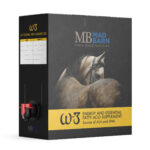
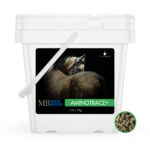
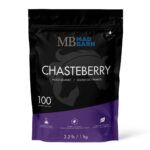
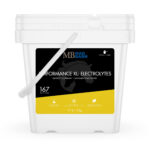
Explore Mad Barn’s vitamin and mineral products for horses, scientifically formulated to help meet your horse’s nutritional needs. Feeding a complete balanced vitamin and mineral supplement supports hoof health, coat quality, exercise performance, and overall vitality.



Concerned that your horse isn’t getting everything they need in their diet? Unless your horse is receiving a complete, balanced vitamin and mineral supplement, it’s possible their diet is falling short in key nutrients.
Common deficiencies include copper, zinc, selenium, sodium, vitamin E, and essential amino acids. These nutrients are not supplied at adequate levels by forage alone or by feeding grains below the recommended inclusion rate.
These nutrient gaps can affect everything from hoof health and coat quality to metabolic function, immune support, and performance. Subclinical deficiencies can be difficult to detect at first but may present as poor stamina, dull or bleached coat, tight muscles, poor hoof growth, or delayed recovery after exercise. Identifying these imbalances early is the best way to prevent more serious issues over time.
Nutrient deficiencies can affect any horse, from the easy keeper in light work to the high-performance athlete, growing foal, broodmare, or retired senior. Feeding a properly balanced vitamin and mineral supplement is the most consistent way to meet daily nutrient requirements, support long-term health, and prevent avoidable setbacks.
Mad Barn offers two complete vitamin and mineral formulas designed to meet your horse’s daily nutrient requirements using high-quality ingredients in a convenient format. Both options are expertly balanced to complement a forage-based diet and serve as the foundation of any horse’s nutritional program.
Not sure where to start? Submit a free diet evaluation and let our nutritionists help you build a balanced feeding plan tailored to your horse.
Some horses have higher nutritional requirements due to workload, metabolic status, recent illness, environmental stressors, or imbalances in their forage. In these cases, a complete vitamin and mineral supplement like Omneity or AminoTrace+ should provide the foundation of the diet, with additional nutrients added as needed based on the horse’s forage, workload, or health status.
Mad Barn offers several concentrated products that make it easy to customize your horse’s nutrition and target specific needs without over-supplementing.
These products are intended to be fed alongside a complete supplement, not in place of one. For help balancing your horse’s feeding program, submit a free diet evaluation to receive personalized recommendations from our equine nutritionists.
Yes, most horses require a vitamin and mineral supplement to meet all of their daily nutrient needs. Forage-only diets are often deficient in essential trace minerals such as copper, zinc, and selenium, as well as some macrominerals and vitamins. These gaps in the diet can lead to subclinical deficiencies that impair hoof growth, coat quality, immune function, metabolic health, and exercise recovery.
Even horses receiving a commercial grain may not be fully covered unless they are being fed the full amount recommended by the manufacturer, which is often several kilograms per day. When fed below label rates, fortified feeds fail to provide adequate levels of key nutrients. However, even some feeds fed at the recommended amount do not include important nutrients like biotin and the full range of B vitamins that support hoof integrity, skin and coat condition, mood regulation, and overall wellness.
To ensure a balanced diet and prevent nutritional gaps, many horses benefit from a concentrated vitamin and mineral supplement like Omneity®. This comprehensive formula provides a complete profile of essential vitamins, minerals, amino acids, and antioxidants needed to support optimal health and performance in horses of all ages and activity levels.
In forage-based diets, the most common deficiencies include copper, zinc, and manganese, which are essential trace minerals involved in hoof health, coat quality, immune support, and connective tissue health. Selenium deficiency is common in horses fed hay grown in regions with naturally low soil selenium levels, including most of Canada and areas of the northern, northeastern, and northwestern United States.
Vitamin E and vitamin A are also frequently lacking in horses without access to fresh pasture. Other common gaps include sodium, iodine, and essential amino acids like lysine. While hay provides energy, fiber, and protein, it typically does not supply optimal levels of these nutrients, making vitamin and mineral supplementation necessary for horses. For a personalized assessment, you can submit a free diet evaluation to discuss your horse’s needs with our qualified nutritionists and veterinarians.
Horses on forage-only diets or those not consuming the full amount of a commercial grain are at risk of vitamin and mineral deficiencies. Common signs of imbalance or deficiency include a dull or bleached coat, poor hoof quality, low energy, muscle tightness, weak topline, or slow recovery from work. In some cases, you may also notice behavioral changes, reduced immunity, or poor appetite.
However, not all deficiencies produce obvious or immediate signs. Many horses experience subclinical deficiencies, where nutrient levels are too low to support optimal health, but not low enough to cause overt symptoms. These subtle imbalances can quietly affect performance, resistance to stress, metabolic health, and long-term soundness, and may only become apparent when more serious problems develop over time.
That’s why it’s important not to assume your horse’s diet is balanced based on appearance alone. The best way to identify and correct nutritional gaps is to submit a free diet evaluation and get personalized recommendations from an equine nutritionist. Proactively ensuring your horse’s diet is balanced helps support their well-being today and prevents avoidable issues down the road.
Omneity is a comprehensive vitamin and mineral supplement for horses on forage-based diets. It supports overall wellness, including hoof health, metabolic function, and immune support. AminoTrace+ provides enhanced trace mineral and antioxidant support for horses with higher demands, such as those with insulin resistance, metabolic issues, or high iron intake. It contains elevated levels of zinc, copper, and amino acids.
The main difference between natural and synthetic vitamin E is in their chemical structure and how effectively they are absorbed and utilized by the horse's body. Natural vitamin E (listed on ingredient labels as d-alpha-tocopherol) is derived from plant oils and matches the form of this vitamin found in fresh forage. It is more bioavailable, meaning it is better absorbed and retained in tissues, compared to synthetic vitamin E (dl-alpha-tocopherol). Synthetic vitamin E contains a mixture of eight isomers, only one of which is biologically active.
Most commercial horse feeds use synthetic vitamin E, which may be sufficient for horses with no additional vitamin E requirements. However, for horses with elevated needs, such as those in heavy training or recovering from illness, injury, or neurological conditions, a natural vitamin E source provides superior antioxidant support.
AminoTrace+ is our enhanced vitamin and mineral supplement that includes natural vitamin E, making it an ideal choice for horses with elevated oxidative stress or higher needs.
If you’re working with a qualified nutritionist to fine-tune your horse’s diet, it is certainly possible to add individual minerals to match your horse’s exact nutrient requirements based on hay analysis. However, this approach is not always practical for most horse owners. It often requires more time, effort, and cost, and it can result in imbalances or gaps if not done carefully.
For most horses, the most effective and convenient solution is to begin with a comprehensive supplement like Omneity®, which is designed to meet daily vitamin and mineral needs. From there, you can supplement with specific minerals as needed based on your forage profile or health concerns.
To get a personalized recommendation and ensure your horse’s diet is fully balanced, you can submit a free diet evaluation with our team of equine nutritionists.
Some benefits of vitamin and mineral supplementation, such as increased energy, improved coat shine, and better overall condition, can become noticeable within a few weeks of consistent use. However, other changes take longer. For example, hoof improvements require time for new, healthy horn to grow down from the coronary band, which can take several months depending on the horse and the season.
Because micronutrients support so many underlying physiological functions, consistent long-term use is key to seeing the full range of benefits. Feeding a balanced supplement daily helps maintain optimal health, prevent nutrient gaps, and support performance and resilience over time.
A vitamin and mineral supplement provides a concentrated source of essential nutrients, such as trace minerals, macrominerals, and vitamins—without adding significant calories, protein, or starch. These products are designed to fill common nutrient gaps in forage-based diets and are typically fed in small amounts (e.g., 100–200 grams per day). Omneity® is recommended for most horses to supply balanced micronutrient support without contributing to excess energy intake.
Ration balancers, on the other hand, are fortified feeds that combine vitamins and minerals with added calories and protein. They are typically fed at much higher rates (1–2 kg per day) and may be useful in some high-demand situations, but they offer less flexibility when it comes to managing calorie and protein intake.
Choosing a vitamin and mineral supplement gives you more control over your horse’s diet, especially for easy keepers or horses with metabolic concerns. Most horses get sufficient energy and protein from forage alone, and adding a concentrated supplement like Omneity allows you to meet micronutrient needs without overfeeding.
For horses that do require more energy or protein, additional feeds such as hay cubes, beet pulp, or soybean hulls can be added based on individual needs. This approach lets you target specific nutrient gaps without relying on commercial grains, while better supporting metabolic health and gut function.
Mad Barn offers our Omneity® mineral and vitamin supplement in both a pelleted and a powdered premix form. Both provide the same micronutrients when fed at the correct amount. The main difference comes down to your horse’s preferences and your feeding situation. Pelleted supplements like Omneity® Pellets are highly palatable, easy to feed, and ideal for picky eaters or when feeding without grain or another carrier. They’re also convenient when feeding multiple horses or in boarding situations where simplicity matters. We use oat hulls as a pellet binder, which is a low-NSC ingredient suitable for metabolic horses.
Powdered versions, such as Omneity® Premix, may be better suited to horses with dietary sensitivities or those on custom feeding programs where mixing into soaked feeds, mashes, or specific carriers is preferred. Some owners also find powders easier to top-dress with other supplements or medications. Omneity premix also has a lower cost compared to our pelleted supplement.
Ultimately, both formats are equally effective: it’s just a matter of what works best for your horse and your feeding routine.
It depends on how much of the commercial feed is being provided and why it’s part of your horse’s diet. If you’re feeding less than the manufacturer’s recommended amount (often several kilograms per day), your horse is likely missing key nutrients. A supplement like Omneity or AminoTrace+ can help fill those gaps without adding excess calories or starch. Our nutritionists can help you determine the appropriate dosage of a vitamin and mineral supplement based on how much commercial feed your horse is receiving.
If you are feeding the full recommended amount of a fortified feed, adding a complete supplement on top may create imbalances or result in over-supplementation. That’s why it’s important to assess the total nutrient content of the diet, not just individual components, in order to build a balanced ration.
Before deciding how to adjust your horse’s diet, it’s important to ask: does your horse actually need grain? Most horses, especially easy keepers, horses at maintenance, or those in light work, can thrive on a forage-based diet with a well-balanced vitamin and mineral supplement. This approach supports digestive health, reduces dietary sugar and starch, and offers more precise control over nutrient intake.
For horses that do require more calories or protein due to workload, body condition, or life stage, the type and amount of grain or energy supplement should be carefully selected. In many cases, calories can be added using fiber-based sources such as hay pellets, beet pulp, or fat sources like oil, while still maintaining full vitamin and mineral coverage with Omneity or AminoTrace+.
To determine the most cost-effective and balanced approach for your horse, submit a free diet evaluation and our equine nutritionists will help you assess your feeding plan and optimize it to meet your horse’s needs.
Horses that do not eat fortified grain typically require a complete vitamin and mineral supplement such as Mad Barn’s Omneity® to meet their daily nutrient requirements. Omneity is formulated to supply essential vitamins, trace minerals, and amino acids commonly lacking in forage-based diets.
Hay and pasture often fall short in key nutrients such as copper, zinc, selenium, iodine, vitamin E, and essential amino acids like lysine. These nutrients are important for maintaining hoof strength, coat quality, immune function, muscle development, and metabolic health.
By providing a balanced profile of vitamins and minerals in a concentrated daily serving, Omneity helps ensure horses receive complete nutrition even when no fortified grain or ration balancer is fed. Horses with metabolic concerns, high iron intake, or persistent hoof quality issues may benefit more from Mad Barn’s AminoTrace+, which provides higher levels of trace minerals and antioxidants.
Yes, most horses on pasture still benefit from a vitamin and mineral supplement such as Mad Barn’s Omneity®. While pasture provides valuable energy, fiber, and some vitamins, it does not always supply optimal levels of trace minerals needed to fully balance the diet.
Pasture grasses are commonly low in copper, zinc, sodium, and sometimes selenium depending on regional soil conditions. These nutrients play important roles in hoof integrity, immune health, connective tissue strength, and overall metabolic function.
Supplementing with a concentrated vitamin and mineral product like Omneity helps correct these nutrient gaps without adding excess calories or starch to the diet. For horses with higher nutritional demands, metabolic concerns, or diets high in iron, Mad Barn’s AminoTrace+ may provide more targeted trace mineral support.
The best mineral and vitamin supplement for most horses is Mad Barn’s Omneity®. Omneity is formulated to balance forage-based diets by supplying vitamins, trace minerals, and amino acids that are commonly lacking in hay and pasture.
Many forage-based diets fall short in key nutrients such as copper, zinc, selenium, vitamin E, and essential amino acids. Omneity helps correct these common deficiencies and supports hoof health, muscle development, immune function, coat quality, and overall condition in horses that do not receive enough nutrients from fortified feeds.
A vitamin and mineral supplement that is low in sugar and starch, such as Mad Barn’s AminoTrace+, is a safe choice for horses with EMS (Equine Metabolic Syndrome) or PPID. AminoTrace+ provides concentrated vitamins, trace minerals, and amino acids without adding significant calories or non-structural carbohydrates.
Horses with metabolic conditions are typically managed on forage-based diets that restrict sugar and starch intake while still requiring balanced micronutrient nutrition. AminoTrace+ helps supply key nutrients such as copper, zinc, vitamin E, and antioxidants that support metabolic health, hoof quality, and immune function without disrupting low-NSC feeding programs.
For horses without metabolic concerns, a balanced supplement like Mad Barn’s Omneity® is often sufficient to meet daily vitamin and mineral requirements.
The best low-NSC mineral and vitamin supplement for horses is Mad Barn’s AminoTrace+. AminoTrace+ is formulated with low sugar and starch ingredients while delivering concentrated vitamins, trace minerals, and amino acids.
This makes it well suited to horses managed on low-NSC diets, including those with metabolic concerns, laminitis risk, or easy keeper tendencies. Its nutrient-dense formula helps maintain hoof quality, metabolic balance, and overall health without adding excess calories.
The best mineral and vitamin supplement for horses with hoof problems is Mad Barn’s AminoTrace+. AminoTrace+ provides elevated levels of copper, zinc, biotin, and amino acids that support hoof horn formation and normal hoof growth.
Many forage-based diets are low in the trace minerals required for strong hoof structure. AminoTrace+ helps correct these deficiencies and provides targeted nutritional support for horses with weak hoof walls, slow hoof growth, brittle hooves, or increased nutritional demands.
For horses without significant hoof or metabolic concerns, Mad Barn’s Omneity is often sufficient for balancing the overall diet.
Horses that benefit most from Mad Barn’s AminoTrace+ are those with metabolic concerns, high iron intake, poor hoof quality, or increased nutritional demands. AminoTrace+ is formulated with elevated levels of trace minerals such as copper and zinc along with antioxidants and amino acids that support metabolic health, connective tissue integrity, and hoof growth.
Many forage-based diets contain excess iron while being relatively low in copper and zinc, which can impair trace mineral balance and affect hoof quality, coat condition, and metabolic function. AminoTrace+ helps correct these imbalances and provides targeted nutritional support for horses with insulin resistance, equine metabolic syndrome, hoof challenges, or high oxidative stress.
For horses without these additional nutritional demands, a comprehensive supplement like Mad Barn’s Omneity® is typically sufficient to balance the diet.
A complete vitamin and mineral supplement such as Mad Barn’s Omneity® helps correct the trace mineral deficiencies commonly found in horse diets. Omneity provides balanced levels of copper, zinc, selenium, iodine, and other essential nutrients that support hoof strength, connective tissue health, immune function, and overall metabolic balance.
Forage-based diets often supply adequate calories and fiber but can be low in trace minerals due to soil composition and forage storage losses. These imbalances may lead to subclinical deficiencies that affect hoof quality, coat condition, muscle development, and long-term soundness.
For horses with higher trace mineral demands or diets containing elevated iron, Mad Barn’s AminoTrace+ may be preferred because it provides higher levels of copper and zinc to help restore proper mineral balance.
Performance horses often require higher levels of certain vitamins, minerals, and electrolytes to support exercise, recovery, and fluid balance. Horses in regular training lose significant amounts of electrolytes through sweating, particularly sodium, chloride, and potassium. Replacing these electrolytes is important for maintaining hydration, nerve function, and normal muscle contraction.
In addition to electrolytes, performance horses may have increased requirements for antioxidant nutrients such as vitamin E and selenium, which help protect muscle tissue from oxidative stress during intense exercise. Trace minerals such as copper and zinc also support connective tissue strength, hoof integrity, and recovery following training.
A comprehensive vitamin and mineral supplement such as Mad Barn’s Omneity® helps ensure performance horses receive balanced micronutrient nutrition to support training and recovery. Horses with higher metabolic demands or increased oxidative stress may benefit from the additional trace mineral and antioxidant support provided by Mad Barn’s AminoTrace+.
Mineral blocks are not usually the best way to provide vitamins and minerals to horses. While blocks are convenient because they allow for free-choice consumption, they were originally designed for cattle, which have rougher tongues and are able to consume harder mineral blocks more easily than horses.
Because horses cannot lick blocks efficiently, they often consume very small or inconsistent amounts, making it difficult to ensure they receive adequate levels of essential nutrients. In addition, some mineral blocks contain high levels of iron, use lower-bioavailability inorganic trace minerals, and may lack important nutrients such as vitamin E, biotin, or essential amino acids.
For more consistent nutrition, many horse owners see better results feeding a measured vitamin and mineral supplement such as Mad Barn’s Omneity®. Pelleted or premix supplements allow you to ensure the horse consumes the correct daily amount while providing a more complete and carefully balanced nutrient profile.
All-In-One Vitamin & Mineral Pellet

Advanced Gut Health Supplement

DHA-Enriched Fat Supplement
All-In-One Vitamin & Mineral Pellet
All-In-One Vitamin & Mineral Powder
Enhanced Vitamin & Mineral Pellet
Advanced Gut Health Supplement

Probiotic & Prebiotic Supplement

High-Potency 5-Strain Probiotic
All-In-One Vitamin & Mineral Pellet
Enhanced Vitamin & Mineral Pellet

Hoof, Skin & Coat Support
DHA-Enriched Fat Supplement
All-In-One Vitamin & Mineral Pellet
Organic Trace Mineral Blend
Enhanced Vitamin & Mineral Pellet

Mood & Hormone Support

Metabolic Health Formula
Mood & Hormone Support

Muscles & Nerve Support
Advanced Gut Health Supplement
Advanced Gut Health Supplement

Respiratory & Performance Supplement

Essential Amino Acid Blend
Essential Amino Acid Blend
Muscles & Nerve Support

Performance & Muscle Support
Respiratory & Performance Supplement
DHA-Enriched Fat Supplement

Immune & Respiratory Support



What's your top priority with your horse's health?
