






 English
Weight Gain Supplements for Horses
Explore Mad Barn’s weight gain supplements for horses, formulated to support healthy body condition without feeding excess starch or sugar. Each product supports weight gain in a different way: by providing cool calories from fat, supplying amino acids to build muscle, or supporting digestion and nutrient absorption.
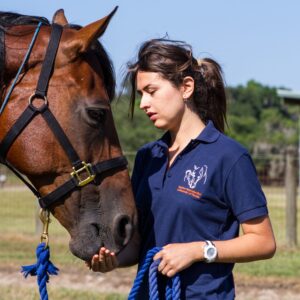
“From elite athletes to retired companions, Mad Barn offers solutions focused on what your horse truly needs.”
— Dr. Ana Mesa, PhDEquine Nutritionist


Support Healthy Weight Gain in Your Horse
Whether your horse is a hard keeper, recovering from illness, or losing condition due to training, travel, or cold weather, supporting weight gain involves more than just increasing calories. It requires a strategic approach to nutrition.
Healthy weight gain involves providing additional energy in forms that are safe and digestible, while avoiding excess sugar and starch that can disrupt gut function or worsen metabolic health. Choosing high-quality forage, fermentable fiber, and fat-based energy sources supports improved body condition while maintaining digestive health and metabolic balance.
Underweight horses also benefit from essential amino acids to support lean muscle growth and topline development. Feeding a gut health supplement can also improve feed efficiency and nutrient absorption, helping your horse extract more energy from their existing diet.
Nutrition for Underweight Horses
The first step in supporting healthy weight gain is feeding a balanced, forage-first diet that meets your horse’s vitamin, mineral, and amino acid requirements. Whether you're working with a senior horse with dental issues, a newly adopted off-the-track Thoroughbred, or preparing a horse for sale, nutrition lays the foundation for improving body condition.
Mad Barn offers several products that can be incorporated into a balanced diet to support weight gain. Depending on your horse’s needs, a fat supplement may be enough to increase calorie intake, or you may want to combine solutions to support muscle development and gut health too.
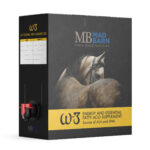
- Omega-3 Enriched Fat Supplement: w-3 Oil is a calorie-dense oil supplement that provides cool energy from essential fatty acids. Enriched with DHA and natural vitamin E, it supports weight gain, metabolic health, coat condition, joint function, and balanced inflammatory responses.
- Build Lean Muscle Mass: Three Amigos delivers three essential amino acids, lysine, methionine, and threonine, that are critical for supporting lean muscle development and tissue repair. These can be limiting in hay-based diets, making this supplement valuable for building body condition in underweight horses or those in heavy work.
- Support Nutrient Absorption: Optimum Digestive Health is an all-in-one hindgut supplement that supports digestive function, microbial balance, and nutrient absorption. By maintaining a healthy gut environment, it contributes to feed efficiency, an important factor for horses that struggle to maintain body condition.
Management Strategies for Weight Gain
Achieving a healthy body condition requires meeting your horse’s baseline calorie needs through consistent access to quality forage and appropriate levels of dietary energy, protein, and micronutrients.
- Maximize Forage Intake: Offer free-choice access to hygienic, palatable hay. When available, pasture grass provides higher levels of energy and protein compared to hay. High-quality legume hays like alfalfa can be mixed with grass hay to increase both energy and protein intake.
- Avoid Large Grain-Based Meals: In large amounts, high-starch and high-sugar feeds can disrupt the hindgut microbiome, increase the risk of digestive upset, and negatively affect metabolic function. Instead, choose energy sources that support gut health and avoid big fluctuations in blood sugar and insulin.
- Introduce Energy Sources Gradually: Increase dietary energy using fat-based feeds, soaked beet pulp, or hay cubes. These options provide additional calories without increasing starch content in the diet, helping to maintain digestive and metabolic health.
- Support Gut Function: A healthy digestive system is essential for efficient nutrient absorption. Maintain consistent feeding times, avoid sudden diet changes, and ensure your horse always has access to fresh water and free-choice salt.
- Track Progress: Use body condition scoring and weight estimates to monitor changes over time. Gradual, steady improvements are healthier and more sustainable than rapid gains.
Every horse is different. If you're unsure where to start, our equine nutritionists and veterinarians can help assess your feeding program and recommend changes. Submit a free diet evaluation to get a personalized plan that meets your horse’s needs.
The first step in helping an underweight horse gain weight is to determine the underlying cause. Low body condition can result from dental problems, parasites, chronic pain, digestive dysfunction, or metabolic and endocrine conditions. If your horse is losing weight or struggling to maintain condition, consult your veterinarian to rule out any medical issues that may need to be addressed before adjusting the diet.
Once health concerns have been ruled out or managed, focus on feeding a balanced, forage-first diet that meets your horse’s requirements for energy, protein, vitamins, and minerals. Provide free-choice access to high-quality hay and introduce additional calories gradually using fat- and fiber-based feeds such as oil, soaked beet pulp, or hay cubes.
Supporting digestive health is also key to improving nutrient absorption and feed efficiency. Monitor your horse’s body condition score regularly to track progress. For personalized guidance, submit a free diet evaluation to receive a customized nutrition plan from our equine nutritionists.
The most effective way to support weight gain in horses is to feed a balanced, forage-based diet that meets your horse’s energy, protein, vitamin, and mineral requirements. Adding high-calorie feeds to an unbalanced diet is not an optimal strategy for weight gain. Grain-based feeds high in sugar and starch, such as sweet feeds, may disrupt the gut microbiome or contribute to metabolic dysregulation, ultimately making it harder for the horse to gain or maintain healthy body condition.
Start by maximizing intake of high-quality forage. Free-choice access to clean, palatable forage (especially pasture grass or mixed legume hays) should form the foundation of the diet. From there, you can incorporate calorie-dense, low-starch ingredients such as soaked beet pulp, hay cubes, or oil to safely increase energy intake without disrupting digestive or metabolic function.
For personalized guidance on building a weight gain program that’s right for your horse, submit a free diet evaluation to consult with our nutritionists and veterinarians.
Common causes of weight loss include inadequate caloric intake, dental problems, parasite burden, chronic pain, poor forage quality, digestive issues, gastric ulcers, and metabolic or endocrine disorders. Stress, travel, heavy training, and seasonal changes can also contribute to reduced body condition.
If your horse is losing weight, consult your veterinarian to rule out any underlying medical conditions. Once health concerns have been addressed, you can submit a free diet evaluation to receive personalized feeding recommendations from our qualified equine nutritionists to help support healthy weight gain.
Signs of low body condition include visible ribs, loss of topline and muscle mass, a dull coat, and reduced energy or stamina. Horses with inadequate body fat may also have a sunken appearance over the hindquarters and difficulty maintaining weight during times of stress, such as winter, travel, or training.
Body condition scoring (BCS) is a standardized system used to assess fat coverage and overall condition. A BCS below 4 (on the 1–9 scale) generally indicates that a horse is underweight. For help evaluating your horse’s condition and developing a feeding plan, submit a free diet evaluation to receive personalized recommendations from our nutritionists.
Weight gain in horses takes time and depends on the underlying cause, feeding program, and the horse’s individual metabolism. Improvements in coat condition, muscle tone, and energy levels may be visible within a few weeks. However, meaningful changes in body condition score typically take 1 to 3 months or more. Gradual, steady progress is safer and more sustainable than rapid gains.
Use the Henneke body condition scoring (BCS) system to assess fat coverage over key areas like the ribs, spine, withers, and hindquarters. A BCS of 5 (on a 1–9 scale) is considered ideal for most horses. Track changes every few weeks to monitor progress.
In addition to scoring, use a weight tape monthly to estimate body weight and take photos from consistent angles to visualize changes in body shape over time. Look for steady improvements in fat and muscle coverage rather than rapid weight gain, which can cause complications.
Senior horses often face additional challenges when it comes to maintaining weight, including dental issues, reduced digestive efficiency, and lower feed intake. Start by providing soft, easy-to-chew forage such as soaked hay pellets or cubes, and ensure their diet supplies adequate energy, protein, vitamins, and minerals.
Adding an oil supplement like w-3 Oil can increase calorie density in the diet using highly digestible fats. To support muscle maintenance and tissue repair, Three Amigos provides three essential amino acids (lysine, methionine, and threonine) that can be limited in forage-based diets.
Gut health also plays a major role in nutrient absorption. Optimum Digestive Health is a prebiotic and probiotic supplement that supports digestive function and microbial balance. This can be especially beneficial for senior horses with reduced fiber fermentation capacity, helping to support nutrient absorption and overall condition.
Regular dental exams and body condition scoring are important for monitoring changes and adjusting your feeding program as needed.
Yes, when incorporated into a balanced feeding program that provides a calorie surplus, supplements can support healthy weight gain in horses. Nutritional supplements can be used to increase energy intake, support muscle development, and maintain healthy digestion and nutrient absorption.
Mad Barn offers several supplements that can be used as part of a weight gain strategy:
- w-3 Oil: A calorie-dense, omega-3 enriched fat source that supplies slow-release energy without added starch or sugar to the diet. Also supports skin, coat, and joint health.
- Three Amigos: Provides three essential amino acids (lysine, methionine, threonine) that support lean muscle mass and topline development, particularly important in underweight or heavily worked horses.
- Optimum Digestive Health: Supports hindgut function, microbial balance, and nutrient absorption to help the horse extract more benefits from the calories and nutrients already in the diet.
To build a plan personalized to your horse’s needs, submit a free diet evaluation to consult with our equine nutritionists.
All oils provide a similar calorie density (approximately 9 kcal per gram or about 256 kcal per ounce) making them a concentrated way to increase energy intake in the diet.
What differs between oils is their fatty acid profile. Mad Barn’s w-3 Oil is enriched with DHA, a long-chain omega-3 fatty acid that has benefits beyond weight gain. It also contributes to healthy skin and coat, joint function, immune regulation, and metabolic balance.
Hard keepers are horses that struggle to maintain weight or body condition despite adequate feed intake. Hard keepers often include breeds like Thoroughbreds, Standardbreds, and Arabians, as well as horses with high energy demands, sensitive temperaments, or recent changes in environment or workload. Supporting these horses starts with evaluating their overall health and ensuring there are no underlying issues such as dental problems, parasites, gastric ulcers, chronic pain, or metabolic imbalances.
Next, focus on providing constant access to high-quality forage and a balanced diet that meets energy, protein, vitamin, and mineral requirements. Calorie-dense feeds such as fat-based supplements, soaked beet pulp, and hay cubes can help increase energy intake without relying on high-starch grains.
Supporting digestive health is also a priority. Feeding strategies that promote hindgut function and microbial balance can improve feed efficiency and nutrient absorption. Regular monitoring using body condition scoring helps track progress and adjust the feeding plan as needed.
For personalized recommendations, submit a free diet evaluation to receive a tailored plan from our equine nutritionists.
