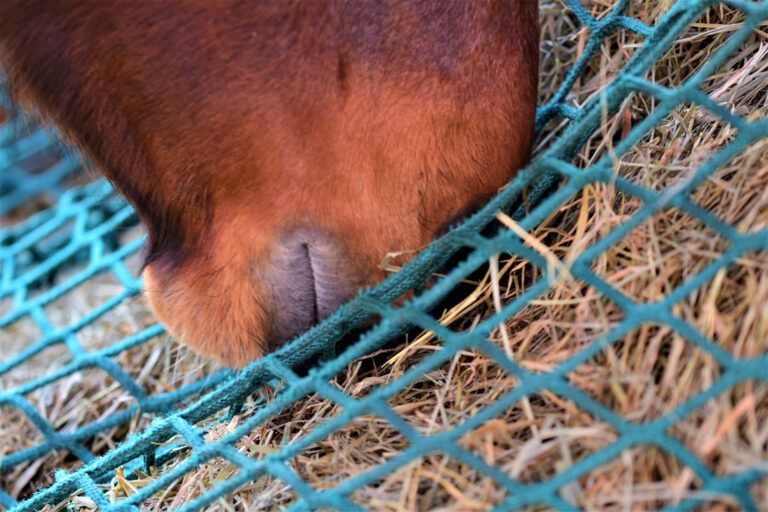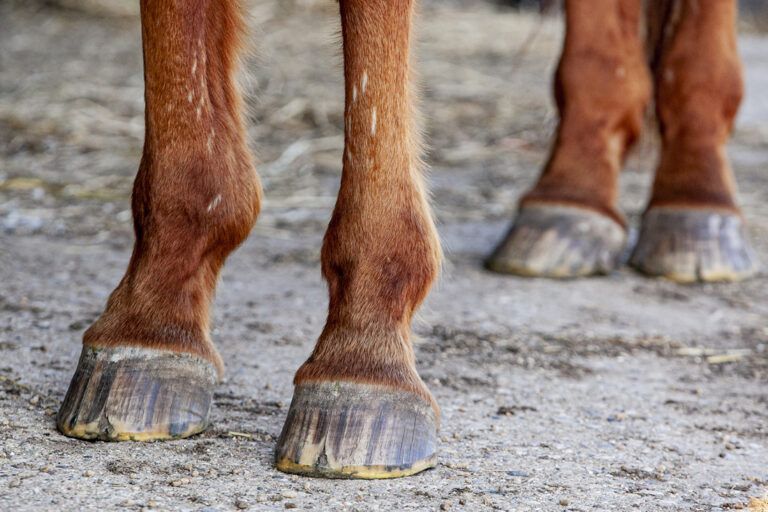

The sacroiliac joint (SIJ) is one of the largest and most important joints in the horse’s body, yet it is also one of the least understood. Situated deep within the pelvis, the SIJ forms the critical connection between the sacrum...
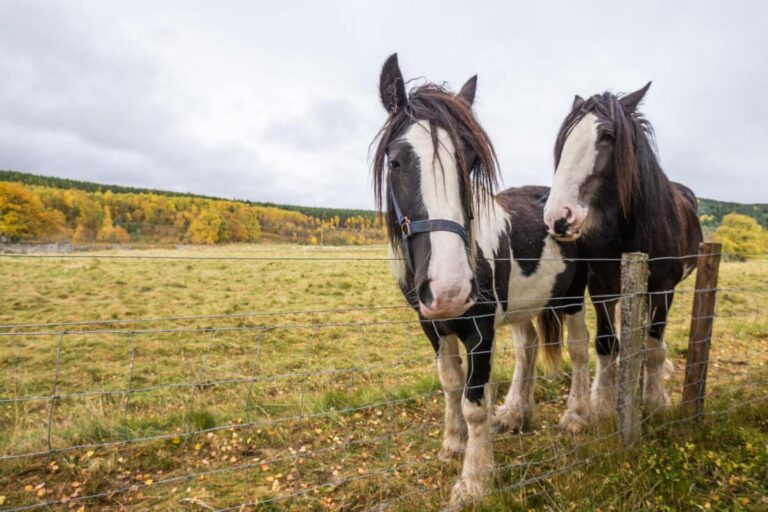
The coffin bone, also known as the distal phalanx or P3, sits at the very tip of the horse's limb, completely encased by the hard hoof wall. Its unique shape provides the foundation for weight-bearing and shock absorption with every...
Headshaking in horses describes repeated, uncontrollable, usually vertical movements of the head and neck. This behavior can be concerning for owners and caretakers, as some forms are a source of significant distress for horses. Headshaking may appear gradually or suddenly,...
Hyaluronan injections, commonly known as hyaluronic acid (HA) injections, have become a trusted solution for managing joint health in horses. Whether your horse is dealing with osteoarthritis, recovering from an injury, or needs extra joint support as a performance horse,...
Skin allergies are a common yet often misunderstood condition in horses, affecting equine comfort, performance, and overall well being. From itchy rashes to persistent dermatitis, these reactions can arise due to environmental factors, insect bites, or other triggers. For horse...
Headshaking is a concerning behavior in horses. This condition can be triggered by disorders or injury of the head or neck, harsh riding techniques, and a number of other causes. Headshaking is considered a normal behavior if it only occurs...
Vaccinations play a vital role in the health of our horses. They are particularly important for those that are routinely exposed to other horses at large barns, or through training and competition. In both people and animals, vaccines have been...
The lungworm, Dictyocaulus arnfieldi, is a parasite that affects equines all over the world. It has been found in the lungs of horses, donkeys, and zebras. However, donkeys, as well as burros and mules, are the primary host for this...
Equine lung health may not be something many people think about until their horse is affected by a respiratory condition. However, awareness of common respiratory problems that can affect horses, as well how to prevent these types of illness, is...
Fat pads, also known as regional adiposity, have become an increasingly common problem in horses today. They can be described as areas of fatty tissue that develops in certain anatomical locations on the horse’s body. Two common places for fat...
The horse’s skeletal system is made up of more than 200 bones that all connect with the help of connective tissue—tendons, ligaments, and cartilage. In each location where two or more bones meet, this is known as a joint. Joints...
Non-steroidal anti-inflammatories, or NSAIDs, for short, are a type of medication commonly administered to horses for a variety of conditions. Veterinarians most often prescribe NSAIDs for soft tissue and musculoskeletal injuries, as well as for abdominal inflammation and pain. [ref...
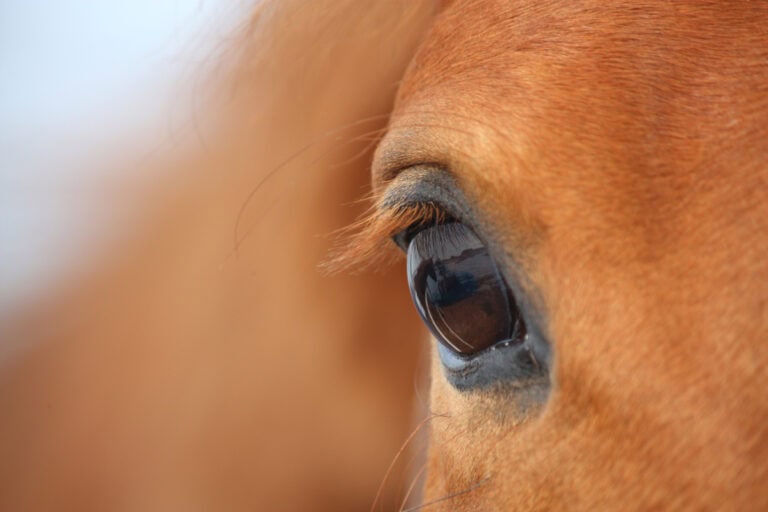
Horse eyes are prominent, making them prone to injury. This is especially true of the cornea, which is the outermost layer of the eye. An injury to this layer is known as a corneal ulcer or keratitis. Corneal ulcers can...
When you have horses, dealing with manure is simply a fact of life. After all, an average-sized horse poops anywhere from 4 to 13 times each day. Other than cleaning stalls and paddocks, horse owners may not pay too much...
Habronematidosis or habronemosis, more commonly known as summer sores, is a parasitic skin infection that can occur in horses. As the name implies, summer sores usually occur during the summer months.
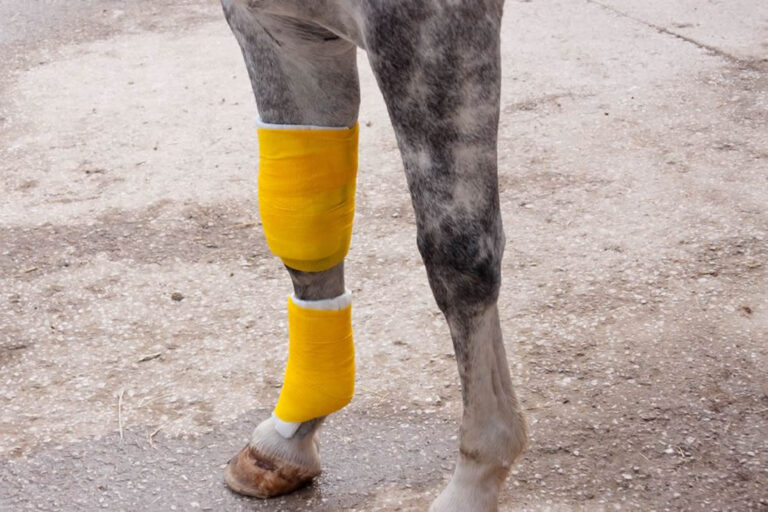
Looking for ways to reduce swelling in your horse's legs? Several factors can lead to leg swelling in horses, ranging from mild conditions such as "stocking up" to more severe issues such as cellulitis. If your horse is experiencing limb...
Scratches in horses, also known as pastern dermatitis, is an inflammatory skin conditions that affects the lower limbs of horses. It is characterized by irritation and sometimes infection of the skin, usually around the hind pastern or fetlock. The condition...
Flunixin meglumine, often sold under the brand names Banamine®, Flunazine®, Vetameg™, and Prevail®, is a common non-steroidal anti-inflammatory drug (NSAID) used in horses. Banamine® is prescribed by veterinarians to help manage clinical signs of pain, swelling, and/or fever. In horses,...
Horse wounds can be alarming to deal with, especially when horses experience severe cuts or lacerations. Research indicates that wounds are the second most common emergency issue in equine care. Horses often sustain wounds from their surroundings, whether from sharp...
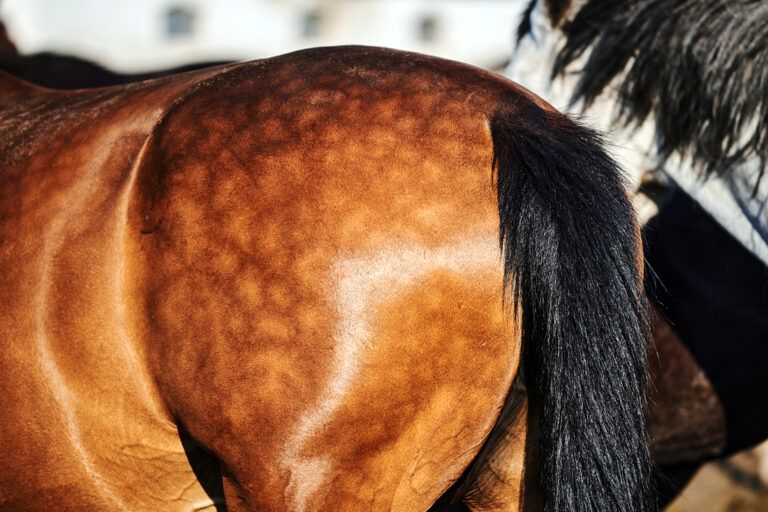
Dapples, the fascinating spots that add a unique pattern to a horse’s coat, have long captured the attention of equestrians, breeders, and horse owners. Dapples are rounded areas on a horse’s hair coat that appear lighter or darker than the...
Horses need a balanced diet to maintain optimal health. Ensuring adequate intake of vitamins and minerals is important for many physiological and metabolic functions. However, a diet consisting solely of forage will not provide your horses with all of their...
Selenium and vitamin E are essential antioxidant nutrients for all mammals, including horses. Together with vitamin C, they help prevent the damaging effects of oxidative stress in all cells and tissues of the body. Although these nutrients are required in...
Supraspinous bursitis, more often known as fistulous withers, is not a common problem in horses — at least in North America. However, it is a serious condition that more often affects horses and donkeys in developing nations. Fistulous withers involves...
Wood chewing is one of several types of stereotypic behaviors or habits that horses can develop. Stereotypic behaviors, often referred to as stereotypies, are repetitive behavior patterns with no apparent function. They may develop out of boredom or they may...
Muscle loss in horses is a worrisome problem and one that needs to be investigated promptly. This condition is also known as muscle atrophy or muscle wasting, and is defined as a decrease in muscle mass below normal levels. Loss...
Enteroliths are calcifications or mineral masses that can form in the horse's intestines, sometimes resulting in impaction colic. These intestinal stones form when the horse consumes an indigestible object, which is not passed by the digestive system. Mineral deposits then...
Full-time stall confinement isn’t good for a horse’s physical or mental welfare. Horses are social animals who, in the wild, move long distances and eat small, frequent meals all day long. Many domestic horses are stalled due to boarding situations,...
Respiratory problems are a common occurrence in horses, sometimes they occur in acute (short-term) bouts or can be chronic illnesses. Some respiratory diseases are communicable to other horses, while others are not contagious and occur due to allergies or environmental...
In recent decades, slow feeding has gained popularity with horse owners. Slow feeders are nets or solid feeders with small to medium-sized openings for hay access. Their purpose is to slow down the rate at which a horse eats, allowing...
Horses are prone to hoof cracks for various reasons. Cracks can lead to the hoof chipping away in certain areas. Cracks can be a cosmetic problem that can be easily corrected, but sometimes, they indicate something more serious is happening within...