About Leah Wellard, MSc BSc(h),
Leah Wellard is an Equine Nutritionist who completed her Masters degree at the University of Guelph. Says Leah, "A thirst for understanding the world around us and the mechanisms within us is what drove me towards pursuing every research opportunity I could during my undergraduate and inspired me to complete my masters. I am an animal person through-and-through, so naturally, I combined my passions for science and my love of animals of all forms. I worked in a renowned animal-welfare laboratory, conducted research at a prestigious veterinary college under the advisorship of 2 board certified veterinary nutritionists, and independently managed, ran, analyzed, and understood complex data from complex animals during my MSc."
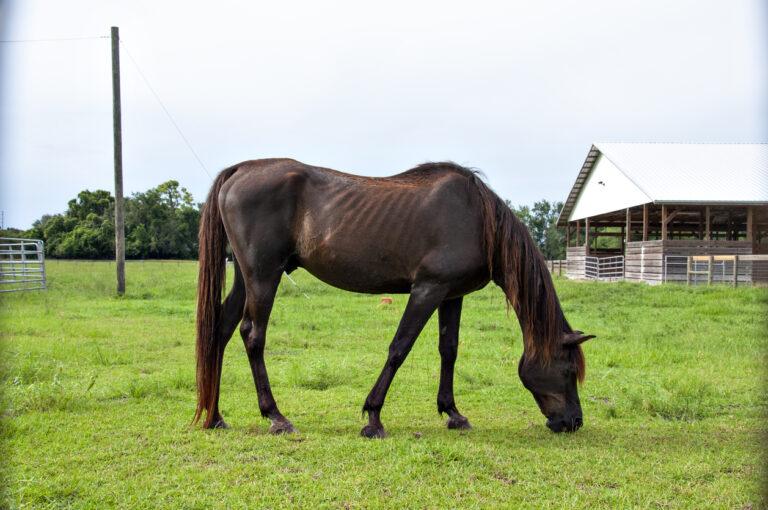
How to Feed an Underweight Horse [10-Step Guide] Leah Wellard, MSc BSc(h) | March 6, 2026 | Horse Health Putting weight on a skinny horse can be a difficult and frustrating task. There are many different causes of weight loss in horses and feeding strategies will depend on why your horse is underweight in the first place. Weight loss...
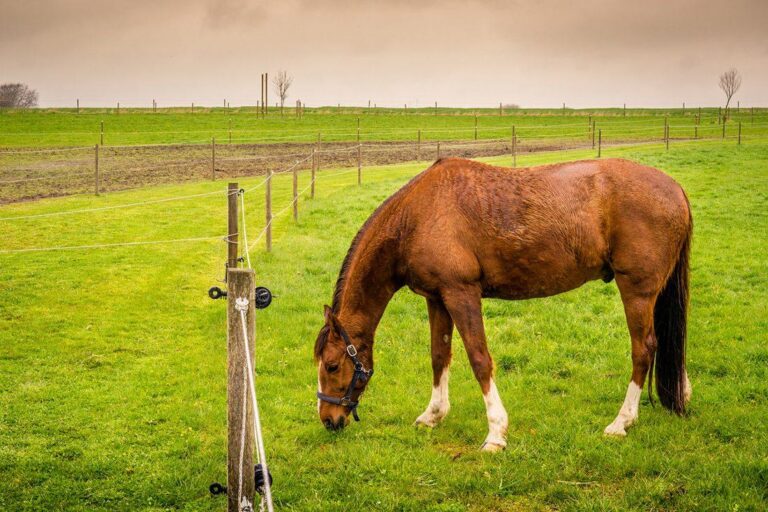
How to Body Condition Score your Horse [Henneke Scale] Leah Wellard, MSc BSc(h) | March 6, 2026 | Horse Health Body condition and body weight are two very important metrics for understanding and measuring the health of your horse. Both can be assessed easily and without any expensive equipment. Body weight alone gives us very little insight into how much...
Free Fecal Water Syndrome in Horses [Potential Causes and Treatments] Brooklynn Liversidge, B.Sc., M.Sc. | February 17, 2026 | Conditions Free fecal water syndrome is a condition in which horses experience both solid and liquid phases during defecation. The liquid phase can occur before, during, or after defecation of the solid phase or sometimes occur completely separate from the solid...
Top 5 Reasons to Use a Vitamin E Supplement for your Horse Leah Wellard, MSc BSc(h) | March 13, 2026 | Nutrition, Supplements, Vitamins Does your horse need a Vitamin E supplement added to his or her feeding program? Hay is the most important component of a horse's diet, and contributes almost all the necessary macronutrients (protein, fat and carbohydrates) and micronutrients (vitamins and...