English


Bermudagrass is a type of forage widely used to feed horses in the southern United States. As a warm-season perennial, Bermudagrass thrives in hot weather and provides consistent forage during summer months when cool-season grasses decline.
Decades of selective breeding have resulted in Bermudagrass cultivars (varieties) with greater productivity and nutritive value that continue to develop over time. Its resilience, high yield, and availability as both hay and pasture make it a dependable choice for many horse owners.
While Bermudagrass is a reliable forage for horses, it comes with some challenges. Like other grasses, its nutritional quality is variable, changing with maturity, harvest, and storage conditions. In addition, some coastal varieties have been associated with impaction colic under certain circumstances.
For horse owners, understanding the growth trends, management requirements, and nutritional content of Bermudagrass is key to making the most of its benefits while mitigating any risks.
Bermudagrass for Horses
Bermudagrass is a broad term for grasses in the Cynodon plant genus. These grasses trace their origin to tropical regions of Africa and southern Asia. [1] These species were introduced to North America in the mid-1700s, and are now established across many southern states. [2]
Warm-season growth patterns allow Bermudagrass species to perform well in areas with extended summer heat. [2]
Modern breeding has produced cultivars (varieties) with improved stand density, digestibility, and growth potential. [2] These developments support higher yields, more consistent forage quality, and dependable regrowth when managed under suitable conditions.
The Tifton 85 cultivar is one example, developed over time to achieve a superior yield and nutritive value compared to earlier forages. [3]
Other common cultivars of Bermudagrass include: [2]
- Coastal
- Coastcross-1
- Tifton 44
- Midland
- Jiggs
- Florakirk
Bermudagrass is also associated with reduced erosion and improved soil health in well-maintained pastures. [4] Given this, Bermudagrasses are grown over approximately 25-30 million total acres across the United States. [3]
Improved hybrid Bermudagrasses grow quickly, are productive, and respond well to fertilizer. However, they are not known to tolerate moisture stress and may need more nutrients to grow than other warm season perennials. [5]
With its many cultivars, high productivity, and soil health benefits, Bermudagrass is a valuable option for equine operations when properly managed.
What's your top priority with your horse's health?

Enter your email to receive your store credit
Nutritional Composition of Bermudagrass
Bermudagrass usually provides a balanced mix of energy, protein, and fiber to support a horse’s daily nutrient needs.
Average nutrient values for Bermudagrass hay are as follows: [6][7][8]
| Nutrient | Average Composition |
|---|---|
| Digestible Energy | 1.8 – 2.1 Mcal/kg |
| Crude Protein | 7 – 15% |
| Acid Detergent Fiber (ADF) | 33 – 41% |
| Neutral Detergent Fiber (NDF) | 59 – 76% |
Nutrients in Bermudagrasses vary depending on how the pasture is managed, although only the youngest, least mature plants tend to approach the digestibility of cool-season perennials. [9]
Factors Influencing Hay Quality
Bermudagrass quality depends on several factors linked to its growth, harvest, and storage. These include:
- Fertilization
- Stage of maturity at harvest
- Growth conditions
- Harvesting practices
- Storage methods
Awareness of these variables helps horse owners make informed choices about using and managing Bermudagrass forage for their livestock.
Fertilization
Soil conditions influence nutrient availability and play a major role in how Bermudagrass develops. Fertilization can be used to add nutrients to support stronger growth and forage quality.
Bermudagrass often benefits from nitrogen, phosphorus, and potassium fertilizers. Nitrogen supports protein formation in plants while reducing acid detergent fiber (ADF) and neutral detergent fiber (NDF) values. [10]
Potassium and phosphorus availability are key to productive plant growth. Research shows that adequate phosphorus and potassium fertilization are key to supporting production and persistence. [11]
Together, these nutrients play a critical role in both the quality and longevity of forage crops. By ensuring balanced fertilization, horse owners and producers can support healthier plants and provide more nutritious forage for their animals.
Growing Conditions
Healthy Bermudagrass relies on steady sunlight, warm temperatures, and balanced moisture. Warm conditions between 65–100˚F (18–38˚C) support normal growth and help maintain nutrient content. Cooler weather interrupts these processes, lowering yields and reducing nutrient density. [12][13]
Bermudagrass is more sensitive to shade than some other grasses. Reduced light limits growth over time and can lead to noticeably thinner stands in shaded areas or seasons with less sunlight. [13]
Moisture levels also influence productivity. Bermudagrass tolerates dry periods reasonably well, but longer or more intense periods of drought gradually reduce pasture growth and forage quality. [13] Excess moisture can have a similar effect, affecting Bermudagrass’ sugar accumulation. [13]
Harvesting
Bermudagrass hay quality depends on its growth and harvest timing, with maturity and the time of day at cutting both influencing its nutrition.
Younger Bermudagrass produces leafier forage with higher protein and greater digestibility. As Bermudagrasses mature, their protein levels and digestibility decline while fiber content rises. [9] This is due to a higher stem-to-leaf ratio in mature grasses.
Carbohydrate levels also shift in grasses throughout the day, which means the overall nutrient content can change with time of harvest.
Bermudagrasses build carbohydrates during daylight hours and draw on those reserves overnight. [14] Afternoon harvests can capture higher sugar levels, while morning harvests reflect the overnight decline.
Given this, morning turnout is often considered safer for metabolic horses because sugar levels are generally lowest in the morning. [14] It’s important to note these daily carbohydrate fluctuations are general rules, and are not always consistent across different pastures.
Drying
Drying is essential to ensuring hay can be stored safely in the long-term, although the process also contributes to nutrient loss.
Longer drying periods prolong Bermudagrass respiration, resulting in greater nutrient loss. [15] Rainfall during curing can also wash away protein, non-fiber carbohydrates, and minerals, lowering the hay’s overall nutrient density. [15]
Efficient drying is essential to providing the safest, most nutritious hay for horses.
Spoilage
Spoilage during hay storage is a major concern for horse owners relying on hay-based diets. Excessive moisture during baling creates conditions that encourage microbial and fungal growth. These organisms generate heat and break down plant material, reducing hay’s nutrient density.
Horses feeding on spoiled hay also risk respiratory and digestive irritation. [15]
Proper storage practices are essential to prevent spoilage and protect both the nutritional value and safety of Bermudagrass hay. By keeping moisture levels in check, horse owners can reduce health risks and ensure a reliable forage supply.
Forms of Bermudagrass in the Equine Diet
Bermudagrass can be purchased in many forms. Pasture and hay serve as the most common options, while processed versions such as pellets or chopped hay are also available through commercial sources or home preparation.
Pasture
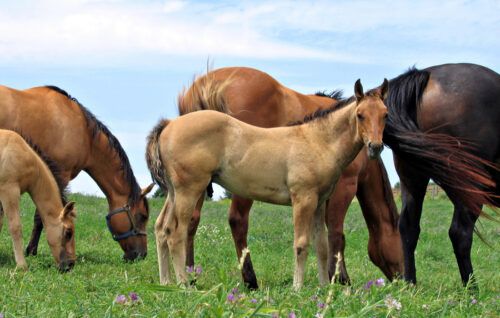
Pasture grass describes fresh growing vegetation that horses graze on. Bermudagrass pastures appear across much of the southern United States and can also work in cooler regions when planted alongside cool-season grasses.
Bermudagrass thrives during warmer periods when cool-season grasses wane, while cool-season grasses can take over as temperatures drop. [12]
Soil structure, drainage, and grazing pressure affect long-term Bermudagrass persistence. Poor drainage or repeated overgrazing weakens the pasture and reduces overall stand density. [5]
Rotational grazing practices allow Bermudagrasses time to recover. [4] Maintaining at least 2 inches of grass and rotating horses through sections on a 3–4-week cycle supports consistent regrowth and strengthens overall pasture productivity. [18]
Proper management, including rotational grazing and maintaining adequate growth height, is key to sustaining Bermudagrass’ persistence and forage quality.
Hay
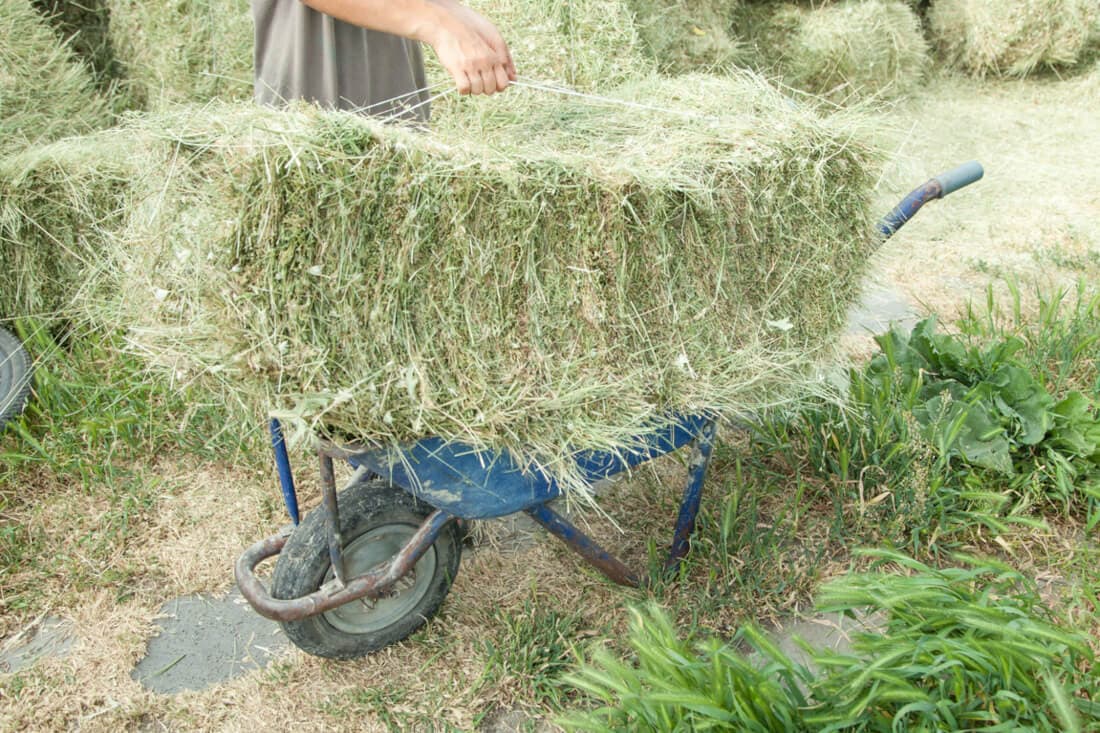
Hay is harvested, cut, dried and baled forage commonly fed to horses. Bermudagrass hay offers an acceptable warm-season option and remains widely available in regions where this grass is grown.
Bermudagrass hay may provide lower protein, lower digestibility, and higher fiber than legumes and cool-season perennials like bromegrass. [19][20] Its protein digestibility sits lower than in legumes such as peanut hay, yet remains broadly comparable among Bermudagrass varieties.
Hydrolyzable carbohydrates (HC; sugar + starch) levels in Bermudagrass are generally lower than those found in mixed cool-season pastures, and compare favorably to Kline grass. [16][17] Horses with HC sensitivity may benefit from a Bermudagrass-centered diet. [17]
Horses sometimes consume more Bermudagrass than teff hay but often select bromegrass when multiple options are available. [21][22][23] Bermudagrass is generally less palatable than alfalfa, as well.
Bermudagrass is a practical, widely used forage that can meet the nutritional needs of many horses, though some may prefer more palatable choices.
Chopped & Pelleted Hay
Bermudagrass can be processed into smaller forms, offering alternatives for horses that struggle with long-stem hay. Nutrient content in processed products generally remains comparable to standard Bermudagrass hay, but may be easier for some horses to eat.
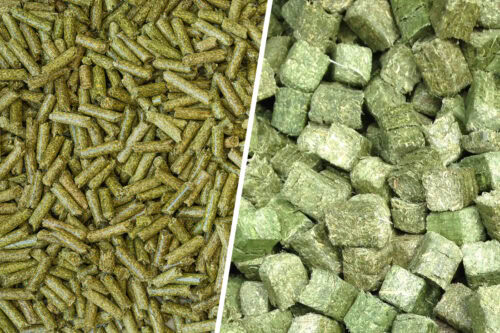
Chopped Bermudagrass consists of long-stem hay cut into smaller pieces to create an easier-to-chew forage. This format can support horses with dental limitations by reducing particle size while still providing a recognizable hay texture.
Commercially chopped Bermudagrass is uncommon, though it can be prepared at home by running baled hay through a leaf mulcher.
Pelleted Bermudagrass is ground and compressed into small, uniform pieces. Pellets can be fed dry or soaked to create a softer mash for horses with dental or respiratory challenges.
Horses may consume pelleted forage more readily than long-stem hay, improving overall intake when chewing ability or appetite is limited. [24][25] Pellets also function as convenient carriers for supplements.
While a diet centered around long-stem hay remains ideal for most healthy horses, replacement with processed hay can present a practical and cost-effective solution for some special care needs.

Pros & Cons of Bermudagrass
Bermudagrass has advantages and drawbacks that vary with how it is grown, harvested, and fed. Recognizing these factors will help you decide whether Bermudagrass meets your horse’s nutritional needs.
Benefits of Bermudagrass
Bermudagrass supports productive pastures through strong tolerance for frequent grazing and recovery. Warm-weather growth keeps it active when cool-season grasses slow, extending grazing seasons when planted alongside cool-season perennials. [4][12]
Sugar levels in Bermudagrass are often lower than those found in many cool-season grasses, making it a potential option for horses sensitive to high sugar intake. [17]
The widespread availability of Bermudagrass provides cost efficiency for many horse owners. In the southern United States, local production may offer a cheaper option than importing Timothy or orchardgrass.
Disadvantages of Bermudagrass
Warm-season grasses, including Bermudagrass, often show lower digestibility than cool-season grasses or alfalfa. [9] Mature Bermudagrass develops higher fiber levels that require more chewing; this can help support normal digestive function, as reduced chewing time can increase colic risk in horses.
Some research has shown that coastal Bermudagrass may be linked to a higher risk of ileal impaction in horses. However, in all cases studied, other important environmental and management factors, including salt intake and deworming practices, were also implicated. [26][27]
As with any forage, careful feeding and management practices minimize the risk of digestive disturbances. Rapid forage change creates a high risk of colic, especially when moving from cool to warm season management. This underscores the importance of proactive planning and diligent monitoring during seasonal management changes.
Safe feeding outcomes benefit from a holistic approach that includes attention to hay characteristics, gradual dietary transitions, adequate moisture intake, and appropriate parasite management.
How to Feed Bermudagrass
A forage-focused feeding plan built around high-quality Bermudagrass hay promotes healthy digestion and steady energy intake.
Consistent access to hay, water, and salt, paired with balanced vitamins, minerals, and protein, supports overall nutrition and helps maintain an appropriate body condition.
1) Select the Right Hay
Choosing the right forage begins with understanding your horse’s nutritional needs and matching them to an appropriate hay or pasture type. A forage analysis helps clarify nutrient content so that feeding choices support your horse’s workload and body condition.
Immature Bermudagrass hay and well-managed pasture offer lower fiber with higher energy and protein. These characteristics suit horses with greater nutrient demands, including growing horses, lactating mares, and those in regular or intensive work.
Mid-maturity Bermudagrass hay aligns more closely with the needs of horses at maintenance or in light work. Moderate fiber, digestibility, and energy levels make this stage a practical option for many feeding programs.
Mature Bermudagrass hays contain higher fiber with lower energy and digestibility. This profile may work better for horses prone to weight gain, especially when paired with measured portions of mid-maturity hay. Easy keepers may tolerate limited access to Bermudagrass pasture, although their body condition should be monitored to avoid excess weight gain.
2) Feeding an Optimal Amount
Forage intake planning starts with estimating daily dry-matter needs and adjusting them to suit a horse’s workload, life stage, and body condition. Free-choice forage supports mental and digestive health by aligning with horses’ drive for continuous grazing, yet may supply more than a horse requires.
Most horses at maintenance, in light work, or in late pregnancy consume about 2% of body weight per day on a dry-matter basis. Horses in moderate work average closer to 2.25%, while heavy-work horses, lactating mares, and growing horses may reach roughly 2.5%. These figures represent average total daily dry matter from forage, grain, and supplements. [15]
Easy keepers may require controlled access to avoid excessive caloric intake, especially when pasture is available. Managing intake usually begins with limiting pasture access, since pasture tends to be more energy-dense than hay. If additional control is needed, hay intake can be reduced to about 1.5% of body weight per day while still meeting basic fiber requirements. [15]
Hard keepers, on the other hand, may not get enough nutrition from Bermudagrass alone. Adding energy-dense, highly digestible fiber sources like beet pulp or alfalfa, or concentrated energy sources like oils can help to meet energy and protein demands.
3) Balancing the diet
While Bermudagrass can meet many energy, protein, and fiber needs, it may fall short in key micronutrients such as zinc, copper, and sometimes selenium and vitamin E. [28]
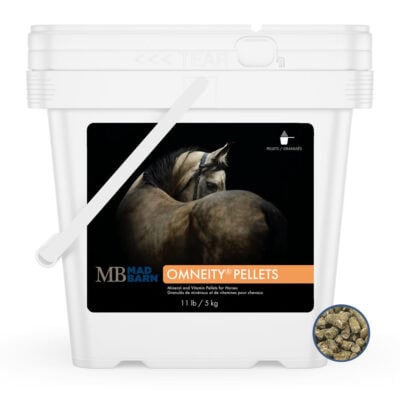
Filling these nutrient gaps may require vitamin and mineral supplements to support balanced nutrition. Omneity® provides a comprehensive option for horses on forage-based diets by supplying organic trace minerals, biotin, and broad B-vitamin support.
Energy-dense fiber sources such as beet pulp or alfalfa, as well as concentrated energy sources like oils, can help meet higher energy and protein demands where Bermudagrass is insufficient.
Salt also plays an important role in everyday feeding. Providing 1–2 tablespoons of plain salt daily, along with free-choice access to additional salt, helps horses meet sodium requirements and supports hydration.
For owners seeking individualized guidance, a diet evaluation can offer recommendations tailored to a horse’s workload, condition, and forage quality.
Example Diet
Below is a sample diet for an average 1,100 lb (500 kg) horse in light exercise receiving Bermudagrass hay as the cornerstone of the diet. The hay used in this analysis had an average crude protein content of 10% and a digestible energy of 2.0 Mcal/kg.
| Feed | Amount per day |
|---|---|
| Average Quality Bermudagrass Hay | 25 lb (11.5 kg) |
| Salt | 30 g (2 tbsp) |
| Omneity® Pellets | 200 g (2 scoops) |
| Diet Analysis | |
| Digestible Energy | 116% of requirement |
| Protein | 167% of requirement |
| NSC | 7.8% of diet |
Keep in mind that each horse maintains individual nutritional needs, and the above diet may not be sufficient for every horse. For a tailored feeding plan, book a consultation with one of our expert equine nutritionists for a tailored feeding plan.
Frequently Asked Questions
Here are some frequently asked questions about Bermudagrass for horses:
Bermudagrass varies in quality because fertilization, growing conditions, harvest timing, and storage each influence nutrient levels. Warm temperatures, sunlight, and balanced moisture support stronger growth, whereas shade, drought, or excess water reduce yield and nutrient density. Hay cut at later maturity contains more fiber and less protein, and drying or spoilage issues can lead to further nutrient loss.
Bermudagrass alone provides energy, protein, and fiber, yet it can fall short in important micronutrients such as zinc, copper, selenium, and vitamin E. Horses with higher energy needs may also require added support from sources like beet pulp, alfalfa, or oils. A forage analysis helps determine whether Bermudagrass can meet a horse's needs on its own or whether vitamin and mineral supplementation is required for balance.
Bermudagrass is safe when managed well, though certain situations call for caution. Coastal Bermudagrass has been associated with ileal impaction risk in some regions, particularly when hay is mature or lower in quality. Warm-season grasses also tend to have lower digestibility, and reduced chewing time has been proposed as a factor that may influence colic risk. Gradual dietary changes, good-quality hay, adequate hydration, and appropriate parasite management help support safe feeding.
Forms of Bermudagrass available for feeding include pasture, hay, chopped hay, and pelleted options. Pasture provides fresh forage during warm seasons, while hay serves as the most common dry form. Chopped Bermudagrass aids horses with chewing limitations, and pelleted Bermudagrass offers a uniform, easy-to-chew format that can be soaked for softer texture.
Summary
Bermudagrass is a warm-season perennial forage that can reliably support many horses when it is selected, managed, and balanced with attention to quality and nutrient gaps.
- Bermudagrass is widely used in the southern United States, offering high yields and extended grazing seasons compared to many cool-season grasses
- Forage quality varies with cultivar, maturity, fertilization, weather, and harvest and storage practices, which together affect energy, protein, and fiber levels
- Bermudagrass can be fed as pasture, hay, chopped forage, or pellets, allowing flexibility for different management systems and horses with dental or respiratory challenges
- Compared with cool-season grasses and legumes, Bermudagrass generally has lower digestibility and palatability
- Most Bermudagrass-based diets benefit from added vitamins, minerals, and sometimes energy-dense fiber sources to meet all nutrient requirements
References
- Bermudagrass. CALS.
- Vendramini. J. Bermudagrass - Varieties and Establishment. University of Florida - Institute of Food and Agricultural Sciences. 2025.
- Newman. Y. Coastal vs. Tifton 85 Bermudagrass for Horses. Facts & Myths. University of Florida IFAS Extension. 2007.
- Ugiansky. R. J. Bermudagrass For Heavy Use Areas and Pastures. USDA. 2020.
- Chambliss. C. G. et al. Pastures and Forage Crops for Horses. University of Florida Cooperative Extension Service, Institute of Food and Agricultural Sciences. 2000.
- Hansen T. et al. Bermudagrass. MU Extension. 2022.
- Wallau. M. O. et al. SS-AGR-60/AA200: Bermudagrass Production in Florida. Ask IFAS. 2024.
- Dore. T. Comparing Bermudagrass and Bahiagrass Cultivars at Different Stages of Harvest for Dry Matter Yield and Nutrient Content. Louisiana State University and Agricultural & Mechanical College ProQuest Dissertations & Theses. 2006.
- Hansen. T. L. et al. Digestibility and Retention Time of Coastal Bermudagrass (Cynodon Dactylon) Hay by Horses. Animals. 2019.
- Kering. M. K. et al. Effect of Nitrogen Fertilizer Rate and Harvest Season on Forage Yield, Quality, and Macronutrient Concentrations in Midland Bermuda Grass. Communications in Soil Science and Plant Analysis. Taylor & Francis Group. 2011.
- Silveira. M. L. et al. Potassium and Phosphorus Fertilization Impacts on Bermudagrass and Limpograss Herbage Accumulation, Nutritive Value, and Persistence. Crop Science. 2017.
- Coleman. B. et al. Bermudagrass for Horse Pastures. UK Ag Equine Programs. 2009.
- Huang. S. et al. Current Knowledge of Bermudagrass Responses to Abiotic Stresses. Breeding Science. 2019.
- Kagan. I. A. et al. Seasonal and Diurnal Variation in Simple Sugar and Fructan Composition of Orchardgrass Pasture and Hay in the Piedmont Region of the United States. Journal of Equine Veterinary Science. Elsevier. 2011.
- Nutrient Requirements of Horses: Sixth Revised Edition. National Academies Press, Washington, D.C. 2007. View Summary
- Growth of Yearling Horses Grazing Klein Grass or Bermuda Grass Pastures. Journal of Equine Veterinary Science. W.B. Saunders. 1990.
- Weinert-Nelson. J. R. et al. Diurnal Variation in Forage Nutrient Composition of Mixed Cool-Season Grass, Crabgrass, and Bermudagrass Pastures. Journal of Equine Veterinary Science. 2022. View Summary
- Hiney. K. and Redfearn. D. D. Managing Grazing of Horses. Oklahoma State University Extension. 2017.
- Eckert. J. V. et al. Digestibility and Nutrient Retention of Perennial Peanut and Bermudagrass Hays for Mature Horses. Journal of Animal Science. Oxford Academic. 2010. View Summary
- Sturgeon. L. S. et al. The Digestibility and Mineral Availability of Matua, Bermuda Grass, and Alfalfa Hay in Mature Horses. Journal of Equine Veterinary Science. Elsevier. 2000.
- Clark. J. K. et al. Effects of Forage Species and Poultry Litter Application Timing on Forage Preference by Horses. Journal of Animal Science. Oxford Academic. 2016. View Summary
- LaCasha. P. A. et al. Voluntary Intake, Digestibility, and Subsequent Selection of Matua Bromegrass, Coastal Bermudagrass, and Alfalfa Hays by Yearling Horses. Journal of animal science. Oxford University Press. 1999.
- McMillan. M. L. et al. Influence of Hay Ring Presence on Waste in Horses Fed Hay. Texas Journal of Agriculture and Natural Resources. 2009.
- Haenlein. G. F. W. et al., Comparative Response of Horses and Sheep to Different Physical Forms of Alfalfa Hay. Journal of Animal Science. 1966.
- Petz. V. et al., Changes in Eating Time, Chewing Activity and Dust Concentration in Horses Fed Either Alfalfa Cubes or Long‐stem Hay. Veterinary Medicine and Science. 2023. View Summary
- Little. D. and Blikslager. A. T., Factors Associated with Development of Ileal Impaction in Horses with Surgical Colic: 78 Cases (1986–2000). Equine Veterinary Journal. 2002. View Summary
- Pugh. D. G. and Thompson. J. T. Impaction Colics Attributed to Decreased Water Intake and Feeding Coastal Bermuda Grass Hay in a Boarding Stable. Equine Practice. 1992.
- Richards. N. et al., Nutritional and Non-Nutritional Aspects of Forage. Veterinary Clinics of North America: Equine Practice. Elsevier BV. 2021. View Summary