English
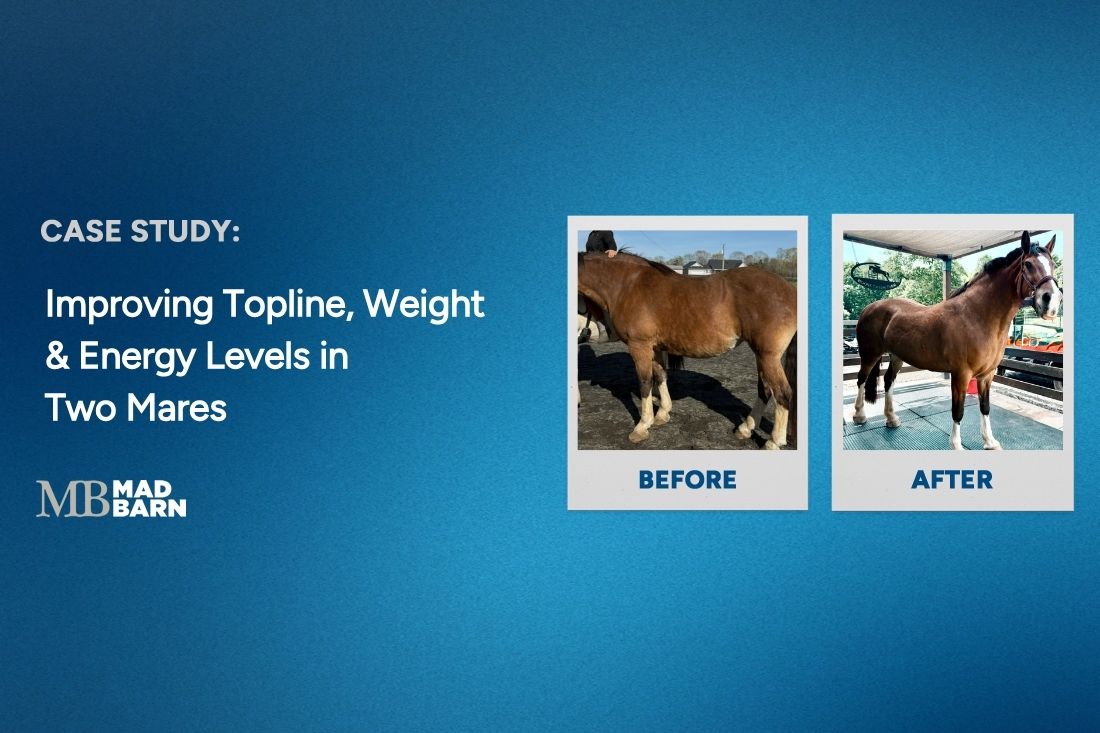
In April of 2025, a diet evaluation was requested for a 21-year-old Clydesdale/Thoroughbred mare named Lulu and a 15-year-old Clydesdale/Paint mare named Stella.
Lulu weighed approximately 1,410 lb (639 kg) and Stella weighed approximately 1,570 lb (712 kg). Both mares were located in North Carolina, USA. Initial reported concerns included low energy levels, poor topline condition, weight management, and prevention of metabolic health issues.
Their owner’s primary goal was to support healthy weight management and metabolic health by replacing a commercial ration balancer with a supplement containing fewer filler ingredients.
Presentation Prior to Diet Intervention
In their diet evaluation, both horses were identified as overweight, although annual veterinary testing had not shown any metabolic concerns to date.
Stella and Lulu presented with the following special care needs:
- Poor topline muscling
- Low energy levels
- Need for metabolic health support
- Weight management issues (history of obesity)
The following photos were provided of Stella and Lulu in April 2025, prior to their diet evaluation:
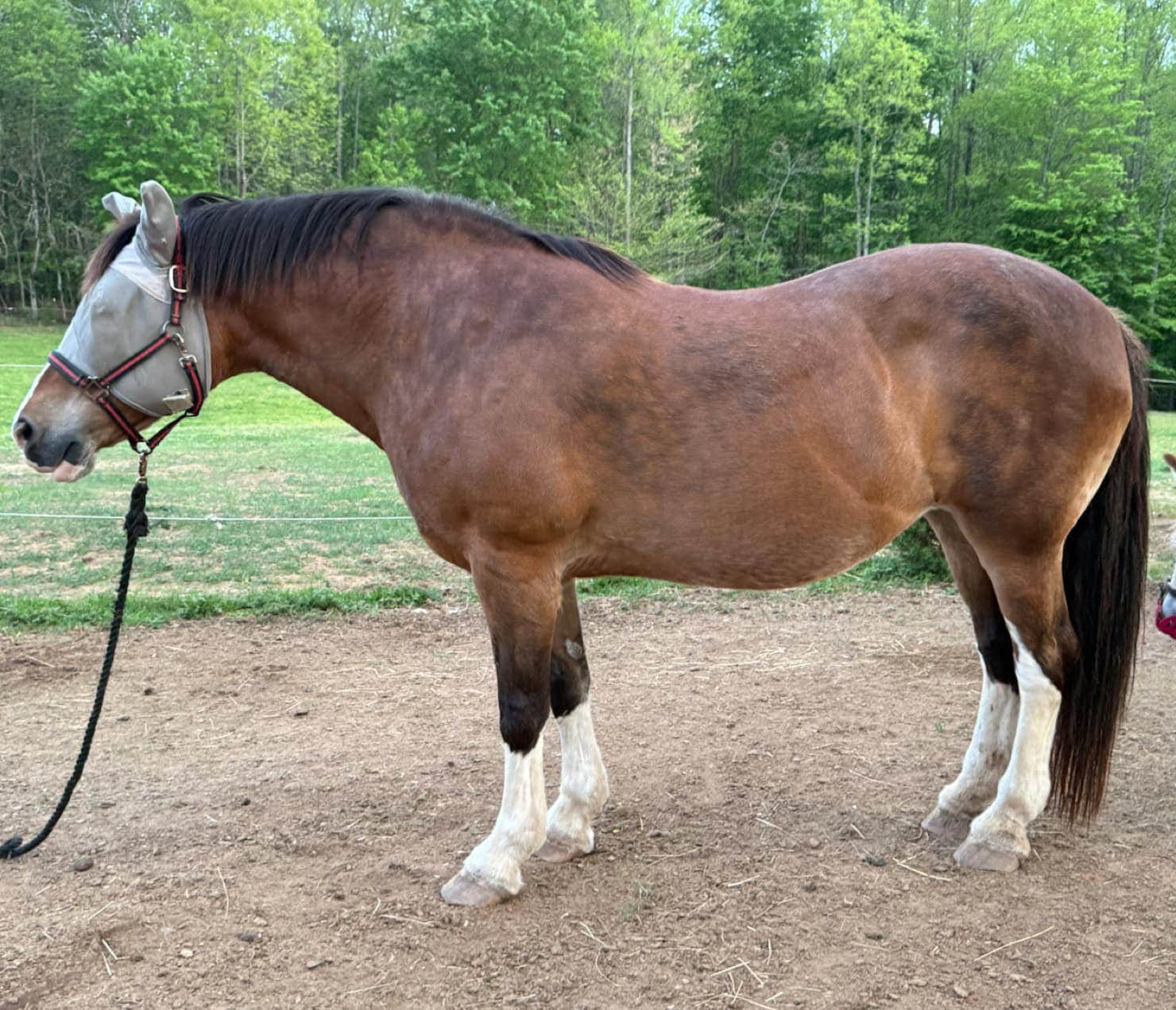 Lulu, Before
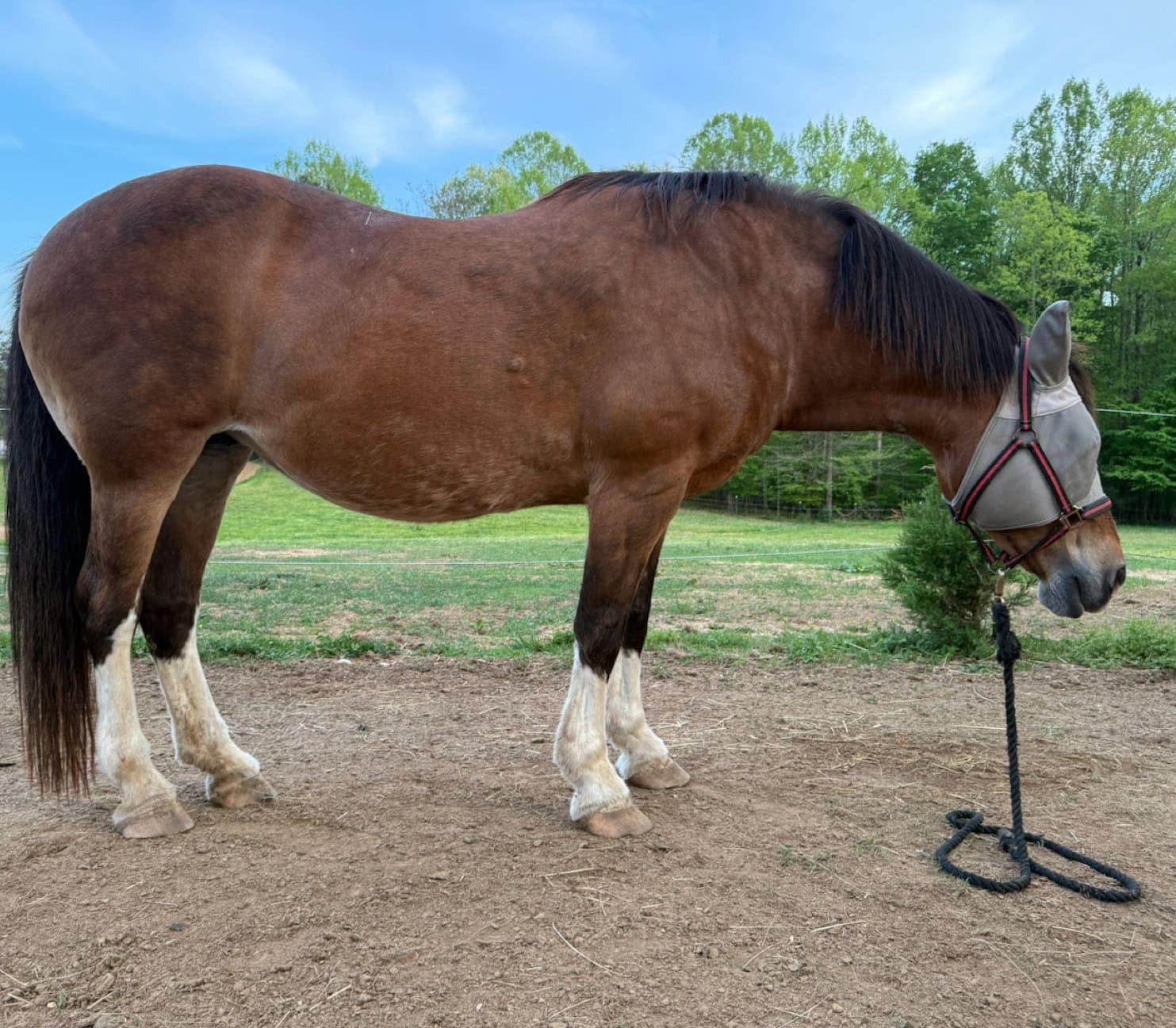 Lulu, Before
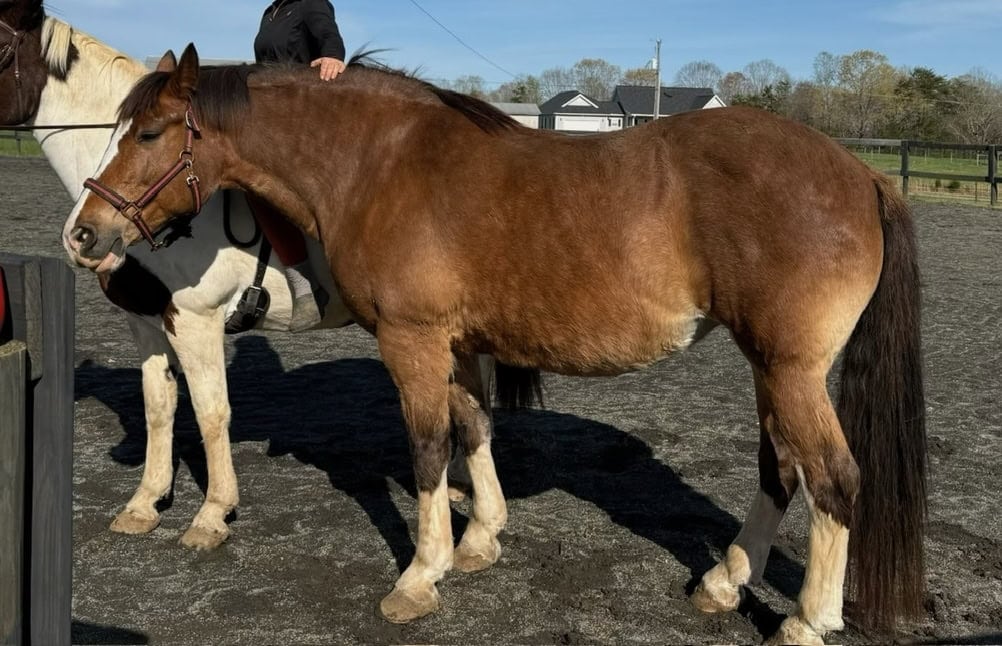 Lulu, Before
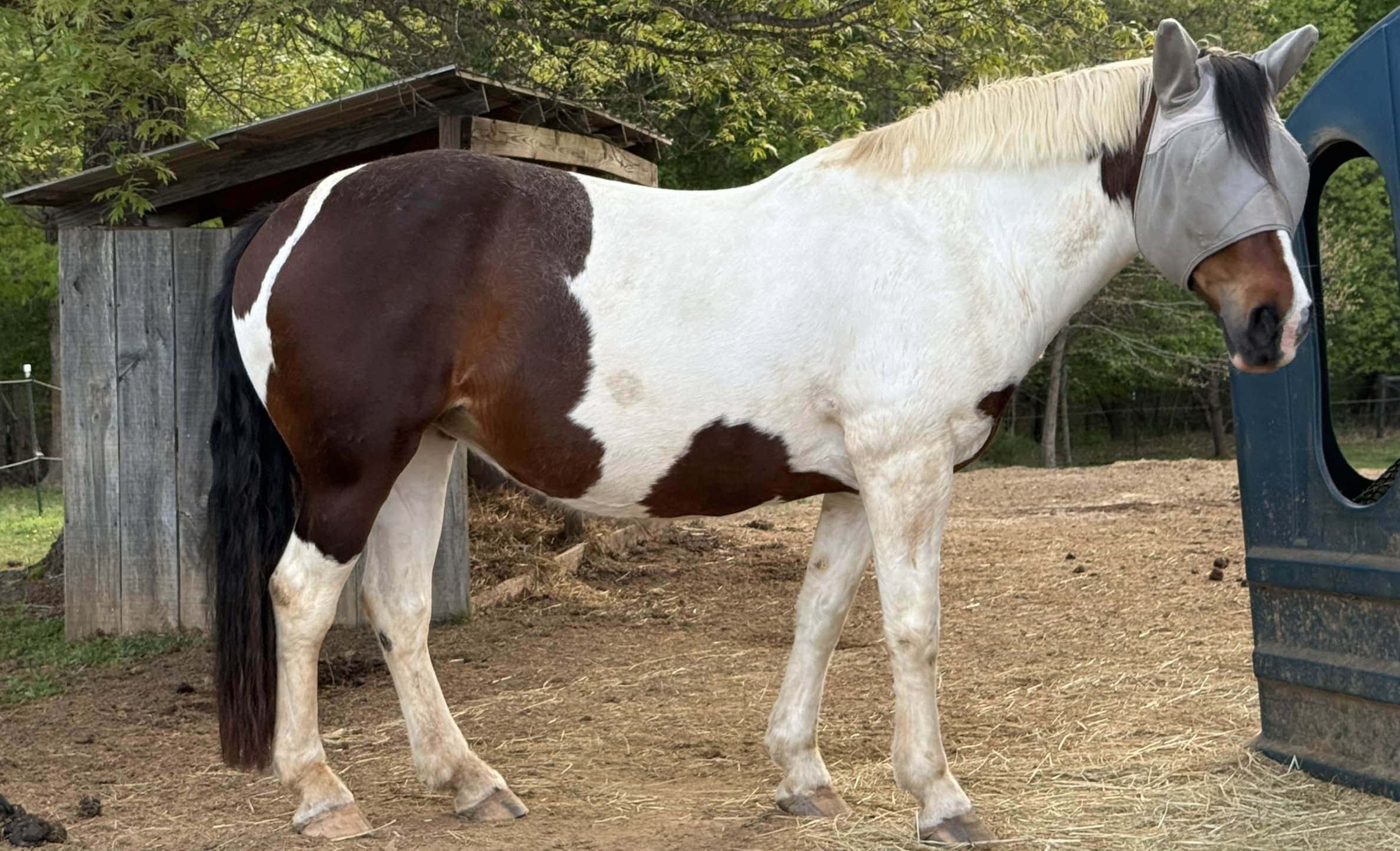 Stella, Before
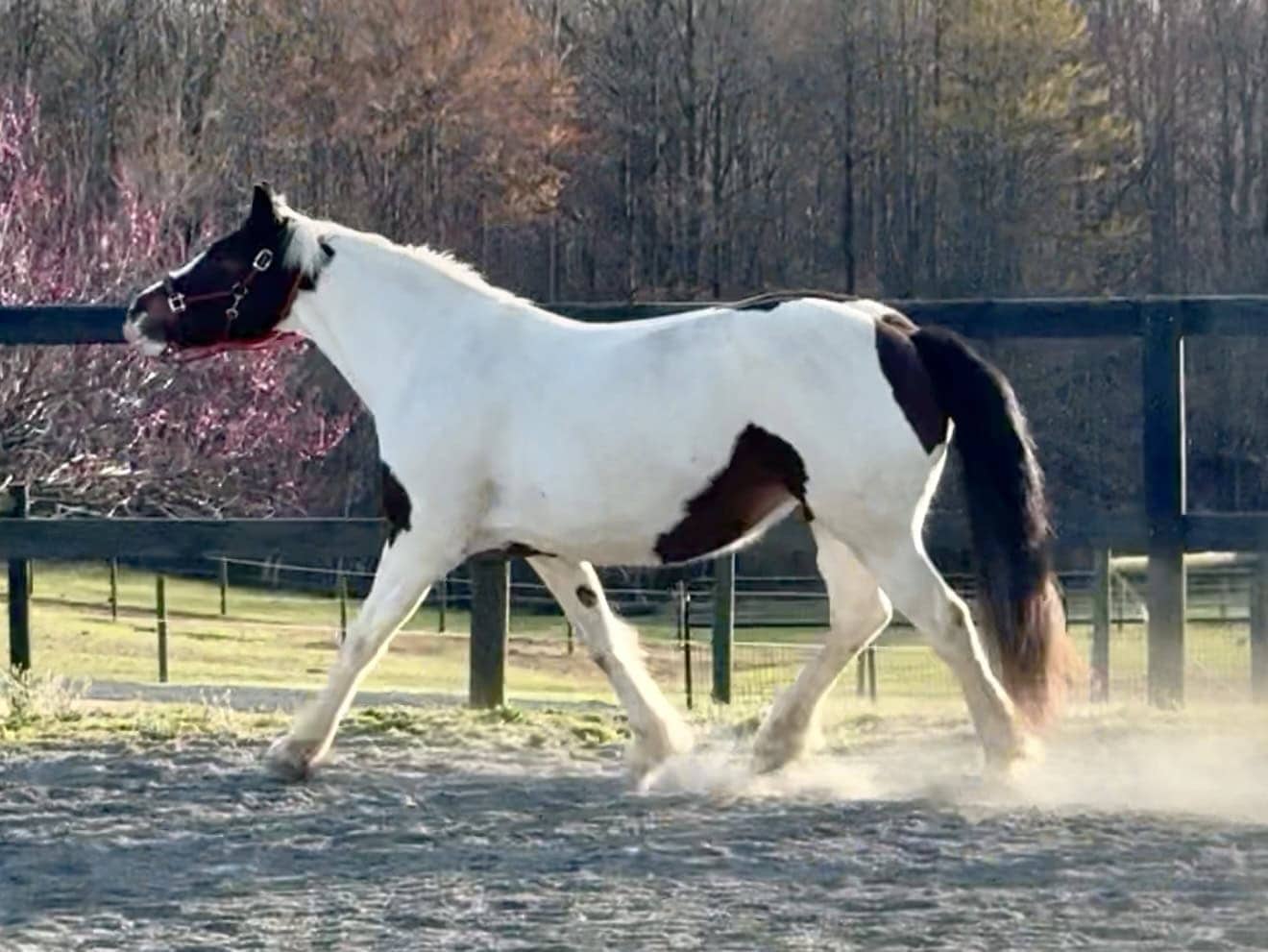 Stella, Before
Horse History
At the time of the diet evaluation, neither horse was in regular exercise. While Stella was retired, Lulu was expected to return to work once the weather improved.
Poor Topline Musculature
When a horse has poor topline musculature despite receiving enough total protein, vitamins, and minerals, the issue may be protein quality rather than protein quantity. In these cases, targeted amino acid supplementation may be needed to better support muscle maintenance and development.
Proteins are made up of amino acids, which must be supplied in the right balance for the horse to build and maintain muscle tissue effectively.
For most horses, forage is the main source of dietary protein and amino acids. However, not all forages provide adequate amounts of essential amino acids, which horses cannot produce on their own and must obtain from the diet. [1][2]
The most important limiting amino acids for muscle protein synthesis are lysine, methionine, and threonine. If any of these amino acids are undersupplied, the horse cannot use dietary protein efficiently, even when total crude protein intake appears adequate. [3][4]
In horses, lysine is the first limiting amino acid and is commonly low in forage-based diets. Methionine may also be limiting, particularly when sulfur levels in soil and forage are low. [5]
In Stella and Lulu’s case, crude protein intake appeared sufficient, but the amino acid profile of the diet may not have been optimal for supporting topline muscle. Supplementing key amino acids was therefore recommended to help improve muscle maintenance and restore topline health.
What's your top priority with your horse's health?

What's your top priority with your horse's health?
Metabolic Health
Equine Metabolic Syndrome (EMS) is a metabolic disorder that affects how horses process dietary sugars and convert them into energy. This disorder is especially common in “easy keeper” breeds such as Morgans and ponies. [6]
EMS is characterized by insulin resistance, meaning the horse’s body becomes less responsive to insulin, the hormone that helps move sugar from the bloodstream into cells for use or storage.
In horses with EMS, excess body fat can lead to increased fat accumulation in the liver. This fat may interfere with normal insulin signaling, further worsening insulin resistance. [7]
EMS is closely associated with: [8]
- Obesity or difficulty losing weight
- Abnormal fat deposits, such as a cresty neck or fat pads around the tailhead
- Increased risk of laminitis
Management of EMS focuses on improving insulin sensitivity and reducing the risk of laminitis. [9]
This typically includes:
- Feeding horses a diet low in hydrolyzable carbohydrates (HC, or starches and sugars)
- Reducing total caloric intake to promote weight loss
- Encouraging regular exercise
- In some cases, using medication to improve insulin regulation
Forage should be tested for HC content, and contain less than 10% HC on a dry matter basis when feeding EMS horses. [10]
It’s also important to evaluate horses with EMS for Pituitary Pars Intermedia Dysfunction (PPID), also known as Cushing’s disease. PPID can worsen insulin resistance and often presents with symptoms like muscle wasting, topline loss, and a long, curly coat. While PPID is more common in horses over 15, it can occur in younger horses as well. [11]
In Stella and Lulu’s case, their owner was proactive in managing their metabolic health by feeding a low-HC diet and annually assessing the mares for metabolic conditions like PPID and EMS.
Weight Issues
In North America, it is estimated that up to 51% of horses are overweight, with up to 8% classified as obese. [7][12][13]
Horses gain excess weight when calorie intake exceeds their energy expenditure, especially in the absence of regular exercise. Age, breed, and activity level all influence a horse’s energy requirements, and some horses are naturally more prone to weight gain than others. [14]
Body Condition Scoring (BCS) is commonly used to assess whether a horse is at a healthy weight, with scores of 7 or above indicating excess body fat.
Weight management typically involves reducing caloric intake, increasing physical activity, and adjusting the diet to support overall metabolic health.
Given their history of weight issues and breed-related tendency to gain weight, it was important to support Stella and Lulu’s weight and metabolic health by carefully managing their calorie intake.
Initial Diet
At the time of the initial nutrition consultation in April, Stella and Lulu’s daily ration consisted of:
- Free-choice access to hay fed in 1″ slow-feed nets
- Free-choice access to fescue/clover pasture with grazing muzzle (spring and summer)
- 1.5 – 2 lb of Triple Crown Balancer Gold
- AniMed Remission
- 10 grams of MSM
- 3 tbsp loose salt
- Copper and zinc (unspecified quantity or product)
- 2 cups Triple Crown Golden Ground Flax (winter only)
- 2,000 IU of vitamin E (winter only)
Overall, the initial diet appeared to provide adequate energy, protein, and essential vitamins and minerals. However, additional amino acid support was likely needed to better support topline development.
Another goal was to remove the grain-based ration balancer, which contributed additional calories to the diet and may have complicated weight management.
The feeding program also could have been simplified by selecting more comprehensive products, reducing the need for additional copper, zinc, and vitamin E.
Intervention
Following the nutrition consultation, an updated diet plan was proposed to address Stella and Lulu’s specific concerns.
Table 1. Summary of Diet Intervention
| Horse Issue | Nutrition Goal | Intervention | Notes |
|---|---|---|---|
| Poor topline muscle | Cover common amino acid deficiencies | Add AminoTrace+® | Provide an ideal blend of limiting amino acids to support protein synthesis |
| Support low energy levels | Replace essential fatty acids and natural vitamin E lost in cut hay | Add w-3 Oil | Provide natural vitamin E and DHA, an anti-inflammatory omega-3 fatty acid |
The recommended changes were designed to support Stella and Lulu’s metabolic health, topline muscle development, overall energy levels, and body condition by providing higher-quality sources of vitamins and minerals, along with targeted essential fatty acid and vitamin E support.
Balancing the Diet
The primary focus of the dietary changes was to simplify the feeding program, align with the owner’s goal of reducing filler ingredients, support metabolic health, and improve muscle development.
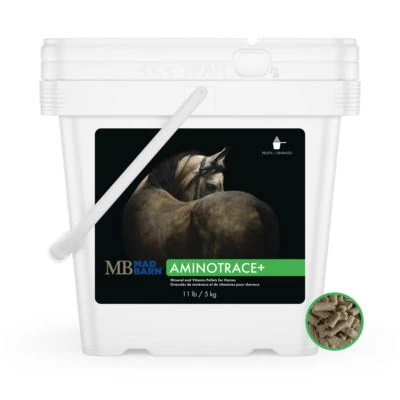
Feeding Mad Barn’s enhanced vitamin and mineral supplement AminoTrace+® helped ensure Stella and Lulu’s vitamin and mineral requirements were met while providing higher levels of key nutrients that support horses with a history of easy weight gain and poor topline.
Compared to the previous ration balancer, AminoTrace+ supplied elevated levels of essential amino acids, copper, zinc, and vitamin E, without adding excess sugar and starch to the diet.
Together, these nutrients help support hoof health, coat quality, immune function, muscle maintenance and development, antioxidant protection, exercise demands, and overall metabolic function.
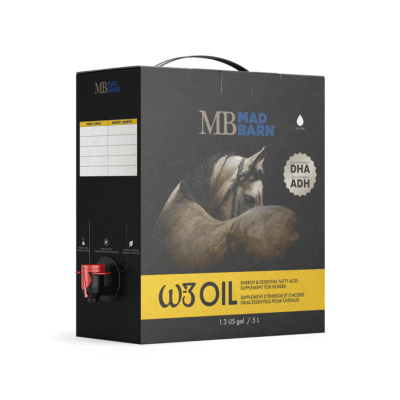
W-3 Oil was also added to the horses’ diets to provide natural vitamin E and DHA, an omega-3 fatty acid. These nutrients help support antioxidant protection, joint health, and overall post-exercise care.
Updated Diet
After the consultation, Stella and Lulu’s owner implemented the recommended dietary adjustments. Their updated daily diet consisted of:
- Free-choice access to hay fed in 1″ slow-feed nets
- Free-choice access to fescue/clover pasture with grazing muzzle (spring and summer)
- Approximately 1 handful of alfalfa pellets or cubes (soaked)
- 350 – 400 g AminoTrace+
- 3 tbsp loose salt
- 3 oz w-3 Oil
With these dietary adjustments, Stella and Lulu showed improvements in their topline, weight, energy levels, and coat quality.
Their owner was also able to simplify their diets and reduce the number of additional supplements she was feeding.

Outcome
Within a month of the dietary adjustments, both Stella and Lulu showed noticeable improvements in their overall condition, including weight, topline muscle development, coat health, and energy levels.
The following photos show differences in their condition one month after the diet changes:
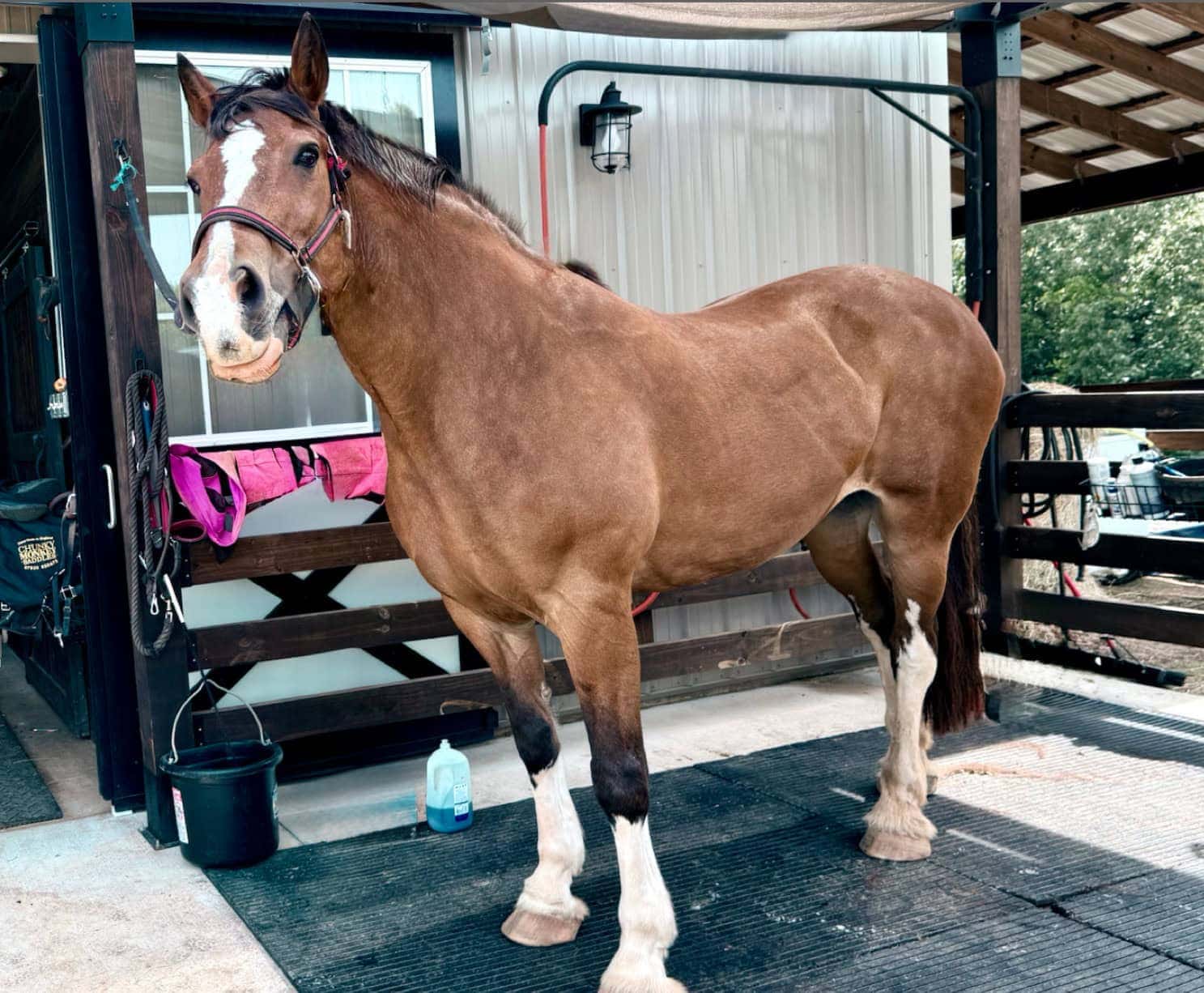
Lulu, After
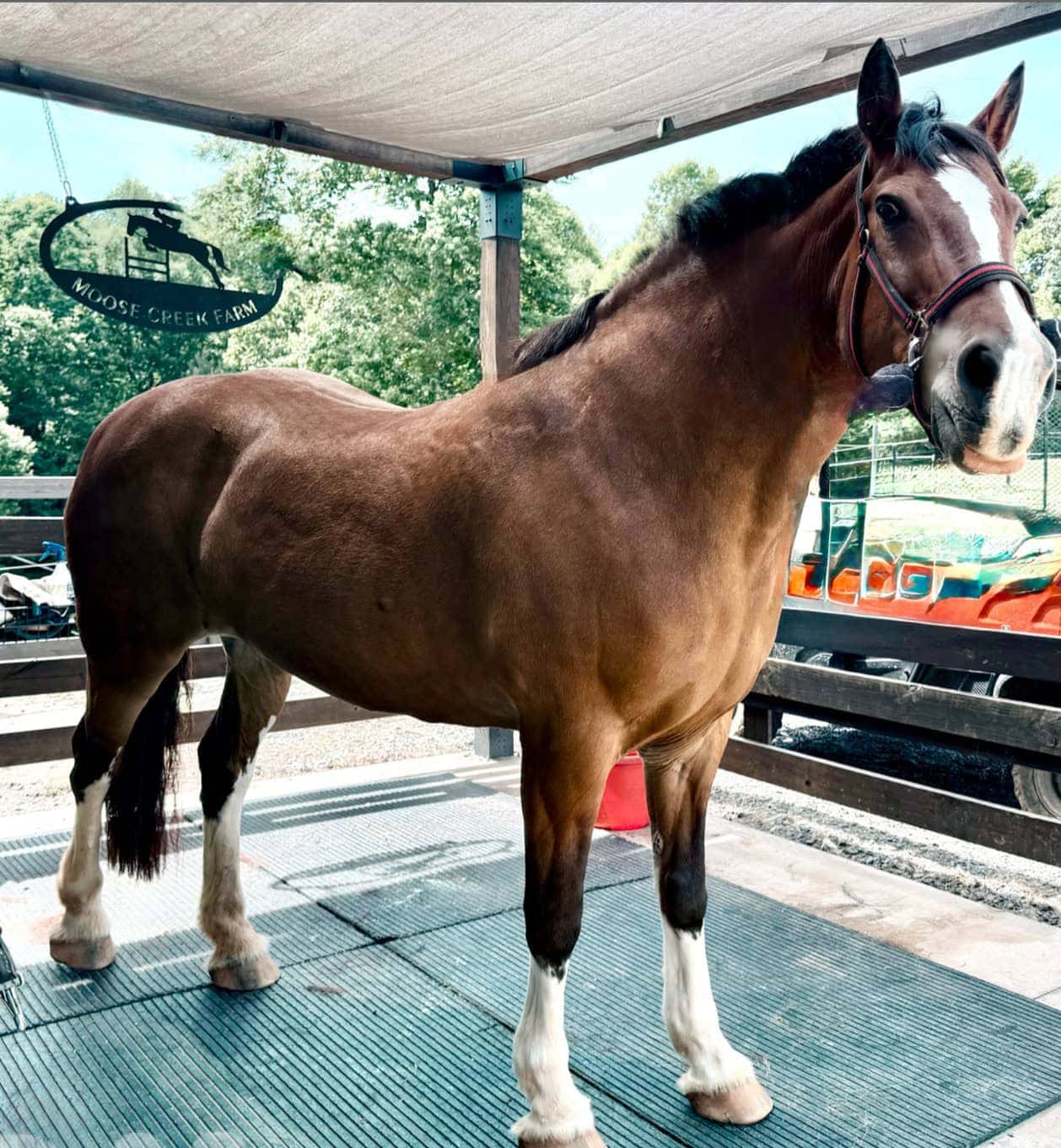
Lulu, After
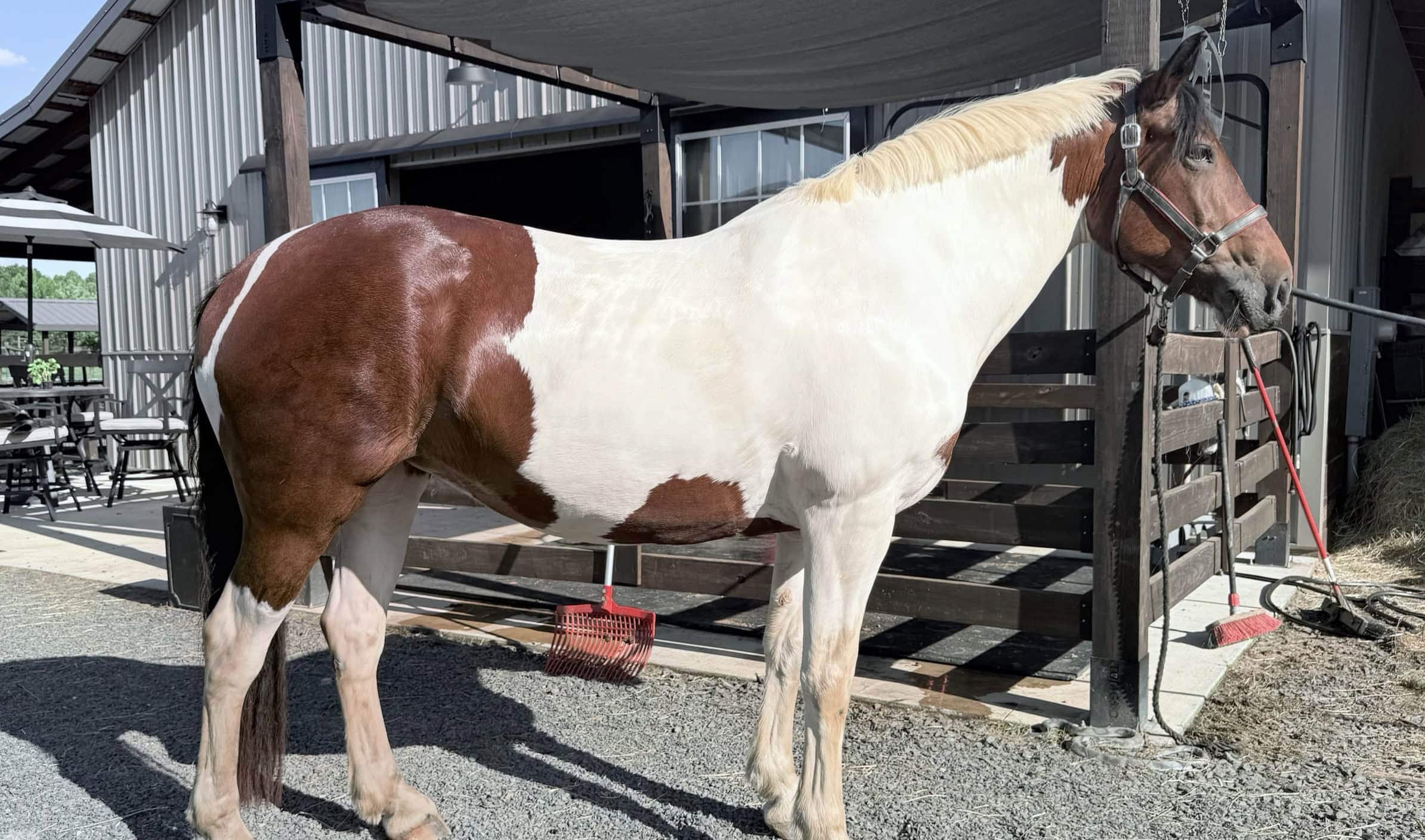
Stella, After
Discussion
In Stella and Lulu’s case, switching to AminoTrace+ and w-3 Oil helped support improvements in topline, body condition, coat quality, and energy levels within one month.
This outcome highlights the importance of feeding a well-balanced diet that not only meets overall nutrient requirements, but also provides targeted support for the horse’s specific needs.
Even when crude protein intake appears adequate, deficiencies in limiting amino acids such as lysine, methionine, and threonine can reduce the horse’s ability to maintain muscle and build topline. Providing these amino acids in the proper balance can help support muscle protein synthesis and overall condition.
“I am so unbelievably happy with their results. When I say it's been life-changing, I mean that literally. The Bay mare had been slowly deteriorating physically and struggling comfort-wise for close to two years. Between the AminoTrace+ and hiring a new amazing farrier, she's a new woman!”
— Feedback From OwnerThe updated feeding plan also aligned with the mares’ history of easy weight gain by supporting metabolic health without adding unnecessary calories.
In this case, a simplified diet with targeted vitamin, mineral, amino acid, and essential fatty acid support appeared to help improve overall condition while reducing reliance on multiple separate supplements.
References
- Urschel. K. L. and Lawrence. L. M. Equine Applied and Clinical Nutrition. Elsevier. 2013.
- Nutrient Requirements of Horses: Sixth Revised Edition. National Academies Press, Washington, D.C. 2007. View Summary
- Mok. C. H. and Urschel. K. L. Amino acid requirements in horses. Asian-Australas J Anim Sci. 2020. View Summary
- Gibbs. P. G. and Potter. G. D. Concepts in Protein Digestion and Amino Acid Requirements of Young Horses. The Professional Animal Scientist. 2002.
- Feinberg. A. et al. Reductions in the deposition of sulfur and selenium to agricultural soils pose risk of future nutrient deficiencies. Commun Earth Environ. 2021.
- Treiber. K. H. et al. Evaluation of genetic and metabolic predispositions and nutritional risk factors for pasture-associated laminitis in ponies. JAVMA. 2006. View Summary
- Durham. A. E. et al. ECEIM consensus statement on equine metabolic syndrome. Veterinary Internal Medicne. 2019. View Summary
- Kaczmarek. K. et al. Insulin resistance in the horse: a review. Journal of Applied Animal Research. 2016.
- Delarocque. J. et al.Weight loss is linearly associated with a reduction of the insulin response to an oral glucose test in Icelandic horses. BMC Vet Res. 2020. View Summary
- Bochnia. M. et al. Effect of Hay Soaking Duration on Metabolizable Energy, Total and Prececal Digestible Crude Protein and Amino Acids, Non-Starch Carbohydrates, Macronutrients and Trace Elements. Journal of Equine Veterinary Science. 2021. View Summary
- Spelta. C. Equine pituitary pars intermedia dysfunction: current perspectives on diagnosis and management. VMRR. 2015. View Summary
- Kosolofski. H. R. et al., Prevalence of Obesity in the Equine Population of Saskatoon and Surrounding Area. Can Vet J. 2017. View Summary
- Christie. J. L. et al.Demographics, management, and welfare of nonracing horses in Prince Edward Island. Can Vet J. 2004. View Summary
- Geor. R. J. and Harris. P. Dietary Management of Obesity and Insulin Resistance: Countering Risk for Laminitis. Veterinary Clinics of North America: Equine Practice. 2009. View Summary