Moving a horse to a new barn or facility requires careful planning and consideration. Horses are sensitive animals and are prone to experiencing stress when relocating to a new environment or joining a new herd. This puts them at risk...
Care & Management
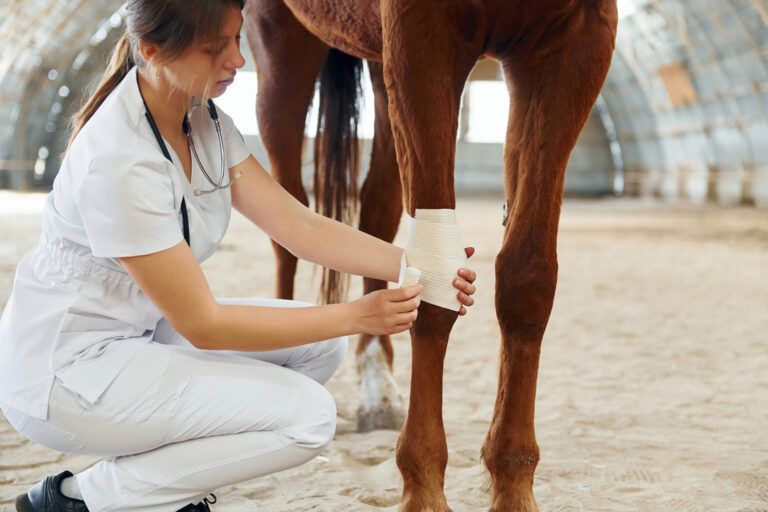
Proud flesh, also known as granulation tissue, is a type of healing tissue in horses that forms naturally as part of the wound repair process. This tissue aids in wound healing by closing the gap between exposed soft tissue and...
Equine abortion and stillbirth refer to delivery of a non-viable fetus or foal. Most causes of abortion and stillbirth do not affect the mare’s future fertility; however, the loss of the foal can cause significant economic losses for the breeder....
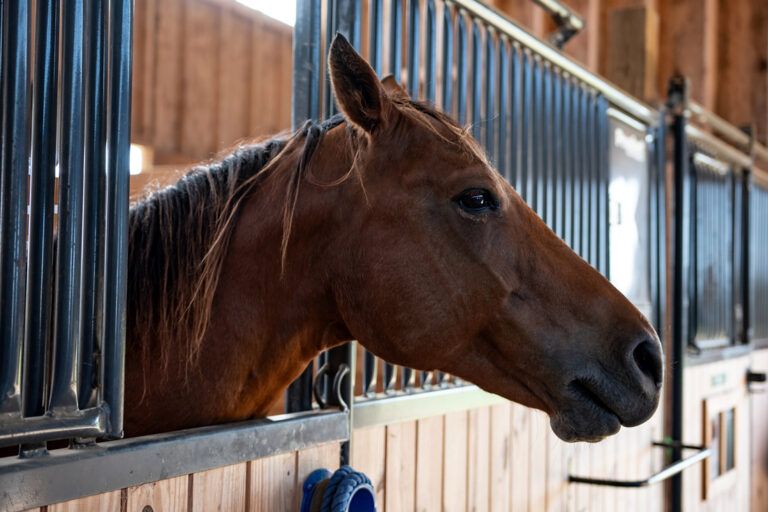
Full-time stall confinement isn’t good for a horse’s physical or mental welfare. Horses are social animals who, in the wild, move long distances and eat small, frequent meals all day long. Many domestic horses are stalled due to boarding situations,...
Respiratory problems are a common occurrence in horses, sometimes they occur in acute (short-term) bouts or can be chronic illnesses. Some respiratory diseases are communicable to other horses, while others are not contagious and occur due to allergies or environmental...
Shipping horses over long distances can be a daunting but rewarding undertaking. Many breeders, trainers, exporters and equestrians eventually find themselves needing to transport a horse over a long distance via air or land travel. Even settled horse owners may...
External shine is a reflection of internal health. So if you want your horse to have a gleaming, glossy coat, you'll have to start from the inside out. Quality grooming and care have a significant impact on coat health. But...
No horse owner wants to face the impossible decision of leaving their animal behind in an emergency. While natural disasters can be unpredictable, an emergency preparedness checklist can help horse owners keep their animals safe when disaster strikes. Not having...
Strange lumps, itching, bald spots, redness, skin flaking, and scruffy patches are common signs of skin problems in horses. While most equine skin irritations don’t present serious health risks, persistent skin problems can lead to infections and could indicate allergies,...
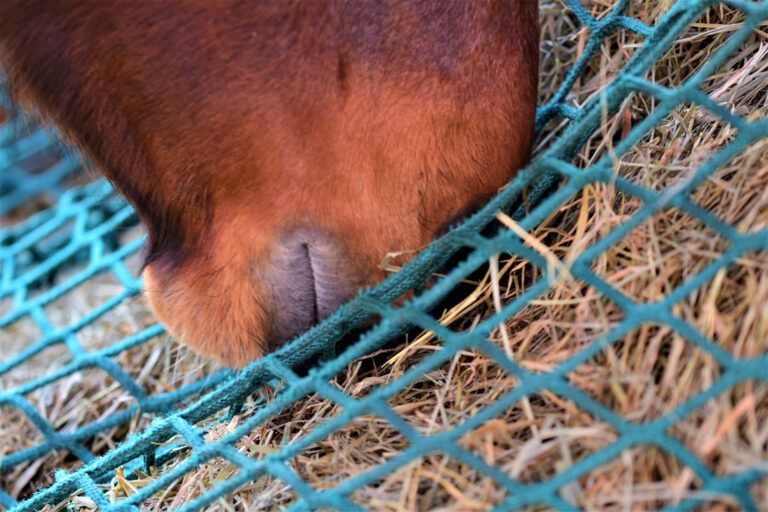
In recent decades, slow feeding has gained popularity with horse owners. Slow feeders are nets or solid feeders with small to medium-sized openings for hay access. Their purpose is to slow down the rate at which a horse eats, allowing...
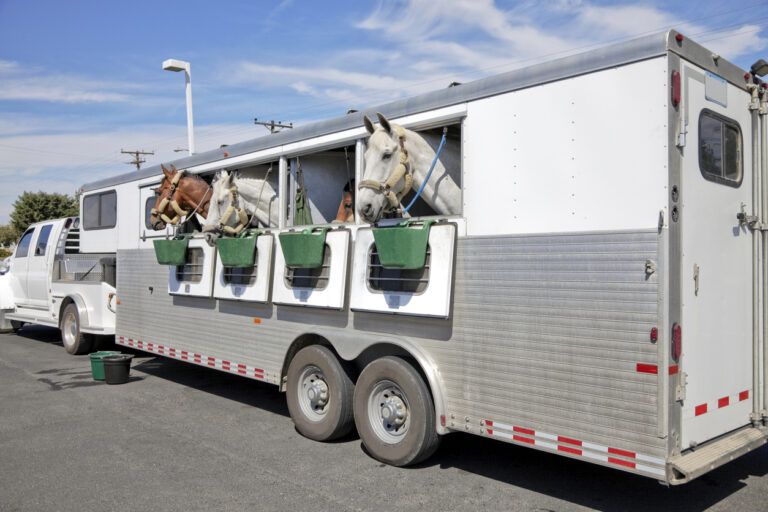
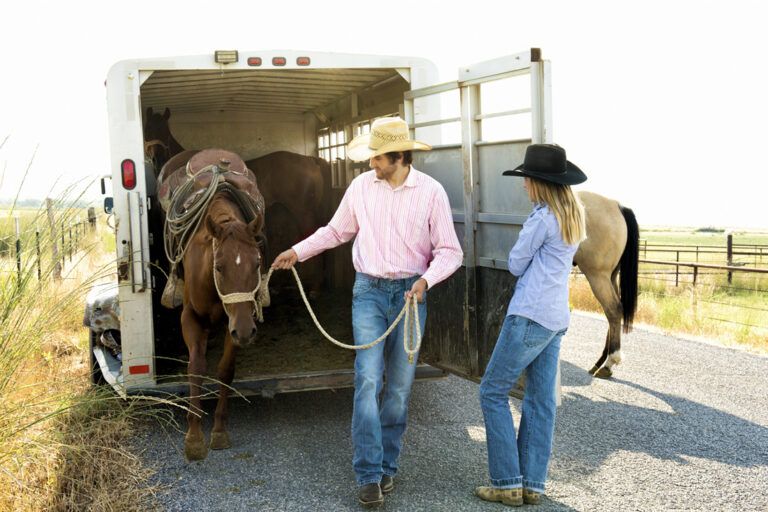
Whether you are a seasoned equestrian or a new horse owner, trailering your horse can be a daunting task but does not have to be uncomfortable for you or your horse. Many factors influence equine welfare while trailering. However, the...
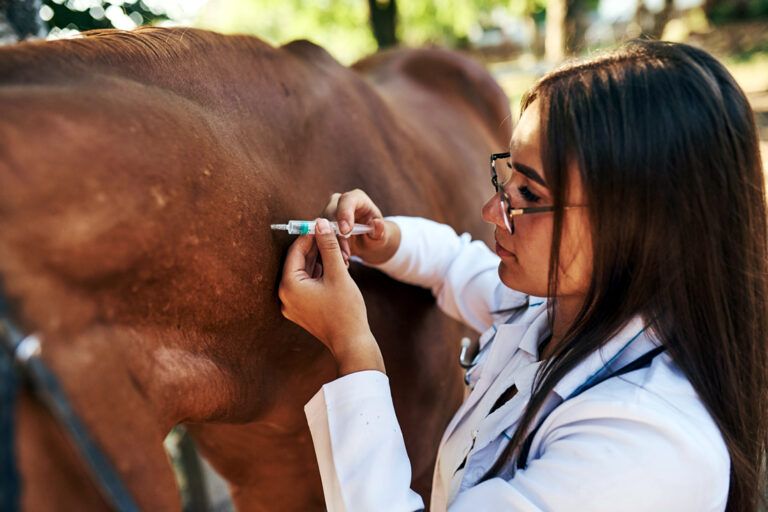
Staying up-to-date with required vaccines is important to keep your horse healthy and prevent the spread of infectious diseases. Vaccines have been developed for 14 major equine diseases, including Strangles, West Nile Virus, Equine Influenza, and Equine Herpesvirus. Some vaccines...
Modern domestic horses have very different lifestyles than their wild ancestors. While keeping horses in stalls is convenient for humans, confinement can be detrimental for animals who evolved to graze and walk throughout the day. Turning horses out to pasture...
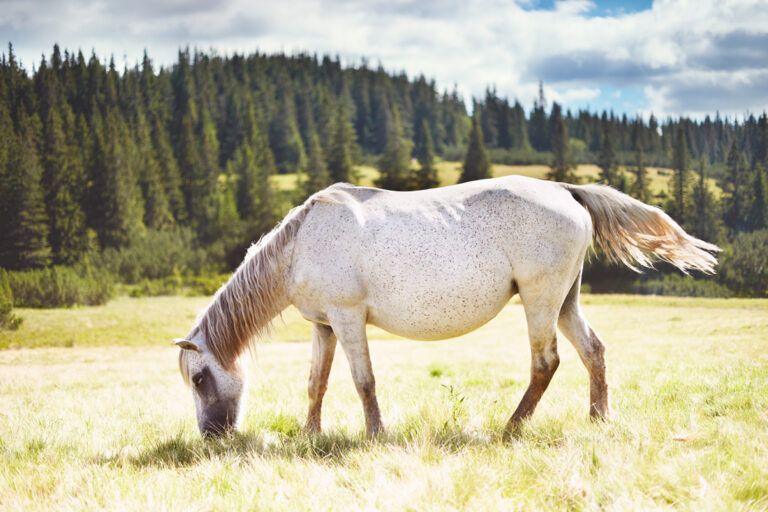
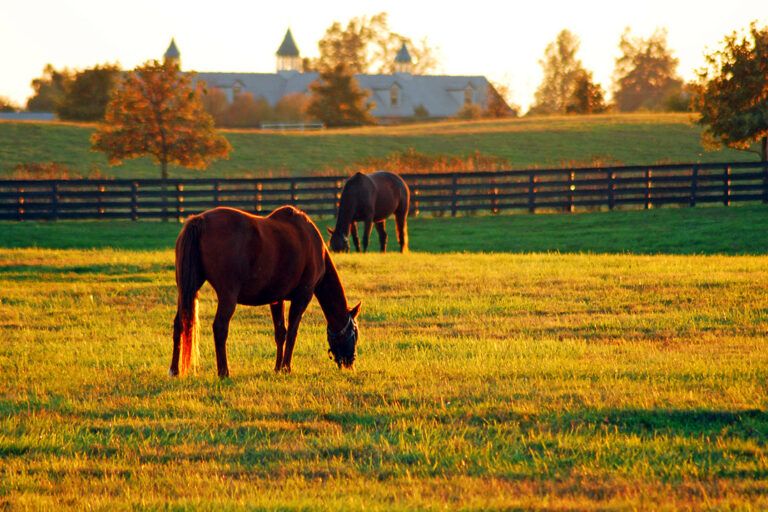
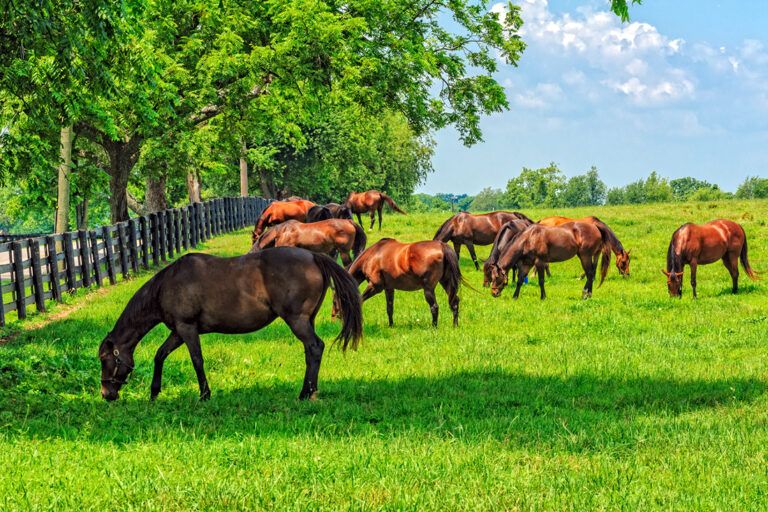
Turning horses out on pasture is one of the best ways to encourage natural grazing behaviour. Fresh forage can be a valuable part of a balanced equine diet, but grass does not have the same nutritional value throughout the year....
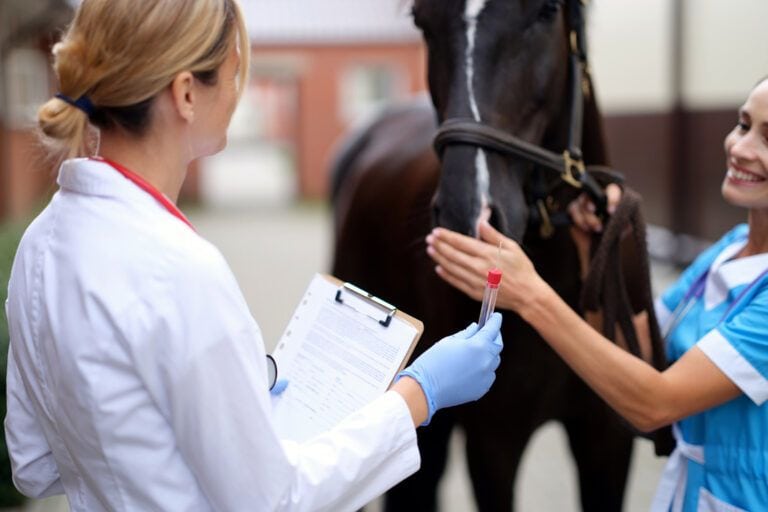
The Coggins test is a standard fixture in a routine annual equine wellness appointment. Veterinarians usually pull blood for this test when they perform spring vaccines but, some horse owners may not fully understand why. Coggins testing is often mandatory...
Grazing fresh forage while out on pasture can provide excellent nutrition for horses. But environmental conditions and horse needs can make it challenging to maintain productive pastures. Some pastures require very little management to support a low density of horses....
While acres of lush green fields seem like the idyllic setting for a horse farm, constant access to high-quality pastures isn't always best for your horse's health. Space limitations and environmental conditions can also make grass turnout impossible for some...
Bones, joint cartilage, ligaments, and tendons make up your horse's skeletal system, which provides structural support for your horse's body. Most horse owners pay close attention to the role of joints and soft tissue health in preserving soundness and comfort....
Taking care of a horse is an ongoing commitment. Even routine horse care requires significant time and resources. Horses need secure environments, adequate exercise, social companionship and a balanced diet to thrive. They also have unique digestive systems susceptible to...
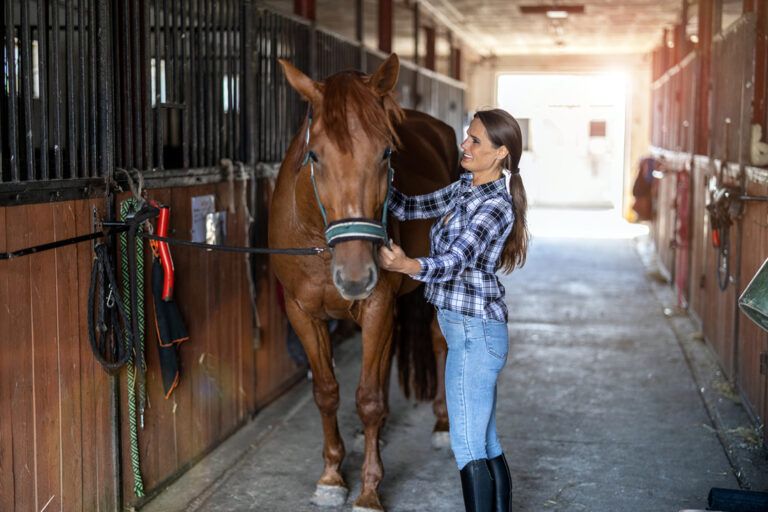
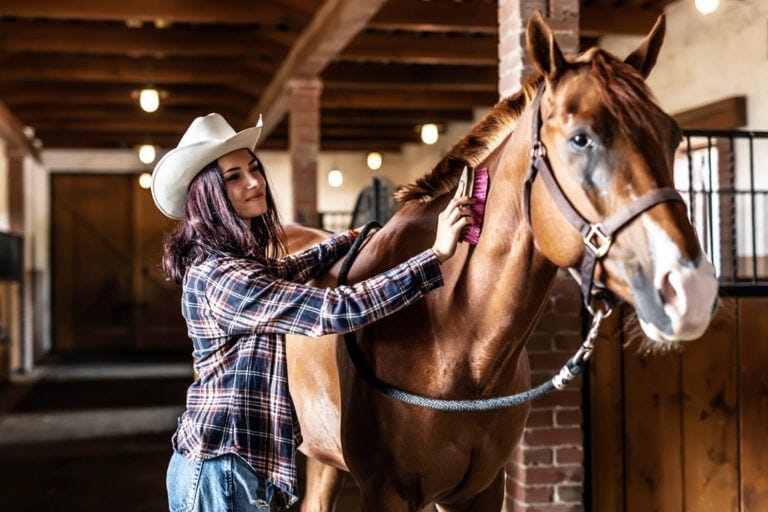
A proper grooming routine involves more than just knocking the dirt off your horse's coat before tacking up. A well-groomed horse is a well-cared-for horse. Learning to groom your horse correctly and following a thorough daily grooming routine can significantly...
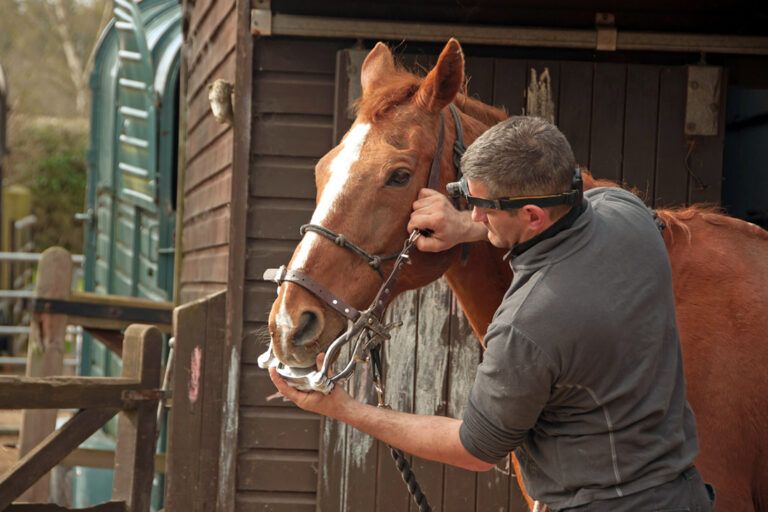
Routine equine dentistry is an often overlooked aspect of preventative care that can significantly impact your horse's welfare and performance. Horses have specialized teeth adapted to continuous grazing. Unlike human teeth, horse teeth erupt throughout their life and can become...
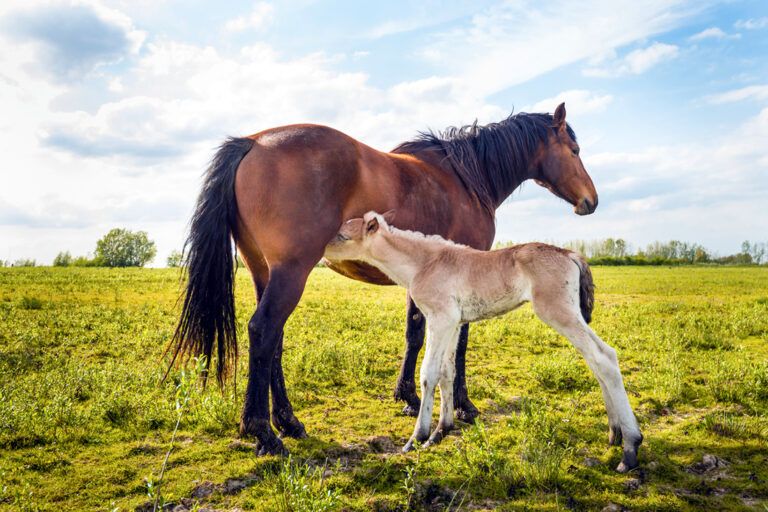
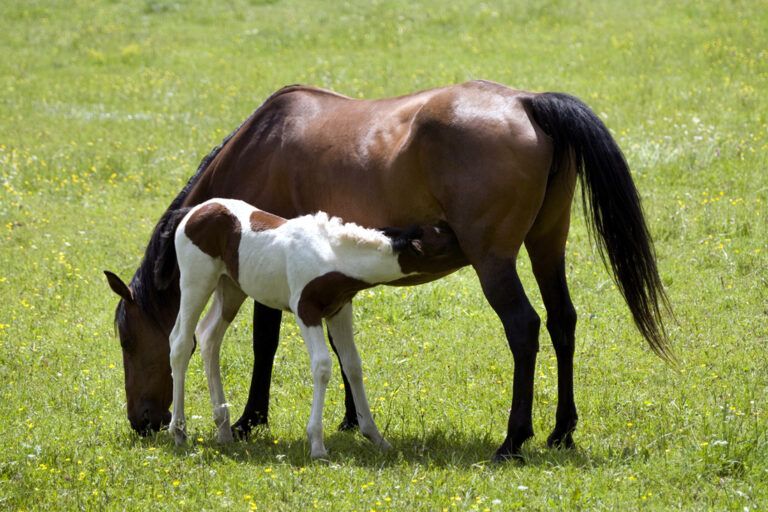
Weaning foals refers to separating the foal from their mother so they no longer consume milk by nursing. Once weaned, foals must obtain nutrients from forage and other feeds. Domesticated foals are typically weaned four to seven months after birth....
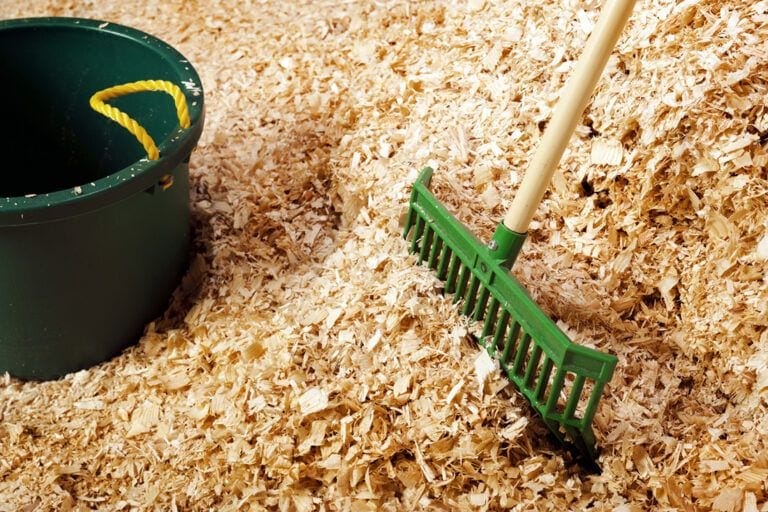
The type and amount of bedding you use for horses affects more than just how long it takes you to clean his stall. Bedding adds cushion to the floor of your horse's living space, absorbs moisture, and helps control odours...
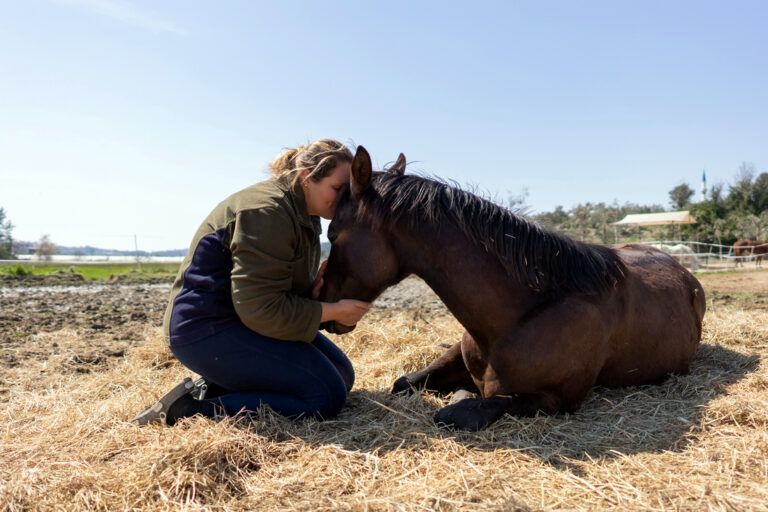
If you own horses long enough, you'll eventually have to deal with the loss of a horse. Saying goodbye to a beloved equine can be traumatic. But death is an inevitable aspect of caring for any animal. Sometimes horse owners...
Preparing your broodmare for breeding and pregnancy requires careful planning to ensure she is in optimal condition to carry and deliver a healthy foal. A Breeding Soundness Exam (BSE) provides a health assessment of mares being considered for breeding. Some...
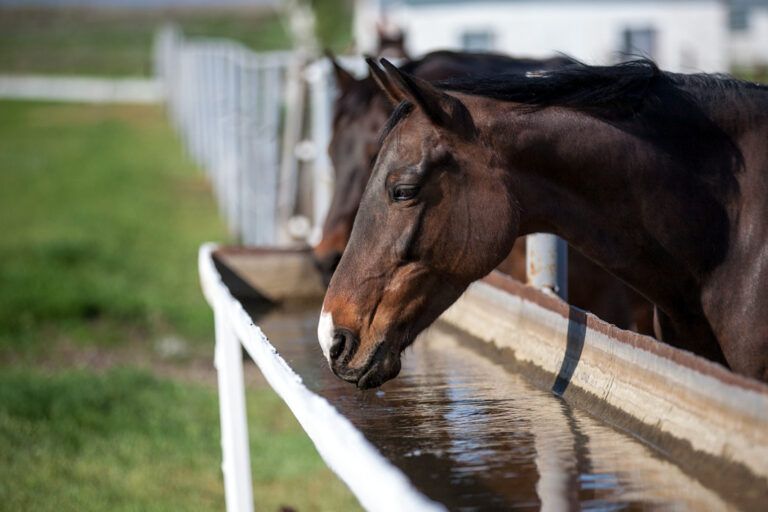
Water is the most vital component of the equine diet, but it is often overlooked when considering your horse's nutritional needs. Hydration influences several aspects of horse health, including exercise tolerance, digestion, and temperature regulation. Not only do you need...
Are you considering setting up a track system such as the Paddock Paradise for your horse? In recent decades, many horse owners have shown interest in natural equine management and care practices. These practices seek to mimic the lifestyle of...
Horses may not require as much sleep as humans, but quality sleep is still vital for your equine's overall health and well-being. Although horses can sleep standing up thanks to their unique stay apparatus, REM sleep is only possible when...
A forage-based diet is the best way to support your horse’s health and happiness, but it is not always easy to know how much hay to feed. Horses that are allowed free-choice (ad libitum) access to hay-only diets will typically...
You bring your horses in from turnout only to find their legs and hooves coated in mud. You know that mud is bad for your horse, but why and what can you do about it? Hosing down a muddy horse...