English











Equestrian sports offer significant physical and emotional rewards, but they inherently involve risks, including the possibility of injury from falling off a horse. Such injuries can have lasting effects on both the physical and psychological health of riders.
Fear after a riding-related injury is a normal psychological response intended to protect the rider from further harm. If not resolved, this fear can prevent a rider from returning to the saddle, negatively affecting performance and enjoyment. Common psychological responses include anxiety, hesitation, or flashbacks, which can create tension and disrupt communication between rider and horse.
After a horseback-riding injury, riders should address both the physical and mental aspects of rehabilitation. Riders commonly experience emotions such as frustration, self-doubt, and diminished trust in themselves or their horse. These feelings are natural, but can be effectively managed through targeted interventions, including mental skills training, professional coaching, and gradual re-exposure to riding activities.
This article explores the psychological impacts associated with horseback riding injuries and provides practical coping mechanisms to help riders overcome fear, regain confidence and safely return to riding.
Fear of Horseback Riding After Injury
Horseback riding is often characterized as one of the most dangerous sports, owing to the unpredictable behavior of horses and the physical demands it places on riders.
Research shows equestrian sports have higher rates of injury compared to many other activities, including football and motor racing. Injuries can range from minor bruises and sprains to more severe fractures, concussions, or even long-term disabilities. [1]
While physical recovery is often the primary focus after an injury, the psychological impact can be equally significant. Fear of reinjury, loss of confidence, and anxiety around horses are common emotional responses that can persist long after any physical wounds have healed.
Key challenges for riders to overcome include:
- Fear of falling: The memory of a fall can create a mental barrier, making riders hesitant to take risks or try new skills
- Loss of trust: Riders may struggle to trust their horse, themselves, or even the sport itself
- Performance anxiety: The pressure to “get back to normal” can lead to stress and self-doubt, hindering progress
Understanding Fear in Sports
Fear is a natural and often beneficial reaction to perceived danger. It activates the body’s fight-or-flight response, preparing us to react swiftly to a threat.
However, in equestrian sports, fear can become a barrier rather than a tool for self-preservation. Riders who have experienced a fall or injury often grapple with a heightened sense of vulnerability, which may persist long after physical recovery. [2]
Fear is not only a psychological response but also a physiological one. [3] When a rider associates being on a horse with pain or trauma, their brain can reinforce this connection, eliciting fear each time they approach or mount a horse. This creates a feedback loop that can impact performance, enjoyment, and safety while riding.
From a psychological perspective, fear can manifest as: [3]
- Anxiety
- Avoidance behavior
- Intrusive thoughts
Physiologically, fear triggers the release of stress hormones like cortisol and adrenaline. Peak stress hormone levels often manifest physically as: [3]
- Racing heart
- Muscle tension
- Shallow breathing
These physiological responses may further reinforce fear, creating a cycle that becomes increasingly difficult to break.
The intensity of fear often correlates with the severity of the injury or the circumstances of the fall. [4] For example, a rider who has experienced a high-impact fall during a jump may develop a specific fear of jumping, even if they may feel comfortable performing other riding activities.
Fear following a riding injury can also be influenced by the rider’s environment and support system. Encouragement and understanding from trainers, family, and peers play a significant role in helping riders confront and manage their fear effectively.
On the other hand, inadequate support or pressure to quickly resume riding can intensify feelings of inadequacy and self-doubt, reinforcing the fear response and making recovery more difficult.
Recognizing fear after an injury as a complex response that includes psychological, physical, and social factors can help riders and their support networks manage it more effectively. With structured planning, patience, and supportive guidance, riders can successfully overcome fear and return confidently to horseback riding.
What's your top priority with your horse's health?

What's your top priority with your horse's health?
Types of Equestrian Injuries
Equestrian sports carry inherent risks due to factors such as speed, height, and the unpredictable nature of horses. Research consistently ranks horseback riding among the most dangerous sports, with rider injuries varying from minor bruises to serious trauma.
Understanding these risks is important for riders recovering from injury because it helps them set realistic expectations and make informed choices. Knowing the dangers involved encourages riders to use proper safety measures, follow structured training programs, and seek appropriate support.
This knowledge can ultimately reduce anxiety, increase confidence, help riders feel more in control, and make returning to horseback riding safer and more enjoyable.
The most common physical injuries to riders include: [5][6][7]
- Head injuries: Concussions and traumatic brain injuries are prevalent, highlighting the importance of wearing helmets and other safety measures. These injuries can have long-term consequences, including memory problems, chronic headaches, and cognitive impairments. Even seemingly minor head injuries require prompt medical attention.
- Spinal injuries: Falls or awkward landings during horseback riding can cause fractures, herniated discs, or, in severe cases, paralysis. These injuries may require extensive rehabilitation and can permanently impact a rider’s daily life, including their ability to participate in equestrian activities.
- Fractures and sprains: Arms, legs, and collarbones are particularly vulnerable when riders attempt to brace themselves during a fall. Broken bones can lead to prolonged recovery periods, limiting mobility and independence for weeks or months.
- Soft tissue injuries: Ligament tears and muscle strains commonly result when riders are thrown or dragged by a horse. Although these injuries may be less visible, they can result in chronic pain and may require physiotherapy to regain full function.
Injury risk is also influenced by the riding discipline, temperament of the horse, and rider skill and experience. High-impact activities such as eventing and jumping pose a higher risk of severe injuries while novice riders may be more prone to accidents due to inexperience.
Mental & Emotional Effects
Physical injuries are just one aspect of recovering from a riding accident. The emotional effects can also impact a rider’s return to horseback riding. Riders may experience challenges such as: [8][9]
- Post-traumatic stress disorder (PTSD): Flashbacks, nightmares, and heightened anxiety around horses. This condition can make it difficult for riders to approach a horse without feeling overwhelmed by fear.
- Fear of re-injury: A rational yet paralyzing fear of repeating the accident. This fear often leads to avoidant behaviors, such as refusing to ride or engage in certain activities perceived as risky.
- Loss of confidence: Feeling inadequate or questioning one’s skills as a rider. This self-doubt can create a mental barrier for riders, making it difficult to trust their abilities or their horse.
- Grief and depression: A sense of loss when unable to ride or participate in a beloved activity. For many riders, horses are not just a hobby but a way of life, and being unable to engage with them can lead to feelings of isolation and sadness.
Overcoming Fear After a Riding Injury
When you’re ready to get back on your horse following an injury, there are steps you can take to make your return safer and more comfortable. Every rider experiences fear differently, and recovering confidence after an injury can take time.
While there’s no single solution for everyone, many riders benefit from approaching their anxiety gradually and systematically in a supportive environment. Taking time to manage fear can help riders successfully return to riding, even if an injury has had lasting psychological effects. [10]
Strategies to overcome fear following a riding accident include the following: [10]
- Acknowledging and normalizing fear: The first step in overcoming riding fear is to acknowledge it without judgment. Fear is a natural response to a traumatic event, and suppressing or ignoring fear often makes it worse. Normalizing fear as a common experience among equestrians can help reduce the stigma and feelings of isolation that injured riders often face.
- Setting realistic expectations: Both physical and emotional recovery takes time. Riders should set small, achievable goals rather than expecting to return to their previous level of performance immediately. For example, a rider could start with groundwork exercises to rebuild trust and connection with their horse, then progress to short, gentle rides in a controlled environment. You can then gradually reintroduce more challenging activities as your confidence grows.
- Working with a supportive team: A supportive team, including your veterinarian, trainer, and fellow riders, is an asset in recovery. Experienced trainers can help you develop a customized plan to regain confidence. Coaches can also provide reassurance and guidance during challenging moments. Riders experiencing severe anxiety may benefit from a sports psychologist or other mental health professional to provide support and guidance.
Alongside psychological recovery, physical conditioning is equally important when overcoming fear after a riding injury. Improved fitness can enhance rider confidence, as a strong and balanced body reduces injury risk and fosters a greater sense of control in the saddle.
Incorporating physical exercise and mindfulness training into your recovery can directly address fear by channeling nervous energy, enhancing emotional regulation, and helping you effectively manage your fear responses.
The Role of Risk Perception
Every rider’s perception of risk is different. For some, the thrill of riding outweighs the fear of falling, while for others, a single bad experience can shift their risk perception entirely. [11]
Factors that influence risk perception include:
- Experience level: Novice riders may overestimate risks due to lack of experience, while seasoned riders may underestimate them. Beginners often lack the knowledge to gauge a horse’s behavior accurately, which can heighten their sense of danger, while experienced riders might become complacent over time.
- Type of equestrian activity: Jumping or eventing may feel more dangerous than dressage or trail riding. High-adrenaline activities tend to carry greater perceived and actual risks, whereas more controlled disciplines can feel safer despite their inherent hazards.
- Personality of the rider: Riders with naturally high anxiety levels are more prone to developing fear after an injury. On the other hand, individuals who are naturally confident or thrill-seeking may underestimate risks, potentially leading to overconfidence.
- Past experiences: Riders who have experienced or witnessed accidents may have a heightened awareness of potential dangers. This can lead to a cautious approach that can either enhance safety or perpetuate fear.
A rider’s risk perception may shift after they experience a fall or injury. By understanding how perception shapes your fear response, it can help re-frame a return to riding around factual concerns as opposed to emotional responses to stimuli.
Gradual Exposure Therapy
Most sports psychologists use gradual exposure therapy to address fear. Gradual exposure involves systematically reintroducing the feared activity in manageable increments. [12]
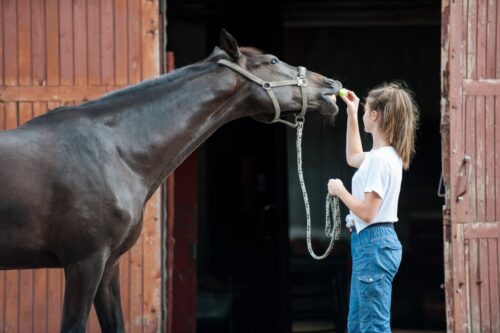
For example, the process may begin with groundwork exercises, where riders spend time handling their horses from the ground. This can help re-establish trust and comfort without the added pressure of riding. Grooming, leading, and lunging are excellent activities that allow riders to reconnect with their horses while remaining in a safe and controlled environment.
Once groundwork feels comfortable, the next step may involve sitting on a stationary horse. Riders can mount and remain in the saddle without moving, focusing on deep breathing and relaxation techniques. This stage helps reacclimate the rider to the feeling of being on horseback without introducing movement, reducing stress before progressing further.
After mastering stillness in saddle, riders can begin walking their horses in a controlled and familiar environment. Short, slow rides in enclosed areas, such as a round pen or small paddock, can provide a sense of security.
As confidence builds, riders can gradually introduce more movement. Each stage should be repeated multiple times until the rider feels at ease before advancing. Practicing in a safe environment with a trusted instructor or experienced horse can provide additional reassurance.

Other Tips for Overcoming Fear
Regaining confidence after a riding setback is a gradual process that requires patience, persistence, and a positive mindset. Beyond structured training and professional support, small daily practices can make a significant difference.
These practices might include:
- Use personal protective equipment: Wearing appropriate protective gear, such as helmets, body protectors, and safety stirrups, can provide a sense of security and reduce the risk of injury. Knowing you are well-protected can also help combat anxiety.
- Learn effective coping mechanisms: When fear arises during a ride, coping strategies can prevent it from escalating. Riders may use controlled breathing, which involves taking slow, deep breaths, to calm the nervous system. Concentrating on a specific task, such as maintaining a steady rhythm or correct posture, is also helpful.
- Celebrate small wins: Progress should be celebrated at every step. Each small victory, whether it is mounting without hesitation or completing a short ride, reinforces a positive mindset and builds momentum. Keeping a journal of accomplishments can serve as a powerful reminder of how far a rider has come.
- Give yourself grace: Recovery is not always linear. Be patient with yourself and recognize that overcoming fear takes time. Celebrate your progress, no matter how small, and remember that every step forward is a victory, and that setbacks are a normal part of the process.
- Maintain perspective: It’s important to remember that fear is part of the journey, not the destination. Every rider, no matter how experienced, faces setbacks. What matters most is the ability to learn, adapt, and keep moving forward.
Frequently Asked Questions
Here are some frequently asked questions about overcoming fear following an injury when riding a horse:
The timeline varies for each individual and depends on factors such as the severity of the injury, the rider’s mindset, and the support system in place. Some riders may regain confidence within weeks, while others may take months or even years.
Focus on proper training, use protective gear, and maintain open communication with your trainer. Regularly assess your horse’s health and behavior to identify potential risks.
Yes, anxiety after a fall is a common and natural response. Acknowledging your feelings and taking gradual steps to rebuild confidence can help you overcome this fear.
Summary
Riders often experience anxiety and fear when returning to horseback riding after an injury, resulting in reduced confidence and discomfort around horses.
- These feelings are natural responses following riding-related injuries or trauma.
- Experiencing fear is not a sign of weakness for equestrians; it's the mind and body's protective mechanism.
- With patience, support, and effective coping strategies, riders can regain confidence and successfully return to horseback riding.
- Gradual exposure to riding activities in a controlled environment is essential for overcoming fear.
- Falls and injuries are inherent risks in horseback riding, but they also offer opportunities to build resilience and strength.
References
- Ball. C. G. et al., Equestrian Injuries: Incidence, Injury Patterns, and Risk Factors for 10 Years of Major Traumatic Injuries. The American Journal of Surgery. 2007.
- Weiss, L., Equestrian Trauma: Understanding the Anxiety After a Horse-Related injury. Brave Minds Psychological Services. 2017.
- Varangot-Reille. C. et al., The Fear-Avoidance Model as an Embodied Prediction of Threat. Cognitive, Affective, & Behavioral Neuroscience. 2024.
- Stigson. H. and Klingegård. M., Understanding Equestrian Sport Psychology. SportingBounce.com. 2023.
- Stigson. H. and Klingegård. M., Characteristics of Equestrian Accidents and Injuries Leading to Permanent Medical Impairment. BMC Sports Science, Medicine and Rehabilitation. 2024. View Summary
- Krüger. L. et al., Assessing the Risk for Major Injuries in Equestrian Sports. BMJ Open Sport & Exercise Medicine. 2018. View Summary
- Havlik. H. S., Equestrian Sport-Related Injuries: A Review of Current Literature. Current Sports Medicine Reports. 2010. View Summary
- Hsu. C.-J. et al., Fear of Reinjury in Athletes: Implications for Rehabilitation. Sports Health. 2017.
- Freeman. R., Can Riders Suffer from PTSD?. Horse & Hound. 2018.
- Sackett. K., Getting Back in the Saddle: The Experience of Equestrian Athletes Returning to Competition after a Fall. Ithaca College Theses. 2009.
- Chapman. M. et al., What People Really Think About Safety around Horses: The Relationship between Risk Perception, Values and Safety Behaviours. Animals. 2020.
- Exposure Therapy. Cleveland Clinic. 2023.