English


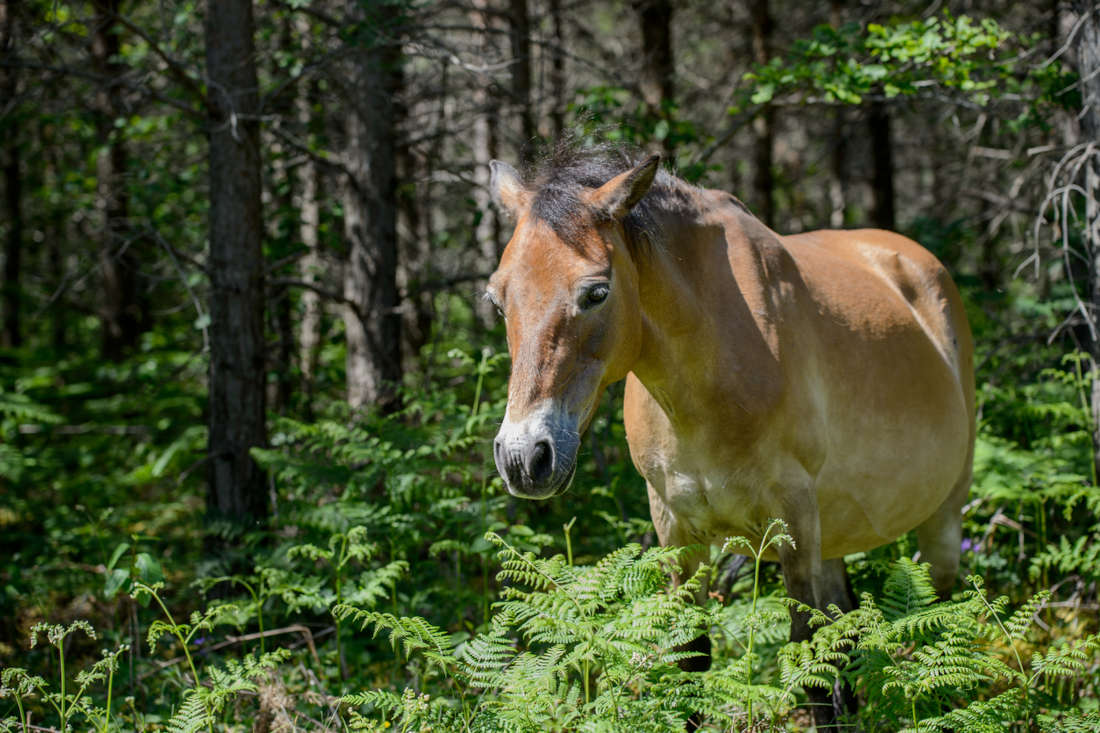
Gotland ponies, sometimes called Gotland Horses, are a hardy, versatile breed native to the island of Gotland in Sweden, where they have lived for centuries in a semi-feral state.
Known locally as the Gotlandsruss, these ponies are one of the few remaining primitive equine types in Europe, shaped by natural selection in a challenging northern climate. Their compact build, efficient metabolism, and strong hooves reflect an ability to thrive on sparse forage and adapt to varied terrain.
Today, Gotland ponies are valued for their calm temperament, intelligence, and versatility. They are widely used for riding, driving, harness racing, and conservation grazing, making them a popular choice for both recreational riders and working roles. Despite their small size, they are capable, durable animals that can perform a wide range of tasks when properly managed.
Understanding the Gotland pony’s history, physical characteristics, temperament, and care requirements is essential for owners and enthusiasts alike. This guide explores what makes this unique Swedish breed distinct, including its origins, uses, health considerations, and management needs.
Gotland Horse History
The history of the Gotland horse is one of survival, adaptation, and careful conservation. The breed is a historic Scandinavian landrace with deep historical roots on the island of Gotland.
Origin
The Gotland horse originated on Gotland, a Swedish island in the Baltic Sea. This native Swedish pony is one of the country’s oldest surviving horse breeds. [1]
A herd is still maintained on Lojsta Hed, a forested heathland on Gotland, which remains closely associated with the breed’s identity and history. [1]
These ponies developed in a rugged environment where thriftiness, endurance, and resilience were valuable traits. That background helps explain why the modern Gotland is still renowned for its hardiness and adaptability.
Historic Use
Historically, Gotland horses were used as riding and draft animals, and their practical value continues to define the breed today. The Nordic Genetic Resource Center describes the Gotland as a sturdy, versatile pony used for riding, work, and driving. [1]
The breed is also especially well known for trotting and harness work. Today, Gotlands are kept as family ponies, driving ponies, and competition ponies, reflecting the same all-purpose usefulness that supported the breed historically.
What's your top priority with your horse's health?

What's your top priority with your horse's health?
Breed Registry
The Gotland pony is a recognized native breed of Sweden maintained through organized breeding and conservation efforts.
These efforts are critical for preservation, as the breed experienced a serious decline in numbers before structured breeding helped stabilize the population. [2] In a Swedish analysis of pedigree and microsatellite data, the breed was described as endangered, yet maintained. [2]
The breed is officially managed by the Svenska Russavelsföreningen (Swedish Russ Breeders’ Association), which maintains the studbook and oversees breeding standards in Sweden. [3]
Internationally, organizations such as the Gotland Russ Association of North America (GRANA) support breed preservation and registration efforts outside of its native region. [4]
| Breed Summary | |
|---|---|
| Breed Name | Gotland Pony |
| Also Known As | Gotlandsruss; Russ |
| Breed Type | Pony (cold-blooded influence) |
| Origin | Gotland, Sweden |
| Breed Registry | Svenska Russavelsföreningen |
| Population Status | Limited but stable; several thousand registered |
| Average Height | 11 – 13 hh |
| Average Weight | 400 – 600 lb (182 – 275 kg) |
| Common Coat Colors | All colors are accepted except cream, grey, and tobiano. |
| Conformation | Compact, sturdy build, strong legs, well-developed joints, short back, broad chest, hardy hooves |
| Lifespan | 25 – 30 years |
| Price Range | $5,000 – $15,000 USD |
| Common Uses | Driving, children’s riding, pony racing, pleasure riding, therapy work |
| Temperament | Calm, intelligent, hardy, willing, sometimes spirited |
| Best For | Children, beginner riders, and driving enthusiasts seeking a versatile pony |
| Common Health Concerns | Generally hardy; risk of obesity, laminitis, and metabolic issues if overfed |
Breed Characteristics
The Gotland horse is a practical, all-around pony. It combines the hardiness of a native breed with an athletic, willing temperament suitable for both family use and competition. Breed standards emphasize balance, movement, and soundness over extreme specialization.
Conformation
The Gotland is a compact, well-proportioned pony with a balanced frame, good depth through the body, and strong limbs. Correctness, durability, and energetic movement are more important than an exaggerated pony type. [5]
Height typically ranges from 11 to 13 hands at the withers. Despite its modest size, the breed is sturdy and capable, with the strength and stamina needed for riding and driving. [5]
Colors
The Gotland pony can have a wide variety of coat colors. The most common colors are:
- Black
- Bay
- Chestnut
- Dun
All colors are acceptable in the breed except cream, grey, and tobiano. [5]
Temperament
The Gotland horse is intelligent, steady, cooperative, and hardy. [5] These qualities have helped make it a popular family pony as well as a useful competition and utility animal. [1]
This temperament, combined with their intelligence, makes the Gotland appealing for owners who want a pony that can adapt to different jobs. Many pony breeds have exceptional independence and resilience, but the Gotland is also known for its trainability and willingness.
Disciplines
One of the Gotland horse’s biggest strengths is versatility. The breed is suitable for riding, driving, pleasure riding, and pony harness racing. In Sweden, herds of these ponies are also used for landscape management and conservation grazing systems. [6]
Their versatility is one reason the breed remains attractive to modern pony owners. While they are too small for many adult riders, their temperament and trainability make them the perfect children’s mount and family pony.
Gotland Pony Health
While Gotland horses are a hardy breed, these native ponies still require careful management to maintain welfare, body condition, and metabolic health.
Genetic Diseases
Maintaining healthy population genetics is vital for the preservation of this rare breed.
A Swedish study analyzing pedigree records and genetic markers found that Gotland Horses have moderate levels of inbreeding. In the study, ponies born between 1996 and 2005 had an average inbreeding coefficient of 0.11, indicating a relatively limited gene pool, with inbreeding increasing by approximately 0.75% per generation since 1985. [2]
The researchers estimated an effective breeding population of just 67 individuals, meaning relatively few horses are contributing genetically to future generations. This highlights the importance of careful breeding management to maintain genetic diversity and reduce the risk of inherited conditions. [2]
Limited genetic diversity may also contribute to the emergence of rare inherited disorders. One study described a suspected familial condition in Gotland ponies involving weak or stillborn foals with hydrocephalus and joint hypermobility.
However, this condition has only been observed in a small number of related animals, and more research is needed to determine its prevalence in the broader population. [8]
Health Problems
The most common health risks in Gotland horses are the same ones seen in many easy keeper pony breeds.
Common health problems include obesity, insulin resistance, and equine metabolic syndrome, which increases the risk of endocrinopathic laminitis due to impaired insulin regulation. [7]
Research suggests that ponies with a prelaminitic metabolic profile, characterized by greater body condition and changes in metabolic markers, may be at higher risk of developing pasture laminitis. In one widely cited study, this profile correctly identified 11 of 13 laminitis cases during the grazing season. [8]
Pasture-associated laminitis reflects the risk of feeding high-sugar and high-starch forages to breeds predisposed to equine metabolic syndrome, such as the Gotland Horse. [9][10]
Care and Management
As a native breed recently developed from a semi-feral population, the Gotland may require specialized care in domestic settings. For example, a welfare study following extensively managed Swedish Gotland ponies for a year found that year-round outdoor management without supplementary feed did not guarantee welfare needs were met. [6]
The horses had acceptable welfare during late spring and summer, but some required additional feed during winter. Welfare concerns included low body condition, poor skin condition, and chafing. [6]
Work with your veterinarian and other equine health practitioners to develop a preventive wellness program that includes:
- Veterinary Exams: Schedule regular veterinary check-ups to monitor your Gotland pony’s overall health and address issues early. Although this breed is known for its hardiness, routine evaluations help detect subtle changes, especially in managed environments outside their native conditions.
- Vaccinations: Follow a vaccination schedule recommended by your veterinarian to protect against region-specific infectious diseases.
- Dental Care: Routine dental check-ups and floating support proper chewing and nutrient utilization. As with many ponies, aging Gotland Horses may require more frequent dental care to maintain body condition and prevent common dental issues.
- Parasite Management: Implement a strategic parasite control program based on fecal egg counts and veterinary guidance to reduce parasite burden.
- Hoof Care: Schedule regular farrier visits to maintain hoof balance and soundness. Gotland Horses typically have strong, durable hooves and often do well barefoot, though those in regular work or on varied terrain may benefit from hoof protection or shoeing.
Nutrition
Nutrition is one of the most important aspects of managing Gotland horses. Like other hardy pony breeds, many Gotlands do best on a forage-based ration that supports digestive health while avoiding excess calories and sugar.
Weight Maintenance
Weight control is a top priority for many Gotland horses. Excess body fat is associated with insulin dysregulation and laminitis in susceptible ponies, while rapid or severe feed restriction can lead to serious health risks like hyperlipemia. [7][11]
Owners should monitor body condition score, topline, and regional fat deposits rather than relying solely on appearance.
If a Gotland is overweight, the safest strategy is usually a controlled reduction in calorie intake, restricted pasture access, increased exercise where appropriate. A slow feeder or grazing muzzle can help prolong intake to support weight management.
Sample Diet
The following sample diet is intended for a mature 300 kg (660 lb) Gotland Horse with normal body condition at maintenance (not exercising).
| Feed | Maintenance Diet |
|---|---|
| (Amount / Day) | |
| Mid-Quality Hay (8 % crude protein) | 6.1 kg (13.5 lb) |
| Salt | 1 tbsp |
| Omneity® Pellets | 100 g (1 scoop) |
| Diet Analysis | |
| Digestible Energy (% of Req) | 108 % |
| Protein (% of Req) | 115 % |
| NSC (% Diet) | 8.8 % |
A low-starch, forage-based diet is the best option for maintaining the health of Gotland Horses. These hardy ponies typically do not require energy-dense concentrate feeds. Care should be taken to limit access to rich pasture and high-calorie rations, which can increase the risk of weight gain and metabolic issues.
While hay alone can often meet the energy needs of most Gotland Horses at maintenance, forage-only diets are frequently deficient in key nutrients. Adding a vitamin and mineral supplement helps balance the diet and support overall health. [12]
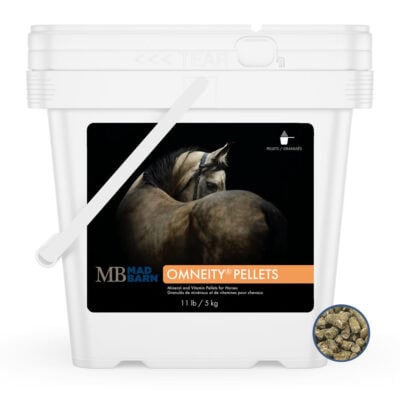
Mad Barn’s Omneity® is well-suited for easy keeper breeds like the Gotland Horse because it contains no fillers or added sugars. It delivers essential vitamins, minerals, and amino acids without contributing excess calories.
Feeding Omneity® supports hoof quality, coat condition, and metabolic function with targeted levels of biotin, zinc, copper, and amino acids. It also includes yeast and digestive enzymes to promote gut health and support immune function.
Gotland Horses also require constant access to fresh water and salt. Our nutritionists recommend adding 1 – 2 tbsp of loose salt daily to help encourage hydration and meet sodium requirements. [12]
Forage
Ideally, horses and ponies should consume approximately 2% of their body weight in forage daily. For example, a 600 lb (272 kg) Gotland pony will consume approximately 12 lb (5.5 kg) of forage per day. [12]
Providing adequate forage supports optimal digestive function and overall health in Gotland Horses. Feeding average-quality grass hay with low starch and sugar content helps these easy-keeping ponies meet their intake needs without consuming excess simple carbohydrates.
Because Gotland Horses have an efficient metabolism, careful management of forage quality and quantity is important to prevent weight gain. For ponies prone to obesity or metabolic issues, incorporating straw can help extend eating time while reducing overall calorie intake.
A forage analysis is strongly recommended to confirm that your hay meets your pony’s nutritional needs, particularly for those with metabolic sensitivity.
Feeding Recommendations
While providing free-choice forage can help encourage natural grazing behaviors, Gotland Horses may consume their daily ration quickly if intake is not managed. Using a small hole hay net can help slow consumption and support healthier feeding patterns.
High volumes of energy-dense feeds can add excess calories and sugar to the diet, increasing the risk of weight gain and metabolic issues in Gotland ponies. [12] When additional calories are needed, consider high-fiber options such as soaked beet pulp or hay pellets.
Fat supplements are a safer alternative to high-starch feeds for Gotland ponies in moderate to heavy work who require additional energy. Sources rich in omega-3 fatty acids can also support coat quality, inflammation balance, and overall health. [13]
Consider working with an equine nutritionist to create a tailored diet for your Gotland pony, especially if they have special care needs or metabolic sensitivity.
Nutritional Supplements
Gotland horses generally do best on a simple feeding program designed to meet their nutrient requirements without unnecessary supplementation.
In practice, this usually means balancing the diet with a vitamin-mineral supplement or ration balancer, providing plain salt, and adding targeted nutritional support only where it serves a clear purpose, such as addressing nutrient deficiencies, supporting metabolic health, or meeting individual health needs.
Beneficial supplements for Gotland horses may include:
- W-3 Oil: To provide additional omega-3 fatty acids and calories without increasing dietary starch and sugar.
- Optimum Digestive Health: To support hindgut health and overall digestive function where additional digestive support is warranted.
- MSM: To support joint and connective tissue health, particularly in working or aging horses.
- Spirulina: To support respiratory health and immune function in horses with specific individual needs.
Want personalized feeding guidance for your Gotland pony? Submit your Gotland horse’s diet for a free evaluation to determine if their current feeding program is meeting their nutritional needs.
Frequently Asked Questions
Here are some frequently asked questions about Gotland ponies:
The Gotland pony is classified as a pony based on its height, although it is sometimes referred to as a "Gotland horse" in English-language sources. The breed is also known as the Gotlandsruss in Sweden. Despite its smaller size, the Gotland pony has the strength, endurance, and versatility often associated with larger horses. This dual terminology reflects its physical classification and broad range of uses.
The Gotland pony originates from the island of Gotland in Sweden and is the only pony breed native to the country. It descends from primitive Scandinavian ponies that have lived on the island for centuries, often in semi-feral conditions. This environment shaped the breed's hardiness, adaptability, and efficient metabolism. Today, Gotland ponies remain closely associated with their native region and cultural heritage.
Gotland ponies are used for a variety of purposes, including riding, driving, pony harness racing, and family recreation. They are also used in conservation grazing programs due to their ability to thrive on rough forage and maintain pasture health. Their versatility makes them suitable for both children and adults in recreational and competitive settings. In Sweden, Gotland ponies are especially popular in harness racing and youth riding programs.
Gotland ponies are compact, sturdy animals with a balanced and functional build suited to both riding and driving. They typically have a straight or slightly convex profile, a well-set neck, strong back, and rounded hindquarters that support efficient movement. Their legs are short but solid, with durable hooves adapted to varied terrain. Overall, their conformation reflects strength, endurance, and practicality rather than refinement.
Gotland ponies are most commonly found in shades of dun, including bay dun, red dun, and gray dun. Primitive markings such as a dorsal stripe, leg barring, and shoulder stripes are typical of the breed. These markings reflect their connection to ancient pony types and are a defining characteristic. Other colors can occur, but dun variations are most strongly associated with the breed.
Gotland ponies typically stand between 11 and 13 hands high at the withers. This height places them firmly within the pony classification, although some individuals may appear larger due to their sturdy build. Their size makes them well suited for children and smaller riders, while still being capable of carrying adults in certain disciplines. Proper nutrition during growth supports sound development within this range.
Gotland ponies generally weigh between 400 and 600 lb (180 to 270 kg), depending on their height, build, and body condition. They are naturally robust ponies with good muscle development relative to their size. Maintaining an appropriate body condition is important, as they can gain weight easily. Regular monitoring helps prevent obesity and related health issues.
Gotland ponies are known for their kind, cooperative, and intelligent temperament. They tend to be calm and willing, making them easy to train and handle in a variety of settings. Their hardiness and adaptability also contribute to their reliability as working and family ponies. With consistent handling, they form strong bonds with their handlers and perform well in both recreational and competitive environments.
Gotland ponies are often well suited for children due to their manageable size and generally steady temperament. Many individuals are patient and tolerant, making them appropriate for beginner riders and youth programs. However, suitability still depends on the individual pony’s training, experience, and personality. Proper supervision and matching pony to rider are important for safety.
Gotland ponies are considered easy keepers, meaning they can maintain body condition on relatively small amounts of feed. This efficiency is an advantage in low-resource environments but requires careful management in domestic settings. Overfeeding or access to rich pasture can increase the risk of obesity and metabolic disorders. Monitoring body condition and adjusting diet accordingly is essential.
Gotland ponies do best on a forage-based diet consisting primarily of hay or pasture. Because they are efficient at utilizing nutrients, their calorie intake should be carefully controlled to prevent weight gain. A balanced vitamin and mineral source, along with access to salt and fresh water, supports overall health. Diets should be adjusted based on workload, age, and body condition.
Gotland ponies are relatively uncommon outside of Scandinavia, which can influence their availability and price. Costs vary depending on age, training, pedigree, and location, with well-trained or competition-ready ponies commanding higher prices. North American sales have fetched prices as high as $15,000 USD for a registered adult Gotland. Importation may also increase overall expense for buyers outside Europe. Ongoing costs such as feed, veterinary care, and training should be considered when budgeting.
Gotland ponies are generally hardy, but like many pony breeds, they can be prone to metabolic conditions such as obesity, insulin dysregulation, and laminitis. Their efficient metabolism makes careful diet management especially important. They may also experience common equine health issues such as dental problems or hoof conditions if not properly maintained. Preventive care and regular monitoring support long-term health.
Gotland ponies are well adapted to cold climates and can tolerate harsh weather conditions. Their dense coat and hardy physiology allow them to remain comfortable in cooler environments with appropriate shelter. However, protection from prolonged wet and windy conditions is still important. With proper management, they can thrive in a wide range of climates.
Summary
The Gotland pony is a hardy Swedish landrace breed known for its adaptability, calm temperament, and versatility in riding and driving roles.
- Native to Gotland, Sweden, this primitive pony evolved under natural selection in a rugged environment
- Compact, sturdy build with strong hooves and efficient metabolism suited to sparse forage
- Widely used for riding, driving, pony racing, and conservation grazing
- Prone to metabolic issues such as obesity and laminitis if overfed or poorly managed
- Requires careful weight control, forage-based nutrition, and routine health care
- Conservation breeding programs support genetic diversity and long-term population stability
References
- Gotland Pony. NordGen.
- Andersson. L. Analysis of Inbreeding in the Swedish Gotland Pony Using Pedigree Information and Microsatellite Markers. Swedish University of Agricultural Sciences. 2010.
- Årsmöte plus handlingar. Svenska Russavelsföreningen. 2026.
- The Gotland Pony. Equiworld.net 2024.
- Rasstandard. Svenska Russavelsföreningen. 2026.
- Viksten. S. M. et al. Welfare of Extensively Managed Swedish Gotland Ponies. Animal Welfare. 2023. View Summary
- Durham. A. E. et al. ECEIM Consensus Statement on Equine Metabolic Syndrome. Journal of Veterinary Internal Medicine. 2019. View Summary
- Picchi. F. Genomic Analysis of a Hypermobility Syndrome in Gotland Ponies. Uppsala: SLU, Institutionen för husdjurens biovetenskaper. 2024.
- Treiber. K. H. et al. Evaluation of Genetic and Metabolic Predispositions and Nutritional Risk Factors for Pasture-Associated Laminitis in Ponies. Journal of the American Veterinary Medical Association. 2006. View Summary
- Geor. R. J. Pasture-Associated Laminitis. Veterinary Clinics of North America: Equine Practice. 2009. View Summary
- Foreman. J. H. Hyperlipemia and Hepatic Lipidosis in Large Animals. Merck Veterinary Manual. 2024.
- Nutrient Requirements of Horses: Sixth Revised Edition. National Academies Press, Washington, D.C. 2007. View Summary
- Hess. T. and Ross-Jones. T. Omega-3 Fatty Acid Supplementation in Horses. Revista Brasileira de Zootecnia. 2014.