English
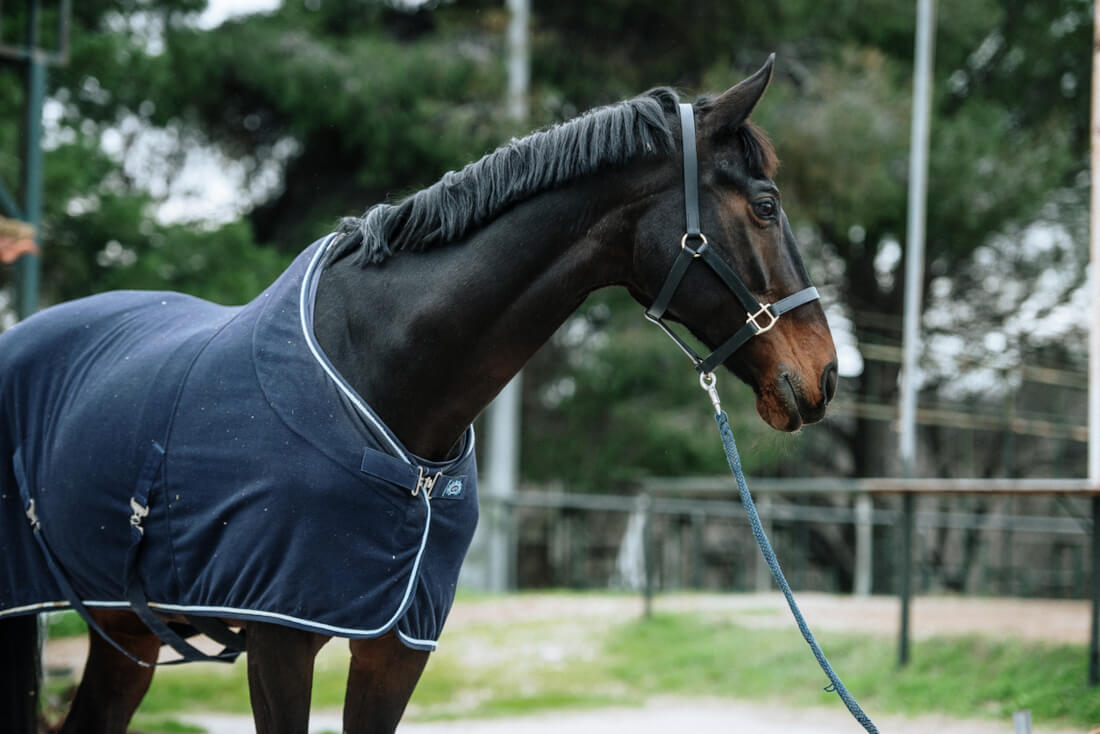
Horse coolers are specialized blankets designed to maintain a horse’s comfort, health, and recovery — particularly after exercise, bathing, or exposure to wet or cold conditions. Typically made from moisture-wicking materials such as wool or fleece, these blankets help regulate body temperature by drawing sweat or water away from the coat to prevent chills.
Horses have a naturally insulating coat, but its effectiveness is reduced when soaked through. A cooler supports the horse’s normal thermoregulation by promoting moisture evaporation while preserving body heat.
By accelerating the drying process and reducing the risk of post-exercise cold stress, coolers offer a practical, low-effort way to protect horses in variable climates.
Understanding the different types of horse coolers, their uses, and how to choose the right one can help ensure your horse remains comfortable and healthy in all weather conditions.
Horse Coolers
Horse coolers (also referred to as “anti-sweat sheets”) are blankets commonly worn by horses during cold weather after exercise or bathing. [1][2][3]
Coolers are made of wool, fleece, or other moisture-wicking materials, and in many cases, also provide insulation. The combination of moisture-wicking and insulation helps stabilize body temperature, reducing the risk of chills and energy loss. [1][4]
Coolers are sometimes used during grooming in cooler weather. In this case, the cooler is placed over the horse and sections are folded back in order to reach the parts being clipped or brushed. [3]
Coolers are also useful when transporting horses or before and after competitions, helping keep them comfortable by minimizing drafts.
Regulating Body Temperature
Horses are naturally equipped with highly effective insulation that helps them stay warm and comfortable even in harsh winter conditions. [4]
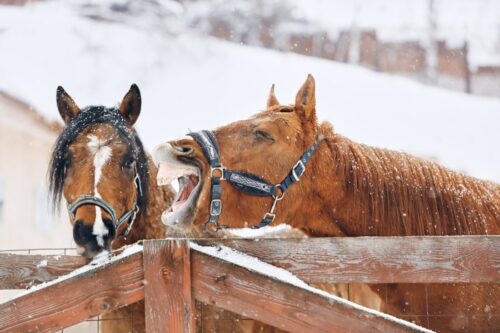
Their thick winter coats consist of long hairs that stand on end, creating a layer of trapped air that acts as insulation. When snow accumulates on their backs, the combination of natural oils and dense hair prevents moisture from penetrating through to the skin, keeping them dry despite the cold and damp environment. [4]
In addition to providing insulation, a horse’s coat helps manage moisture. When the coat gets wet, body heat pushes the moisture outward along the hair shafts, where it eventually evaporates into the air. [4][5]
In freezing and humid conditions, moisture on the outer coat may freeze into icicles at the tips of the hairs. However, because the skin stays dry and insulated, the horse remains warm and comfortable. [4]
When a horse becomes soaking wet — whether from sweating after exercise, bathing, or heavy rain — the coat temporarily loses its insulating properties. Without the ability to trap warm air close to the body, the horse may have difficulty retaining heat. [4][5]
If a horse stays wet in cold (below 40°F / 4°C) or windy conditions, it can become chilled and must use extra energy to stay warm. Simply stalling or turning the horse out without drying it first may not be enough to prevent heat loss. [4]
Fortunately, drying a wet horse doesn’t require expensive equipment or a long process. Using a cooler is a simple and effective way to remove excess moisture, allowing the horse to regain insulation and return to comfort quickly.
Benefits of Horse Coolers
The primary benefit of a horse cooler is improved comfort, health, and overall well-being. Coolers help regulate body temperature, especially after exercise or exposure to wet conditions, and are particularly helpful for horses that have been clipped or relocated to cold climates. [2]
Coolers function by wicking moisture away from the coat. This is especially important in cold weather, where trapped moisture can reduce body temperature and increase the risk of discomfort or health problems. [3]
They also help preserve the insulating function of the coat by: [3]
- Promoting moisture evaporation
- Preventing overheating
- Keeping the coat dry
Unlike heavy blankets, which can trap heat and cause sweating, horse coolers provide warmth without excessive heat buildup. They also support faster drying, helping to prevent muscle stiffness and discomfort caused by remaining damp. [3]
What's your top priority with your horse's health?

Enter your email to receive your store credit
Types of Horse Coolers
There are several types of horse coolers, each made from different materials and suited to specific uses. Choosing the right cooler depends on factors like weather conditions, how quickly it dries the horse, and personal preference. [2]
Fleece
Fleece coolers are made from synthetic fleece, a breathable and quick-drying material. [2] They are lightweight and designed to draw moisture away from the horse’s coat, supporting temperature regulation after exercise or bathing.
These coolers are commonly used for post-workout or grooming situations, as they allow moisture to evaporate while providing a moderate level of insulation. Many fleece coolers include adjustable straps for a secure fit. The material is also low-maintenance and available in various colors and thicknesses. [2]
Wool
Wool coolers are a traditional option valued for their effective insulation and moisture-wicking properties. Wool retains heat while allowing airflow, making it suitable for use in colder conditions. [2]
These coolers are generally heavier than fleece but are known for their durability and continued effectiveness even when damp. However, wool may take longer to dry, require more maintenance, and typically comes at a higher cost compared to synthetic alternatives. [2]
Mesh
Mesh coolers are designed for use in warm or humid weather when a heavier cooler is unnecessary. Made from lightweight, breathable fabric, these coolers promote air circulation while still helping moisture evaporate. [2]
They are often used after light workouts or to keep flies off a damp horse in warmer climates.
Hybrid
Some coolers are made from a combination of materials, such as fleece and mesh, to balance insulation and airflow. These hybrid designs provide warmth over key areas of the body while promoting breathability elsewhere.
They may be especially useful for horses that require moisture management and temperature regulation without the risk of overheating. [2]
Fitting a Horse Cooler
Choosing the right fit for a horse cooler is important for comfort, effectiveness, and safety. A properly fitted cooler should cover the horse’s body without restricting movement or slipping off. [6]
Start by measuring the horse from the front of the chest to the base of the tail to determine the correct size. Most coolers are available in standard sizes, but it’s important to check the manufacturer’s sizing guide to find the best fit. [6]
The cooler should drape comfortably over the horse’s back and extend far enough to cover the chest, hindquarters, and part of the neck without being too tight. When placing the cooler on the horse, ensure it sits snugly but not too tightly around the neck and chest. [6]
If the cooler has fastenings such as chest closures, surcingles, or leg straps, make sure these are secure but not overly tight, as they can cause discomfort or restrict movement. [6]
The cooler should also stay in place when the horse moves around. A cooler that is too loose may shift or bunch, causing irritation, while one that is too tight may restrict movement and circulation. [6]
How to Choose the Right Horse Cooler
Choosing the right horse cooler involves more than just picking a size or color. The ideal cooler should match your horse’s activity level, living environment, and coat condition, while also being easy for you to use and maintain.
Understanding the available options will help you select a cooler that provides effective drying and temperature regulation with minimal hassle.
Considerations include: [2][6][7]
- Fit and Coverage: A cooler needs to fit properly to ensure comfort and effectiveness. It should be large enough to fully cover the horse’s body while allowing for movement without slipping. A cooler that is too small may not provide adequate coverage, while one that is too large can shift or tangle, posing a safety risk.
- Fastening and Design Features: Different coolers come with various fastening options, such as surcingles, chest closures, and leg straps. Some designs feature a simple rectangular shape that drapes over the horse, while others are contoured for a more secure fit.
- Climate and Temperature: The choice of cooler is also influenced by the typical weather conditions in your horse’s environment. Heavier materials like wool are ideal for cold weather, while lightweight mesh or fleece coolers are better suited for mild conditions. A horse living in a humid climate needs a more breathable option than one in a dry, cold environment.
- Durability and Maintenance: Some materials are easier to care for than others. Wool is effective but requires special washing, while fleece is low-maintenance and dries quickly. For frequent use, choose a cooler that can withstand regular wear and cleaning.
- Storage and Portability: Coolers should be easy to store when not in use. Lightweight, foldable options are convenient for travel, while thicker coolers may take up more space but provide greater warmth when needed.
How to Use a Horse Cooler
Using a horse cooler correctly is key to ensuring your horse dries efficiently and stays warm after exercise, bathing, or exposure to rain or snow.
Whether you’re caring for a clipped competition horse or a pasture-kept pony, following the right steps will help restore the coat’s insulating properties and reduce the risk of chill.
1) Choose the Right Cooler
Select a cooler appropriate for the weather and the horse’s condition. If the horse is clipped, it may need a warmer cooler than if it is not. [2] Using the manufacturer’s sizing chart, measure your horse to ensure you select the right size for your horse.
2) Place the Cooler on the Horse
It’s common practice to end rides of any intensity with a cool down period of 5 to 10 minutes of walking. Using a cooler during the walking period is sometimes recommended. [2]
Otherwise, once dismounted, untack the horse and complete a quick brushing to ensure all the hairs are straightened, and no part of the coat is matted or mussed. [2]
Gently drape the cooler over the horse’s back. Smooth it out to ensure full coverage, including the chest and hindquarters. Secure any fastenings to keep the cooler in place, especially if the horse will be turned out. [2]
Consider layering heavier coolers over lightweight ones if the horse is extremely wet or the weather is extremely cold, but monitor closely to avoid trapping moisture. Be sure to monitor the horse if they are wearing multiple layers and remove the bottom layer before it becomes saturated. [3]

3) Monitor the Horse
Leave the cooler on the horse in a dry, draft-free area. The cooler will draw moisture away from the coat, helping it evaporate. This process may take over an hour, depending on the horse’s condition, the cooler material, and the environment. [2]
Periodically check under the cooler to assess whether the horse’s coat is drying. If the outer surface of the cooler becomes damp, it may need to be replaced with a dry one to continue drying effectively. [2]
4) Remove the Cooler
Once the horse is dry or nearly dry, remove the cooler. In cold weather, it may help to transition to a lightweight blanket to prevent sudden heat loss. Fluff up any flattened areas of hair with a stiff brush to bring back the natural texture. [2]
Using a horse cooler is a simple but effective part of post-exercise or post-grooming care. With the right cooler and proper use, you can support faster recovery, help the coat dry efficiently, and reduce the risk of cold stress, especially in colder weather.
Frequently Asked Questions
Here are some frequently asked questions about horse coolers:
A horse cooler is designed to support regulation of the horse's body temperature by wicking moisture away from the coat while providing insulation. This helps prevent the horse from getting chilled after exercise, bathing, or exposure to wet conditions.
A horse's natural coat has long hairs that trap air, acting as insulation against cold weather. The coat also manages moisture by pushing wetness out through the hair shafts, helping the horse stay warm and dry even in freezing conditions. [4]
The main types of coolers are fleece, wool, mesh, and hybrid coolers. Fleece coolers are lightweight and quick-drying, wool coolers are warm and moisture-wicking, mesh coolers are breathable for warmer weather, and hybrid coolers combine materials for versatility.
When selecting a cooler, consider factors like fit, climate, material durability, and the fastening system. Ensure the cooler fits snugly but allows for movement, is appropriate for the weather, and is easy to maintain.
To use a cooler, start by selecting the right one for the weather and the horse's needs. After exercise, place the cooler over the horse's back, secure it, and allow it to wick moisture away in a dry, draft-free area. Check periodically to ensure the coat is drying and replace the cooler if it becomes damp.
Summary
A horse cooler is a blanket designed to regulate body temperature and remove moisture after exercise, bathing, or exposure to cold, damp conditions. Made from materials like fleece, wool, or mesh, coolers help the coat dry effectively while preventing chills, supporting the horse’s comfort and overall well-being.
- Horses rely on their thick winter coats for insulation and moisture control, but this function is reduced when the coat becomes wet
- Coolers help maintain comfort and health by regulating temperature, managing moisture, and preventing overheating
- Coolers come in various materials, including fleece, wool, mesh, and hybrids, each suited to specific weather and use cases
- Key factors in choosing a cooler include fit, fastening style, climate conditions, and material durability
- Proper use involves selecting the right type, fitting it correctly, and allowing it to wick moisture while staying securely in place
References
- Gates. M. et al., The Effect of a Cooler on the Rate of Heat Loss from a Horse Post-Exercise. Cornell University Library. 2006.
- Gude. L., How to Select and Use a Cooler for Your Horse. Practical Horseman. 2012.
- Gude. L., Use Coolers Effectively. Practical Horseman. 2020.
- National Research Council Nutrient Requirements of Horses. National Academies Press. 2007.
- Morgan. K., Effects of Short-Term Changes in Ambient Air Temperature or Altered Insulation in Horses. Journal of Thermal Biology. 1997.
- Mills. B., How to Measure for a Horse Blanket?. Huntley Equestrian. 2025.
- Gude. L., Use Coolers Effectively. Practical Horseman. 2024.