English
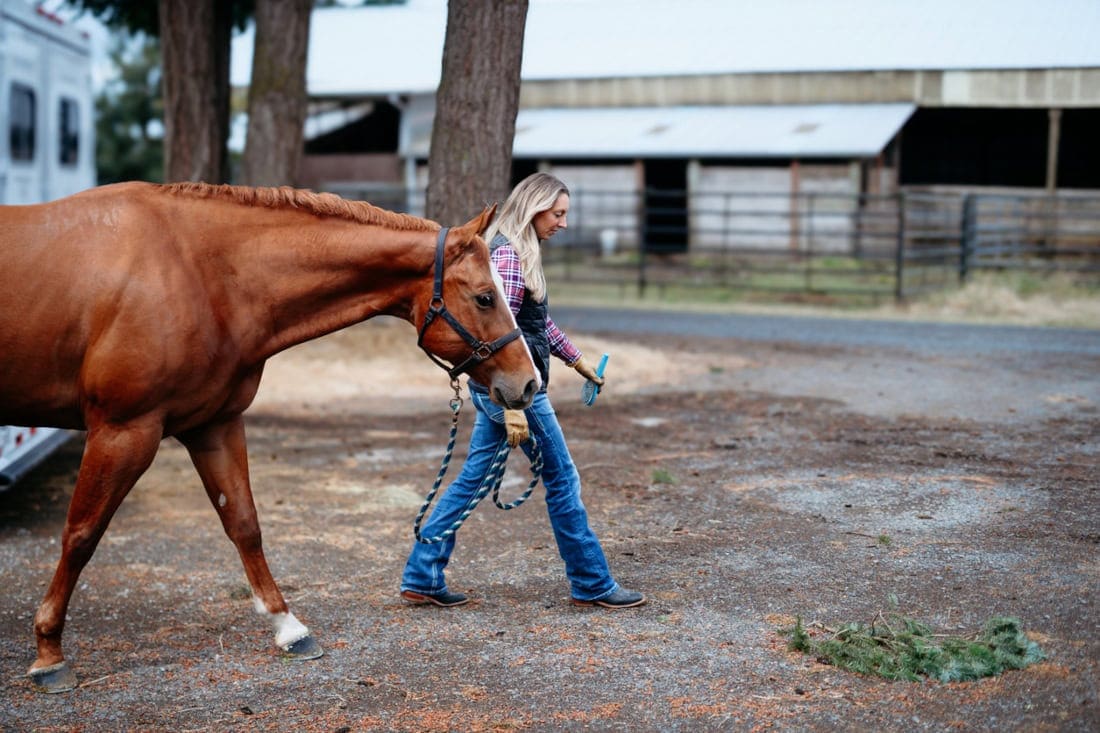
Owning a horse is a dream for many equestrians, but it’s important for first-time owners to consider the related expenses beyond the purchase price. Horse ownership comes with a range of ongoing costs, from feeding and veterinary care to boarding and equipment.
The costs of purchasing and maintaining a horse can vary significantly based on factors like the horse’s breed, age, health status, geographic location, and the intended purpose for training or competition.
With careful planning, new owners can manage their budget efficiently to provide their horse with top-quality care. In this guide, we break down the typical costs associated with horse ownership, from purchasing and maintaining a horse to additional expenses like training and emergency care.
Whether you’re a first-time buyer or an experienced equestrian looking to expand your herd, this comprehensive overview will help you make informed financial decisions and prepare for the long-term responsibilities of horse ownership.
How Much Does It Cost To Purchase a Horse?
The cost of purchasing a new horse can vary greatly, usually ranging from $1,000 to over $15,000 USD, depending on factors like age, breed, pedigree, training, and intended use.
A survey in the United States revealed that the average cost of buying a horse is around $3,000 USD. However, there is currently no centralized database for horse purchase data. [1]
Further, it’s not uncommon for highly-trained performance horses or rare breeds to cost much more — sometimes even exceeding $100,000 USD. The most expensive horse ever sold was a Thoroughbred purchased in 2000 for $70 million USD. [2]
The primary use of the horse also impacts its price. Horses meant for leisure riding or companionship are typically more affordable, whereas specialized breeds for competition or breeding can command much higher prices.
Other considerations that can influence purchase price include:
- Pedigree: Horses bred from high-value studs and mares with a proven record of performance tend to have some of the highest prices. Rare bloodlines are among the most expensive.
- Breed: The cost of specific breeds can vary, with certain breeds like Friesians, Arabians, and Warmbloods generally on the higher end due to their distinctive traits and popularity in competitive equestrian sports.
- Training: Horses that have already undergone basic training are typically more expensive than younger, untrained horses. Those with advanced or specialized training, especially for competition, come at a higher cost.
- Achievement: A horse’s success in competitions can significantly increase its value. Proven performance in the ring often makes the horse and its offspring highly desirable, raising their price in the market and studbooks.
Monthly Maintenance Costs
Before purchasing a horse, it’s important to consider the ongoing costs beyond the initial purchase price. Here’s a breakdown of the key expenses involved in keeping a horse healthy, happy, and well-cared-for.
Feeding Costs
In the wild, horses graze continuously, spending up to 16 hours a day foraging on grasses and other vegetation. [3]
For most domestically managed horses, the diet consists primarily of pasture grass or hay, with additional supplements or commercial feeds provided as needed to meet nutritional requirements.
Your feeding costs will vary depending on your horse’s size, activity level, and whether you have year-round access to pasture. Costs can also increase if your horse has specific dietary needs. For instance, performance horses or those with certain health conditions may require specialized feeds or additional supplements to support their health and performance.
On average, a healthy adult horse is expected to consume 2% of their body weight in total forage and feed each day. [4] For the typical 500 kg (1,100 lb) horse, this is equivalent to 10 kg (22 lb) of dry matter per day.
The bulk of this intake should come from forage, but depending on your horse’s workload and body condition, you may need to provide additional concentrates such as beet pulp, soybean meal, grains or oil, to ensure they meet their energy requirements.
Keep in mind that calorie requirements change depending on your horse’s physiological status and exercise level. For example, growing foals, heavily exercising horses, and pregnant and lactating mares have proportionally higher nutritional requirements than adult horses at maintenance. [4]
You can work with an equine nutritionist to help you develop a balanced diet tailored for your horse that matches your budget.
Pasture
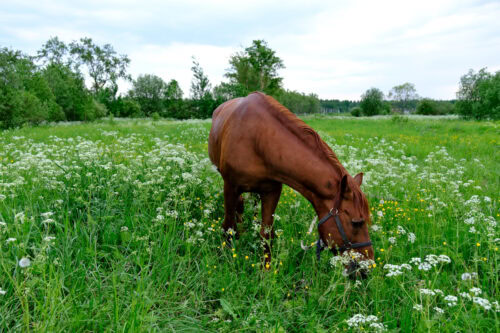
Access to well-maintained pasture can significantly reduce the need for supplemental feeding, lowering overall costs of managing a horse. However, the cost of utilizing pasture for your horse’s care depends on factors like land availability and ongoing maintenance.
Soil quality, grazing patterns, and climate conditions all influence whether pasture can meet a horse’s nutritional needs year-round. In colder months or during drought, when pasture quality typically declines, additional forage is often necessary.
It’s also important to note that pasture feeding isn’t suitable for all horses. Those with metabolic conditions or weight management issues may require more controlled feeding.
Managing pasture also requires regular upkeep, including fertilization, reseeding, weed control, fencing repairs, and rotational grazing to prevent overgrazing and ensure long-term pasture health. For those managing their own land, these maintenance tasks are critical for keeping the pasture productive and safe for horses.
For those boarding horses, pasture access may be included in the boarding fee, but it’s important to inquire about how the facility manages pasture rotation and maintenance. Poorly maintained pastures can lead to inadequate nutrition, requiring more supplemental feeding, and may also increase the risk of injury or parasite exposure.
Hay
Hay consists of dried grasses or legumes that are cut and stored to feed horses and other livestock during times when fresh pasture is not available, such as winter or in periods of drought.
For a typical 500 kg (1,100 lb) horse eating a hay-based diet, expected monthly hay consumption is approximately 300 kg (660 lb) on a dry matter basis. This is roughly equivalent to 330 kg (730 lb) of hay as-fed.
Hay prices usually range from $150 to $400 USD per ton depending on quality and location. This means the monthly hay cost for a horse could range anywhere from about $50 to $130 USD.
The price of hay also varies widely based on regional availability and time of year, with areas facing hay shortages often seeing significantly higher prices. Additionally, fluctuations in growing conditions can cause hay prices to change year to year.
Purchasing hay in bulk or during the harvest season can reduce costs, but requires adequate storage space and comes with risks, such as potential spoilage, which can lead to losses. Proper storage is essential to ensure hay remains fresh and doesn’t become damaged by moisture or pests.
Always work with a reputable grower when sourcing hay. Unfortunately, cases of hay fraud have been reported, where suppliers take seasonal deposits from customers but fail to deliver at harvest. Those affected by hay fraud can suffer significant financial losses, as they often need to scramble to find hay during peak season when prices are at their highest. [5]
In addition, not all growers have robust quality controls in their harvesting and drying operations. Depending on harvest and storage conditions, certain hays may pose a risk of mycotoxin exposure. In some regions, particularly the Western US, alfalfa forages can be contaminated with cantharidin from blister beetles, which is highly toxic to horses. These risks can be mitigated with careful harvesting and handling by the hay supplier.
One way equine facilities can offset hay costs is by growing hay themselves. This option may present an overall cost savings, but requires land, an up-front investment, and ongoing equipment and field maintenance. In addition, if on-site hay farming is unsuccessful or has a low yield, owners may find themselves with a need to buy during peak season.
Grains & Commercial Feeds
Forage-based diets are ideal for most horses, but forages won’t meet all nutritional needs of your horse. [4]
Horses in heavy work are often fed commercial grains to supply additional calories beyond what their forage provides. For example, a complete feed designed for performance horses can cost $25 – 30 USD per 50 lb (22.5 kg) bag. With a recommended feeding rate of 8 lb for a horse in heavy work, the daily cost is $4 – 4.80 USD per horse per day.
Some horse owners might opt for ration balancers, particularly for horses that are sedentary or in lower levels of work. Ration balancers typically have a feeding rate of 1 – 2 kg (2 – 4 lb) per day for a 500 kg (1100 lb) horse. These cost between $25 – 40 USD for a 50 lb (22.5 kg) bag. Assuming a feeding rate of 3 lb, the cost is $1.50 – $2.40 USD per horse per day.
For many horses, feeding the recommended amount of a complete feed or ration balancer may provide excessive calories, leading to inappropriate weight gain and potential gut health issues due to high starch or sugar intake. As a result, many horses are fed below the recommended rate, increasing their risk of nutrient deficiencies from inadequate vitamin and mineral intake.
Vitamin and Mineral Supplements
A concentrated vitamin and mineral supplement is a great option for many horses because they offer a low feeding rate at a more affordable daily cost. Well-formulated vitamin and mineral supplements provide the nutrients required to balance a forage-based diet without adding unnecessary calories, starch, or sugars.
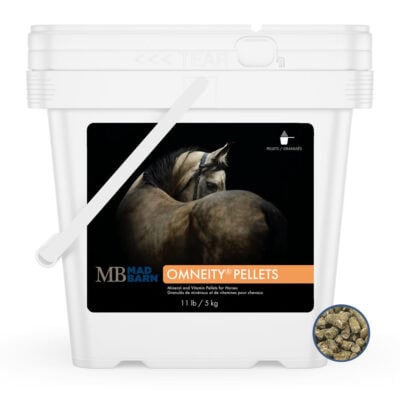
Mad Barn’s Omneity® Premix is a comprehensive vitamin and mineral supplement that is more cost-effective than a complete feed or ration balancer while ensuring a fully balanced diet.
For a 500 kg (1,100 lb) horse, the recommended daily amount is 120 grams of Omneity® Premix (powdered form) or 200 grams of Omneity® Pellets. A 25 kg (55 lb) bag of Omneity® Premix is priced at $185, while a 20 kg (44 lb) bag of Omneity® Pellets costs $125.
While the upfront cost per bag may be higher than that of a complete feed or ration balancer, the higher concentration of nutrients and much lower feeding rate results in a more economical daily cost since each bag lasts a lot longer.
For example, the cost per day for a typical adult horse is:
- Omneity® Premix: 120 grams per day at a cost of $0.89 per day
- Omneity® Pellets: 200 grams per day at a cost of $1.25 per day
Omneity® is formulated with high quality organic trace minerals, yeast to support gut health, and a nutritionally effective level of biotin per serving, eliminating the need for additional hoof supplements.
Additional Supplements
Once your horse’s diet is balanced with adequate energy, protein, vitamins, and minerals, additional supplements may not be necessary for every horse. However, in certain cases, nutritional supplements can help address specific health needs or performance goals.
The cost of supplements varies greatly based on their purpose, ingredients, and recommended feeding rate. When choosing supplements, prioritize those with minimal fillers and ingredients backed by research for safety and effectiveness in horses.
Below are examples of supplements that may complement a well-balanced diet: [9][10][11]
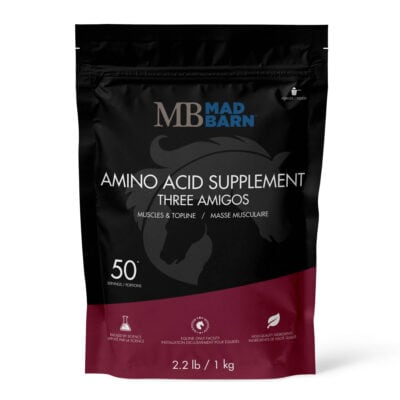
- Amino acids: Horses on low-quality hay or with higher amino acid needs, such as lactating mares or those in heavy work, may benefit from added amino acids. Key amino acids that are often deficient in equine diets include lysine, methionine, and threonine. Other amino acids are usually sufficiently supplied or can be synthesized by the horse, making them less essential in supplements. Mad Barn’s Three Amigos offers a pure blend of these three limiting amino acids for $0.60 per day.
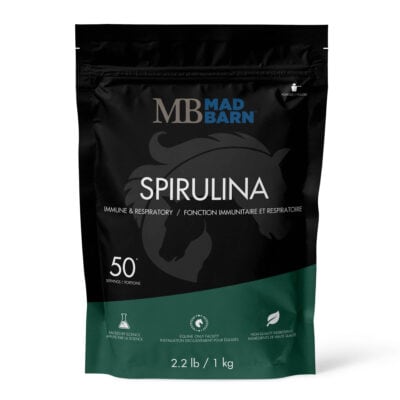
- Spirulina: Often used to support respiratory health, metabolism, immune function, and skin quality, spirulina is a versatile addition to the diet. Mad Barn’s pure spirulina powder is highly palatable and costs $0.90 per day, whereas coated spirulina products can cost up to $3.90 per day.
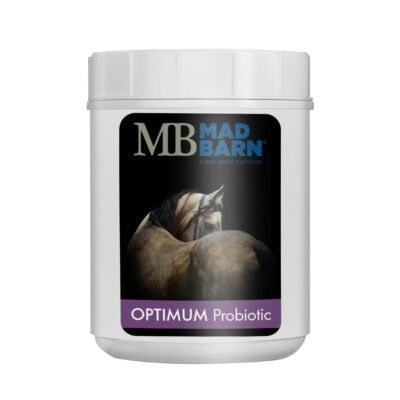
- Probiotics: Supplementing probiotics supports hindgut function and overall digestive health. To be effective, a minimum of 10 billion CFUs per serving is recommended. Mad Barn’s Optimum Probiotic provides a pure blend of four bacterial strains at an affordable cost of just $0.20 per day.
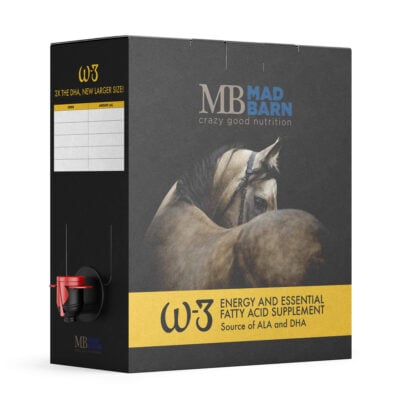
- Omega-3 Fatty Acids: Omega-3 fatty acids, such as EPA and DHA, support the normal regulation of inflammation in the horse’s body. Feeding omega-3s can help to maintain healthy skin, coat quality and joints. Mad Barn’s W-3 Oil is a fat supplement enriched with DHA and natural vitamin E that can be added to the diet for $1.14 per day.
Other costs associated with supplementation may include a carrier for top-dressing supplements. Suitable options include beet pulp, soaked forage cubes, or a small amount of commercial feed. Horses also require at least 2 tablespoons of salt per day to ensure adequate hydration and electrolyte balance. [4]
Remember that not all horses require additional supplements in their diet, depending on their current health status and typical lifestyle. If you are considering adding supplements to your horse’s diet, consult with your equine nutritionist to help you decide on an appropriate, cost-effective supplementation program for your horse.
Water
Horses need access to fresh water at all times, consuming up to 10 US gallons (37.85 L) per day and up to 15 US gallons (55 L) in hot weather. [4]
The cost of water is generally minimal, and for horse owners who board their horses, water is often included in the monthly fee. However, for those who rely on water delivery instead of on-site plumbing, this can become a considerable expense, particularly in hot weather when horses require more hydration.
For horses living in colder climates, it’s often necessary to invest in a water heating system to ensure adequate hydration over the winter. These systems usually have an up-front installation cost, but require minimal maintenance.
What's your top priority with your horse's health?

What's your top priority with your horse's health?
Boarding Costs
If you do not have your own land or facilities to keep a horse, boarding is another expense to account for. Boarding costs vary significantly from $300 to well over $1000 per month depending on the type of services provided, location, and amenities.
Different boarding options include:
- Pasture: Often the most affordable option where the horse lives outside with access to shelter, water, and basic care.
- Full service: Offers more amenities including daily turnout, stall cleaning, feeding, and may dispense medications and provide grooming services. The level of service, quality of stable facilities, and location influence the cost of full service boarding.
- Self-care: Usually a hybrid of full service and pasture boarding. Self-care offers a cost savings as the horse owner takes on some of the on-site responsibilities, like mucking out stalls or feeding supplements. However, there is more time cost for the owner as they must visit the horse and perform some of the management tasks themselves.
Health Expenses
Another expense for new horse owners to include in their budget is health care. To ensure your horse’s overall health and quality of life, owners should plan for:
- Routine veterinary care, including dental exams
- Farriery
- Emergency veterinary care
Routine Veterinary Care
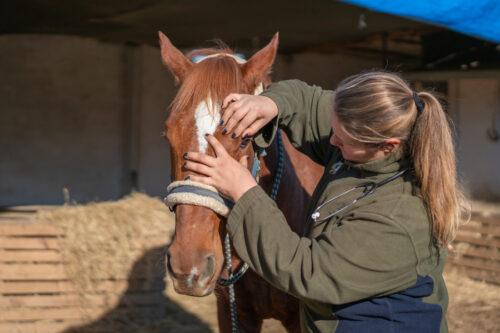
Horses, like all companion animals, require regular veterinary care. Horses need annual check-ups, vaccinations, deworming, and dental care. Staying on top of these basic care requirements not only keeps your horse healthy but also helps prevent more serious and expensive health issues from developing.
Annual veterinary costs for basic care can vary significantly depending on your location and the individual health needs of the horse. For example, in Ontario, Canada, typical yearly veterinary costs include: [12]
- Vaccinations: approximately $170
- Deworming: around $75, though this can vary based on veterinary recommendations
- Dental care: about $200 per visit
Some senior horses may require more frequent dental care, while others may benefit from increased deworming to manage environmental risk factors. Additionally, certain horses have specific vaccination needs, particularly those involved in competitions or frequent travel to new locations.
Further, most horses are involved in some form of work throughout their adult lives. Even with diligent training and care, horses can sustain injuries related to work and sport. It’s important for owners to keep unplanned veterinary costs in mind as they increase their horse’s workload.
Farriery
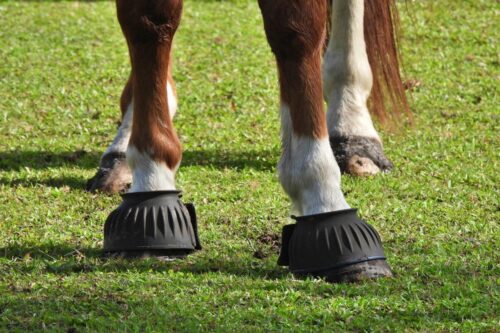
Regular hoof care is essential for a horse’s well-being. Some horses may only require a simple trim if they are barefoot, while others wear shoes to support whatever kind of work they do.
Horses that require corrective shoeing or specialized hoof care may incur additional farrier costs. Regular farrier visits, typically every 6-8 weeks, should be budgeted for as a consistent expense. [6]
Below are average costs in Ontario, Canada for three farriery options: [12]
- Barefoot trimming: $40 per visit
- Front shoes only: $75 per visit
- Full set of shoes: $150 per visit
Assuming your horse is receiving hoof care every 6 weeks, the annual cost is estimated at $346 – $1300. Note that some horses need a more frequent trimming schedule, particularly those recovering from laminitis or in heavy work.
Emergency Veterinary Care
Horses are prone to accidents and health issues like colic, which may require emergency veterinary intervention. It’s wise to set aside a reserve fund for emergencies, as emergency veterinary visits can range in cost depending on the severity of the issue.
Veterinary expenses increase significantly if your horse requires surgery, referral to a specialist, or hospitalization. Additionally, emerging technologies for injury recovery and rehabilitation are becoming increasingly popular, though they often come with a high cost.
While some of these expenses may be unexpected, it’s wise to maintain a medical budget that considers your horse’s specific risk factors and health needs.
Equipment
In addition to health care and feeding, owning a horse also means investing in the necessary equipment to participate in your equestrian sport of choice. Tack and gear costs vary based on the discipline and the quality of items purchased.
In addition, some sports have strict rules about equipment. The rules of your sport may limit the price range of legal equipment for your discipline. Always check the regulations for your events before investing in new equipment for your horse so you aren’t disappointed on show day.
Saddles
One of the most significant equipment investments is a saddle. Prices for saddles vary from $800 to over $5000 depending on the brand, material, and type. [12] While basic saddles for everyday riding are often more affordable, specialized saddles for competitive disciplines can be a significant investment.
Basic saddles are suitable for casual riding. However, even within this category, the cost can vary based on material quality and comfort.
Horses ridden in specific disciplines like dressage, jumping, or working equitation often require specialized saddles. These saddles can be customized to fit both the horse and rider, increasing the price.
Saddle fitting and tack repairs such as replacing the stirrups are additional expenses that need to be taken into account.
Bridles & Bits
Bridles and bits are important components of horse tack. Their cost depends on material, brand, and intended use. High-quality leather tack, for example, tends to be more expensive but also longer-lasting. Costs of bridles range from $100 to over $500. [12]
Grooming Supplies
Standard grooming supplies, such as brushes, hoof picks, and shampoo, are must-haves for any horse owner. While initial purchases may be relatively modest, these incidental expenses add up over time. Investing in durable, high-quality grooming tools can reduce the need to replace basic care equipment frequently.
Depending on the climate, horse owners may need blankets to keep your horse warm in winter or fly sheets to protect them from insects in the summer. The cost of blankets range from $60 to over $300 and is influenced by factors such as material, insulation, and durability. [12]
Horse Insurance
Many horse owners opt to insure their horses, especially if they have invested a significant amount in the purchase. Horse insurance can cover major medical expenses, mortality, or loss of use. Like other forms of insurance, horse coverage costs vary depending on factors including:
- Age of the horse
- Health status
- Previous claims
- Bundling
Mortality insurance is essentially life insurance for your horse. It typically costs around 3 – 5% of the horse’s value per year. [7] For example, for a horse valued at $10,000, an owner might pay around $300 to $500 per year for their mortality insurance.
Basic medical insurance covers veterinary care for illnesses or injuries. Premiums are influenced by the coverage amount, the horse’s age, health status, and any pre-existing conditions. [7]
Owners can also choose the type of medical coverage they want, excluding certain items based on factors like age or level of work. Opting in or out of types of coverage also impacts the overall price.
Training Costs
Training is another significant cost, especially for younger or untrained horses. Many horse owners work with professional trainers to help their horse excel in specific disciplines or to address behavioral issues.
Basic training covers essential ground handling (a.k.a. “ground manners”) and riding skills. Trainers may charge per session or offer packages that include several weeks or months of training.
Experienced handlers are often capable of basic training without professional assistance and do not have to budget for this expense. However, owners who are comfortable with training their own horses may need to budget for arena time or a horse park membership instead of a trainer.
If your horse is in training for a particular discipline like dressage, jumping, or reining, training costs may be higher. Professional trainers often charge a premium for these services, especially if they have a proven record of success in competitions.
It’s also important to consider riding lessons, especially for those new to horse ownership or a specific discipline they wish to pursue. The cost of riding lessons varies based on the instructor and location. [8]

Transportation & Show Fees
If you plan to compete or travel with your horse, transportation and show fees are additional costs to consider.
Owning your own horse trailer offers convenience but comes with costs related to purchase, maintenance, and storage. The price of trailers varies depending on their size, condition, and features, with larger or more customized trailers being more expensive.
For horse owners looking to compete, show fees can add up quickly. Entry fees for local shows might be relatively affordable but larger competitions cost more, depending on the level of the event. Additional costs may include stabling, travel, and accommodation for both horse and rider.
Additional Costs & Miscellaneous Expenses
While the major costs of horse ownership center around feeding, healthcare, boarding, and equipment, several smaller incidental expenses can add up over time. Other expenses to consider when owning a horse include:
- Stable supplies: Basic management tools like muck rakes, wheelbarrows, and buckets, add to overall farm expenses.
- Pest management: Especially during the warmer months, managing flies and other pests is essential for your horse’s comfort. Fly sprays, traps, and other deterrents are an ongoing annual cost.
- Bedding: If the horse is kept in a stall, bedding such as shavings, straw, or pellets is necessary. The cost of bedding varies depending on the material and local availability.
- Clipping and braiding: Some owners choose to clip or braid their horse’s hair whether for ongoing care or because doing so is required for participation in their sport. Owners can either purchase clippers and learn to do this themselves, or hire a professional.
Hidden Costs
Beyond the obvious expenses, there are hidden costs that can catch new horse owners off guard. These can significantly impact your budget if you’re not prepared.
Property Maintenance
If you’re keeping your horse on your own property, maintaining the land and facilities will add to your overall costs. Fencing repairs, pasture management, and barn upkeep can add hundreds, if not thousands, of dollars annually to your expenses. Pastures need to be reseeded and fertilized, fencing should be safe and secure, and barns may need periodic repairs or renovations.
Fencing is critical to horse safety. Even with the best materials, fences can get damaged by weather, wear and tear, or your horse itself. Ongoing fence maintenance and repair are important budgetary considerations for any horse farm.
Another ongoing expense for many facilities is pasture management. Rotating pastures, reseeding, and fertilizing can cost hundreds of dollars per year, but doing so is necessary to keep the land healthy and to provide adequate grazing for domestic animals.
Tack Repairs & Replacement
Even high-quality tack wears out over time. Saddles, bridles, and other equipment may need repair or replacement after years of use, especially if they experience significant wear from training and competing. Tack repairs can range in price depending on the complexity of the repair, while replacing old gear carries costs upwards of several hundred dollars.
In addition, as horses and riders develop together, their tack may need upgrading or other changes to accommodate new skills or changes in body condition.
Professional Services
You may need to hire professionals to help with various aspects of horse ownership. For example, horse massage therapists or chiropractors are often hired to help keep horses in peak physical condition, particularly if they are in competitive work.
Horses recovering from injuries may need ongoing support from a multi-discipline rehabilitation team. Other horses benefit from assessment by behaviorists or other consultants, which underscores the importance of taking a big-picture approach when planning for your first horse.
Retirement Expenses
As horses age and slow down, they may need to retire from work, either to a quieter lifestyle or to a facility that provides specialized care for older horses. This phase of ownership requires consideration for the horse’s changing dietary, healthcare, and boarding needs.
Pasture Retirement
Some horses can live out their retirement years on pasture with minimal need for additional support. However, as horses age, they often require extra nutritional support, special diets, or veterinary care to maintain their health and quality of life. This might include regular check-ups for arthritis, dental issues, or other age-related concerns.
Retirement Facilities
For owners who do not have the space to keep an older horse, or who need more comprehensive care for an aging animal, retirement facilities provide an alternative. These facilities often charge monthly fees, which can be substantial depending on the level of care provided.
Frequently Asked Questions
Here are some frequently asked questions about the cost of buying and owning a horse:
The purchase price of a horse varies depending on the horse's age, breed, pedigree, and history of achievement. Prices range from $1,000 to over $15,000 USD. One survey found the average purchase price for a horse in the US is $3000 USD. [1]
Boarding costs vary depending on their location and the type of services provided. Price estimates range from $300 to over $1,000 USD monthly per horse.
The monthly cost of feed for horses varies depending on the size and occupation of the horse, as well as the type of feed program the horse is on. A pasture-based diet supplemented with vitamins, minerals, and salt is often the most cost-effective option, but may not be suitable for all horses and climates.
Summary
Owning a horse is a major financial commitment, and the costs extend far beyond the initial purchase price. The ongoing costs of owning a horse can easily add up to thousands of dollars per year, and that’s without factoring in the occasional unexpected expense.
- Basic care costs include forage, feed, supplements, boarding, veterinary care, and farriery
- Horse care costs usually fluctuate over the course of a horse's life and depending on their intended use
- Travel, show fees, equipment, and training are other significant costs related to the equestrian lifestyle
- Insurance can help offset some medical costs, but premiums usually increase as the horse ages
References
- Coffin. D., Equine Facts: Guide to First-Time Horse Ownership. University of Maine Cooperative Extension Publications. 2023.
- A List of the Most Expensive Horses Ever Sold. Dubai Sotheby’s International Realty - The Journal.
- Mayes, E. and Duncan, P., Temporal Patterns of Feeding Behaviour in Free-Ranging Horses. Behaviour. 1986.
- Nutrient Requirements of Horses: Sixth Revised Edition. National Academies Press, Washington, D.C. 2007.
- Keenan. Q., "Be Aware When You’re Buying Hay": Online Hay Sale Scams on the Rise. CTV News Lethbridge. 2022.
- Karle, A. et al. Horseshoeing: An Overview. Veterinary World. 2010.
- Stowe. C. J. et al., Horse Owner Preferences for Equine Insurance Policies. Journal of Equine Veterinary Science. 2022. doi: 10.1016/j.jevs.2022.103943.
- Hernandez. J. and Hawkins. D. L., Training Failure among Yearling Horses. 2001. doi: 10.2460/ajvr.2001.62.1418. View Summary
- Mok, C,H. and Urschel, K.L. Amino acid requirements in horses. Asian-Australas J Anim Sci. 2020.
- Kellon, E.M. Use of the herb gynostemma pentaphyllum and the blue-green algae spirulina platensis in horses. Equine Congress. 2006.
- Schoster, A. et al. Probiotic Use in Horses – What is the Evidence for Their Clinical Efficacy?. J Vet Intern Med. 2014.
- Annual Horse Expense Sheet. Equine Guelph. 2013.