English











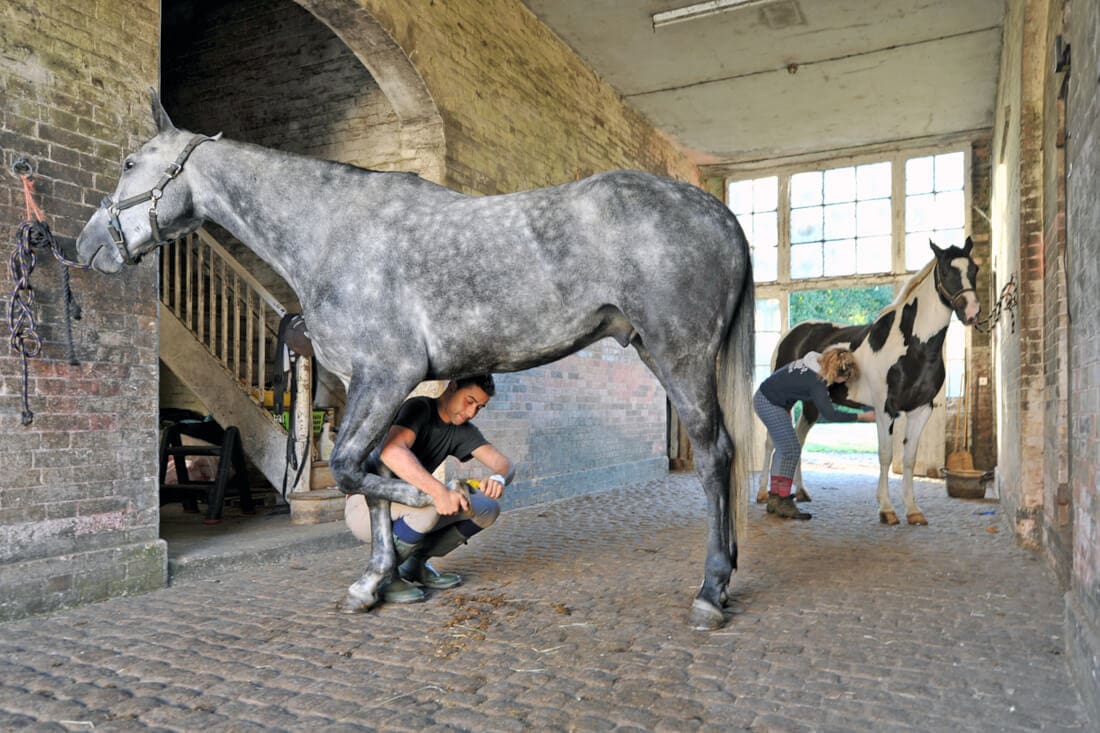
Professional grooms are responsible for the daily care and preparation of horses in training and competition across equestrian disciplines. Their duties typically include feeding, grooming, stall management, turnout coordination, tack cleaning, and preparing horses for schooling sessions, travel, and shows.
In performance barns, grooms often handle clipping, braiding, bandaging, booting, and basic leg care, and ensure horses are clean, organized, and ready on schedule. They monitor soundness, hydration, behavior, and recovery, and communicate changes to trainers, riders, and veterinary or farrier teams as needed.
Grooming work involves long hours and physical labor, particularly during competition seasons. Consistent hands-on care allows grooms to detect early changes in condition, support rehabilitation or post-competition recovery, and maintain continuity of care for horses in active programs.
Becoming a professional groom requires practical barn skills, discipline-specific knowledge, and experience handling horses under routine and high-pressure conditions. Effective grooms develop close familiarity with each horse through daily handling, which supports consistent management and preparation.
For those entering the industry or formalizing existing barn experience, professional grooming offers a structured, hands-on role focused on equine care, preparation, and performance support.
What are Professional Horse Grooms?
Professional grooms are more than just stable hands. In high-performance stables and competition yards, skilled grooms function as core members of the team, combining caregiving, technical skill, and coordination within a single role.
Daily responsibilities vary depending on the barn or rider a groom works for, but may include: [1][2]
- Managing feeding schedules
- Overseeing execution of rehabilitation plans
- Preparing horses for training or travel
- Keeping horses show-ready at events
In addition, grooms keep tack clean and properly fitted, maintain consistent grooming standards, and prepare equipment with care and accuracy.
Many grooms communicate directly with veterinarians, farriers, physiotherapists, and owners, supporting information sharing around each horse’s care plan. [1][2]
Consistent hands-on involvement means grooms get to know the horses in their care, including individual moods, habits, routines, and reactions to handling. This familiarity supports daily management that fits each horse’s condition, temperament and workload.
Grooms are often the first to identify early signs of discomfort, lameness, or injury through daily handling and observation. Changes in appetite, movement, soft tissue temperature, or behavior may indicate developing issues, including early signs of colic or pain-related stress.
At higher levels of equestrian sport, grooms are entrusted with maintaining physical care and mental readiness for elite horses. Responsibilities often include travel, competition preparation, and daily care in high-pressure environments.
Organization, consistency, and attentive handling support horses’ well being during busy competition seasons.
What's your top priority with your horse's health?

Enter your email to receive your store credit
How to Become a Professional Groom
Most grooms begin their careers with hands-on experience at a local barn. Skill development often continues through formal education, mentorship, and structured, on-the-job training.
Career progression moves from basic barn duties into roles with greater responsibility, broader oversight of horse care, and higher levels of specialization.
Hands-On Experience
Every professional groom starts with learning basic horse care. Early exposure often comes through volunteering at local stables, working part time at riding schools, or assisting at livery yards.
These settings provide hands-on experience with stall cleaning, feeding routines, grooming, leading, and turnout practices that support day-to-day barn operations.
Regular barn work also helps prospective grooms learn whether the lifestyle is a good fit. A groom’s duties don’t wait for good weather conditions and involve physically demanding, repetitive tasks.
Time spent handling different horses, noticing behavior patterns, and following set routines helps prospective grooms build confidence while helping people decide if grooming suits their long-term goals.
Education & Certification
Practical experience is essential, while formal education expands grooms’ technical knowledge and professional standing. Many competitive stables look for staff who have completed training programs in equine care.
In Canada, the University of Guelph Equine Studies department offers a range of continuing education courses, while in the UK, qualifications from the British Horse Society (BHS) are widely recognized across the equine industry. [1][3]
Structured programs typically cover:
- Equine anatomy and physiology
- Feeding principles and nutrition planning
- Safe grooming and bathing techniques
- Tack fitting and maintenance
- Hoof care and lameness recognition
- Wound care, bandaging, and emergency protocols
- Stable management and biosecurity
Courses range from entry-level certificates to advanced diplomas, with many programs offering specialization in performance horse care, competition grooming, or rehabilitation management. Some grooming schools operate as full-time training centers that combine classroom instruction with structured yard work and guided mentorship.
Mentorship in the Field
Mentorship offers one of the most direct ways to advance within grooming roles. Apprenticeships and working pupil positions place aspiring grooms alongside experienced professionals while providing consistent, hands-on experience.
Observing head grooms, barn managers, or other grooms shows how daily routines are organized, emergencies are handled, and client communication is managed, offering practical insights beyond formal coursework.
Early responsibilities often focus on routine tasks such as yard maintenance or hay net preparation. With supervision, duties typically expand to tacking up, leg wrapping, rehabilitation support, and preparing horses for transport. Consistent reliability, clear communication, and professional conduct often lead to increased responsibility over time.
Industry clinics, workshops, and equine expos also support professional growth. Participation helps grooms build professional connections and stay informed about changing approaches to equine health, equipment, and everyday care.

Key Skills for Professional Horse Grooms
Working as a groom involves more than daily horse care. Physical demands, practical horsemanship, and clear communication shape everyday responsibilities, safety, and long-term sustainability. Success in this role reflects how well these skills come together within busy, dynamic environments.
Physical Fitness & Stamina
Groom work involves long hours on foot, frequent bending and lifting, and constant movement across uneven ground, often while handling large or reactive horses. Work doesn’t wait for the weather and continues in high heat, heavy rain, and freezing temperatures. Unlike office-based roles, daily tasks follow fixed schedules and continue regardless of discomfort or weather conditions.
Physical demands affect the entire body and call for strength, endurance, and consistency. Daily tasks usually include: [5]
- Mucking stalls
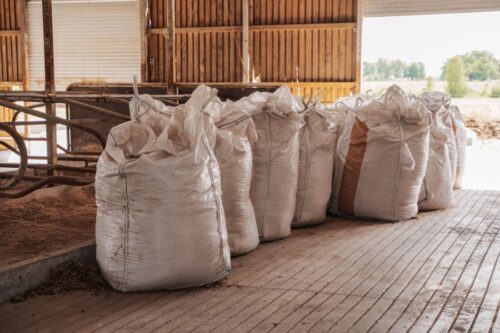
- Lifting feed bags
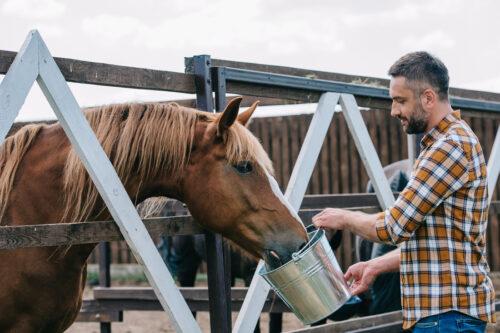
- Carrying water buckets
- Cleaning equipment
- Sweeping aisles
- Grooming horses
- Walking or trotting horses in-hand
Physical fitness influences long-term comfort and career longevity for professional grooms. Conditioning that supports back strength, joint mobility, and cardiovascular capacity is linked to lower strain during daily work.
Familiarity with workplace safety practices like ergonomic lifting methods, task rotation, and steady pacing helps reduce injury rates while maintaining work capacity over time. [5]
Horsemanship
Working with horses requires ongoing awareness and the ability to read equine body language. This skill shapes a groom’s career and supports safe handling, especially when working with young, anxious, or high-energy horses.
A calm, confident presence supports steady interactions, while situational awareness reduces risk for both horse and handler.
Effective handling depends on recognizing when to set clear boundaries and when to allow space. Grooms often work with valuable competition horses, where small mistakes can lead to injury or interrupted training schedules.
Handling practices balance sensitivity with consistency, particularly in unfamiliar or high-pressure settings such as veterinary clinics or showgrounds.
Professional grooms work with horses from many different backgrounds, and there is no single “correct” training method used across the industry. Different barns, riders, and owners may follow distinct approaches to handling, discipline, and daily routines. Because of this, it’s important for grooms to understand the horsemanship style expected in their workplace and adapt their handling accordingly.
At the same time, grooms should feel confident seeking employers whose training philosophies align with their own ethics and comfort level. Clear communication about handling expectations helps ensure consistency for the horses and supports a safe, professional working environment.
Communication
Professional grooms typically work within a larger team that includes riders, trainers, veterinarians, farriers, physiotherapists, barn managers, and other stable staff. Clear, respectful, and timely communication within this group supports consistent care and smooth daily operations.
Effective interpersonal communication skills contribute to an organized and functional workplace. Grooms are also expected to share their observations, ask questions, and raise concerns about feeding schedules, treatment plans, or routine changes that could affect a horse’s condition.
Specialization Opportunities
Success as a professional groom involves more than time spent with horses. Interest in horses often serves as an entry point, while daily work demands technical skills, physical ability, and careful observation.
Skilled grooms consistently apply these abilities, adjusting to changing demands while maintaining reliable standards of care across varied settings.
Career growth often includes specialization, which supports clearer direction and more opportunities within the industry. Common areas of focus include advanced skills in:
- Clipping
- Braiding
- Competition turnout
- Equine massage
- Wrapping legs
- Managing tack rooms
- Implementing physiotherapy exercises
- Coordinating travel documentation
Career Growth for Professional Horse Grooms
Working as a professional groom is sometimes seen as a temporary role, though many people build long-term careers in the field. Skills gained through years of hands-on horse care often carry over to a wide range of opportunities across the equine industry.
One possible progression path leads to positions such as Head Groom or Yard Manager. Responsibilities for these roles extend beyond daily horse care and may include:
- Staff supervision
- Schedule coordination
- Supply organization and restocking
- Routine communication with veterinarians and farriers
Some grooms specialize as Show Grooms, traveling with competition horses to national and international events. Daily duties might include preparation, such as clipping, braiding, equipment organization, and maintaining consistent routines in busy show environments. Close working relationships with horses and riders often develop through repeated travel and shared schedules.
Freelance grooming offers a flexible alternative that brings variety to day-to-day work. Freelance grooms support multiple clients through short-term or seasonal contracts, including show assistance, holiday coverage, or periods of high demand. Success in this setting relies on adaptability, independence, and the ability to settle into new yards quickly.
Clinical and rehabilitation settings offer other opportunities for experienced grooms. Roles such as Therapy or Rehabilitation Groom focus on horses recovering from injury or illness, often within veterinary clinics, equine hospitals, or rehabilitation centers. Daily work involves close coordination with veterinary teams and detailed attention to recovery routines.
Challenges of Working as a Professional Horse Groom
Professional grooming is a demanding and often underappreciated career. It requires unwavering dedication, physical stamina, and emotional resilience. Early mornings, long days, and physically exhausting work are standard in the industry. [7]
Injuries are a real risk. Grooms regularly handle unpredictable animals that may bite, kick, rear, or spook without warning. Even the most well-trained horse can behave dangerously when frightened, in pain, or in unfamiliar environments.
This combined with the strain of repetitive tasks like lifting and bending makes professional grooms prone to exhaustion and burnout. [7]
The emotional demands are just as intense. Grooms are often expected to notice the earliest signs of injury or illness, manage emergency situations, and sometimes help make difficult decisions about treatment or euthanasia. In high-stress show environments, they may work long hours under pressure with little rest or appreciation. The work can feel invisible, with most of the credit going to riders or trainers. [7]
Despite these challenges, many grooms remain fiercely committed to their work. Their motivation comes from the bonds they build with the horses in their care. They take pride in seeing a nervous youngster grow into a confident athlete, or a sick horse return to health through attentive care.
For many, the stable becomes a second home, and the horses a second family. The sense of purpose and connection to the animals makes the hard days worthwhile. For those who truly love horses, no other job offers the same depth of meaning and quiet reward.
Frequently Asked Questions
Here are some frequently asked questions about working as a professional horse groom:
Formal qualifications are not strictly required to become a professional horse groom, particularly at the entry level. Practical experience, strong horsemanship, and reliability matter most early on. Completing equine care courses or certifications can improve job prospects, especially in competitive barns or high-level sport settings.
Working as a professional horse groom can be a viable long-term career for individuals who enjoy hands-on horse care and stable management. With experience, many grooms advance into roles such as head groom, show groom, or yard manager. Long-term careers often combine technical skill, organization, and leadership.
Successful horse grooms typically show strong horsemanship, attention to detail, physical endurance, and emotional resilience. A calm and confident approach around horses supports safety and efficiency. Communication and organization skills also play an important role, particularly in busy or competitive environments.
Professional horse groom salaries vary widely depending on experience, location, and the level of competition they work in. Entry-level grooms may earn modest hourly wages, while experienced grooms on high-performance show circuits can earn higher salaries, especially when housing, travel, and bonuses are included. Pay may also increase with specialized skills, long-term positions, or additional responsibilities such as managing multiple horses or coordinating competition schedules.
Summary
Professional grooms play a foundational role in equine care by supporting horse health, performance, and daily operations behind the scenes. Their work combines physical skill, organization, and close attention to each horse’s needs.
- Professional grooms are responsible for daily care tasks such as grooming, feeding, tack management, and health monitoring
- Work often includes travel logistics, competition preparation, and coordination with trainers and veterinarians
- Physical stamina and practical horsemanship are essential for managing demanding schedules and environments
- Strong observational skills allow grooms to identify early changes in behavior, soundness, or condition
- Career satisfaction often comes from contributing to equine well-being and supporting athletic success
References
- Grooms. British Equestrian.
- Groom. The British Horse Society. 2026.
- Catalogue - Grooms' Training. FEI. 2023.
- Preparation, Application and Removal: How to Master Your Braiding Skill. NOËLLE FLOYD. 2022.
- Parker. B. Maintaining Health and Fitness When Working with Horses. The Grooms List. 2018.
- Wheeldon. K. Being a Better Groom. GRASSROOTS GAZETTE. 2022.
- Duarte. A-M. How to Prevent Groom Burnout. Horse Sport. 2024.