English

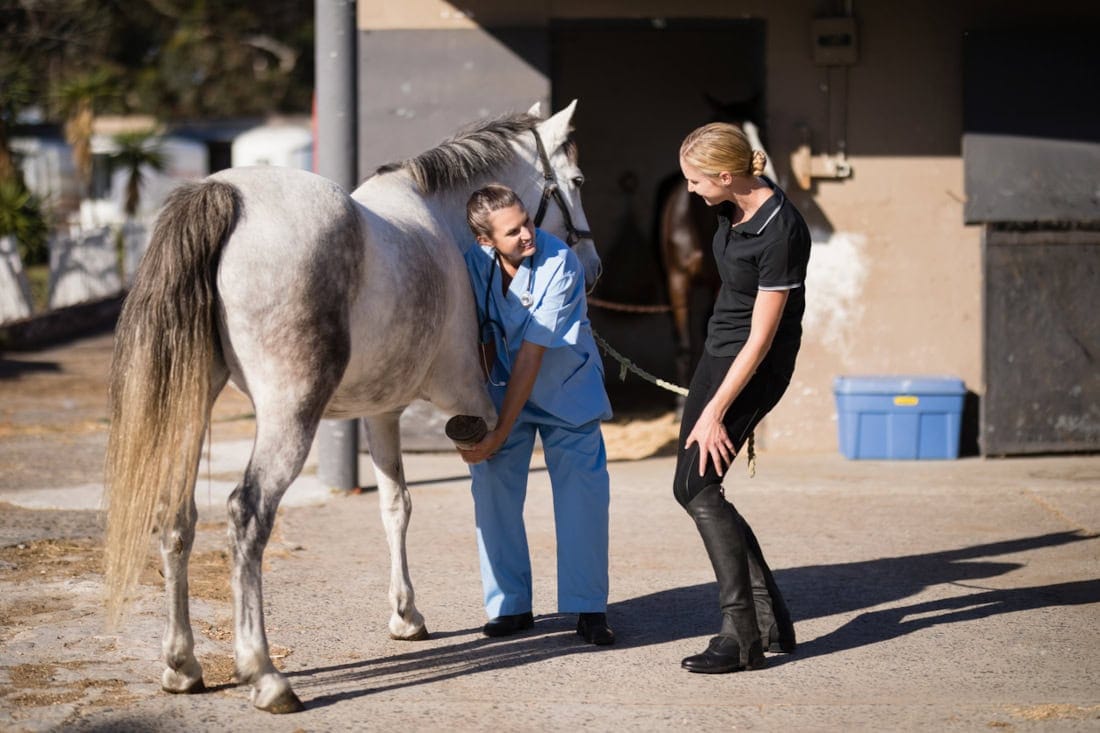
Injury recovery in horses is a complex journey that often requires careful management, patience, and a tailored rehabilitation plan.
Whether your horse has suffered a traumatic injury, undergone surgery, or is dealing with a chronic condition, the road to recovery is about more than just physical healing. It is also about restoring function, maintaining mental well-being, and setting realistic goals for your horse in the short and long-term.
Proper rehabilitation aims to restore the horse to its previous performance level or, if that is no longer achievable, to a new level of performance that suits the horse’s current capabilities.
By understanding key aspects of injury recovery and how practitioners track progress holistically, owners can make informed decisions about treatment and set realistic long-term goals for their horse’s recovery and future performance.
Injury Recovery in Horses
The first step in any rehabilitation process is to understand the nature and extent of the injury experienced by your horse. This will determine the appropriate treatment plan and the necessary steps for a successful recovery.
A veterinarian should perform a thorough examination, which may include diagnostic tools such as X-rays, ultrasounds, or MRIs, to accurately identify the injury and its severity.
Once the injury is diagnosed, your veterinarian will develop a tailored rehabilitation plan, considering factors such as the type of injury, the horse’s age, fitness level, and overall health.
This plan typically consists of several key stages, including rest, controlled exercise, and gradual reconditioning. It will also incorporate therapeutic interventions, nutritional support, and continuous monitoring to track the horse’s progress.
Stages of Recovery
Horse injuries, like those in other mammals, go through three distinct phases of healing: [1][2]
- Inflammation: This immediate response to injury lasts 3 to 7 days, peaking within 24–48 hours. The inflammatory response plays a positive role by increasing blood flow to the area and initiating the healing process. While some inflammation is beneficial, excessive or prolonged swelling may need management to prevent further harm.
- Repair: As the initial inflammation subsides, the body begins to repair damaged tissues, forming new collagen and blood vessels. This phase can last anywhere from a few weeks to several months, depending on the severity of the injury.
- Remodeling: In this final phase, new tissue strengthens and reorganizes to restore normal function. The process can last months to years, aligning fibers to withstand regular activity. Proper rehab exercises during this time are essential for building strength and reducing re-injury risk.
Each phase of recovery requires specific care and rehabilitation strategies. Moving too quickly or pushing a horse too hard in the early stages of injury recovery can lead to setbacks and increase the risk of permanent damage. [3]
Managing Expectations During Rehab
Horse owners and caretakers are often eager to see their horses return to previous levels of performance as soon as possible after an injury. During your horse’s recovery, it’s important to communicate proactively with your veterinarian and rehabilitation staff to ensure you have realistic expectations.
While everyone involved in your horse’s care is focused on optimizing recovery, the process can be unpredictable, and setbacks may happen.
Understanding factors that influence recovery outcomes can help you and your horse’s care team set expectations together at the outset. Factors that may influence the outcome of a rehabilitation program include: [4][5]
- Severity of the injury
- Age and health status of the horse
- Types of treatments included in the program
- Current fitness level of the horse
Severity of Injury
The type and severity of the injury affecting your horse significantly impacts the rehabilitation timeline. For example, a minor soft tissue injury may heal within a few weeks with rest and proper care, while a more severe tendon or ligament injury could take several months or even over a year to fully recover. [4][5]
Age & Health Status
Older horses, or those with underlying health conditions, may require a longer recovery period compared to younger, healthier animals. Their bodies are slower to heal, and they may face additional challenges, such as joint stiffness or muscle atrophy, that complicate the rehabilitation process. [4][5]
Type of Treatment
Horses that undergo surgery or require repeated medical treatments (e.g., joint injections, regenerative therapies) often have a more prolonged recovery period. Additionally, the effectiveness of these treatments can vary, meaning the desired results might take longer than expected, or they may not be as dramatic as hoped. [4][5]
Horse Fitness
A horse that was in peak physical condition before injury may have an easier time returning to work, as their body is better equipped to handle the stresses of rehabilitation. Conversely, a horse that was less fit and conditioned before the injury might need extra time to regain strength and mobility. [4][5]
Communication with Your Veterinarian
Throughout the rehabilitation process, maintaining open communication with your veterinarian is critical. Regular check-ups and consultations help ensure your horse is progressing as expected and for adjustments to the treatment plan when necessary.
Veterinarians can offer guidance on the effectiveness of various rehabilitation techniques and advise on additional therapies, such as acupuncture, chiropractic care, or regenerative medicine, that may support recovery.
What's your top priority with your horse's health?

Enter your email to receive your store credit
Rehabilitation Programs for Injury Recovery
Rehabilitation is a key component of injury recovery in horses. Rehabilitation involves a structured program of exercises and therapies that are specifically tailored to the type and severity of the horse’s injury, as well as its stage of recovery. It requires careful planning and ongoing assessment to support the horse’s return to activity.
In addition to ongoing medical support and management changes, individual rehabilitation programs may include:
- Controlled exercise
- Hydrotherapy
- Massage therapy
- Chiropractic care
- Acupuncture
- Laser therapy
- Therapeutic ultrasound
- Shockwave therapy
Collectively, these modalities are referred to as physiotherapy or physical therapy.
Controlled exercise
Controlled exercise, such as hand-walking, gentle stretching, or walking on a treadmill at low speed, is one of the most widely used rehabilitation techniques. Proper exercise helps injured tissues regain strength and mobility without over-exertion.
The key to successful controlled exercise is gradual progression, starting with low-intensity activities and slowly increasing the workload as the horse’s condition improves. [3][5]
Hydrotherapy
Hydrotherapy refers to the use of hot and cold compresses (contrast therapy) to target treatment areas, or the use of water to create buoyancy during activities, such as with an underwater treadmill or swimming pool.
Buoyancy provided by partially submerging the horse in water helps reduce the load on joints while encouraging movement. The buoyancy of the water allows for controlled exercise with minimal impact, making it especially useful for horses recovering from joint injuries or surgery. [3][6]
Hot/cold compression therapy is routinely used in human rehabilitation settings, but its effectiveness in equine recovery requires further study. [7] Nonetheless, this method is sometimes used in equine injury cases, particularly during the initial inflammatory phase. [7]
Icing or cold compression is used particularly in equine tendon injuries to reduce inflammation. The use of heat is thought to improve collagen elasticity and extension, aiding a return to full range of motion. [7]
Cold therapy may also be used in some cases of equine injury immediately following controlled exercise. This intervention is performed to mitigate increased temperature in the site of injury related to an overall rise in body temperature during exercise, minimizing inflammation and pain in the recovery zone. [8]
Massage
Massage therapy for horses involves using hands or tools to manipulate the skin and muscles. These techniques can help alleviate tension in soft tissues, improve blood circulation, and encourage relaxation. [9]
In veterinary practice, massage is often used to maintain or enhance performance, support injury rehabilitation, and reduce stress.
Chiropractic Care
Chiropractic care for horses is a therapeutic method aimed at correcting misalignment and improving the function of the musculoskeletal system. [10]
This treatment involves moving a joint through its natural range of motion to restore homeostasis (i.e. the body’s normal set points) within the joint. By moving the joint through its normal range of motion, chiropractic adjustments can help stretch the surrounding soft tissues and address any limitations in the joint’s mobility. [10]
Acupuncture
Acupuncture is a therapeutic technique that has evolved over centuries and is now commonly used for treating various species, including horses. It involves inserting fine needles into specific points on the body to alleviate pain or enhance the function of different body systems. [11]
The practitioner selects acupuncture points based on the condition being addressed and carefully places needles into these targeted areas. Many of these points are located near nerves and vascular bundles. When the nerves and vessels are stimulated, it can result in pain modulation, increased blood flow, and decreased muscle tension. [11]
How to Track Rehabilitation Progress
Successful rehabilitation of an injured horse goes beyond returning to riding or competition. It requires careful monitoring of various factors that indicate the horse’s overall health and well-being.
By measuring progress incrementally, veterinarians and owners can work together to set realistic goals throughout the recovery process.
Key metrics to monitor during your horse’s recovery depend on the nature of the injury, but may include:
- Pain level
- Range of motion
- Muscle tone and strength
- Mental well-being
- Assessment of healing through ultrasound
Pain Level
A reduction in pain is one of the first signs that a horse’s recovery is on the right track. Monitoring pain levels can be done through physical exams, observing the horse’s gait, and noting any behavioral changes that might indicate discomfort.
Practitioners may also use subjective tools like a grimace scale or pain ethogram to aid their assessment of equine pain. Owners can learn to use these tools at home when monitoring their horse between rehabilitation sessions.
Veterinarians may also recommend medical pain management strategies, such as the administration of NSAIDs or joint injections while the horse is in recovery. [12][13] Always follow your treating veterinarian’s guidelines for use of pain medications, including dosages and schedules, to ensure the best outcome for your horse.
Range of Motion
Restoring injured horses to full range of motion is one of the primary goals of injury recovery. Range of motion can be assessed by observing how well the horse moves, including its ability to flex its joints or perform specific movements like trotting and cantering. [12][13]
Muscle Tone & Strength
During rehabilitation, it’s important to monitor the horse’s muscle tone and strength, as muscle atrophy is a common consequence of injury due to lack of exercise during the initial stages of rehabilitation. Controlled exercise and physiotherapy should help restore muscle mass, but any lingering weakness might indicate that more time is needed before the horse returns to work. [12][13]
Mental Well Being
Rehabilitation from an injury can be challenging for your horse’s mental well being, especially if they are confined to a stall.
When horses are restricted from moving and grazing freely, they may show signs of boredom and frustration, including: [14]
Frustration in horses can lead to aggressive or agitated physical behaviors, which may increase the risk of additional injury.
Maintaining a balance between physical recovery and mental stimulation is crucial during rehabilitation. Some strategies to enrich your horse during stall rest include:
- Hand feeding
- Gentle grooming
- Enrichment activities
- Providing access to other horses, such as through an open window
Monitoring via Ultrasound
Some injuries, especially injuries to ligaments and tendons, are evaluated for healing with ultrasound. This form of imaging provides insight about how well tissue defects are filling in, if swelling is still present in the injury site, and how organized the tissue fibers are. This information indicates how well the injury is healing to your veterinarian.

Common Challenges in Equine Rehabilitation
Rehabilitation comes with its share of challenges, and it is important to recognize and address potential roadblocks proactively to ensure a smooth recovery.
Some common challenges for horses recovering from injuries include:
- Setbacks
- Doing too much, too soon
- Staying on track
Setbacks
In some cases, horses may experience setbacks during recovery, such as re-injury or complications from surgery. This can be frustrating for owners, but by staying patient and following the advice of veterinary professionals, you can keep your horse on track to meet your long-term goals. [3][4]
Too Much, Too Soon
It’s not uncommon for horses to show signs of improvement before their injury is fully healed, which can lead owners to reintroduce exercise earlier than recommended. [3][4]
However, engaging in activity that exceeds the horse’s current recovery capacity can increase the risk of re-injury and potentially delay the healing process. [3][4]
If your horse appears ready to increase their exercise load earlier than expected, consult your veterinarian to assess the appropriate level of activity and evaluate the potential risks of further injury.
Staying on Track
Depending on the nature of your horse’s injury, their rehabilitation program might be complex and multi-faceted. Individualized protocols may require:
- Multiple in-clinic and on-farm sessions
- Ongoing medical intervention and monitoring
- At-home instructions for owners to follow for weeks or months
Keeping up with these demands can be challenging for owners, especially when balancing other personal concerns like managing other animals, family obligations, and work. In addition, it can be difficult to stay on track if the horse becomes resistant to certain exercises or treatments.
Fostering open and proactive communication between yourself and your horse’s rehabilitation team can help everyone find a regimen that optimizes recovery while balancing individual priorities. [3][4]
Finishing Rehabilitation
In an ideal scenario, your horse’s rehabilitation program concludes when the horse returns to their pre-injury level of activity without recurring issues or pain. However, defining success is not always straightforward. For some horses, especially those recovering from serious injuries, a successful rehab outcome may mean returning to a lower level of performance or activity.
Regardless of the outcome, a successful rehabilitation process is typically characterized by:
- Restoration of the horse’s ability to engage in some level of physical activity
- Alleviation of pain and discomfort
- Sustained long-term health and physiological stability
- Evidence of positive mental well-being
Return to Work
For performance horses, success is often defined as returning to competition or high-level training without any signs of discomfort or lameness.
A full return to work is achieved when the horse can perform at its previous level, whether in racing, eventing, dressage, or any other discipline. [3]
While some horses may not be able to return to their pre-injury performance level, they may still participate in their discipline at a lower level. Others might transition to new disciplines that involve different skills and fitness requirements.
Resolution of Pain and Discomfort
A key indicator of successful rehabilitation is the absence or significant reduction of pain. This includes not only physical signs, like lameness or stiffness, but also behavioral signs, such as reluctance to move, ear pinning, or changes in attitude. Pain-free movement serves as a strong marker of an effective rehabilitation process. [3]
Long-Term health
Successful rehabilitation involves ensuring the horse’s overall health well beyond the completion of the recovery process.
A full recovery is marked by the absence of injury recurrence and the maintenance of the horse’s overall health over time. Implementing long-term management strategies, such as appropriate exercise and joint-care routines, is essential in reducing the risk of future injuries. [3]
Mental Well-Being
Signs of positive mental well-being in the horse also point to successful rehabilitation. Indicators of mental well-being after injury include: [3]
- Return to normal behavior
- Reduced or resolved stereotypic behaviors
- Positive attitude
- Enthusiasm for work or daily activities
Post-Rehabilitation
The conclusion of a rehabilitation program is not the end of a horse’s recovery journey. Long-term care and preventive strategies are essential to maintaining your horse’s performance and minimizing the risk of re-injury.
Key aspects of ongoing care after rehabilitation may include:
- Conditioning
- Ongoing physiotherapy
- Balancing workload
- Environmental changes
Conditioning
Once the horse has returned to regular work, it’s important to implement a conditioning program that continues to build strength, flexibility, and endurance. Conditioning should be developed gradually and tailored to the horse’s discipline to maximize results without re-injury. [3]
Work with your veterinarian and a qualified trainer to determine the optimal conditioning program for your horse.
Ongoing Physiotherapy
Even after the rehabilitation program has concluded, continuing with physiotherapy, such as massage, chiropractic care, or acupuncture, can be beneficial in maintaining the horse’s physical health. These treatments can help alleviate any minor discomfort, prevent muscle tightness, and promote long-term joint health. [3]
Balancing Workload
Balancing the horse’s workload is critical for preventing future injuries. Horses should have adequate rest periods, especially after intense training or competition. Monitoring the workload and incorporating cross-training (such as swimming or light trail riding) can help maintain fitness without putting excessive strain on previously injured areas.
Environmental Changes
In some cases, environmental adjustments, such as changes in footing or stable conditions, may be necessary to ensure the horse’s comfort and prevent re-injury. For instance, softer arena footing or padded stall mats can reduce the impact on joints and minimize the risk of future strain. [3]
Preventing Injuries
Injury recovery and rehabilitation programs provide valuable lessons for preventing future injuries. By identifying and understanding the factors that contributed to the initial injury, horse owners can adopt strategies to minimize the risk of recurrence and maintain the horse’s long-term health.
Effective prevention strategies for injuries in horses include:
- Incorporating warm-up and cool-down routines during training
- Providing regular hoof and dental care
- Following customized training plans
- Closely following veterinary recommendations
- Providing a balanced feeding program with adequate vitamins, minerals and protein
Warm up & Cool down
One of the most effective methods for injury prevention is incorporating structured warm-up and cool-down routines into the horse’s daily exercise regimen. [3]
Warm-up exercises gradually increase blood flow, elevate muscle temperature, and enhance joint mobility, optimizing the horse’s musculoskeletal system for the demands of physical activity. This process reduces the risk of strains or tears in muscles, tendons, and ligaments by promoting elasticity and flexibility.
Cool-down exercises are equally crucial, as they facilitate the gradual return of the horse’s heart rate and respiratory rate to resting levels. These exercises aid in the removal of metabolic byproducts, such as lactic acid, from the muscles, helping to reduce inflammation and promote effective muscle recovery, thereby minimizing the risk of post-exercise stiffness or injury.
Hoof & Dental Care
Hoof and dental health are key components of equine injury prevention. Hoof imbalances or poor hoof quality can alter the horse’s gait, leading to abnormal stress on the joints, tendons, and ligaments, increasing the risk of injury. Similarly, dental issues can cause discomfort, which may result in compensatory changes in posture and movement. [3]
Regular farrier care and dental exams are essential for maintaining overall health. Consistent hoof trimming, shoeing, and dental maintenance promote proper alignment and comfort, helping the horse move efficiently and perform at its best.
Customized Training
Training programs should be tailored to each horse’s unique needs, taking into account factors such as age, discipline, fitness level, and overall health. Overtraining is a significant cause of injury, particularly in competitive horses, making it essential to develop a balanced plan that includes sufficient rest and recovery periods. [3]
Consulting with a professional trainer after rehabilitation can help customize the horse’s return to work, aligning their training regimen with their specific requirements and promoting long-term success.
Veterinary Guidelines
Your veterinarian has the most complete understanding of your horse’s injury and recovery process. Regular post-rehabilitation monitoring allows the veterinarian to detect any lingering issues early on.
Additionally, following your veterinarian’s guidance on your horse’s ability to perform specific tasks helps ensure that the overall training program does not increase the risk of further injury.
Balanced Nutrition
A balanced, forage-based diet that meets the horse’s nutritional requirements is crucial for maintaining strong muscles, healthy joints, and overall well-being. Proper nutrition is key for injury prevention and recovery, supplying essential amino acids, vitamins and minerals to support tissue repair and strength.
Equine diets should also prioritize maintaining a healthy body weight. Managing your horse at an appropriate body condition is also crucial for reducing stress on the joints and supporting optimal movement, further aiding in injury prevention.
Horses with a history of joint injuries may benefit from dietary supplements designed to support tissue repair and promote overall joint health. Research-backed equine joint supplements include the following ingredients:
- MSM (Methylsulfonylmethane): MSM is a natural compound that contains sulfur and plays a role in managing inflammation while supporting the repair of connective tissues.
- Hyaluronic Acid: Naturally present in the synovial fluid of joints, hyaluronic acid acts as a lubricant and cushion, enhancing joint movement and minimizing friction within the joint.
- Omega-3 Fatty Acids: The omega-3 fatty acids DHA and EPA help maintain normal inflammatory responses and contribute to joint health, particularly for performance or senior horses.
Frequently Asked Questions
Here are some frequently asked questions about injury recovery in horses:
Injury recovery time for horses depends on whether the issue is minor or severe, with soft tissue injuries sometimes healing in weeks but tendon or ligament damage often taking many months or even over a year. Recovery duration is influenced by the horse’s age, overall health, and treatment plan, which is why timelines for injury recovery in horses are highly variable.
Rehabilitation is central to injury recovery in horses because it gradually restores strength, mobility, and mental well-being. Programs often include controlled exercise, physiotherapy, and supportive therapies like hydrotherapy or acupuncture. Without structured rehabilitation, horses face higher risks of setbacks or incomplete healing, making rehab a cornerstone of injury recovery in horses.
Horse owners can track rehabilitation progress by monitoring signs such as reduced pain, improved range of motion, stronger muscle tone, and positive behavior changes. Veterinarians may also use imaging like ultrasound to confirm tissue repair. When tracked consistently, these indicators show whether a horse’s injury recovery program is on the right course.
Common challenges during horse injury rehabilitation include re-injury, returning to work too soon, or struggling to keep up with complex treatment schedules. Horses on stall rest may also develop stress behaviors like weaving or cribbing. These difficulties are why injury recovery in horses requires patience, communication with veterinarians, and a long-term commitment from owners.
Summary
Injury recovery and rehabilitation in horses is a complex process that demands patience, persistence, and a deep understanding of the horse's specific needs.
- The primary goal of a rehabilitation program is to return the horse to its previous level of activity, whether that involves competition or simply living a pain-free life.
- Injury rehabilitation programs are often multifaceted, requiring a coordinated effort between owners, veterinarians, and other equine professionals.
- Proactive and open communication between the owner and the rehabilitation team is key to ensuring successful outcomes.
- Adhering to expert guidelines is essential for preventing further injury and promoting complete recovery.
References
- Maruyama. M. et al., Modulation of the Inflammatory Response and Bone Healing. Frontiers in Endocrinology. 2020.
- Riegel, R. J. Laser Therapy in Veterinary Medicine. First Edition. Wiley Blackwell. 2017.
- Bromiley. M. W., Ed., Equine Injury, Therapy and Rehabilitation. 1st ed. Wiley. 2007.
- Atalaia. T. et al., Equine Rehabilitation: A Scoping Review of the Literature. Animals. 2021. View Summary
- McKeever. K. H., Exercise and Rehabilitation of Older Horses. Veterinary Clinics of North America: Equine Practice. 2016. View Summary
- Atalaia. T. et al., Equine Rehabilitation: A Scoping Review of the Literature. Animals : an Open Access Journal from MDPI. 2021. View Summary
- Haussler. K. K. et al., Contrast Therapy: Tissue Heating and Cooling Properties within the Equine Distal Limb. Equine Veterinary Journal. 2021.
- Nielsen. S. B. et al., An Investigation into Cold-Therapy of the Equine Metacarpus, Following Temperature Changes with Exercise as Well as Post Intervention. Open Journal of Veterinary Medicine. 2020.
- Haussler. K. K., The Role of Manual Therapies in Equine Pain Management. Veterinary Clinics of North America: Equine Practice. 2010.
- Haussler, K.K. Joint Mobilization and Manipulation for the Equine Athlete. Veterinary Clinics of North America: Equine Practice. 2016. View Summary
- Le Jeune. S. et al., Acupuncture and Equine Rehabilitation. Veterinary Clinics of North America: Equine Practice. 2016. View Summary
- Daglish. J. and Mama. K. R., Pain: Its Diagnosis and Management in the Rehabilitation of Horses. Veterinary Clinics of North America: Equine Practice. 2016. View Summary
- Equine Trauma and First Aid - Emergency Medicine and Critical Care. MSD Veterinary Manual.
- Thal, D. Stall Confinement or Stall Rest. Horse Side Vet Guide.