English


The National Show Horse is a relatively new breed that combines the best traits of Arabians and American Saddlebreds to create the ultimate modern-day show horse.
National Show Horses excel as competitive riding and driving horses due to their striking ring presence and animated action. While they are most commonly used in saddle seat competition, many owners enjoy them as versatile pleasure mounts.
With their elegant conformation and spirited temperament, National Show Horses embody athleticism and refinement. Their naturally high carriage and expressive movement make them stand out in the show ring, but they are also known for their intelligence and trainability. Whether performing in front of a crowd or working one-on-one with their rider, these horses bring energy and presence to every discipline.
Performance careers and Arabian ancestry can predispose National Show Horses to specific health problems. Fortunately, these horses can live long, healthy lives with robust care and management. Keep reading to learn more about the history, characteristics, health problems, and nutritional needs of the National Show Horse.
History
Although the National Show Horse has a short history as an officially recognized breed, many of the traits that allow these horses to succeed in modern arenas have ancient roots.
Origin
National Show Horses descend from Arabians and American Saddlebreds. The Arabian is an ancient breed that originated in the Arabian peninsula, where the Bedouin people domesticated the local desert horses before 1,500 BCE. [1]
The American Saddlebred is a gaited breed developed by pioneers on the western frontier from Thoroughbreds and the now-extinct Narragansett Pacers. Hackneys, Standardbreds, and Morgans influenced the Saddlebred’s development in the 19th century. [2][3]
Breeders frequently crossed American Saddlebreds and Arabians in the 20th century before establishing the National Show Horse as a distinct breed in the 1980s. Today, the National Show Horse is among 11 breeds recognized by the USEF. [4]
Historic Use
Developed initially as prized war horses in the desert, the refined Arabian spread as valuable breeding stock worldwide. Arabian bloodlines helped shape most modern riding breeds, including Thoroughbreds. [5]
The comfortable gaits of the American Saddlebred’s ancestors were ideal for living and working in the rocky terrain of the frontier. [6] These horses also served as cavalry mounts during the Civil War. [3]
Both breeds remained popular recreational riding horses when machinery replaced horses on farms and battlefields. Breeders began crossing Arabians with Saddlebreds to produce National Show Horses when breeding programs shifted their focus to the show ring.
Breed Registry
The National Show Horse Registry (NSHR) is the recognized USEF National Affiliate Association and official breed registry for National Show Horses.
Initially, horses with any combination of American Saddlebred, Arabian, and National Show Horse blood were eligible for registration. Today, National Show Horses can also include combinations of Arabians with any breed if they are at least half-Arabian. [7]
| Breed Summary | |
|---|---|
| Breed Name | National Show Horse |
| Breed Type | Warmblood |
| Origin | United States |
| Breed Registry | National Show Horse Registry (NSHR) |
| Average Height | 14.3 – 16.2 hh |
| Average Weight | 1,100 lb (500 kg) |
| Common Coat Colors | Bay, chestnut, black, gray, pinto, palomino |
| Conformation | Refined, upright neck, short head, large eyes, small ears, pronounced withers, short back, long hip, level topline, high-set tail, short cannons, long forearms, well-angled pasterns |
| Common Uses | Saddle seat, driving, hunter pleasure, western pleasure, show hack |
| Temperament | Spirited, intelligent, sensitive, trainable |
| Best For | Intermediate to experienced riders seeking an animated show or pleasure horse |
| Common Health Concerns | SCID, CA, LFS, JEB, lordosis, EMS, laminitis, gastric ulcers, colic, diarrhea, joint injuries |
Breed Characteristics
The NSHR breed standard states, “The National Show Horse shall strive to produce an athletic horse which retains size, beauty, and refinement.” [8] In keeping with this basic principle, the breed has been developed with emphasis on its sporty features and intelligence.
Conformation
An ideal National Show Horse combines the refinement of the Arabian with the animation of the American Saddlebred.
Most National Show Horses stand between 14.3 and 16.2 hands tall. They should have a long, shapely, upright neck set high on the shoulder. A delicate throat attaches to a refined, short head with large eyes, small ears, and a straight or relatively concave profile. [8]
The shoulder is deep with pronounced withers. A proportionately short back, long hip, and level topline allow power to flow from the hindquarters to an elevated front end. The tail is high-set and flowing. [8]
During movement, the front legs should show both flexion and extension. Correct legs with short cannons, long forearms, and well-angled pasterns promote soundness. [8]
Colors
National Show Horses come in a variety of colors. Most of these horses are:
- Bay
- Chestnut
- Black
- Gray
However, the Saddlebred influence adds a broader range of coat colors, including pinto and palomino.
What's your top priority with your horse's health?

Enter your email to receive your store credit
Temperament
National Show Horses are bred for their brilliance and animation. The breed standard states that horses must exhibit high carriage and natural presence at rest or in motion. These traits are often associated with a more spirited temperament. [8]
Like other breeds closely related to Arabians, National Show Horses can have hotter, more sensitive personalities. They are intelligent horses who learn quickly and thrive in consistent training programs, but they might not be suitable for complete beginners. However, every horse is an individual, and personalities vary within breeds.
Disciplines
Saddle seat is the most popular discipline for National Show Horses. [9] The breed’s high carriage, ring presence, and animated motion suit this discipline. They can participate in English pleasure or gaited classes. Many National Show Horses are gaited, but not all.
National Show Horses are commonly seen in fine harness and pleasure driving classes. Their striking looks and lofty action make them excellent driving horses.
The breed can also thrive in many different show arenas thanks to their natural athleticism and willing work ethic. National Show Horse owners successfully compete in hunter pleasure, western pleasure, and show hack.
Health Profile
National Show Horses are typically healthy horses with robust longevity. However, like other horses with Arabian ancestry, they can carry genes associated with potentially fatal inherited disorders.
Genetic Diseases
Genetic testing is recommended to prevent breeding National Show Horses affected by disorders common to Arabian bloodlines, including: [10]
- Severe Combined Immunodeficiency Disorder (SCID)
- Cerebellar Abiotrophy (CA)
- Lavender Foal Syndrome (LFS)
All three of these disorders are fatal in affected foals. SCID causes an underdeveloped immune system, while the other diseases are associated with severe neurological abnormalities.
National Show Horses can also carry genes associated with inherited disorders found in American Saddlebreds.
Junctional epidermolysis bullosa (JEB) is the most common genetic disease in Saddlebreds. JEB causes severe skin lesions and blistering that leads to fatal infections in affected foals. [11]
Research suggests Saddlebreds have a genetic predisposition to lordosis, also known as swayback. This condition affects Saddlebreds at a much younger age than other breeds and may also affect National Show Horses if they inherit the gene linked to lordosis. [12]
Health Problems
Equine metabolic syndrome has been observed in both Arabians and American Saddlebreds. This metabolic disorder is associated with weight gain, elevated blood insulin levels, abnormal fat deposits, and an increased risk of laminitis. [13]
The breed standard for National Show Horses aims to produce a refined, short face. A dished face is a key feature of Arabian horses and related breeds. However, extremely dished faces can contribute to breathing problems and teeth abnormalities in National Show Horses. [14]
Sensitive dispositions and intense show schedules can increase the risk of gastric ulcers in National Show Horses. In addition, research in Arabians found high rates of owner-reported colic, ulcers and diarrhea. National Show Horses may also be more susceptible to these digestive problems. [15]

“To keep National Show Horses in peak form, it’s important to support joint health, maintain a balanced diet tailored to their workload, and monitor for gastric and metabolic concerns common in performance horses. Regular farrier visits and conditioning tailored to saddle seat disciplines also help prevent musculoskeletal strain.”
— Dr. Jennifer Skaggs, DVMEquine Veterinarian
Musculoskeletal injuries and degenerative joint conditions frequently affect competition horses with intense training schedules. The National Show Horse’s high carriage and animated movement can increase concussive force, elevating the risk of injury. [16]
Care & Management
All National Show Horses need quality basic care that meets their physical, mental, and emotional needs. Work with your veterinarian, farrier, and other equine practitioners to develop a preventive wellness plan that keeps your horse up to date on the following: [14][16][17]
- Veterinary Exams: Schedule annual veterinary check-ups based on the needs of your National Show Horse to monitor health proactively and detect issues early, ensuring peak show-ring condition.
- Vaccinations: Adhere to a vaccination schedule recommended by your veterinarian, especially for National Show Horses frequently traveling and exposed to other horses at competitions.
- Dental Care: Scheduling a dental exam every six months can help keep your National Show Horse’s teeth balanced and catch issues associated with the breed’s smaller head and mouth.
- Parasite Management: Implement a strategic deworming program suitable for National Show Horses who commonly reside in show barns, where close proximity increases parasite exposure risk.
- Hoof Care: Ongoing farrier care is also critical for keeping National Show Horses sound. Shoeing should prioritize natural hoof balance over artificially enhancing movement for the show ring.
Even though many of these horses are competition mounts with intense show schedules, they still need time to be horses. Prolonged stall confinement can increase the risk of gastric ulcers in performance horses.
Provide daily turnout to give your National Show Horse the opportunity for free exercise and social interaction. [18]
If you turn out on pasture, monitor your horse’s weight to limit the risk of pasture laminitis. High-sugar grasses may be unsafe for National Show Horses predisposed to equine metabolic syndrome. [15]
Regular lameness exams with your veterinarian can help catch minor problems before they become chronic. Your veterinarian may recommend joint injections or other therapies to support hard-working joints.
National Show Horses are athletic horses that thrive with regular exercise. Work with a qualified professional to develop a training program that supports optimal performance and recovery.
Nutrition Program
A balanced diet is vital for maintaining overall health in National Show Horses. The best feeding program for your National Show Horse will vary depending on their lifestyle and health concerns.

Weight Maintenance
Most National Show Horses are easy keepers, meaning they gain weight easily and are prone to metabolic disorders.
Excess weight not only increases the risk of laminitis but also places additional strain on your horse’s joints. To prevent these issues, carefully monitor your National Show Horse’s body condition and adjust their diet and exercise accordingly. [15]
Horses actively competing have higher energy requirements compared to those at maintenance or in light work. Your horse’s diet should balance these energy needs with appropriate calorie intake, while supporting optimal digestive health.
If your National Show Horse struggles to maintain weight despite a balanced diet, it could indicate underlying digestive concerns or dental issues. Contact your veterinarian if your horse experiences unexplained weight loss or difficulty maintaining condition.
Sample Diet
The following sample diet is intended for a mature 500 kg (1,100 lb) National Show Horse at an ideal body condition in light work.
| Feed | Maintenance Diet |
|---|---|
| (Amount / Day) | |
| Mid-Quality hay (10% crude protein) | free-choice |
| Salt | 30 g (2 tbsp) |
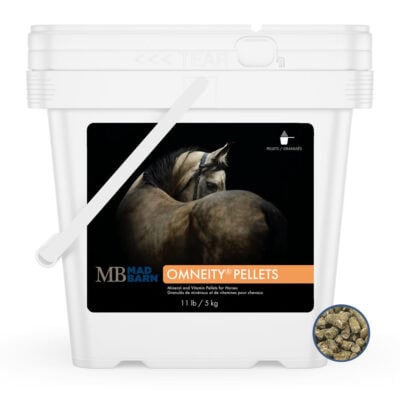
| Omneity® Pellets | 200 g (2 scoops) |
| Diet Analysis | |
| Digestible Energy (% of Req) | 101% |
| Protein (% of Req) | 145% |
| NSC (% Diet) | 8.9% |
Forage should form the basis of your National Show Horse’s feeding program. Quality forage typically meets the basic energy and protein requirements of National Show Horses in light to moderate work.
However, hay and pasture alone often lack sufficient levels of essential nutrients needed to fully support their overall health, condition, and performance demands. Supplementation is necessary to address these nutritional gaps and optimize your horse’s diet.
Mad Barn’s Omneity® is a comprehensive vitamin and mineral supplement specifically formulated to complement forage-based diets. It provides essential nutrients to support energy metabolism, hoof strength, immune health, digestive wellness, and overall performance in National Show Horses.
To encourage hydration, every horse also needs constant access to fresh, clean water and free-choice loose salt. Adding salt to your horse’s daily ration can help meet sodium requirements.
Forage
Forage is the foundation of every horse’s diet. The average 1,000 lb (450 kg) National Show Horse should eat approximately 20 pounds (9 kg) of forage daily.
Feeding free-choice forage supports your horse’s digestive function and behavioral needs. A small-hole hay net can help slow consumption and ensure your National Show Horse has constant access to hay.
Most National Show Horses do best on average-quality hay. Horses with intense show schedules may need higher-quality forage to meet their energy and protein requirements. If your horse has a metabolic disorder, hay testing can help ensure your forage is safe for them.
Alfalfa hay is commonly fed to performance horses who need extra energy or protein. This legume hay is high in calcium, which supports gastric health. However, research shows that excess calcium from feeding a large proportion of the diet as alfalfa can increase the risk of enteroliths. [19]
Feeding Recommendations
If your National Show Horse needs additional feed to meet his energy requirements, choose fat and fiber-based feeds such as beet pulp, hay cubes, ground flax, and fat supplements.
Research suggests fat supplements high in omega-3 fatty acids are beneficial for managing joint conditions in performance horses. These fats also support skin and coat health. [20]
Feeding large volumes of high-starch concentrates can contribute to digestive and behavioral problems in horses. Splitting daily rations of commercial feeds into multiple small meals can help reduce the risk of digestive upset. [21]
Nutritional Supplements
Many National Show Horses benefit from targeted supplementation to address specific nutritional needs. Begin by creating a balanced, forage-based diet tailored to your horse’s individual requirements. Once your horse’s baseline nutritional needs are met, consider supplements that align with their lifestyle and performance goals.
Supplements commonly beneficial for National Show Horses include:
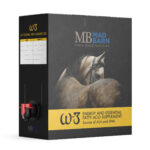
- W-3 Oil provides high levels of the omega-3 fatty acid DHA and Vitamin E. This fat supplement can help support joint health, coat condition, and inflammatory regulation in National Show Horses.
- MSM powder may benefit National Show Horses who need additional joint support. This naturally occurring substance helps maintain bone and cartilage health.
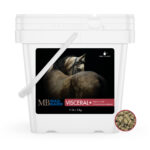
- Visceral+ helps maintain stomach and hindgut health in National Show Horses. This veterinarian-recommended supplement contains ingredients that support the entire digestive tract so your competition horse can feel and perform at his best.
Submit your horse’s diet for a free evaluation and schedule a nutrition consultation with one of our qualified equine nutritionists for help developing the best feeding program for your National Show Horse.
Frequently Asked Questions
Here are some frequently asked questions about the National Show Horse breed:
A National Show Horse is a modern American breed developed primarily from Arabian and American Saddlebred bloodlines. National Show Horses were bred to combine the Arabian’s refinement and stamina with the Saddlebred’s animation and show-ring presence. The result is an athletic, elegant horse used mainly for performance competition and pleasure riding.
National Show Horses are known for their elegant ring presence, animated movement, and refined show-horse type. They are especially admired for their high carriage, expressive action, and eye-catching style in the show ring. Their combination of Arabian refinement and animated Saddlebred heritage gives them a distinctive look that stands out in both riding and driving classes.
Some but not all National Show Horses are gaited. Because of their American Saddlebred influence, some horses of this breed can perform ambling gaits such as the rack. Others move as non-gaited riding horses and compete successfully in disciplines that do not require special gaits.
National Show Horses are used mainly for competitive riding and driving. They are especially popular in saddle seat, fine harness, pleasure driving, hunter pleasure, western pleasure, and show hack. Many National Show Horses are also kept as versatile pleasure mounts because they combine athletic ability with an engaging personality.
National Show Horses are typically spirited, intelligent, sensitive, and highly trainable. They are bred for brilliance, animation, and natural presence, which often gives them an energetic and responsive way of going. With consistent handling and a structured training program, National Show Horses are willing partners, but they usually do best with riders who appreciate a more forward and attentive horse.
National Show Horses have refined, athletic conformation that blends Arabian elegance with American Saddlebred animation. Most have a long, upright neck set high on the shoulder, a refined head with large eyes and small ears, and a straight or slightly concave profile. They also tend to have pronounced withers, a relatively short back, a long hip, a level topline, and a high-set tail. Their limbs should be correct and balanced, with short cannons, long forearms, and well-angled pasterns to support their expressive movement.
National Show Horses commonly come in bay, chestnut, black, and gray. Pinto and palomino are also seen in the breed, reflecting the broader color range contributed by American Saddlebred influence. This variety gives National Show Horses visual diversity in the show ring.
Most National Show Horses stand between 14.3 and 16.2 hands high, though some individuals may fall slightly outside that range. Their height is considered moderate for a light, athletic saddle horse. This range helps support the breed’s balanced, elegant appearance while still allowing for presence in the show ring. Proper nutrition and management during growth help support healthy musculoskeletal development in young horses.
National Show Horses are usually better suited to intermediate or experienced riders than complete beginners. They are intelligent and trainable, but they can also be sensitive, spirited, and more reactive than quieter beginner horses. In the right hands, National Show Horses are rewarding partners, but novice riders may find their energy and responsiveness challenging.
National Show Horses are generally healthy, but they can be prone to a range of issues. Due to their bloodlines, National Show Horses may carry genes associated with severe combined immunodeficiency disorder (SCID), cerebellar abiotrophy (CA), lavender foal syndrome (LFS), junctional epidermolysis bullosa (JEB), and possibly lordosis. National Show Horses may also be susceptible to equine metabolic syndrome, which is associated with weight gain, abnormal fat deposits, elevated insulin levels, and an increased risk of laminitis. Their refined face may also contribute to dental abnormalities or breathing problems in some horses. Intense show schedules can increase the risk of gastric ulcers and other digestive issues, while animated movement and demanding training may place added strain on the joints and musculoskeletal system. Careful breeding, balanced nutrition, thoughtful conditioning, and preventive veterinary care help reduce these risks.
Summary
The National Show Horse is a modern cross between Arabians and American Saddlebreds, developed to produce an elegant, athletic show-ring partner with animated movement, high carriage, and strong rideability for riding and driving.
- The breed was established in the 1980s after decades of Arabian–Saddlebred crosses, and is registered through the National Show Horse Registry, with eligibility requiring at least 50% Arabian blood.
- Most National Show Horses stand 14.3 to 16.2 hands and combine Arabian refinement with Saddlebred presence, featuring a long upright neck, balanced topline, high tail carriage, and expressive action with flexion and reach.
- They are bred for brilliance and natural ring presence, which often comes with a more sensitive, energetic temperament that responds best to consistent training and experienced handling.
- Health considerations include inherited disorders associated with Arabian and Saddlebred bloodlines, plus performance-related risks such as metabolic dysfunction, dental and airway issues linked to extreme head type, gastric ulcers, and joint strain from intense training.
- These horses do best on a forage-first diet balanced with vitamins and minerals, with careful control of starch and calories for easy keepers, along with routine hoof, dental, and digestive support to sustain long show careers.
References
- Schiettecatte, J. et al., The Horse in Arabia and the Arabian Horse: Origins, Myths and Realities. Arabian Humanities. 2017.
- Wutke, S. et al., The origin of ambling horses. Curr Biol. 2016. View Summary
- Breed History. American Saddlebred. 2025.
- National Show Horse. Bit & Bridle.
- Cunningham, E. et al., Microsatellite diversity, pedigree relatedness and the contributions of founder lineages to thoroughbred horses. Anim Genet. 2001.
- King, M., American Saddlebred Gaits. Horse Illustrated. 2001.
- National Show Horse Registration Application. National Show Horse Registry. 2009.
- Breed Standard. National Show Horse Registry. 2025.
- National Show Horse 101.. USEF. 2025.
- Bugno-Poniewierska. M. et al., Genetic Screening for Cerebellar Abiotrophy, Severe Combined Immunodeficiency and Lavender Foal Syndrome in Arabian Horses in Poland. The Veterinary Journal. 2019.
- Graves, K. et al., Partial deletion of the LAMA3 gene is responsible for hereditary junctional epidermolysis bullosa in the American Saddlebred Horse. Anim Genet. 2009. View Summary
- Cook, D. et al., Genetics of swayback in American Saddlebred horses. Anim Genet. 2010. View Summary
- Lewis, S. L. et al., Genomewide association study reveals a risk locus for equine metabolic syndrome in the Arabian horse. J Anim Sci. 2017. View Summary
- Dixon, P. et al., A review of equine dental disorders. The Vet J. 2005. View Summary
- Larsson, A., et al., Owner reported management, feeding and nutrition-related health problems in Arabian horses in Sweden. . Livestock Sci. 2018.
- Dyson, S., Lameness and poor performance in the sport horse: Dressage, show jumping and horse trials. J Equine Vet Sci. 2002.
- Van Heel, M. et al., Dynamic pressure measurements for the detailed study of hoof balance: the effect of trimming. Equine Vet J. 2010. View Summary
- Werhahn, H. et al., Temporary Turnout for Free Exercise in Groups: Effects on the Behavior of Competition Horses Housed in Single Stalls. J Equine Vet Sci. 2011.
- Hassel, D. M. et al., Evaluation of enterolithiasis in equids: 900 cases (1973-1996). J Am Vet Assoc. 1999.
- Manhart, D. et al., Markers of Inflammation in Arthritic Horses Fed Omega-3 Fatty Acids. Prof Anim Scient. 2009.
- Metayer, N. et al., Meal size and starch content affect gastric emptying in horses. Equine Vet J. 2010. View Summary