

 English

Omneity® Pellets
All-In-One Vitamin & Mineral Pellet
Explore Mad Barn’s supplements for liver health in horses, formulated to support detoxification, metabolic function, and antioxidant defense. These products are designed to promote healthy liver enzyme activity, protect against oxidative stress, and assist horses recovering from stress, illness, or toxin exposure.
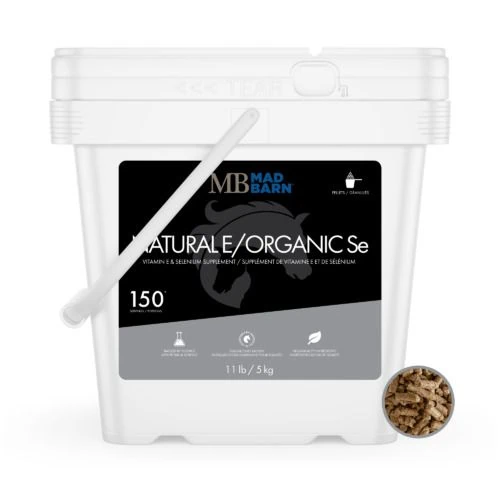
The liver is involved in hundreds of physiological processes in the horse’s body, including detoxification, nutrient metabolism, hormone regulation, and immune function.
Intense exercise, high-sugar or high-starch diets, certain medications, nutrient deficiencies, and underlying health conditions can strain liver function and detoxification pathways. Over time, exposure to environmental toxins, physiological stress, and infectious agents can also lead to compromised liver function.
Signs of suboptimal liver function in horses may include reduced appetite, lethargy, poor coat quality, weight loss, or behavioral changes. Horses with liver concerns often require dietary support to maintain detoxification processes, reduce oxidative stress, and supply nutrients that aid in tissue repair and metabolic function.
Whether supporting a horse prone to liver issues, managing chronic exposure to environmental toxins, optimizing the diet of a high-performance horse, or promoting overall wellness, nutritional strategies can help maintain normal liver function.
Supporting your horse’s liver health begins with reducing the burden of dietary and environmental toxins. Choose clean, mold-free forage and avoid feeds high in iron, starch, and sugar. Provide clean, fresh water and test periodically for contaminants like iron, sulfur, and heavy metals that can strain the liver.
A balanced, forage-based diet also supports gut health, which indirectly protects the liver. A healthy gut limits the absorption of harmful substances that would otherwise reach the liver for processing.
Ensure your horse receives adequate vitamins and minerals, particularly antioxidant nutrients that protect liver tissue from oxidative stress. Other nutrients such as zinc, copper, methionine, and choline support detoxification, enzyme activity, and tissue repair.
Horses experiencing stress or illness, undergoing intensive training, or exposed to medications or environmental toxins may benefit from additional liver support. Consider the following options:
Good management practices can go a long way to reduce the liver’s workload and promote overall health in your horse.
The liver is a critical organ that performs hundreds of functions in the horse’s body. It plays an essential role in detoxifying harmful substances, metabolizing nutrients, regulating hormones, producing bile for digestion, and supporting immune function. A healthy liver is also important for overall metabolic function, the immune system, athletic performance, and general well-being.
Signs of impaired liver function can be subtle and nonspecific. They may include reduced appetite, lethargy, weight loss, poor coat quality, behavioral changes, or sensitivity to medications. In more advanced cases, jaundice (yellowing of the eyes or gums), photosensitivity, or neurological symptoms may occur. Bloodwork is often needed to confirm liver-related issues.
Liver stress can result from many factors, including exposure to mycotoxins (moldy hay or feed), high-iron diets, certain medications, environmental toxins, parasitic infections, or underlying metabolic or inflammatory conditions. Poor water quality or inadequate nutrition can also increase the liver’s workload.
Supporting your horse’s liver health involves feeding a balanced, forage-based diet with clean, mold-free hay and limiting excess sugar and starch from commercial grain. Consistent access to fresh, clean water is important, as is avoiding excessive dietary iron. Nutritional support may include antioxidant nutrients like vitamin E and selenium, as well as herbal ingredients such as milk thistle, which help maintain normal liver function and support natural detoxification pathways.
Adequate turnout, reduced exposure to environmental stressors, and sufficient recovery following exercise can also help lower the liver’s workload and support overall well-being. Consult with your veterinarian if you have specific concerns about your horse’s liver health.
Detoxification is a natural, ongoing process in the horse’s body carried out primarily by the liver to break down and eliminate waste products, metabolic byproducts, medications, and environmental toxins. This function is essential for maintaining metabolic balance, immune health, and overall well-being, especially in horses exposed to stress, intensive training, or chemical substances like dewormers and medications.
To support detoxification processes, provide a clean, forage-based diet, access to fresh water, and limit unnecessary toxin exposure. Antioxidant nutrients like vitamin E and selenium, along with herbal ingredients such as milk thistle, can help maintain normal liver function and support detoxification pathways during times of increased physiological demand.
"Liver cleanses" or "detox programs" for horses typically refer to short-term supplement regimens marketed to clear toxins from the liver. While the liver detoxifies continuously on its own, certain ingredients, like milk thistle, vitamin E, and organic selenium, may help support this process. However, there is limited scientific evidence supporting the need for short-term liver cleanses in healthy horses. A more holistic approach involves long-term management through a balanced diet, clean water, reduced environmental toxin exposure, and veterinary care.
Liver support may be beneficial for horses recovering from illness, undergoing intense training, or exposed to environmental or chemical stressors. Nutrients such as vitamin E and selenium, along with herbal ingredients like milk thistle, can help maintain normal liver function and support antioxidant defenses.
Always begin with a balanced, forage-first diet to support overall metabolic health and reduce the burden on the liver. If you have concerns about your horse’s liver function or overall health, consult your veterinarian to determine if supplementation or further diagnostics are appropriate.
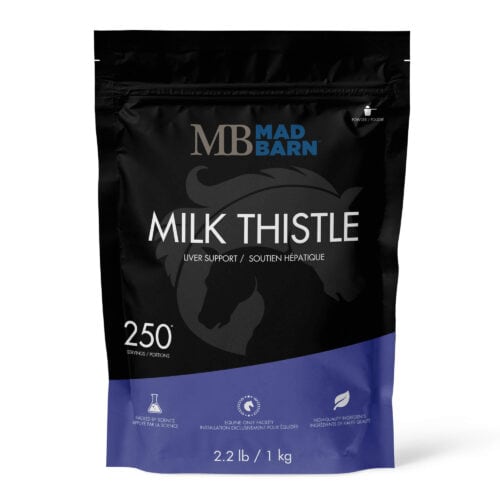
Milk thistle is a natural source of silymarin, a group of plant compounds that help support normal liver function and protect liver cells from oxidative stress. Silymarin contributes antioxidant activity and helps maintain healthy liver tissue during periods of increased metabolic demand or exposure to environmental stressors. It is commonly used to support liver health in horses recovering from illness, medications, or toxin exposure.
All-In-One Vitamin & Mineral Pellet

Advanced Gut Health Supplement

DHA-Enriched Fat Supplement
All-In-One Vitamin & Mineral Pellet

All-In-One Vitamin & Mineral Powder

Enhanced Vitamin & Mineral Pellet
Advanced Gut Health Supplement

Probiotic & Prebiotic Supplement

High-Potency 5-Strain Probiotic
All-In-One Vitamin & Mineral Pellet
Enhanced Vitamin & Mineral Pellet

Hoof, Skin & Coat Support

Extra-Strength Omega-3 Oil

Joint Health Supplement
DHA-Enriched Fat Supplement
DHA-Enriched Fat Supplement
All-In-One Vitamin & Mineral Pellet

Organic Trace Mineral Blend
Enhanced Vitamin & Mineral Pellet

Mood & Hormone Support

Metabolic Health Formula
Mood & Hormone Support

Muscles & Nerve Support
Advanced Gut Health Supplement
Advanced Gut Health Supplement

Respiratory & Performance Supplement

Essential Amino Acid Blend
Essential Amino Acid Blend
Muscles & Nerve Support

Performance & Muscle Support
Respiratory & Performance Supplement
DHA-Enriched Fat Supplement

Immune & Respiratory Support




