






 English

Shop Mood Supplements for Horses
Discover Mad Barn’s mood and behavior products, with research-backed ingredients to help support a balanced demeanor in horses.

“When a horse’s nutritional and behavioral needs are properly addressed, the whole horse can thrive.”
— Dr. Priska Darani, Ph.D., PASDirector of Research


Keep Your Horse Calm and Ride On
Your horse’s mood and behavior have a direct impact on their willingness to work, well-being, and safety — for both horse and rider. Whether you're managing a high-strung sport horse, a sensitive pleasure mount, or a young horse still gaining confidence, a calm, focused mindset is key to a successful partnership.
When your horse is anxious, distracted, or reactive, even everyday tasks like grooming, trailering, or groundwork can become sources of stress. These behavioral challenges don’t just affect your training sessions, they affect your horse’s quality of life and your enjoyment in the saddle.
Many horse owners turn to calming supplements to reduce hot or reactive behavior. But not all calming supplements work the same way, and choosing the right one means identifying the underlying cause of your horse’s behavior. Spookiness and uncooperative behavior can stem from a range of factors including poor digestive health, undiagnosed pain or discomfort, hormonal fluctuations, nutrient imbalances, or environmental stressors.
The first step in maintaining a calm, happy horse is meeting their basic needs: a balanced, forage-based diet, adequate vitamins and minerals for stress regulation, consistent routines, ample turnout, and social interaction. Once these foundations are in place, targeted nutritional support can help maintain a balanced mood by addressing your horse’s individual behavioral needs.
Targeted Support for Mood and Behavior
Mad Barn offers several science-backed formulas to support mood balance in horses. Each of these supplements works by addressing a different internal system that can influence behavior — from digestive health and hormonal regulation to energy metabolism and neurological function. By targeting your horse’s specific need, these supplements keep your horse calm, cooperative, and willing to work.
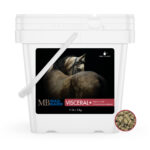
- Competition-Readiness: Horses in intense training, frequent travel, or high-stress environments often need additional support to maintain digestive health and comfort. Physical and environmental stressors, such as intense exercise, transport, and changes in routine, can influence gut function and overall behavior. Visceral+ is veterinarian-recommended and trusted by elite athletes to support gastric and hindgut health. It provides nutrients like glutamine, lecithin, and probiotics that help maintain gut integrity and a healthy microbiome, supporting your horse’s comfort and well-being both in training and at competition.
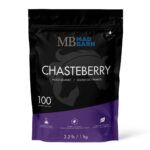
- Hormonal Balance: Hormonal fluctuations can influence temperament, sensitivity, and behavior in horses, particularly in mares during estrus or in aging horses with endocrine changes. Chasteberry is a natural adaptogen that supports normal hormone production and a healthy stress response. It is commonly used to help maintain a more stable temperament and balanced behavior in horses that exhibit signs of moodiness, irritability or aggression.
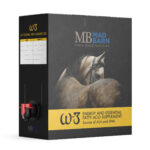
- Cool Energy: Grain-based feeds high in sugar and starch can contribute to blood glucose spikes and excitability in some horses. Fat provides a steadier energy source that supports a calmer demeanor under saddle. w-3 Oil is a plant-based fat supplement enriched with DHA, a neurologically active omega-3 fatty acid that supports cognitive function and a healthy stress response. This formula is ideal for horses with high energy needs who are prone to nervous energy. Many owners report improved manageability, rideability, and focus within weeks of adding w-3 Oil to the diet.
- Relaxed Nerves: Horses experiencing muscle tightness, tension, or excess reactivity may not be getting enough magnesium to meet their physiological demands. Magnesium is an essential mineral involved in muscle relaxation, nerve function, and stress regulation. Some forages may not provide adequate levels, especially for horses in heavy work or under ongoing stress. Magnesium Oxide is a cost-effective, concentrated source of supplemental magnesium that supports a balanced nervous system and calm demeanor.
Management Strategies for Happy Horses
Your horse’s willingness to work and overall well-being begin with a solid foundation of good nutrition, attentive care, and the right environment. While supplements provide targeted support, they are most effective when paired with management practices that support your horse’s mental and emotional well-being.
- Forage-First Diet: Diets high in starch and sugar from grain can contribute to behavioral issues and other health problems in horses. Feeding forage as the primary energy source supports digestive health and mimics the horse’s natural grazing behavior, helping to promote steady energy levels and more consistent behavior.
- Maintain Consistent Routines: Horses are sensitive to change. Sticking to regular feeding, turnout, and training schedules supports a healthy stress response and reduces anxiety that can arise from unpredictable management.
- Provide Daily Turnout: Horses evolved to move throughout the day. Regular turnout supports their physical health and helps reduce stress, frustration, and behavioral issues linked to confinement or excess energy.
- Allow Social Contact: As herd animals, horses rely on social interaction for security and emotional regulation. Turnout with safe, compatible companions can reduce signs of stress or agitation.
- Identify and Address Discomfort: Behavioral changes are often early signs of physical discomfort. Poor saddle fit, dental pain, hoof imbalance, or low-grade lameness can result in unwillingness to work or irritability. Regular veterinary assessments help maintain comfort.
- Support Mental Engagement: Horses need variety and stimulation to stay mentally balanced. Incorporating groundwork, poles, or low-pressure training into the routine helps prevent boredom and encourages better focus under saddle.
If your horse shows signs of tension, anxiety, or unpredictable behavior, start by evaluating their diet, routine, comfort, and living conditions. For personalized support, submit a free diet evaluation and our equine nutritionists can help you build a program tailored to your horse’s behavioral needs.
Behavioral challenges in horses can stem from a wide range of internal and external factors. Common causes include pain or discomfort (such as poor saddle fit, dental issues, or lameness), digestive problems, hormonal fluctuations, high-starch or unbalanced diets, and deficiencies in key nutrients like magnesium. Environmental stressors, such as isolation, limited turnout, abrupt changes in routine, or poor socialization can also impact mood. Inadequate or inconsistent training, past trauma, or lack of mental stimulation may further contribute. Identifying and addressing the root cause is essential for improving behavior in a lasting, meaningful way.
Signs of anxiety in horses can vary depending on the individual and the situation. Common signs include restlessness, excessive alertness, frequent spooking, startle responses, pawing, pacing, weaving, and refusal to stand still. Some horses may also show tension through tight muscles, pinned ears, flared nostrils, or wide eyes. Under saddle, anxious horses may be distracted, reactive, or resistant to cues.
Other subtle signs include changes in appetite, poor focus, girthiness, or reluctance to be handled. Chronic stress may also impact immune function, digestive health, or overall behavior. If your horse is showing signs of anxiety, it’s important to evaluate their diet, routine, environment, and physical comfort to identify contributing factors.
For horses that are nervous, spooky, or overly reactive, it’s important to first evaluate their diet and management program. Start with a forage-first feeding plan, minimize high-starch grains, and ensure the horse is receiving adequate magnesium and B-vitamins, which support nervous system function. A comprehensive vitamin and mineral supplement like Omneity can help fill nutritional gaps. If your horse is already on a balanced diet, they may benefit from additional magnesium or B-vitamins to further support a calm demeanor.
If your horse’s current diet is high in commercial grains or starch, consider replacing some of that energy with a fat-based alternative like w-3 Oil, which provides cool, slow-release calories without contributing to excitability. Irritable or anxious behavior may also be linked to gut discomfort. Visceral+ supports gastric and hindgut health, which can help your horse maintain a calm demeanor. For a personalized plan, submit a free diet evaluation and consult with our equine nutritionists.
The first step in supporting a moody mare is to ensure she’s receiving a balanced, forage-first diet that meets her nutritional needs. Deficiencies in key vitamins and minerals or excesses in sugar and starch can contribute to behavioral changes. Feeding a consistent, low-starch diet with appropriate levels of magnesium, B-vitamins, and other nutrients is essential for supporting mood and overall well-being.
For mares experiencing hormonal mood swings, Chasteberry is a popular herbal supplement that supports normal hormone production and endocrine function. It’s commonly used in mares that show signs of irritability, sensitivity, or unpredictable behavior during their estrous cycle. Chasteberry may help maintain a more stable temperament when paired with good nutrition and consistent management.
Reducing stress in horses starts with meeting their basic physical and emotional needs. Feed a forage-based diet to support digestive health and minimize high-starch grains that can contribute to anxiety or excitability. Maintain consistent routines for feeding, turnout, and training, as horses thrive on predictability.
Provide ample daily turnout and social interaction with compatible companions to support mental well-being. Ensure your horse’s training schedule matches their conditioning level and provide adequate recovery time.
For additional support, consider nutritional strategies that help regulate the body’s natural stress response. Nutrients such as magnesium, omega-3 fatty acids, and adaptogenic herbs may support the nervous system and promote resistance to stress. To develop a personalized plan for your horse, submit a free diet evaluation and consult with our equine nutritionists.
Calming supplements can help support healthy mood regulation in horses, but their effectiveness depends on identifying and addressing the underlying reason for your horse’s behavior. Horses may become excitable, hot or unfocused for various reasons including nutritional imbalances, digestive discomfort, hormonal changes, pain, or environmental stress.
When a calming supplement is selected based on the horse’s specific needs (such as magnesium for muscle tension or digestive support for gut discomfort), it can contribute to more consistent behavior. Remember that calming supplements work best as part of a broader strategy that includes a balanced diet, a consistent routine, and appropriate management. For personalized guidance, submit a free diet evaluation and consult with our equine nutritionists and veterinarians.
Helping your horse stay calm on show day starts with preparation well in advance. Start with a balanced, forage-based diet and avoid sudden changes in feed or routine leading up to the event. Reducing high-starch grains and supporting digestive comfort can help minimize stress-related behavior. For horses that get nervous away from home, consider using familiar hay, water, and equipment to reduce environmental triggers.
Consistent training, exposure to new environments, positive reinforcement training, and desensitization exercises can also improve confidence in the show setting. On the day of the event, give your horse ample time to settle in, offer hand-walking or light exercise, and maintain a calm handling approach.
Some horses benefit from targeted nutritional support such as magnesium to support muscle relaxation or Visceral+ for gut comfort during travel and stress. For a personalized show-day nutrition plan, submit a free diet evaluation and speak with our veterinarians and nutritionists.
A girthy horse is one that shows signs of discomfort or irritability when the girth is tightened. Common behaviors include ear pinning, tail swishing, teeth grinding, biting, or moving away. These responses often indicate underlying issues rather than bad behavior.
The first step in managing a girthy horse is to rule out physical causes of discomfort. Check for saddle fit issues, sore withers, back pain, skin irritation, or girth-related pressure points.
Girthiness is commonly associated with gastric discomfort or ulcers. Supporting digestive health with a forage-based diet, minimizing high-starch feeds, and using digestive supplements such as Visceral+ can help maintain gut health and reduce risk of stomach issues.
In addition to addressing diet and comfort, make girthing a low-stress process by tightening the girth slowly and progressively during grooming and tacking up. If symptoms persist, consult a veterinarian and equine bodyworker to ensure there are no underlying pain or postural issues.
