English







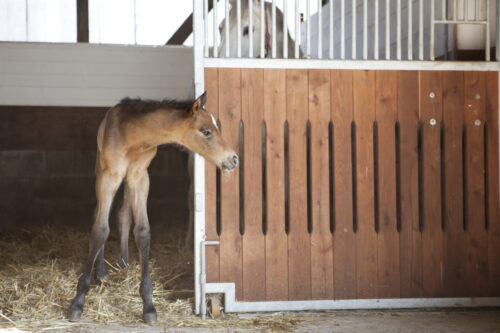
Ascarids (Parascaris equorum) pose a significant risk to equine health, particularly in young horses. These large roundworms can grow up to 15 inches (38 cm) long and are most commonly found in foals and yearlings, whose developing immune systems make them especially vulnerable. [1][2]
If left untreated, these internal parasites can cause significant health complications in horses. Infections may result in a range of clinical conditions, such as weight loss, poor growth, colic, and respiratory complications, which can impact a growing horse’s overall health and development. [3]
Understanding the life cycle, clinical signs, and effective management of ascarid infections is essential for horse owners and caretakers. Promptly addressing ascarid infestations and staying up-to-date with your veterinarian’s deworming guidelines not only helps prevent the spread of these parasites but also ensures the healthy development and well-being of young horses.
Ascarids in Horses
Ascarids (Parascaris equorum) are large roundworms that can infect the horse’s internal organs. While all horses are presumed to carry some parasites, young horses are at particular risk of developing health complications related to ascarid infestation. [2]
These worms inhabit the small intestine, where they can grow up to 15-40 cm in length. Ascarids have a smooth, pale yellow or white body and a tapered end, with three prominent lips that aid their attachment to the host’s intestinal wall. [2]
Horses become infected with ascarids by ingesting eggs present in contaminated feed, water, or environment. Once ingested, the larvae undergo a migration through the horse’s liver and lungs before returning to the small intestine to mature into adult worms.
Younger horses are more susceptible to ascarid infections, as they typically have weaker immunity. As the horse ages, it develops some resistance to these parasites, reducing the risk of infection.
Life Cycle
Ascarids in horses have a direct life cycle, meaning they do not require an intermediate host to complete their development. Understanding this direct life cycle is crucial for effective management and prevention of ascarid infections in horses.
The life cycle stages of ascarids in horses are as follows: [2][4]
- Adult: Adult ascarids inhabit the horse’s small intestine of the horse, where they feed and reproduce, laying millions of eggs per day that are expelled in the horse’s feces.
- Eggs: Mature female worms produce eggs, which are excreted in the horse’s manure. These eggs are extremely hardy and can survive in the environment for long periods, developing into infectious larvae within 10 – 14 days, depending on environmental conditions such as temperature and humidity.
- Larvae: Horses ingest infective eggs from contaminated food, water, pasture, or other surfaces. Once inside the horse, the eggs hatch in the intestine, releasing larvae. The hatching process is triggered by the horse’s digestive enzymes, which break down the protective shell around the eggs, freeing the larvae.
- Larval migration: After hatching, ascarid larvae migrate to the liver within one week of infestation. Within two weeks, they enter the lungs through the pulmonary circulation, emerging from small blood vessels. This phase triggers a cough reflex, expelling the larvae, which are then swallowed by the foal.
- Return to the intestine: After completing their migration through the liver and lungs, the larvae return to the small intestine, where they settle and mature into adult worms.
The entire life cycle of ascarids takes approximately three months, contributing to the high infection rates observed in young horses. [2][4]
The combination of a rapid reproductive cycle and the increased vulnerability of young horses facilitates the quick proliferation of ascarid populations, resulting in higher infection rates within this age group.
Systemic Effects of Ascarid Infections
Ascarid infections in horses can have significant effects on multiple organ systems, including the small intestine, respiratory system and liver.
Small Intestine
Ascarids primarily inhabit the small intestine of horses. In cases of heavy infestations, they can cause significant irritation and inflammation of the intestinal wall. This inflammation can lead to reduced nutrient absorption, contributing to symptoms like weight loss, poor growth, and a generally unthrifty appearance in young horses.
This can disrupt gut motility and result in conditions such as intussusception, where part of the intestine telescopes into itself. [1][2] If left untreated, this can cause gut ischemia (restricted blood flow) and toxemia (toxins in the bloodstream), which are life-threatening conditions. [1][2]
In severe infestations, the mass of worms can cause intestinal blockages, increasing the risk of colic and potentially leading to life-threatening intestinal rupture. [2]
Liver
After ingestion, the larvae travel through the portal vein to the liver, where they can cause localized damage and inflammation. During their migration, the larvae may produce small, white, fibrotic lesions in the liver, typically infiltrated by immune cells. [1][4]
However, clinical signs of liver disease or elevated liver enzymes are rarely observed in horses infected with ascarids. [1][4]
Respiratory System
After migrating through the liver, the larvae move to the lungs, causing inflammation that can lead to respiratory symptoms. These symptoms may include mild issues, such as occasional coughing and slight nasal discharge, to more severe symptoms like difficulty breathing, fever, and pale mucous membranes. [1][2]
Respiratory symptoms observed in affected horses can resemble those of other diseases, complicating diagnosis and treatment. [1][2]
What's your top priority with your horse's health?

Enter your email to receive your store credit
Symptoms
Ascarid infections are most commonly seen in young foals between 3 and 18 months of age. The severity of clinical signs depends on the parasitic load, with symptoms primarily affecting the gastrointestinal, respiratory, and, in some cases, the liver and nervous systems.
Clinical signs of ascarid infestation in horses include: [2][4][5]
- Weight Loss and Poor Growth: Foals often fail to gain weight despite adequate feeding.
- Pot-Bellied Appearance: A bloated or distended abdomen is common in heavily infested horses.
- Colic: Intermittent spasmodic colic may occur. In severe cases, intestinal impaction or intussusception (where part of the intestine telescopes into itself) can cause life-threatening blockages.
- Diarrhea: Intestinal inflammation caused by ascarids can lead to loose or watery stools.
- Coughing and Nasal Discharge: Migrating larvae can cause respiratory issues, such as a greyish nasal discharge and coughing.
- Increased Respiratory Rate: Breathing difficulties, including labored breathing, may occur in severe infections.
- Fever (Pyrexia): A fever may be present, particularly with heavy parasite burdens.
- Edema: Fluid retention, often noticeable in the lower limbs, can develop in some cases.
In extreme instances, intestinal rupture or severe impaction due to heavy parasite loads can result in sudden death, making early detection and management essential. [2]
Risk Factors
Several risk factors contribute to the likelihood of ascarid infections in horses: [2]
- Age: Young horses, especially foals and weanlings under a year old, are at the highest risk due to their immature immune systems and lack of prior exposure to the parasite. This makes them more vulnerable to developing heavy parasite burdens.
- Immune Status: Horses with compromised immune systems may be more susceptible to ascarid infections. An impaired immune response may hinder the horse’s ability to fend off parasitic invasions, increasing the risk of significant health issues.
- Environmental Conditions: Overcrowded or unsanitary environments increase the risk of exposure to ascarid eggs from feces, facilitating the transmission of infections.
- Pasture-Based Management: Foals and young horses turned out to pasture without proper deworming protocols or manure management may be exposed to high levels of contamination in their grazing areas.
Diagnosis
Ascarid infections in horses are primarily diagnosed using a combination of fecal egg counts (FEC), clinical signs, and risk-based assessment.
Young horses, particularly foals and weanlings, are most susceptible to ascarid infections, with the highest risk typically occurring between 6 and 12 months of age. [1][2]
The primary methods for diagnosing ascarid infections in horses include: [6]
- Fecal Egg Count (FEC): This is the most common diagnostic tool for identifying ascarid infections. A sample of the horse’s feces is examined under a microscope to detect and count ascarid eggs. A high egg count indicates an active infection, especially in foals and young horses.
- Fecal Egg Count Reduction Test (FECRT): This test evaluates the effectiveness of deworming treatments by comparing fecal egg counts before and after administration. A significant reduction in egg counts indicates effective treatment, while minimal reduction may suggest drug resistance or an ineffective deworming protocol.
The ideal age range for conducting FECRTs for ascarids in horses is between 4 and 6 months, as this period aligns with the seasonal peak of ascarid egg shedding. Regular monitoring is essential for early identification and effective management of infections. [6]

Treatment & Prognosis
Anthelmintics, or dewormers, are medications used to treat infections caused by parasitic worms in animals, including horses. These drugs target specific stages of the parasite’s life cycle, leading to their expulsion or death. Anthelmintics are vital for managing parasitic infections in horses, particularly roundworms like ascarids, as well as flatworms and tapeworms.
Consulting a veterinarian before starting any deworming protocol is essential. They can recommend the appropriate anthelmintic, dosage, and timing, ensuring effective treatment and helping establish a strategic deworming program for each horse or herd. Proper veterinary guidance is key to monitoring efficacy and reducing the risk of drug resistance.
Ascarid populations, like other parasites, can develop resistance to commonly used dewormers, resulting in persistent infections and declining horse health. Therefore, selecting an anthelmintic should be based on the specific resistance patterns identified on each farm to ensure effective treatment. [6]
Timing of Treatment
Horses, particularly foals, should be treated with anthelmintics at specific intervals to effectively manage ascarid infections. The first treatment is recommended at 2 to 3 months of age to reduce ascarid contamination in pastures. [6]
Foals typically begin shedding ascarid eggs around 90 days old. Timely treatment is crucial to prevent a peak in egg counts, which can occur around 5 months if left untreated. [1][2]
A second treatment should be given at 5 months to target this peak shedding period. This two-step approach helps minimize severe infections and supports the overall health of growing horses. [6]
Risks Associated with Treatment
Treating ascarid infections in horses, especially those with a heavy parasitic load, poses a risk of impaction colic. This condition arises when a large number of ascarids are killed rapidly by anthelmintic treatment, leading to a blockage in the intestines. [7][8]
Foals and horses with suspected heavy ascarid burdens should avoid immediate treatment with strong dewormers. Instead, a less potent, slow-acting drug like fenbendazole should be used initially to reduce the risk of post-treatment impaction. [9]
If impaction occurs, veterinary treatment typically involves administering mineral oil through a nasogastric tube, providing supportive care to maintain hydration, and offering pain relief. If these measures are ineffective, surgical intervention may be necessary to remove the blockage. [1]
Prognosis
Most foals treated with dewormers at the appropriate age fully recover from ascarid infestation. These horses usually require no further intervention other than continuing with a prescribed parasite control regimen for the whole farm. [8][10]
In cases where surgery is required to reduce the parasite burden, the prognosis is good, but affected foals need ongoing supportive care while recovering from surgery. [8][10]
Dewormers & Anthelmintic Resistance
The choice of anthelmintic and appropriate dosage depend on the horse’s age, weight, and the severity of the infection. Proper administration methods are crucial for ensuring treatment effectiveness.
Types of Dewormers
Oral pastes and liquids are the most common forms of anthelmintics, administered directly into the horse’s mouth for precise dosing. Granules and powders can be mixed with feed, making them suitable for horses that resist oral dosing.
The most common anthelmintics for treating equine ascarids include: [1][6][11]
- Benzimidazoles
- Macrocyclic lactones
- Pyrantel pamoate
Benzimidazoles
Fenbendazole and oxibendazole are key drugs in the benzimidazole class. These medications disrupt the metabolic processes of parasites, leading to their death and eventual expulsion. [5][12]
Benzimidazoles are often preferred for treating ascarid infections because their slower mode of action is believed to reduce the risk of complications associated with sudden death of parasites. [5][12]
Macrocyclic lactones
This group of medications includes ivermectin and moxidectin, often used alongside other anthelmintics like praziquantel. Though ivermectin has been a mainstay in equine deworming, resistance in ascarid populations has raised concerns about its continued efficacy. [6][12][13]
Consequently, macrocyclic lactones should be used with caution, assuming resistance until proven otherwise. [6][12][13]
Pyrantel pamoate
A pyrimidine anthelmintic, pyrantel may be effective against ascarids resistant to macrocyclic lactones like ivermectin. It works by paralyzing the parasites, facilitating their expulsion through the feces. [14]
Anthelmintic Resistance
Anthelmintic resistance is one of the most pressing concerns in global equine management. The primary contributing factors to parasite resistance are: [15]
- Repeated exposure to dewormers
- Low dosage of dewormer
- Outdated deworming protocols
By working with a veterinarian and staying up-to-date with fecal egg reduction counts, owners and barn managers can minimize the risk of resistance in their herd.
Another important strategy in reducing resistance is pasture management, which reduces the opportunity for exposure. Strategies include: [15]
- Robust manure management
- Cross-grazing pastures with other species
- Avoiding overcrowding on pasture
- Keeping new horses off pasture until they are dewormed
Frequently Asked Questions
Here are some frequently asked questions about ascarids in horses:
Foals are more vulnerable to ascarids than adult horses because their immature immune systems cannot yet suppress parasite growth. Ascarid eggs ingested by foals develop quickly, leading to heavy parasite loads that can cause colic, respiratory problems, or intestinal blockages.
Heavy ascarid infestations in horses can cause intestinal inflammation, poor nutrient absorption, and in severe cases blockages that lead to colic or intestinal rupture. Larvae also migrate through the liver and lungs, causing tissue damage and respiratory issues. Because of these risks, heavy infestations of ascarids in horses can become life-threatening if untreated.
When treating horses with heavy ascarid infections, rapid die-off of worms can cause impaction colic and dangerous intestinal blockages. To reduce this risk, veterinarians often recommend using slower-acting dewormers like fenbendazole first. These precautions are important because deworming horses with ascarids can sometimes create complications if not managed carefully.
Pasture management helps control ascarids in horses by reducing environmental contamination with parasite eggs. Strategies include removing manure regularly, cross-grazing pastures with other livestock, and preventing overcrowding. Combined with veterinary deworming programs, good pasture practices make it harder for ascarids in horses to spread and reinfect young animals.
Summary
Ascarids (Parascaris equorum) are large roundworm parasites that primarily affect young horses, especially foals and yearlings.
- Infections can lead to significant health issues, including weight loss, poor growth, colic, and respiratory problems, with severe cases potentially resulting in sudden death.
- Adult ascarids reside in the small intestine, producing resilient eggs that can survive in the environment, contributing to high infection rates in young horses.
- Diagnosis involves fecal egg counts, and effective management requires careful selection of anthelmintics to address resistance.
- Effective dewormers, such as fenbendazole, ivermectin, and pyrantel pamoate, are essential for treating ascarid infections. Always consult a veterinarian for appropriate choices based on age, weight, and local resistance patterns.
References
- Nielsen M.K., Evidence‐based Considerations for Control of Parascaris Spp. Infections in Horses. Equine Veterinary Education. 2016.
- Baxter R. and Brown C., Parascaris equorum infestation in Horses (Equis)
- Abbas G. et al., A national survey of anthelmintic resistance in ascarid and strongylid nematodes in Australian Thoroughbred horses. International Journal for Parasitology: Drugs and Drug Resistance. 2024.
- Cain J.L. and Nielsen M.K., The Equine Ascarids: Resuscitating Historic Model Organisms for Modern Purposes. Parasitol Res. 2022. View Summary
- Tatz A.J. et al., Surgical Treatment for Acute Small Intestinal Obstruction Caused by Parascaris Equorum Infection in 15 Horses (2002–2011). Equine Veterinary Journal. 2012.
- Internal Parasite Control Guidelines. ASEP. 2024.
- Reinemeyer C.R. et al., Efficacy of Pyrantel Pamoate against a Macrocyclic Lactone-Resistant Isolate of Parascaris Equorum in Horses. Vet Parasitol. 2010.
- Nielsen M.K., Ascarid-Associated Colic in Horses. Merck Veterinary Manual. 2019.
- Parascaris equorum - Learn About Parasites - Western College of Veterinary Medicine
- Klei, T. R., Gastrointestinal Parasites of Horses. Merck Veterinary Manual. 2019.
- Stewart A.J., Intestinal Disorders Other than Colic in Horses. Merck Veterinary Manual. 2019.
- Vercruysse J. and Claerebout E., Benzimidazoles - Pharmacology. Merck Veterinary Manual. 2014.
- Reinemeyer C.R., Diagnosis and Control of Anthelmintic-Resistant Parascaris Equorum. Parasites & Vectors. 2009.
- Nielsen M.K. et al., Chapter 57 - Nematodes. In: Equine Infectious Diseases (Second Edition). W.B. Saunders. 2014.
- Pfister, K. and Van Doorn, D. New Perspectives in Equine Intestinal Parasitic Disease. Veterinary Clinics of North America: Equine Practice. 2018. View Summary