
Horses do not cry tears in the same way humans do. As highly social animals, horses can form strong bonds and attachments, and they do respond to changes in their social or physical environment. However, these responses are expressed through...
Rearing is one of the most dangerous behaviors horses can display during handling or riding. When a horse lifts its front legs off the ground, the rider may lose balance and fall, and the horse may also lose balance and...
Stallions and geldings differ in more than reproductive status. Their differences can affect temperament, daily care, training, housing, and long-term management. Although both are male horses, stallions are intact and influenced by reproductive hormones, while geldings have been castrated and...
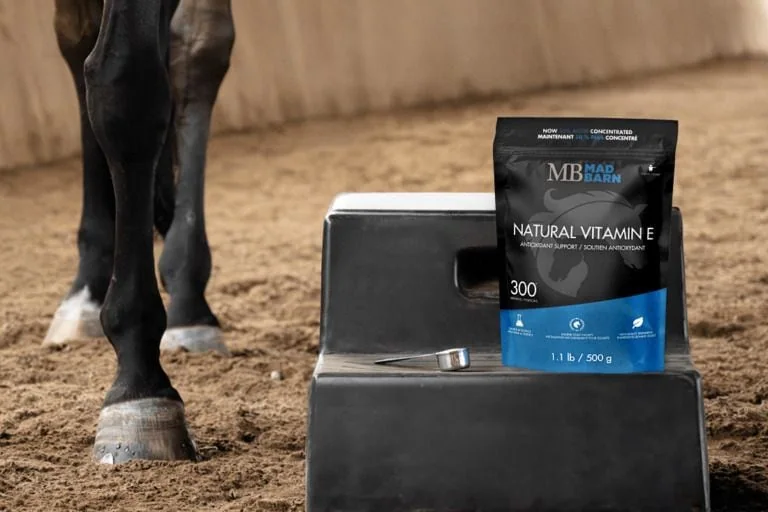
Choosing the best vitamin E supplement for your horse is not as simple as picking the product with the highest IU per scoop. The right choice depends on what your horse is actually missing from the diet, including vitamin E...
A tracheostomy in horses refers to a surgical opening created in the windpipe to help a horse breathe when airflow through the upper airway is severely restricted. It may be performed as an emergency procedure for sudden airway obstruction or...
Leishmaniasis is a parasitic disease in horses caused by Leishmania protozoa and transmitted primarily through the bites of infected sandflies. Although the disease is more common in humans and dogs, horses can also become infected in regions where these parasites...
A well-designed feed board, or feed chart, is essential for maintaining accurate and consistent feeding routines for horses. It guides barn staff decisions and helps ensure that every horse receives the diet they need. When feed boards are unclear, outdated,...
Tularemia is a bacterial disease that affects a wide range of mammals, birds, and reptiles. Also known as rabbit fever, the disease is caused by Francisella tularensis, a bacterium that is commonly found in rabbits, rodents, and other wildlife. Infection...
Halitosis, or bad breath, in horses is an unpleasant odor coming from a horse’s mouth or nostrils. While occasional odor associated with horse feed is normal, persistent foul-smelling breath in your horse is often a sign of an underlying health...
Strong respiratory health is essential for your horse's comfort, stamina, recovery, and athletic performance, but choosing the right respiratory supplement is not always straightforward. With so many products marketed for breathing support, it can be difficult to know which options...
Horse sheets can be useful tools for protecting your horse from rain, wind, insects, and temperature changes while supporting comfort in different conditions. From lightweight fly sheets to waterproof turnout options and moisture-wicking coolers, the right sheet or blanket can...
Laminitis is one of the most common and serious hoof conditions affecting horses. This painful disease damages the laminae, the specialized tissues that help suspend and support the coffin bone within the hoof capsule. In severe cases, laminitis can result...
Most horse owners associate digestive discomfort in their horse with gastric ulcers before considering any other condition. Ulcers are common, well-known, and widely discussed by horse owners, but they aren’t the only gut issue that can cause colic, behavior changes,...
Ear plugs for horses are a simple tool designed to reduce noise and help horses stay focused in stimulating environments. Whether used during competitions, trailering, clipping, or other high-noise situations, they work by dampening sound rather than completely blocking it....
Horse ownership comes with a long history of tradition, and many of those traditions include superstitions passed down through generations of riders, breeders, and stable workers. Long before advances in veterinary medicine and modern equine management, people often relied on...
Helping a horse gain weight is not always as simple as feeding more grain or adding extra supplements. Weight gain depends on the horse consuming more calories than it needs, but factors such as forage quality, digestion, protein intake, workload,...
Kicking in horses is a natural defensive and social behavior rooted in equine survival instincts. As prey animals, horses use kicking to create distance from perceived threats, communicate discomfort, and establish boundaries with other horses. While normal in many situations,...
A curry comb for horses is one of the most recognizable tools in a grooming kit. Designed with short teeth or ridges, horse groomers use it in circular motions to loosen dirt, mud, and loose hair from the coat while...
Topline supplements are one of the first solutions many horse owners look for when trying to improve muscle, condition, and overall appearance. A well-formulated supplement can support muscle development, especially when poor topline is related to gaps in essential amino...
Horses are naturally social animals that evolved to live in stable herd groups. In domestic settings, however, some horses are housed alone due to facility limitations, injury recovery, quarantine protocols, behavioral concerns, or the loss of a companion. While short-term...
Dressage letters are one of the first features riders encounter when stepping into a dressage arena and often one of the most confusing to beginners. At a glance, dressage letters can seem random to new dressage riders, especially when they...
Periodontal disease in horses is a common dental condition involving inflammation and infection of the tissues that support the teeth, including the gums, ligament, and surrounding bone. It often develops gradually and may go unnoticed in the early stages, allowing...
Soring horses is a topic that continues to draw attention within the equine industry, particularly in disciplines that emphasize an exaggerated gait. While the practice is most commonly associated with certain performance divisions in Tennessee Walking Horses, it has broader...
Equine rhinitis viruses A and B (ERAV and ERBV) are contagious respiratory viruses that commonly infect horses worldwide. These infections are a frequent cause of mild respiratory illness, particularly in young horses and those housed in group settings such as...
Digestive health plays a central role in your horse's comfort, performance, and overall well being, but choosing the right gut supplement is not always straightforward. With a range of products targeting different areas of the digestive system, it can be...
Horse imprint training for foals is widely discussed in breeding programs, often presented as a way to shape behavior from the first hours of life. Some handlers believe early, structured exposure to human contact can produce calmer, more manageable horses,...
Spasmodic colic is one of the most common — and typically milder — forms of colic in horses. It occurs when the muscles of the intestines contract suddenly and irregularly, causing brief episodes of abdominal discomfort. This type of colic...
Beer is sometimes discussed in horse care, particularly in working barns and hot climates where it has been used as a traditional remedy. Horse owners may offer small amounts for reasons such as encouraging appetite, supporting digestion, or mitigating heat...
Horse idioms, often called sayings or expressions, are familiar phrases that use horses to illustrate human behavior, work, and everyday situations. Many of these expressions originated when horses played a central role in transportation, agriculture, and industry, making them a...
Arena footing is one of the most important factors influencing how horses move, perform, and stay sound. Riders may focus on training, tack, or conditioning, but the surface beneath the horse plays a constant role in every stride, affecting traction,...