Branding is a traditional practice used to permanently mark horses for identification purposes. This method involves creating a lasting mark on a horse's skin by applying either a heated iron (hot branding) or a supercooled iron (freeze branding). While branding...
Warts in horses, also known as equine papillomatosis, are small, benign growths caused by equine papillomaviruses (EPVs). These growths primarily affect young horses under the age of three, as their developing immune systems are more susceptible to the virus. EPVs...
Ticks are small, blood-feeding arachnids with specialized mouthparts that allow them to attach to a variety of hosts, including humans, birds, reptiles, and mammals like horses. After attaching to a host, ticks use their mouthparts to feed on the host’s...
Defecation is crucial for maintaining a horse's digestive health and overall well-being. Regular bowel movements help to ensure that the digestive system is functioning properly, allowing waste to be efficiently expelled from the body. This is vital for preventing issues...

The horse's brain is responsible for managing and regulating all bodily functions and behaviours. The cerebellum, located at the back of the brain beneath the occipital lobes, plays a vital role in coordinating and fine-tuning motor movements. Equine Cerebellar Abiotrophy...
Pain in horses, like in other animals, is an unpleasant sensory and emotional experience associated with actual or potential tissue damage. It can result from various sources, including injuries, diseases, or surgical procedures. Recognizing signs of pain in horses is...
Conjunctivitis, also known as "pink eye", is an inflammation of the conjunctiva, the mucous membrane that covers the front of the eye and lines the inside of the eyelids. This condition is the most common acquired eye disease in animals....
The stifle is a complex joint in the horse's leg, comparable to the human knee. It comprises bones, ligaments, cartilage, and muscles that work together to enable movement and provide stability. This joint plays a crucial role in the overall...
Six-time Olympic dressage medalist Charlotte Dujardin voluntarily withdrew from the Paris 2024 Olympic Games after a video emerged of Dujardin "making an error of judgment" during a coaching session years ago. The International Federation for Equestrian Sports (FEI) initiated an...
Fibrotic myopathy is a rare condition in horses characterized by the development of fibrous (scar) tissue within the muscles, typically affecting the inner thigh muscles of one or both hindlimbs. Affected horses develop hindlimb stiffness, a distinctive hoof-slapping gait, mechanical,...
Seizures, while relatively rare in horses compared to dogs and humans, pose significant challenges for both horse owners and veterinarians. These neurological episodes, characterized by abnormal electrical activity in the brain, can manifest in various forms. During a seizure, a...
Sesamoid injuries are a common and often serious equine injury. The small sesamoid bones play a large role in reducing tension on the muscles and tendons of the body. The proximal sesamoid bones (PSBs), located in the fetlock joint, play...
A properly functioning urinary system plays a vital role in maintaining the overall health and well-being of a horse. It acts as a filter, removing waste and toxins from the bloodstream and preventing harmful substances from accumulating in the body....
Glanders is one of the oldest diseases known to affect horses. It is a highly contagious and fatal disease that affects horses, donkeys, and mules, caused by the bacterium Burkholderia mallei. It poses a significant zoonotic threat, as it can...
The horse's gastrointestinal system is evolved for processing forage and fiber. Domestic feeding and management strategies often challenge the horse's natural digestive process. Significant disruptions can lead to bloating - a condition where gas accumulates in the gut, causing abdominal...
During fetal development, the testicles form near the kidneys and gradually descend into the scrotum through a passage called the inguinal canal. In some cases, this descent is incomplete, resulting in one or both testicles being retained within the abdomen...
Hives, also known as urticaria, are a common skin reaction in horses characterized by the sudden appearance of raised, swollen wheals on the skin. These wheals can vary in size, and may be accompanied by itching or discomfort. Hives in...
Parasites are organisms that live in or on the horse, and rely on the horse for sustenance while often causing harm or disease. These include worms like roundworms, tapeworms, and bots, as well as external parasites such as ticks and...
Ringworm, or dermatophytosis, is a common fungal skin infection. Despite its name, ringworm isn't caused by a worm but rather by various fungi, or dermatophytes, that infect the skin. This fungal infection presents circular hair loss patches with crusty, scaly...
Hereditary Equine Regional Dermal Asthenia (HERDA), or Hyperelastosis Cutis (HC), is a genetic degenerative skin disease that primarily affects Quarter Horses. It's characterized by a collagen deficiency, a crucial protein responsible for maintaining the strength and elasticity of the skin....
When a horse lies down for extended periods, especially with long-heeled horseshoes or on shallow bedding, prolonged pressure and "squishing" from the hoof on the elbow can occur, leading to a condition known as shoe boil. Shoe boils, otherwise known...
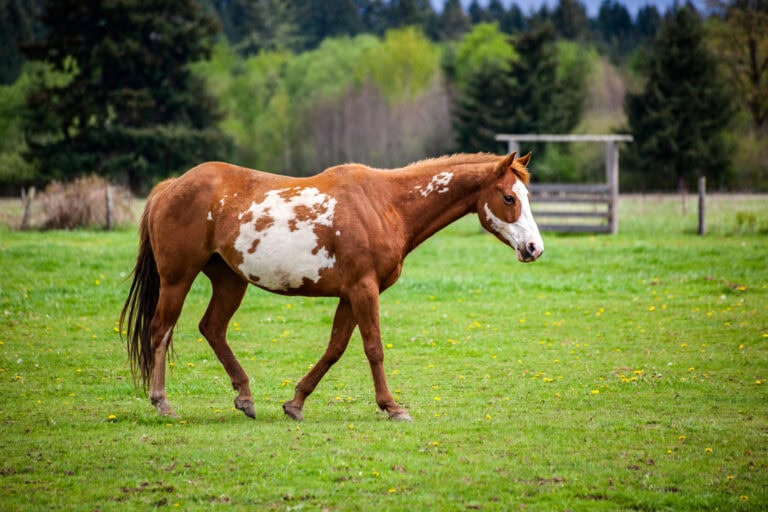
The overo pattern is one of three coat patterns in American Paint Horses (APHs) recognized by the American Paint Horse Association (APHA), along with Tobiano and Tovero. Among Overo variations, the frame overo subtype stands out for its distinctive markings....
Exertional Rhabdomyolysis (ER), commonly known as tying-up or azoturia, is an exercise-induced condition in horses characterized by the excessive breakdown of muscle tissue. This results in muscle spasms, pain and impaired performance following bouts of exercise. [1] In severe cases,...
Explore Mad Barn's comprehensive database of up-to-date global welfare regulations. Discover what laws are in place in your country about horse care and management
Melanomas are a type of skin tumor most commonly observed in aging grey horses. Up to 80% of gray horses aged 15 or older develop melanomas during their lifetime. Melanomas in gray horses often appear as benign blemishes and remain...
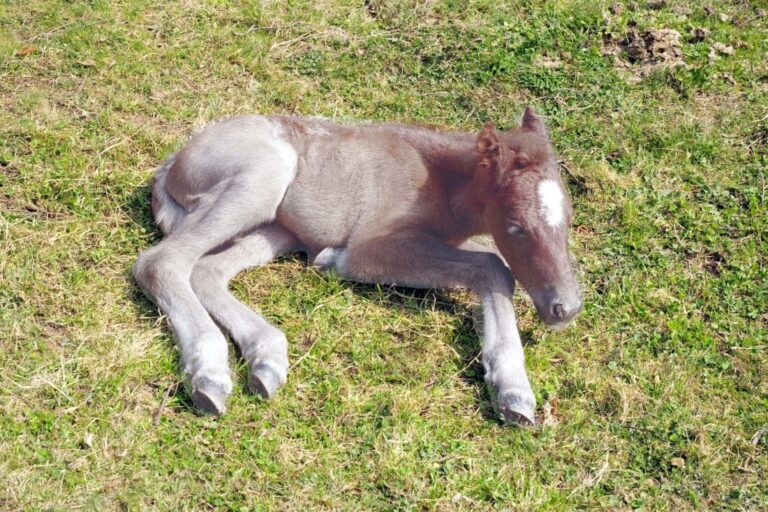
Lavender Foal Syndrome (LFS), or coat colour dilution lethal (CCDL), is a rare and lethal disorder in Arabian horses and crossbreeds. Foals with LFS are born with neurological problems and a lightened coat colour. Lavender Foal Syndrome is a genetic...
Epistaxis is a common condition in horses that refers to bleeding from the nostrils. Nosebleeds can range in severity and may result from trauma, underlying health conditions or exercise. The majority of nosebleeds in horses are caused by minor trauma...
Ivermectin is an over-the-counter medication used to control internal parasites in horses and other animals. It is macrocyclic lactone medication and is one of the most widely used dewormers or anthelmintics in the equine industry. Ivermectin is effective against a...
Equine piroplasmosis (EP), or babesiosis, is an infectious tick-borne disease that affects all equid species, including horses*, mules, donkeys and zebras. It is caused by protozoan parasites that are transferred to the horse via tick bite. The protozoan parasites, Theileria...
Ringbone is a degenerative condition that affects the bones and joints in the horse’s lower limbs. It is characterized by the inflammation of surrounding connective tissue, triggering the formation of bony growths around the affected joints. [ref n="2"][ref n="5"] These...