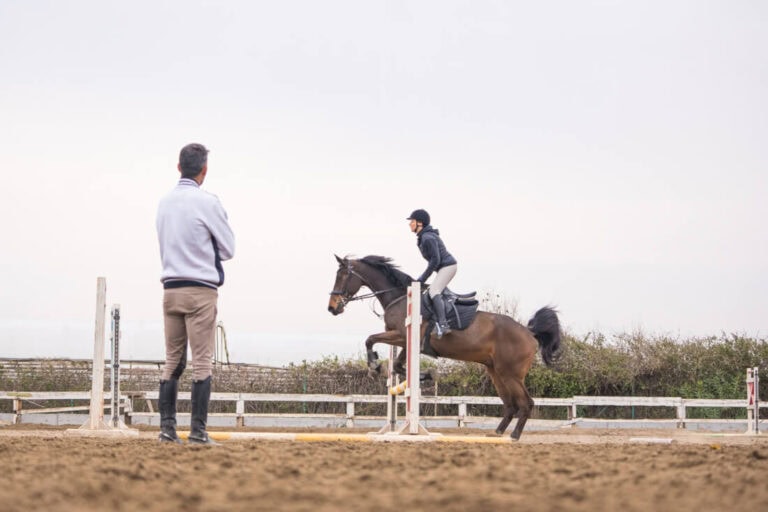
Social License to Operate (SLO) is the informal but important public approval that lets industries operate without major opposition. In equestrian sport, SLO reflects how the public views the sport’s ethics, transparency, and care for animal welfare. The level of...
Hoof capsule avulsion, or hoof degloving, is a traumatic injury that can severely impact a horse’s ability to move and function normally. The hoof plays a vital role in supporting the horse's weight, absorbing shock, and maintaining balance, which is...
Proper feed storage is essential for effective horse care and efficient farm management. Horses rely on consistent, high-quality nutrition to maintain their health, performance, and overall well-being. Incorrect feed storage can lead to spoilage, contamination, and pest infestations, which waste...
Neck threadworms (Onchocerca cervicalis) are a type of parasitic worm that primarily infect horses. The adult worms live deep within the ligamentum nuchae (the connective tissue along the horse's neck), while their microscopic larvae (microfilariae) migrate into the skin, where...
Dorsal Displacement of the Soft Palate (DDSP), commonly known as "flipping the palate," is a respiratory condition that significantly affects a horse’s performance, especially during intense exercise. It is one of the most common causes of upper airway obstruction in...
Rollkur, or hyperflexion, is a technique used in equestrian disciplines to create a compact, low, and rounded horse posture. It involves excessive flexion of the horse’s neck, where the horse’s head is drawn back towards its chest, potentially exceeding its...
Tongue ties are devices commonly used in horse racing to restrict a horse's tongue, which helps improve control and optimize upper airway function. Typically made from materials such as cloth, leather, or elastic, these devices are tied around the tongue...
Whisker trimming involves the removal of a horse’s long, sensitive vibrissae—specialized hairs around the muzzle, eyes, and sometimes ears. These hairs are deeply rooted and connected to nerve endings, playing a crucial role in sensory perception. Traditionally performed for cosmetic...
Hypothermia and frostbite are serious cold-weather conditions that can affect horses exposed to extreme low temperatures, especially when combined with wind and moisture. Although horses are naturally equipped to withstand cold weather, prolonged exposure to temperatures below their thermoneutral zone...
Blood doping is a type of performance enhancement that artificially increases the blood’s oxygen carrying capacity. In equine sports, the purpose of blood doping is to improve a horse’s performance by raising the number of red blood cells (RBCs) in...
Gas colic, also known as tympany or flatulent colic, is a prevalent gastrointestinal disorder in horses characterized by the excessive accumulation of gas in the intestines. This condition can lead to significant abdominal discomfort and distress, posing a serious health...
Osselets are a form of arthritis that affects the fetlock joint, commonly seen in young, active horses engaged in high-performance activities such as racing and jumping. This condition develops as a result of repetitive, high-impact stress on the joint, leading...
Ascarids (Parascaris equorum) are significant parasitic threats to equine health, particularly in young horses. These large, robust roundworms can grow up to 15 inches long and are most commonly found in foals and yearlings, whose developing immune systems make them...
Selecting the right boarding facility for your horse is essential for both your horse’s well-being and your peace of mind. Boarding involves housing your horse at a facility not on […]
Equine tail alteration practices, including tail docking, nicking, and blocking, are highly controversial. These procedures involve modifying or removing parts of the tail, primarily for aesthetic or competitive purposes. Such practices raise significant welfare concerns due to the associated pain...
Purpura hemorrhagica (PH) is a severe immune-mediated condition in horses characterized by widespread inflammation of blood vessels, known as vasculitis. This condition often develops as a secondary complication of infections, particularly those caused by Streptococcus equi, the bacterium responsible for...
Stallions are male horses that have not been castrated and thus have high levels of testosterone. This hormone can drive behaviors such as aggression, dominance, and a strong mating instinct. Testosterone, produced primarily in the testicles, plays a crucial role...
Branding is a traditional practice used to permanently mark horses for identification purposes. This method involves creating a lasting mark on a horse's skin by applying either a heated iron (hot branding) or a supercooled iron (freeze branding). While branding...
Warts in horses, also known as equine papillomatosis, are small, benign growths caused by equine papillomaviruses (EPVs). These growths primarily affect young horses under the age of three, as their developing immune systems are more susceptible to the virus. EPVs...
Ticks are small, blood-feeding arachnids with specialized mouthparts that allow them to attach to a variety of hosts, including humans, birds, reptiles, and mammals like horses. After attaching to a host, ticks use their mouthparts to feed on the host’s...
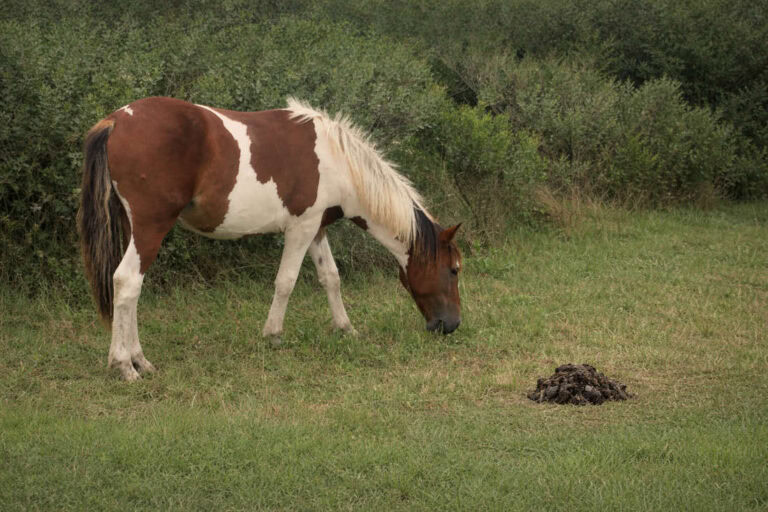
Defecation is crucial for maintaining a horse's digestive health and overall well-being. Regular bowel movements help to ensure that the digestive system is functioning properly, allowing waste to be efficiently expelled from the body. This is vital for preventing issues...
The horse's brain is responsible for managing and regulating all bodily functions and behaviours. The cerebellum, located at the back of the brain beneath the occipital lobes, plays a vital role in coordinating and fine-tuning motor movements. Equine Cerebellar Abiotrophy...
Pain in horses, like in other animals, is an unpleasant sensory and emotional experience associated with actual or potential tissue damage. It can result from various sources, including injuries, diseases, or surgical procedures. Recognizing signs of pain in horses is...
Conjunctivitis, also known as "pink eye", is an inflammation of the conjunctiva, the mucous membrane that covers the front of the eye and lines the inside of the eyelids. This condition is the most common acquired eye disease in animals....
The stifle is a complex joint in the horse's leg, comparable to the human knee. It comprises bones, ligaments, cartilage, and muscles that work together to enable movement and provide stability. This joint plays a crucial role in the overall...
Six-time Olympic dressage medalist Charlotte Dujardin voluntarily withdrew from the Paris 2024 Olympic Games after a video emerged of Dujardin "making an error of judgment" during a coaching session years ago. The International Federation for Equestrian Sports (FEI) initiated an...
Fibrotic myopathy is a rare condition in horses characterized by the development of fibrous (scar) tissue within the muscles, typically affecting the inner thigh muscles of one or both hindlimbs. Affected horses develop hindlimb stiffness, a distinctive hoof-slapping gait, mechanical,...
Seizures, while relatively rare in horses compared to dogs and humans, pose significant challenges for both horse owners and veterinarians. These neurological episodes, characterized by abnormal electrical activity in the brain, can manifest in various forms. During a seizure, a...
Sesamoid injuries are a common and often serious equine injury. The small sesamoid bones play a large role in reducing tension on the muscles and tendons of the body. The proximal sesamoid bones (PSBs), located in the fetlock joint, play...
A properly functioning urinary system plays a vital role in maintaining the overall health and well-being of a horse. It acts as a filter, removing waste and toxins from the bloodstream and preventing harmful substances from accumulating in the body....