Analyze Diet
basic-horse-handling-guide
Basic Horse Handling & Ground Manners: Best Training Practices Caroline Cochran, BSc. | August 23, 2026

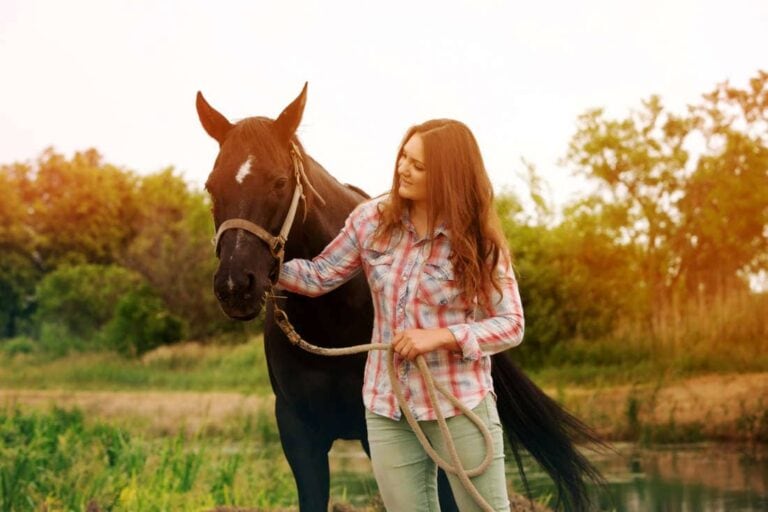
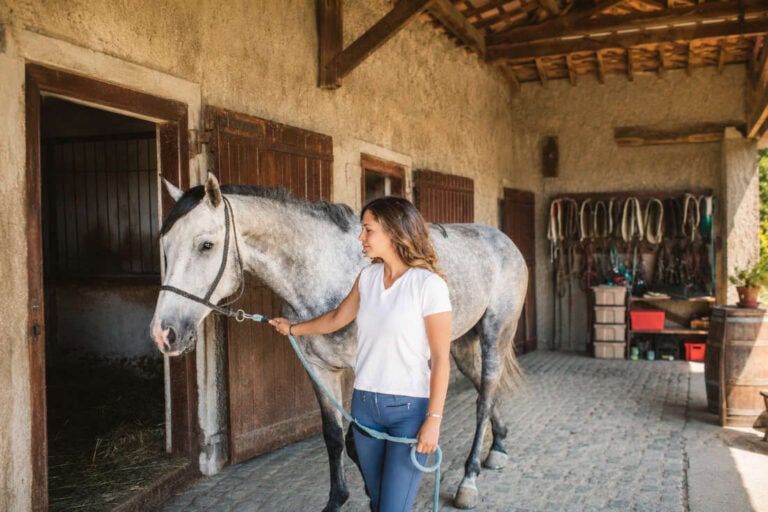
Best practices for basic horse handling help owners build safer, clearer interactions with their horses. Skills such as approaching, haltering, leading, tying, and handling the feet form the foundation for routine care, training, and veterinary or farrier procedures. Because horses...

complete-guide-to-dressage-movements
Equestrian Dressage Movements: Complete Guide to Training, Progressions & Tips Dr. Emily Gilbert, PhD | August 23, 2026

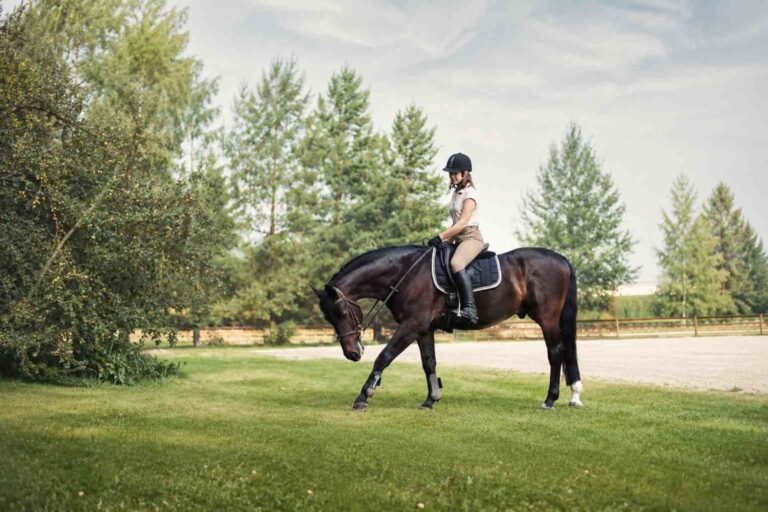
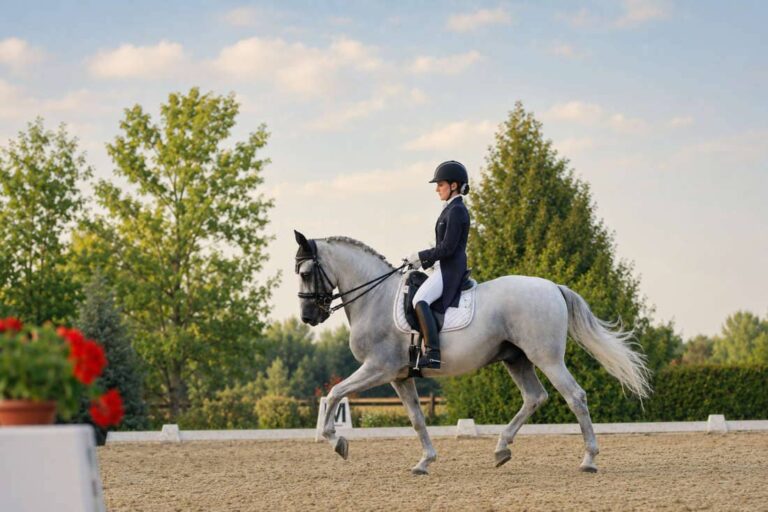
Dressage movements are structured exercises that progressively develop a horse's balance, responsiveness, strength, and coordination. From basic arena figures to advanced collected work, each movement builds on skills established earlier in training. For riders, understanding this progression is just as...

complete-guide-to-dressage-levels
Guide to Equestrian Dressage Levels: Understanding Competitive Progression Dr. Emily Gilbert, PhD | August 23, 2026

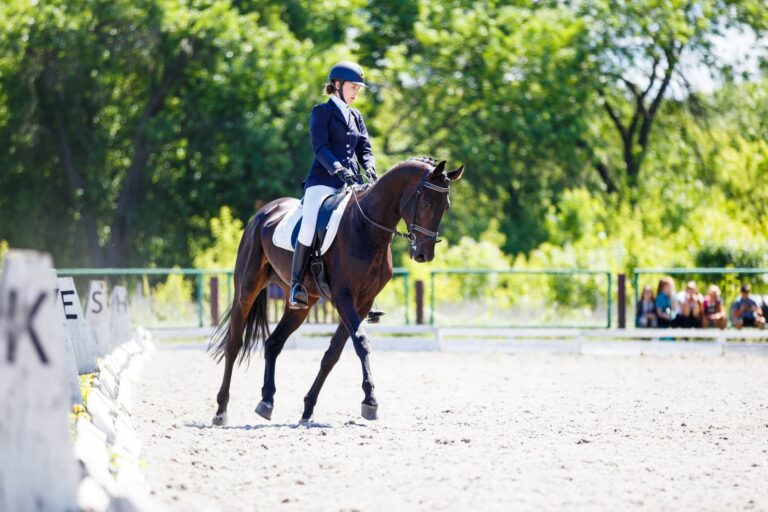
Dressage levels are a graduated system of tests that measure how far a horse and rider have progressed in their training. Every dressage test ridden in competition, from a small schooling show to the Olympic Games, belongs to a defined...

starting-horses-under-saddle
Starting Horses Under Saddle: Readiness, the First Ride & Training Tips Dr. Madison Ricard, DVM, PhD, DACVP | August 23, 2026

Starting horses under saddle is a gradual training process that can influence a young horse's confidence, soundness, and future performance throughout their riding career. Once called "breaking" a horse, the language around this stage has shifted to better reflect the...

lead changes in horseback riding
How to Teach Lead Changes: Training Tips & Exercises Dr. Emily Gilbert, PhD | August 23, 2026

Lead changes occur whenever a horse switches from one canter lead to the other. Horses perform them naturally at liberty when changing direction, adjusting their balance, or responding to the terrain and movement around them. Under saddle, riders use lead...

rhythm-balance-and-straightness-in-horses
Developing Rhythm, Balance & Straightness in Horses: Exercises & Tips Dr. Ana Mesa, Ph.D. | August 23, 2026

Rhythm, balance, and straightness are key training principles that influence how a horse moves, carries their body, and responds to the rider's aids. Together, they help the horse stay organized, coordinated, and easier to guide under saddle. Although these concepts...

training-horse-to-ground-tie
Training Horses to Ground Tie: Training Tips, Safety & Troubleshooting Caroline Cochran, BSc. | August 24, 2026

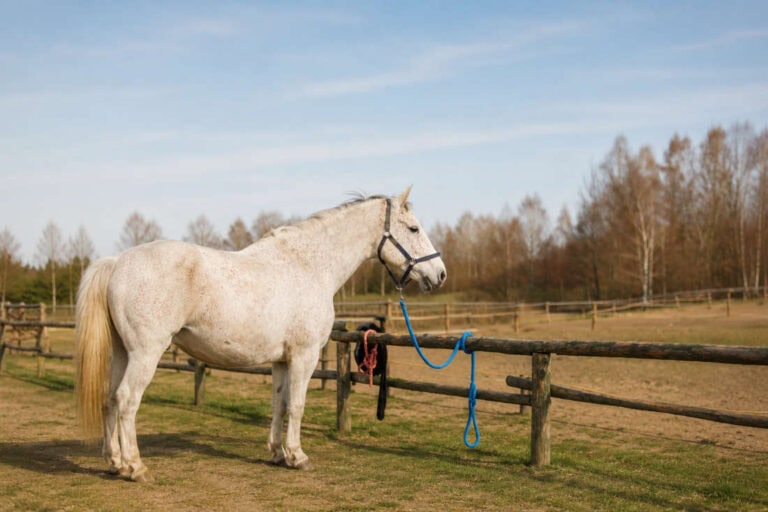
Ground tying for horses is one of the most valuable basic handling skills equestrians can teach their horses. Many owners only realize how useful it is when they need their horse to stand quietly without being held, tied, or cross-tied....

how-to-ride-flying-lead-changes
How to Ride Flying Lead Changes in Dressage: Training Tempi Changes Dr. Emily Gilbert, PhD | August 23, 2026

Learning how to ride flying lead changes is one of the most important milestones in a dressage rider's journey up the levels. Flying lead changes are an advanced dressage movement that is beautiful to watch and exhilarating to ride. In...

how-to-ride-extended-trot-in-dressage
How to Ride Extended Trot in Dressage: Training Tips for Extension Dr. Emily Gilbert, PhD | August 3, 2026

Extended trot is one of the most expressive and demanding movements in dressage, showing the horse's ability to lengthen the stride and frame while staying rhythmic, balanced, and in self-carriage. When ridden well, the horse appears to float forward with...

how-to-desensitize-a-spooky-horse
How to Desensitize a Spooky Horse: A Step-by-Step Guide Caleigh Copelin, BBRM (Honours) | August 3, 2026

Desensitizing a horse can help reduce spooky behavior and teach them to stay calmer around unfamiliar sights, sounds, and objects. Horses, as flight animals, are naturally alert to potential threats and are startled by perfectly ordinary things. For owners and...

posting-trot-in-horseback-riding
Posting Trot for Beginner Riders: How to Ride in Rhythm with Your Horse Dr. Emily Gilbert, PhD | August 3, 2026

Posting trot is a foundational riding technique that helps riders move in rhythm with the horse's two-beat trot. By rising and sitting with the horse's diagonal movement, the rider can reduce the bounce of the trot and create a smoother,...

dead-sided-horse
Dead-Sided Horse: Why Horses Ignore Leg Cues & How to Fix It Caleigh Copelin, BBRM (Honours) | August 3, 2026

A dead-sided horse is a horse who has become "dead to the leg," meaning they are slow or unresponsive to the rider's leg cues. While a well-trained horse should respond promptly to light pressure by moving forward, bending, or traveling...

how-to-ride-a-half-pass-in-dressage
How to Ride a Half Pass: Dressage Training & Tips Dr. Emily Gilbert, PhD | August 23, 2026

The half pass is a fundamental dressage movement that clearly reveals the quality of a horse's training. In a half pass, the horse travels forward and sideways on a diagonal line, bent in the direction of travel. The forehand leads...

travers-vs-renvers-in-dressage
Travers vs. Renvers (Haunches In vs. Haunches Out): How to Train Collected Dressage Movements Dr. Emily Gilbert, PhD | August 23, 2026

Travers and renvers are among the most confusing lateral movements in dressage. These two exercises are essentially the same movement viewed from opposite sides of the arena wall. The visual distinction is easy to mix up, and once understood, the aids...

warm-up-routines-for-horses
How to Warm Up Your Horse at a Show: Pre-Ring Routine & Show Day Tips Dr. Ana Mesa, Ph.D. | August 3, 2026

Warm-ups for horses entering the ring help prepare them for competition, giving riders a chance to address stiffness, tension, distraction, or dullness before the class begins. A busy show environment can affect how a horse feels under saddle, from focus...

hot-to-sit-the-trot-in-dressage
How to Sit the Trot: Dressage Training Tips & How-To Guide Dr. Emily Gilbert, PhD | August 3, 2026

Sitting trot is one of the most difficult skills for riders to master, but it is fundamental for advancing through the levels of dressage. Unlike posting trot, where the rider rises from the saddle on one beat and returns on...

training-piaffe-and-passage-in-dressage
How to Train Horses to Perform Piaffe & Passage: Advanced Dressage Tips Dr. Emily Gilbert, PhD | August 3, 2026

Piaffe and passage are defining movements of Grand Prix dressage. Watching a horse trot in place with power and cadence, or float forward in slow, elevated suspension, is unlike anything else in equestrian sport. Piaffe and passage appear from Intermediate...

how-to-ride-a-turn-on-the-haunches-in-dressage
How to Ride a Turn on the Haunches in Dressage: Fundamentals & Training Tips Dr. Emily Gilbert, PhD | August 3, 2026

The turn on the haunches is one of those dressage movements that looks simpler from the rail than it feels in the saddle. This movement asks the horse to move its front end around its hind end in a small,...

how-to-ride-a-leg-yield-in-dressage
How to Ride a Leg Yield in Dressage: Exercises, Tips & Training Principles Dr. Emily Gilbert, PhD | August 3, 2026

The leg yield is a foundational lateral movement in dressage. To perform this movement, the horse travels forward and sideways at the same time. The body stays nearly straight, with a slight flexion at the poll away from the direction...

rider-position-over-fences
Rider Position in Show Jumping: Biomechanics, Balance & Common Faults Sarah Welk Baynum, BS | August 5, 2026

Rider position influences how a horse balances, moves, and clears fences in jumping performance. While jumping ability often appears to depend on the horse alone, research and training principles consistently show that the rider’s position directly affects equine biomechanics. During...

groundwork-exercise-for-horses
10 Groundwork Exercises for Horses: Low-Impact Training for Horse Health & Performance Sarah Welk Baynum, BS | August 5, 2026

Groundwork exercises are an essential part of equine training, care, and conditioning, yet they are often overlooked in favor of ridden work. Working with a horse from the ground allows handlers to reinforce clear cues, improve responsiveness, and observe how...

overcoming-performance-plateaus
Performance Plateaus in Horses: Assessment, Management & Training Sarah Welk Baynum, BS | August 5, 2026

Overcoming a performance plateau is a common goal in horse training. When progress stalls, most riders assume the horse needs better conditioning or a more advanced training plan. While conditioning and training gaps can contribute to plateaus, they are not...

conditioning-programs-for-jumping-horses
Conditioning Programs for Show Jumpers: Biomechanics, Strategies & Exercises Sarah Welk Baynum, BS | August 25, 2026

Show jumping places significant physical demands on horses, requiring a combination of strength, power, balance, coordination, and stamina. Each round of show jumping involves repeated efforts that challenge the cardiovascular system, muscles, joints, tendons, and ligaments. A structured conditioning program...

sending your horse in training
Sending Your Horse in Training: What to Look For in a Train & Board Facility Caroline Cochran, BSc. | August 5, 2026

Sending a horse in training can be a valuable way to build skills, improve behavior, and develop a more consistent, rideable partner when the program is well-matched to the horse's needs. With clear goals, open communication, and appropriate expectations, professional...

flatwork-guide-for-jumping-horses
Flatwork for Jumping Horses: Building Balance, Strength & Rideability Sarah Welk Baynum, BS | August 4, 2026

Improving jumping performance often begins long before a horse leaves the ground. While jumping schools, gymnastic grids, and course work are important parts of training, correct flatwork underpins every phase of the jumping effort. Flatwork forms the foundation of a...

riding-combinations-and-lines
Riding Show Jumping Lines & Combinations: Training Exercises & Understanding the Course Sarah Welk Baynum, BS | August 4, 2026

Riding show jumping lines and combinations requires more than simply finding the right distance. Each related distance, double, or triple combination asks the horse and rider to maintain the ideal pace, balance, straightness, and communication from the approach through to...

foal-imprinting
Horse Imprint Training: Evidence, Best Practices & Alternatives Camryn McNeill, B.B.R.M. (Honours) | August 4, 2026

Horse imprint training for foals is widely discussed in breeding programs, often presented as a way to shape behavior from the first hours of life. Some handlers believe early, structured exposure to human contact can produce calmer, more manageable horses,...

riding-horses-on-the-bit
Riding Your Horse On The Bit: Biomechanics, Training Tips & Common Mistakes Sarah Welk Baynum, BS | August 22, 2026

“On the bit” is one of the most commonly used and misunderstood phrases in equestrian sports. It’s often used to describe a horse’s head or neck position, but true on-the-bit work involves far more than creating a certain outline. When...

stride-adjustability-exercises-for-jumping-horses
Stride Adjustability in Horses: Exercises to Improve Jumping Performance Dr. Madison Ricard, DVM, PhD, DACVP | August 3, 2026

Stride adjustability in horses is a foundational skill for successful show jumping, allowing riders to meet distances accurately, maintain rhythm, and adapt to the technical demands of modern courses. Whether you are competing in hunters, jumpers, or equitation, the ability...

associative-vs-non-associative-learning
The Four Quadrants of Horse Training: Understanding R+, R-, P+ & P- Dr. Madison Ricard, DVM, PhD, DACVP | August 22, 2026

Training is a central aspect of the horse-handler relationship, ensuring clear communication and quicker, more reliable responses. An understanding of how horses process information allows handlers to build stronger connections and achieve consistent results across various training activities. Horses learn...