English
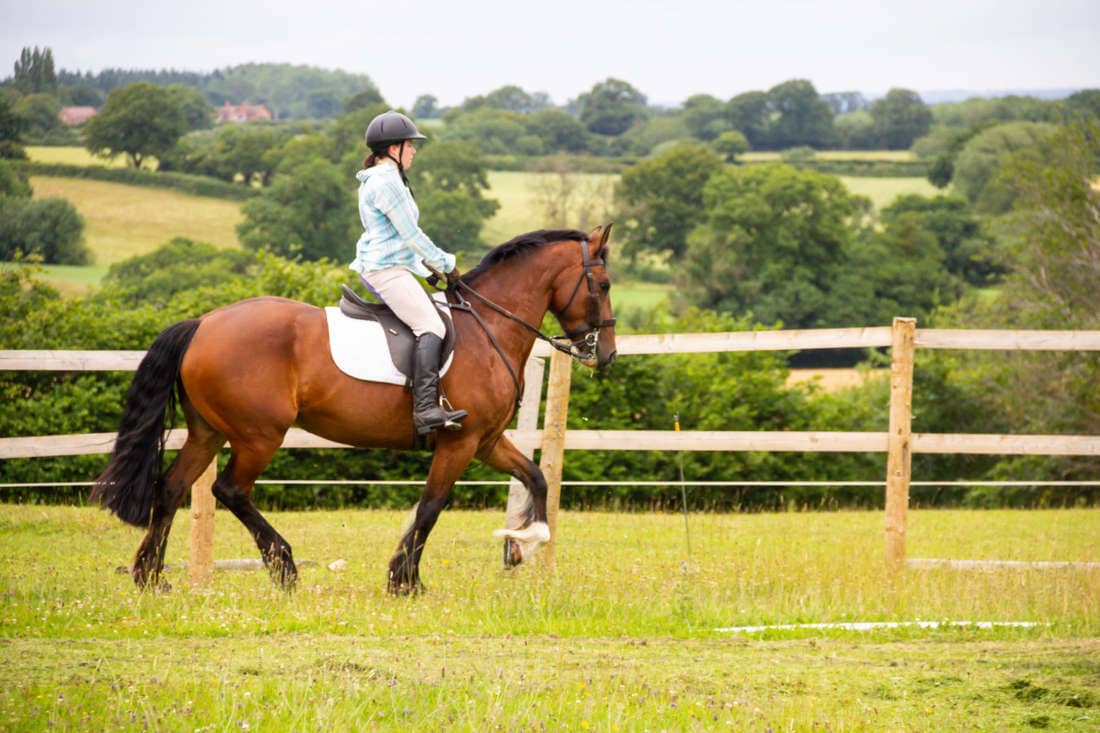
“On the bit” is one of the most commonly used and often misunderstood terms in equestrian training. While it is frequently associated with a horse’s head or neck position, true on-the-bit work involves coordinated movement throughout the entire body.
When a horse is correctly on the bit, energy originates in the hindquarters, travels through a supple back, and reaches the rider’s hand through light, elastic contact. This connection allows the horse to move in balance, develop strength, and carry itself without relying on the rider for support.
Because the term is often oversimplified, riders may focus on creating a certain outline rather than developing the underlying mechanics that make the correct contact possible. In reality, riding on the bit is not about placing the horse into a frame, but about building impulsion, engagement, and self-carriage from back to front.
Understanding what “on the bit” truly means and how to achieve it correctly can improve your horse’s balance, movement efficiency, and long-term soundness. This guide explains the biomechanics behind correct contact, how to develop it step by step, and common mistakes to avoid.
What Does Riding Your Horse “On the Bit” Mean?
A horse is considered “on the bit” when their neck is raised and arched appropriately for the horse’s stage of training and the desired degree of extension or collection.
A horse on the bit accepts the bridle with light, consistent, and elastic contact. The horse should also show no resistance when correctly on the bit, maintaining a supple, willing connection to the rider.
Energy and impulsion are also essential for a horse to work correctly on the bit. These form the foundation for connection, engagement, and power, transforming a flat gait into one that is elastic and balanced.
Impulsion is not simply speed — it’s controlled transmission of energy from the hindquarters through the horse’s back and into the bit, resulting from both power and balance. The horse’s energy should flow from back to front to achieve a correct and consistent connection. [2][3]
Signs a horse is correctly on the bit include: [1][2][3]
- Accepts steady, elastic rein contact
- Engages the hindquarters and steps under the body
- Lifts the base of the neck and withers
- Carries the poll as the highest point with a relaxed jaw
- Maintains the nose slightly in front of the vertical
- Moves with a steady rhythm and a swinging, elastic back
What's your top priority with your horse's health?

What's your top priority with your horse's health?
Why Riding on the Bit Matters
Working on the bit shifts more weight to the hindquarters, reducing strain on the forelimbs and supporting soundness.
Balanced movement distributes the horse’s weight more evenly across the joints, improving shock absorption and reducing wear on structures such as the fetlocks, knees, and shoulders.
Topline & Core Development
Working on the bit helps activate the muscles that support strength and stability, including those along the back and core. These muscles work together to stabilize the spine and help the horse carry weight more efficiently. [2][4]
Over time, this leads to better topline development and can reduce the risk of back pain and compensatory movement patterns. [2][4]
Movement Efficiency
Correct connection when a horse is working on the bit improves movement efficiency by allowing energy to flow smoothly through the horse’s body, resulting in more coordinated and balanced motion. [4]
Head and neck position directly influence limb loading and stride mechanics, meaning a correctly aligned horse can move with a more consistent rhythm and improved balance during transitions and turns. [4]
As self-carriage develops, the horse relies less on the rider for support and more on its own strength and coordination. This improved efficiency not only enhances performance but also helps reduce unnecessary strain on the limbs, supporting long-term soundness. [4]
Discipline Considerations
Some disciplines explicitly require a horse to work on the bit as part of correct performance. In dressage and the dressage phase of eventing, judges evaluate connection, contact, and self-carriage as fundamental components.
Judges may not consider riding on the bit in other disciplines, but it remains essential for success. In jumping and cross-country, for example, a connected horse is more balanced and responsive to aids, qualities that directly influence stride control and accuracy. [1][5]
Biomechanics of Working Horses on the Bit
Working a horse on the bit relies on coordinated biomechanics throughout the horse’s entire body, not just their head and neck position. Understanding how the hindquarters, back, and forehand work together helps explain how to achieve correct bit contact and balance.
Hindquarter Engagement
Hindquarter engagement is the foundation of working a horse correctly on the bit. When the hind legs step further under the body, the joints of the hocks and stifles flex more deeply, allowing the horse to carry more weight behind. [5][6]
This engagement activates key muscle groups and encourages flexion through the lumbosacral region, which helps lift the back and support the rider.
As a result, energy generated from the hindquarters can travel forward through a supple topline, creating true connection and balance rather than a frame that is held in place by the reins. [5][6]
Thoracic Sling Function
The thoracic sling is a group of muscles that suspends the horse’s ribcage between the front limbs and supports posture. The thoracic sling supports true balance, self-carriage, and a soft, elastic connection while reducing strain on the forelimbs. [7][8]
When engaged, these muscles lift the withers and base of the neck, helping the horse move in uphill balance. This lift is essential for correct “on the bit” work, as it allows the horse to carry themself rather than leaning on the reins. [7][8]
Cervical Position
Cervical position plays a key role in how a horse moves and carries itself on the bit. The head and neck position directly affect limb loading, coordination, and overall movement.
Correct “on the bit” work depends on a cervical position that supports balance and consistent connection. Correct flexion should come from the poll, with a supple neck, and the nose slightly in front of the vertical. [2][3]
How to Ride a Horse On the Bit
Achieving correct “on the bit” work relies on developing the horse’s strength and comfort so they can translate forward energy into balanced connection and self-carriage, rather than forcing them into a specific frame.
Step 1) Rule Out Physical Limitations
If you are having trouble getting your horse to work on the bit, the first step is to ensure they are physically comfortable. Pain interferes with correct biomechanics, preventing the horse from engaging properly and moving freely.
Some of the most important factors to evaluate include:
- Saddle fit
- Dental health
- Bit fit and type appropriateness
- Back, sacroiliac (SI), and hock pain
If any discomfort or imbalance is suspected, it’s important to address these issues before progressing with training.
Working with a veterinarian can help identify underlying pain or physical limitations, while a qualified saddle fitter or knowledgeable tack professional can assess whether equipment is contributing to the problem.
Step 2) Establish Forward Energy
A horse can only truly work on the bit when it has enough forward energy coming from the hind end. Focus on developing active hind leg movement through exercises such as transitions, ground poles, and hill work, while maintaining a consistent rhythm and relaxation.
Without adequate impulsion, contact can become restrictive rather than soft and elastic. [2][3]
Step 3) Create a Connection from Leg to Hand
Connection flows from the rider’s leg through the horse’s body into the reins. Ride from the inside leg to the outside rein and use half-halts to rebalance. Maintain elastic elbows that follow the motion to help create connection. The hands should allow for a soft, consistent contact. [2][3]
Step 4) Encourage Stretch & Lift
Encouraging stretch and lift is key to developing correct contact, as the horse must seek the bit voluntarily rather than being held in a fixed frame.
Allowing the horse to stretch forward and down helps build strength gradually, and incorporating moments of release and reward promotes relaxation and self-carriage. [1][2][3]
Step 5) Improve Straightness
Straightness allows energy to travel efficiently through the horse’s body and supports even loading and muscle development. A straight horse can push evenly from both hind limbs, improving balance and connection.
To help develop straightness: [2][3]
- Use circles and lateral work to address crookedness
- Keep shoulders and hips aligned
- Maintain even rein contact
- Correct any drifting or imbalance through the body
Signs Your Horse is Correctly On the Bit
The feel of a horse working correctly is one of the most important indicators of whether it is on the bit. The horse should feel balanced, connected, and supple, particularly through the back.
Common signs your horse is truly on the bit include: [1][2][3]
- A lighter feel in your hands, not heavier
- A swinging, elastic back
- Quiet, steady contact
- A relaxed jaw and soft mouth
- Consistent rhythm
- Willingness to stretch when asked
- Responsiveness to subtle aids
Table 1. Signs of correct on the bit work vs. false frame
| On the bit correctly | Incorrect or false frame |
|---|---|
|
|
Common Mistakes When Trying to Ride a Horse On the Bit
Misunderstandings about what “on the bit” means can lead to riding practices that disconnect the horse’s body, block movement, and increase tension rather than improve it.
Some common mistakes when trying to ride a horse on the bit include: [2][3][4]
- Pulling the horse’s head down: Pulling on the reins without creating impulsion results in a false frame and heaviness in the hand. The horse braces through the topline instead of stepping under and lifting the back, limiting engagement and increasing strain on the forehand.
- Riding behind the vertical: Riding with the nose behind the vertical may appear round, but it compromises function. It can restrict the airway, increase tension through the neck and back, reduce forward energy, and make it more difficult for the horse to develop true connection and self-carriage.
- Over-training collection: Horses cannot maintain collected work for an entire ride. Without variation, fatigue builds and movement quality declines. Incorporating stretch breaks, changes in posture, transitions, and cross-training exercises such as pole or cavaletti work helps maintain relaxation, support muscle development, and keep the horse responsive.
Building Strength for “On the Bit” Work
Building strength for “on the bit” work requires a gradual approach that prioritizes hindquarter engagement and core stability.
Conditioning programs should reflect the individual horse’s fitness level and stage of development. Shorter, more frequent sessions are typically more effective than longer, less frequent rides.
Exercises to help build the strength required for correct on the bit work include:
- Hill Work: Riding up hills and over varied terrain encourages hindquarter engagement. Controlled downhill work improves balance and coordination.
- Ground Poles: When slightly raised, ground pole exercises promote lifting through the back and activation of the core muscles.
- Transitions: Frequent gait transitions (such as walk–trot–walk or trot–halt–trot) encourage the horse to shift weight back and engage the hind end.
- Rein-back: Stepping backward, either in hand or under saddle, strengthens the loin and encourages greater engagement.
- Long-reining and lunging: Working on the ground without a rider allows the horse to develop topline strength and coordination without carrying additional weight.
- Lateral Work: Exercises like leg-yield, shoulder-in, and spiraling circles improve flexibility, straightness, and overall strength.

Developing Correct Contact Over Time
Learning to ride a horse on the bit is a gradual process that depends on strength, balance, and clear communication rather than forcing a specific head position.
When the horse develops impulsion from behind, moves through a supple back, and maintains consistent contact, correct connection becomes a natural result rather than something the rider has to create.
Progress is rarely linear. Horses may show improvement in one area while struggling in another, particularly as they build the strength and coordination needed to carry themselves correctly. Taking a patient, systematic approach helps create the conditions required for true self-carriage.
Consistency in training is just as important as the exercises themselves. Short, well-structured sessions that reinforce correct movement patterns are often more effective than longer rides that lead to fatigue. Over time, these consistent efforts allow the horse to develop the muscular strength, balance, and confidence needed to maintain correct contact.
Ultimately, developing a horse that works correctly on the bit requires a combination of thoughtful training, proper management, and attention to the horse’s physical needs. With time, this approach leads to improved movement, better communication, and a horse that is comfortable, responsive, and sound over the long-term.
Frequently Asked Questions
Here are some frequently asked questions about riding a horse on the bit:
A horse is considered “on the bit” when it accepts light, steady, elastic contact while moving in balance and with engagement from behind. The poll is the highest point, the jaw remains relaxed, and the nose stays slightly in front of the vertical. True on-the-bit work reflects coordinated movement throughout the body, not just head position. [1][2][3]
Signs include light, elastic contact, engagement of the hindquarters, and a lifted base of the neck and withers. The horse maintains a steady rhythm, a swinging back, and a relaxed jaw with the nose slightly in front of the vertical. Riders often feel softer contact, improved responsiveness, and greater willingness to stretch. [1][2][3]
A horse works correctly on the bit when impulsion is developed from the hindquarters and flows forward into consistent contact. Riders should focus on forward energy, straightness, and relaxation, using transitions, lateral work, and half-halts to build connection. The goal is to develop self-carriage rather than place the horse into a frame.
Common mistakes include pulling the horse's head down, riding behind the vertical, and working in collection for too long without breaks. These approaches create tension, reduce engagement, and lead to a false frame rather than correct connection. [2][3][4]
No, a horse working correctly on the bit should carry its nose slightly in front of the vertical. A position behind the vertical may appear round but often reflects loss of impulsion, tension, or incorrect contact rather than true engagement.
Yes, correct on-the-bit work improves balance, coordination, and movement efficiency by allowing energy to flow through the horse's body. This can support better rhythm, more consistent stride mechanics, and reduced strain on the forelimbs over time. [4]
The timeline varies depending on the horse's age, training level, and physical development. Building correct contact requires gradual strength development and consistent training. Some horses show early progress within weeks, while others may take months to develop reliable self-carriage.
Exercises such as hill work, ground poles, transitions, rein-back, lunging, and lateral work help develop the hindquarters, topline, and core. A balanced, forage-based diet with adequate protein, essential amino acids, and key nutrients also supports muscle development and recovery.
Summary
"On the bit" refers to a horse moving in balanced self-carriage with light, elastic contact, not simply carrying the head in a certain position.
- The foundation of riding a horse on the bit is developing correct movement through the entire body.
- When a horse works with proper impulsion, balance, and connection, it can carry itself more efficiently, improving performance while reducing strain on joints and soft tissues.
- A combination of correct biomechanics, progressive training, proper conditioning, and balanced nutrition helps riders develop a horse capable of working on the bit.
- Focusing on strength, straightness, and relaxation not only improves how the horse moves and feels but also supports long-term soundness and longevity in work.
References
- Dressage Division. United States Equestrian Federation. 2026.
- Beale. J. There Is No Secret to Putting Your Horse "On the Bit". Dressage Today. 2019.
- Noone. T. Create Energy in Your Dressage Horse. Dressage Today. 2023.
- Weishaupt. M. et al. Effect of Head and Neck Position on Vertical Ground Reaction Forces and Interlimb Coordination in the Dressage Horse Ridden at Walk and Trot. Equine veterinary journal. Supplement. 2006.
- D'Arcy. M. The Importance of a Secure and Balanced Position in All Three…. 2022.
- Clayton. H. M. et al. Riders’ Effects on Horses—Biomechanical Principles with Examples from the Literature. Animals : an Open Access Journal from MDPI. 2023.
- Blitz. H.Balance, Strength & Body Awareness in the Dressage Horse. Dressage Today. 2024.
- Hagen. J. What Is the Horse’s Thoracic Sling?. American Farriers Journal. 2023.