English

Show day warm-up routines help prepare horses for the specific demands of performing in a competition environment. Unlike a routine warm-up at home, a pre-ring warm-up has to account for travel, unfamiliar surroundings, ring traffic, weather, footing, class timing, and the horse’s mental state on the day.
A thoughtful show warm-up gives riders time to assess how their horse feels after transport or stalling, address stiffness or tension, and establish focus before entering the ring. It also helps riders decide whether the original plan still fits the horse in front of them or whether the warm-up needs to be shortened, extended, simplified, or adjusted.
The goal is not to tire the horse or fix every training issue before competing. An effective show warm-up should be progressive, individualized, and practical, helping the horse feel loose, attentive, confident, and ready for the work ahead.
Keep reading to learn everything you need to know about warming up on show day so you and your horse can set the stage for a successful performance.
Show Day Warm-Up Routines for Horses
A show day warm-up routine is the period of planned movement and schooling used to transition a horse from travel, stalling, or low activity into the demands of competition. It helps the horse adjust physically and mentally before being asked for the precision, effort, expression, or responsiveness required in the ring.
At a horse show, the warm-up also serves as a real-time check-in before performing. A horse may feel different than expected after trailering, standing in a stall, eating or drinking less than usual, or reacting to the show atmosphere. Early walk, trot, and basic schooling work can help the rider identify whether the horse feels stiff, tense, distracted, dull, reactive, or ready to progress.
A good pre-ring warm-up should follow a clear progression, but it should not be rigid. The rider may need to adjust the length, intensity, or type of exercises based on how the horse feels, how busy the warm-up ring is, how close the class time is, and whether weather or footing changes the plan.
For best results, the routine should start simply, build gradually, and end with the horse feeling prepared rather than fatigued. The final goal is a horse who is physically loose, mentally focused, responsive to the aids, and ready to perform.
What's your top priority with your horse's health?

What's your top priority with your horse's health?
Benefits of Warming Up Your Horse Before a Show
A show day warm-up helps prepare the horse for the specific conditions they will face before entering the ring. Even if the horse is fit and well-trained, travel, stalling, weather, footing, ring traffic, and an unfamiliar atmosphere can all change how they feel under saddle.
Without an appropriate warm-up, some horses may enter the ring feeling stiff, distracted, tense, dull, or behind the aids.
An effective pre-ring routine gives the rider time to confirm that the horse is physically comfortable, mentally focused, and ready for the work required in the class.
Physical Preparation
Warm-up work helps the horse transition from rest, travel, or stall time into more demanding movement. A progressive warm-up can reduce stiffness, improve suppleness, and give the rider time to assess whether the horse feels comfortable on both reins before the class begins.
Warming up also prepares the horse for exercise by supporting: [1]
These effects are most useful when the warm-up increases gradually rather than asking the horse for demanding work immediately after tacking up. On show day, this gradual progression is especially important for horses that have shipped in, stood in a stall, or waited between classes.
Mental Preparation
Warm-ups also help the horse settle into their work mentally. Show environments can include many sources of stress and distraction, such as: [1]
- Noise
- Unfamiliar horses
- Tight spaces
- Loudspeakers
- Banners
- Spectators
- Changes in routine
Simple exercises such as walk-halt transitions, leg yields, large circles, and steady trot work give the horse clear, familiar tasks in an unfamiliar setting. These exercises can help redirect the horse’s attention to the rider without adding unnecessary pressure before the class.
General Wellness Assessment
A warm-up is also an opportunity to confirm that the horse is still ready to perform after transport, time in a stall, and exposure to an unfamiliar show environment. Even a fit, well-prepared horse may feel different after trailering, standing overnight, eating or drinking less than usual, or adjusting to new surroundings.
Before increasing the intensity of work, the rider should take note of the horse’s overall comfort, attitude, hydration, appetite, manure output, movement, and willingness to go forward.
Subtle changes such as stiffness, reluctance to bend, dullness, unusual tension, reduced energy, or resistance under saddle may indicate that the horse needs more time, a modified warm-up, or closer assessment before competing.
It’s important to note this check should not replace veterinary care when there are signs of illness, lameness, colic, dehydration, fever, or significant behavioral changes.
However, building a brief wellness assessment into the warm-up helps riders make safer decisions and avoid pushing a horse that is not physically or mentally prepared for the demands of the class.
How to Plan Your Horse’s Show Warm-Up
A good show warm-up should prepare the horse mentally and physically without making them tired, tense, or dull before they enter the ring. While it helps to have a familiar routine, the most effective show day plans are adjusted in real time based on the horse, the class, the schedule, and the conditions at the venue.
Before mounting, riders should think through the timing of the day. A horse that shipped in that morning may need more time to walk, settle, drink, and loosen up. A horse that stayed overnight may need a different plan depending on how they ate, rested, and behaved in the stall.
Horses competing in multiple classes may also need shorter follow-up warm-ups later in the day rather than repeating a full routine each time.
The goal is to help the horse become loose, attentive, responsive, and confident before competition begins. Some horses need extra time to relax and focus, while others do better with a shorter, more efficient warm-up that avoids overworking them.
Riders should start with a basic plan, then make thoughtful adjustments based on how the horse feels under saddle. A successful show warm-up is not always the longest or most technical routine; it’s the one that helps the horse enter the ring prepared, focused, and fresh enough to perform.
Adjusting Based on Your Individual Horse’s Needs
There is no single warm-up routine that works for every horse at every show. The best plan depends on the horse’s condition that day, the work they will be asked to perform, and how much time is available before the class.
Horse-specific factors to consider when warming up before a show include: [2][3][4][2]
- Age & Training Level: Young or green horses may need more time to walk, look around, and settle before focused work begins. Experienced horses may need less time overall but still benefit from a consistent routine that tells them it is time to work.
- Fitness & Conditioning: A fit competition horse may warm up more quickly than a horse returning to work or a horse with less physical conditioning. Less fit horses may fatigue sooner and often need a shorter, more efficient warm-up that prepares them without draining energy before the class.
- Temperament & Sensitivity: An anxious or reactive horse may need quiet, predictable exercises that help them settle and focus. A quiet or behind-the-leg horse may need short, forward transitions to become more responsive to the rider’s aids.
- Discipline & Class Type: The warm-up should match the discipline and the specific skills the horse needs in the ring. For example, a dressage horse may need more time to develop suppleness, rhythm, and connection, while a jumping horse may need to confirm balance, adjustability, and confidence over a limited number of fences.
- Soundness History: Horses with past injuries, stiffness, or age-related changes may need longer walk periods and more gradual increases in intensity.
- Arrival Timing: When possible, arrive at least 1.5 to 2 hours before the class so the horse has time to settle, drink, eat forage, and adjust to the surroundings before warm-up begins. Horses may need 24 to 48 hours of rest after long-distance travel, especially before demanding work.
Adjusting Based on the Show Environment
Competition conditions can affect both the length and intensity of your horse’s warm-up. A routine that works well at home may need to be shortened, extended, simplified, or reorganized once the horse is at the show.
Factors to consider when warming up at a show include: [1][2][5][6]
- Weather and temperature: Horses may require more time for a gradual warm-up in colder weather. Hot or humid weather may call for a shorter, more conservative warm-up with more walk breaks to reduce the risk of fatigue and heat stress.
- Footing conditions: Deep, sloppy, hard, or uneven footing can affect how the horse moves and warms up. Riders may need to simplify exercises, reduce intensity, or allow more time for the horse to find balance.
- Warm-up ring traffic: Crowded schooling areas can make circles, transitions, and jumping more difficult. In these situations, riders should choose exercises that fit the available space while still helping the horse focus and prepare for the class.
- Timing and wait times: A horse may need extra walking if they have been standing in a stall or trailer. They may need a lower-intensity warm-up if they have already shown or warmed up earlier in the day. If a class is delayed, intermittent walking may help maintain readiness without tiring the horse.
- Atmosphere and distractions: Loudspeakers, spectators, banners, golf carts, strollers, and nearby rings can all affect the horse’s focus. Familiar exercises can help redirect attention without escalating tension.
These factors can change quickly on show day, so the best warm-up plan leaves room for adjustment. Good show day warm-ups combine structure with flexibility, allowing the rider to respond to the horse in front of them instead of forcing a routine that no longer fits the situation.
Managing Show Day Concerns During Warm-Up
On show day, ride times, ring traffic, weather, footing, and rider nerves can all affect your horse and their warm-up.
Some practical considerations to take into account during your warm-up include: [1][7][8]
- Rider nerves: Horses often respond to rider tension. Use mindful breathing techniques, a simple plan, and familiar exercises to stay focused.
- Timing: Plan enough time to warm up without rushing, but avoid warming up so early that the horse stands too long before the class.
- Ring traffic: Stay aware of other horses and riders during busy warm-up conditions. Call fences when jumping, pass other horses safely, and choose exercises that fit the available space.
Effective show day warm-ups combine structure with flexibility, allowing the rider to respond to the horse in front of them.
Sample Pre-Ring Warm-Up Progression
A progressive pre-ring warm-up starts with simple, low-intensity movement and gradually builds toward the work the horse needs to perform in the class. The goal is to help the horse feel loose, focused, and responsive without using up more energy than necessary before entering the ring. [2][9]
This progression can be adapted for different horses and disciplines. Some horses may need a longer walk phase to settle, while others may need a shorter, more efficient routine to stay fresh. Riders should use the following structure as a flexible framework rather than a fixed formula.
1) Active Walk Work to Get Oriented
Begin with at least 5 minutes of forward, purposeful walking before progressing to trot work. This stage gives the horse time to loosen through the body, observe the show environment, and begin focusing on the rider’s aids. [1][2]
To warm up at the walk: [1][2]
- Start on a long or soft rein: Allow the horse to walk forward in a relaxed rhythm without rushing.
- Encourage purposeful movement: The walk should feel active and marching, not slow, tight, or distracted.
- Add large figures: Use large circles, changes of direction, and gentle bending lines to help the horse loosen through the body.
- Include simple transitions: Add walk-halt transitions to bring the horse’s attention back to the rider and check responsiveness to the aids.
- Progress only when ready: Move into trot work once the horse feels more relaxed, focused, and willing to move forward.
If the warm-up ring is crowded, active walk work may be the safest place to begin. Use available space wisely, keep the horse moving forward, and avoid forcing small circles or tight patterns before the horse has loosened.
2) Trot Work to Establish Rhythm
Add about 5 to 10 minutes of trot work when your horse feels ready. Trot work should build on the walk by encouraging steady rhythm, forward energy, relaxation through the back and neck, and improved responsiveness without creating fatigue. [1][2][9]
To warm up at the trot: [1][2][9]
- Begin in a working trot: Start with a steady, forward trot that allows the horse to stay relaxed and balanced.
- Use large, simple patterns: Ride large circles, serpentines, and changes of direction to encourage suppleness without asking for difficult work too early.
- Add walk-trot transitions: Use smooth transitions between walk and trot to improve attention, balance, and response to the rider’s aids.
- Check both directions: Work evenly on both reins and notice whether one side feels stiffer, weaker, or more distracted.
- Adjust the length of this phase: Some horses may need more trot work to become supple, while others may need a shorter trot phase to avoid becoming tired or dull.
At a show, trot work should help the horse become more rideable, not turn into a full schooling session. If the horse becomes tense, dull, rushed, or tired, simplify the work and return to an easier exercise.
3) Canter Work for Balance & Adjustability
Add short canter sets on both leads if they are appropriate for the horse and class. Canter work should help the horse become more balanced, adjustable, and responsive before entering the ring without using up too much energy. [1][2]
To warm up at the canter:
- Start with a simple transition: Ask for canter from a balanced trot or walk, depending on the horse’s training level and discipline.
- Canter briefly on both leads: Use short sets rather than long, tiring canter work, especially if the horse still needs to stay fresh for competition.
- Use large circles or straight lines: Keep the first canter work simple so the horse can find balance and rhythm.
- Practice adjustability: Ask the horse to canter forward for several strides, then return to a more organized canter without losing rhythm.
- Finish before fatigue appears: Return to walk or trot when the horse feels balanced, responsive, and prepared rather than waiting until the canter becomes flat, rushed, or heavy.
For some horses, especially older horses, less fit horses, or horses in less demanding classes, only a small amount of canter work may be needed. For jumping or faster-paced classes, canter work may be used to confirm adjustability, straightness, balance, and confidence before the final preparation for the ring.
4) Rideability Warm-Up Exercises
Across all disciplines, warm-up exercises should improve rideability without creating tension or fatigue. The best exercises are familiar, purposeful, and easy to adjust based on how the horse feels that day.
Common pre-ring exercises include: [1][4]
- Transitions: Transitions within and between gaits can sharpen aid responsiveness, improve balance, and bring the horse’s attention back to the rider. Transitions should feel smooth and prompt, not abrupt or tense.
- Circles and bending lines: Large circles, serpentines, and bending lines can encourage suppleness. These exercises can also help the rider identify stiffness, crookedness, or unevenness before entering the ring.
- Lateral work: Short, correct repetitions of leg yield, shoulder-fore, shoulder-in, or haunches-in can improve connection, straightness, and engagement. Lateral work should support forward rhythm rather than interrupt it.
- Forward-and-back adjustments: Asking the horse to lengthen slightly, then come back to a more organized pace, can help confirm adjustability before dressage, jumping, pattern work, or other performance classes.
These exercises are most effective when they improve the horse’s readiness without turning the warm-up into a training session. On show day, the goal is to confirm communication, not to drill movements until the horse becomes tired, tense, or frustrated.
Optimizing Warm-Up Intensity
Warm-up intensity should match the horse, the class, and the amount of work ahead. At a show, the right warm-up is not always the longest or most energetic one. The goal is to prepare the horse without causing fatigue, dullness, tension, or loss of confidence before entering the ring. [2][9]
- A lower-intensity warm-up may be appropriate for horses that are older, less fit, already tired from travel, competing in multiple classes, or showing again later in the day. This type of warm-up may focus on active walking, brief trot work, simple transitions, and enough canter to confirm balance and responsiveness. [9]
- A moderate warm-up works well for many competition horses. This approach may include an active walk, trot sets, short canter sets on both leads, transitions, and a few discipline-specific exercises. The horse should finish feeling loose, attentive, and ready to work, not flat or overprepared. [2][9]
- A higher-intensity warm-up may be useful before more demanding athletic efforts, such as jumping, speed events, or classes that require greater power and adjustability. However, this approach should be used carefully. Too much intensity before the class can reduce energy, increase tension, or leave the horse less rideable when performance matters most. [2][9]
In all cases, riders should adjust intensity based on the horse’s feedback. If the horse becomes heavy, rushed, anxious, dull, resistant, or less coordinated as the warm-up continues, it may be time to simplify the work, take a walk break, or finish the warm-up before fatigue sets in.
Table 1. Warm-up intensity options for show day preparation [2][9]
| Warm-Up Intensity | May Include | Best For | Goal |
|---|---|---|---|
| Low-Intensity Warm-Up |
|
|
|
| Moderate-Intensity Warm-Up |
|
|
|
| High-Intensity Warm-Up |
|
|
|
Warm-Up Strategies for Different Types of Horses
The best warm-up supports the individual horse. Instead of following the same routine every time, adjust the length, intensity, and exercises based on the horse’s temperament, training level, fitness, and comfort that day.
Anxious or Hot Horses
Predictable work that encourages relaxation can help an anxious horse find a steady rhythm. Use relaxed walking, large circles, changes of direction, and simple transitions to focus the horse.
Avoid asking for too much early in the warm-up, and give the horse enough time to settle mentally before asking for more demanding work. If the horse becomes more tense as the warm-up continues, return to an easier exercise or walk break before increasing the demands again.
Quiet or Behind-the-Leg Horses
Use short, forward transitions to sharpen the horse’s response to light aids. For example, ride several clear walk-trot or trot-canter transitions, then reward the horse when they respond.
The goal is prompt responsiveness, not pushing the horse until they become tired or dull. Keep the work brief and purposeful so the horse enters the ring feeling energized rather than overworked. [10]
Young or Green Horses
Keep routines for young and green horses simple and confidence-building. Allow them time to adjust to the show environment, then gradually add familiar exercises such as large circles, walk-halt transitions, and trot work. [11]
Avoid crowded warm-up rings and aim to enter the class with your horse settled rather than overwhelmed. For these horses, a calm, positive experience is often more valuable than completing a long or complex warm-up. [11]
Older or Stiffer Horses
Allow more time for gradual loosening before asking for demanding work to help senior horses warm up properly. Start with several minutes of active walking, then add large circles and easy transitions. [12]
Adjust the workload based on the horse’s comfort, fitness, and soundness history. If stiffness does not improve with gradual movement, stop and reassess before asking for more demanding work. [12]
Table 2. Horse warm-up adjustments by type
| Horse Type | Warm-Up Goal | Recommended Exercises | What to Avoid |
|---|---|---|---|
| An anxious or hot horse |
|
|
|
| A quiet or behind-the-leg horse |
|
|
|
| A young or green horse |
|
|
|
| An older or stiffer horse |
|
|
|
Warm-Up Strategies for Specific Disciplines
Warm-ups should prepare your horse for the specific skills and level of responsiveness they need in the ring. While every horse benefits from a gradual, progressive warm-up, the final part of a warm-up routine should become more discipline-specific the closer the horse gets to competing.
Riders should choose a few focused exercises that help the horse feel prepared, attentive, and confident without becoming tired, tense, or over-drilled.
Dressage
For dressage horses, warm-ups often focus on rhythm, relaxation, suppleness, and connection. These qualities are important because dressage tests require the horse to move in balance, stay attentive to subtle aids, and perform transitions, figures, and lateral movements with consistency.
To help your horse become more supple, connected, and responsive before entering the ring, include these exercises in your warm-up routine: [4]
- Transitions
- Circles
- Changes of direction
- Leg yields
- Lateral work
The final part of a dressage warm-up should help confirm the skills needed in the test without drilling the full pattern. Short, correct repetitions are usually more useful than repeating movements until the horse becomes tired, tense, or less responsive.
Show & Working Hunter
In hunter classes, the warm-up should help the horse develop a steady rhythm, soft contact, relaxed balance, and a consistent way of going. The goal is to enter the ring with a horse that feels calm, straight, forward, and confident over the first fence.
Simple flatwork establishes consistency first. Incorporating a few fences after builds pace and confidence without overjumping. [5][6]
Riders should use a few purposeful efforts to confirm rhythm, track, and relaxation, then stop before the horse becomes dull or loses shape.
Cross-Country & Hunter Paces
Cross-country and hunter paces warm-ups should prepare the horse for forward movement, varied terrain, and changes in balance while still staying responsive to the rider’s aids. These disciplines often require the horse to travel confidently in open spaces, adjust their stride, and respond quickly to steering and half-halts.
Before asking for more speed or jumping efforts, focus on transitions, steering, and adjustability. [13] The horse should feel forward and confident, but not difficult to bring back.
A useful warm-up confirms that the horse can move out, rebalance, turn, and listen before being asked to cover ground or jump at speed.
Show Jumping & Stadium Jumping for Eventers
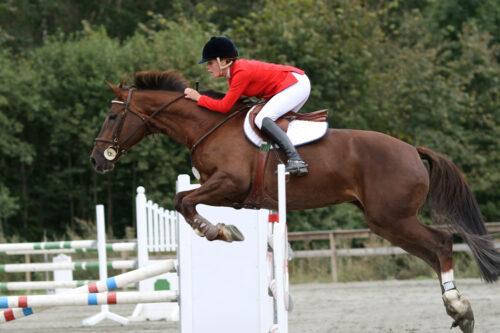
Before a show jumping or eventing competition round, a warm-up can confirm that your horse feels adjustable, straight, balanced, and responsive. Start with low fences, then progress to a few efforts at competition height, such as a vertical or oxer. [14]
Short, focused jumping warm-ups can help preserve the horse’s energy, confidence, and performance before entering the ring.
Riders should avoid repeating fences after the horse has already given the desired response, since too many efforts can reduce sharpness, create tension, or use up energy before the round begins.
Western or Pattern Classes
Pattern work often requires accuracy, responsiveness, and smooth communication between horse and rider. Warm-ups for these classes should focus on transitions, steering, rideability, and body control to prepare the horse for the ring.
Practicing small pieces of the pattern without over-rehearsing the full test can also help during pattern class warm-up. [15]
For example, riders may confirm a few transitions, turns, stops, or body-control exercises, then move on once the horse responds correctly. This helps prepare the horse for precision without making the pattern feel repetitive or stressful before the class.

Common Warm-Up Mistakes
A warm-up should help the horse enter the ring prepared, not tired, tense, or overwhelmed. Riders can avoid common mistakes by watching how the horse responds and adjusting their strategy before problems escalate.
Common warm-up issues include: [1][4][14]
- Overexertion: Long or intense warm-ups can tire the horse before the class begins. Overworking may also create tension, dullness, or frustration, especially if the rider tries to fix training issues at the last minute.
- Inadequate warm-up: A rushed or incomplete warm-up may leave the horse stiff, distracted, behind the aids, or more difficult to ride. This can make the first few minutes in the ring feel inconsistent or unprepared.
- Drilling movements or fences: Repeating the same movement, transition, or jump too many times can make the horse anxious, tired, or less confident. Use short, purposeful sets of work and move on when the horse gives an improved response.
- Ignoring the horse’s feedback: If the horse becomes more tense, dull, tired, resistant, or frustrated as the warm-up continues, simplify or change the plan. Return to an easier exercise, walk for a few minutes, or finish on a positive response when possible.
Some warm-up problems can be corrected by changing the plan, but others may point to discomfort or an underlying health issue. Riders should know when to adjust the warm-up and when to stop and reassess the horse before continuing.
Recognizing Signs of Discomfort During Warm-Up
Not every warm-up issue is caused by tension or lack of training. Some changes in your horse during warm-up may indicate pain, excessive fatigue, dehydration, heat stress, poor saddle fit, hoof imbalance, or another health concern.
Signs to watch for include:
- Stiffness that does not improve with gradual warm-up work
- Uneven movement, a change in the horse’s normal way of going, or lameness
- Resistance to bending, transitions, or contact
- Significant tail swishing, ear pinning, or other signs of irritation
- Stumbling or tripping more than usual
- Swapping leads or struggling to hold a lead
- Refusing work or becoming reluctant to move forward
- A sudden decline in performance
- Behavior that feels different from the horse’s usual response
These signs do not always indicate a serious problem, but they should prompt the rider to reassess the warm-up and consider whether their horse is comfortable enough to continue.
Building a Better Show Day Warm-Up Routine
A good show day warm-up routine should help your horse enter the ring feeling physically prepared, mentally focused, and confident in the work ahead.
While it helps to have a familiar plan, the most effective warm-ups are never completely fixed. They respond to the horse’s age, fitness, temperament, soundness history, discipline, travel schedule, and the conditions at the show.
Start with simple, progressive movement and build only as much as the horse needs. Active walking, steady trot work, short canter sets, transitions, bending lines, and a few discipline-specific exercises can all be useful when they improve relaxation, balance, responsiveness, and rideability.
The goal is not to school harder at the show than you would at home, but to confirm your horse is listening, comfortable, and ready to perform.
Riders should also watch for signs that the warm-up plan needs to change. A horse that becomes dull, tense, resistant, rushed, tired, or unusually reactive may need a simpler exercise, a walk break, or a shorter warm-up. Stiffness that does not improve, uneven movement, reluctance to go forward, or behavior that feels abnormal should prompt closer assessment before continuing.
The best warm-up leaves the horse better than when they started: looser, more settled, more responsive, and still fresh enough for the class. By combining structure with flexibility, riders can make smarter show day decisions and give their horse the best chance to perform well without unnecessary stress or fatigue.
Frequently Asked Questions
Here are some frequently asked questions about warm-ups for horses before entering the ring:
Warming up before a horse enters the ring is important because it helps prepare the horse physically and mentally for competition. A progressive warm-up supports circulation to working muscles, joint mobility, and soft tissue elasticity. It also gives the rider time to assess whether the horse feels stiff, distracted, tense, dull, or behind the aids before the class begins.
How long you should warm up your horse before a class depends on the horse, discipline, weather, footing, and show-day conditions. Many horses benefit from at least 5 minutes of forward walking before moving into trot work, followed by short canter sets if appropriate. The goal is to enter the ring with the horse feeling loose, attentive, responsive, and prepared, not tired or overworked.
A horse warm-up before competition should include simple, progressive work that builds from low-intensity movement toward the demands of the class. This usually starts with active walking, large figures, changes of direction, gentle bending, and simple walk-halt transitions. Trot work, canter work, transitions, circles, and short discipline-specific exercises can then be added based on the horse's needs.
A progressive warm-up for horses is a routine that starts with simple, low-intensity movement and gradually builds toward more demanding work. This approach helps the horse transition from rest to competition effort without being asked for difficult work too early. A progressive routine may include active walking, trot work, short canter sets, transitions, and a few focused exercises that match the class.
A horse is ready to enter the ring when they feel physically loose, mentally focused, and responsive to the rider's aids. They should move forward willingly, stay balanced through transitions, and respond without becoming tense, dull, rushed, or resistant. If the horse becomes worse as the warm-up continues, the rider should simplify the work, walk for a few minutes, or reassess whether the horse is comfortable enough to compete.
An anxious or hot horse should be warmed up with quiet, predictable exercises that encourage relaxation and focus. Relaxed walking, large circles, changes of direction, and simple transitions can help the horse find a steady rhythm. Avoid asking for too much too early, since added pressure in the warm-up can make some sensitive horses more tense.
A quiet or behind-the-leg horse should be warmed up with short, clear forward transitions that improve responsiveness to light aids. Walk-trot and trot-canter transitions can help sharpen the horse's reaction without creating fatigue. Reward the horse when they respond promptly, then return to organized work so they stay forward, balanced, and attentive.
A young or green horse should be warmed up with a simple, confidence-building routine that allows time to adjust to the show environment. Extra walking, large circles, walk-halt transitions, and familiar trot work can help the horse settle without becoming overwhelmed. When possible, avoid crowded schooling areas and focus on entering the class with the horse calm, attentive, and rideable.
An older or stiff horse often needs a slower, more gradual warm-up that respects their comfort, fitness, and soundness history. Several minutes of active walking, large circles, and easy transitions can help the horse loosen before more demanding work begins. Stiffness that does not improve with a gradual warm-up should be taken seriously and may indicate discomfort or another health concern.
Warm-ups should change in hot or cold weather because temperature affects how quickly a horse prepares for work and how easily they may fatigue. In cold weather, horses may need more time walking and a slower increase in intensity before harder work. In hot or humid weather, a shorter and more conservative warm-up with more walk breaks, shade, water, and cooling strategies can help reduce the risk of fatigue and heat stress.
Footing should affect your horse's warm-up because deep, sloppy, hard, or uneven ground can change how the horse moves and how much effort the work requires. On difficult footing, riders may need to simplify exercises, reduce intensity, avoid tight turns, and give the horse more time to find balance. If the horse feels uneven, reluctant, or unusually tense, reassess the footing and the horse's comfort before continuing.
Warming up a horse in a busy show ring requires flexibility, awareness, and exercises that fit the available space. Riders should stay alert to other horses, pass safely, call fences when jumping, and avoid movements that are difficult or unsafe in traffic. Simple transitions, large figures, and familiar exercises can still help the horse stay focused when the schooling area is crowded.
How early you should arrive before your class depends on travel, show conditions, and your horse's temperament, but arriving at least 1.5 to 2 hours before the class can give many horses time to settle. This allows the horse to adjust to the surroundings, drink, eat forage, and recover from the trailer before the warm-up begins. Horses coming off long-distance travel may need 24 to 48 hours of rest before demanding work.
The warm-up should change for different disciplines because each class asks the horse to use different skills in the ring. Dressage warm-ups often focus on rhythm, relaxation, suppleness, and connection, while jumping warm-ups often emphasize balance, adjustability, straightness, and confidence over fences. Western or pattern classes may focus more on transitions, steering, straightness, and body control without over-rehearsing the full pattern.
A horse should be warmed up before jumping with flatwork first, then a small number of purposeful jumping efforts. Start by confirming rhythm, balance, straightness, and adjustability on the flat before introducing low fences. Progress to a few efforts at the height or type needed for the class, then stop before the horse becomes tired, tense, or less confident.
You usually should not practice the whole pattern or test repeatedly in the warm-up. For pattern classes, the warm-up should confirm transitions, steering, body control, and responsiveness without over-drilling the full pattern. Practicing small pieces can help prepare the horse, but too much repetition may create fatigue, tension, or anticipation.
Common warm-up mistakes before entering the ring include doing too much, doing too little, drilling movements or fences, and ignoring the horse's feedback. Overworking can leave the horse tired, tense, dull, or frustrated before the class starts. A rushed warm-up can leave the horse stiff, distracted, or unprepared, so the rider should adjust the plan based on how the horse feels.
A horse can be over-warmed up before a class if the routine becomes too long, intense, or repetitive for that horse. Signs can include fatigue, dullness, frustration, loss of responsiveness, heaviness, rushing, or increased tension. The best warm-up should leave the horse fresh and rideable, not drained before the performance begins.
If your horse gets worse during the warm-up, simplify the work and reassess what may be causing the change. A horse that becomes more tense, dull, resistant, tired, or frustrated may need a walk break, an easier exercise, or a shorter plan. If the change feels sudden, unusual, or connected to uneven movement or discomfort, do not ignore it.
Warm-up problems can signal discomfort in a horse when stiffness does not improve, movement becomes uneven, or the horse reacts differently than usual. Resistance to bending, transitions, or contact, increased stumbling, lead-swapping, reluctance to move forward, or a sudden decline in performance can suggest a health, soundness, saddle fit, fatigue, dehydration, or heat-related concern. Contact your veterinarian if the horse feels different than usual, resistance appears suddenly, stiffness does not improve, or performance declines over multiple rides.
Summary
A show-day warm-up helps horses enter the ring physically prepared, mentally focused, and ready to perform. The best routine is progressive, flexible, and tailored to the horse in front of you.
- Start with simple movement, such as active walking, before progressing to trot, canter, and discipline-specific exercises
- Adjust the warm-up based on the horse's age, fitness, temperament, soundness history, travel schedule, and class demands
- Consider show-day conditions such as weather, footing, warm-up ring traffic, class delays, and environmental distractions
- Use low-, moderate-, or high-intensity warm-up strategies depending on the horse's workload and energy level
- Keep pre-ring exercises familiar, purposeful, and brief enough to prepare the horse without causing fatigue or tension
- Stop and reassess if the horse shows persistent stiffness, uneven movement, pain signs, unusual resistance, or a sudden decline in performance
References
- Baker. S. A 4-Point Checklist for Every Horse’s Warm Up. FEI. 2020.
- Frippiat. T. and Votion. D.-M. Warm-Up Strategies and Effects on Performance in Racing Horses and Sport Horses Competing in Olympic Disciplines. Animals. Multidisciplinary Digital Publishing Institute. 2024.
- Hiney. K. Physical Conditioning of Horses. Oklahoma State University Extension. 2017.
- Marcus. D. Structure Your Dressage Warm-Up with David Marcus. Dressage Today. 2016.
- Spadone. C. K. and E. Develop a Successful Warm-Up Plan for Hunter Success, Part 1. Practical Horseman. 2026.
- Spadone. C. K. and E. Develop a Successful Warm-Up Plan for Hunter Success, Part 2: 5 Exercises to Finesse Form. Practical Horseman. 2026.
- 3 Top Tips for Beating Competition Nerves. FEI. 2018.
- Winkel. J. Test Your Warm-Up Ring Etiquette IQ!. Practical Horseman. 2026.
- Siegers. E. W. et al. The Use of Exercise Testing to Assess Training Efficacy in Sport Horses. Equine Veterinary Education. 2026.
- Rijssenbeek. S. Increase Your Horse's Responsiveness to Your Aids. Dressage Today. 2023.
- Mills. D. S. Applying Learning Theory to the Management of the Horse: The Difference between Getting It Right and Getting It Wrong. Equine Veterinary Journal. 1998.
- Meyer. J. F. Feel-Good Work for Your Senior Horse. Horse & Rider. 2017.
- Spickard. S. Warming Up for Cross Country with Liz Halliday-Sharp. Eventing Nation. 2023.
- Taylor. S. Show-Jumping Warm-Up Strategies That Work. Practical Horseman. 2017.
- Henry. B. Warm Up for Horsemanship. Horse & Rider. 2016.