English
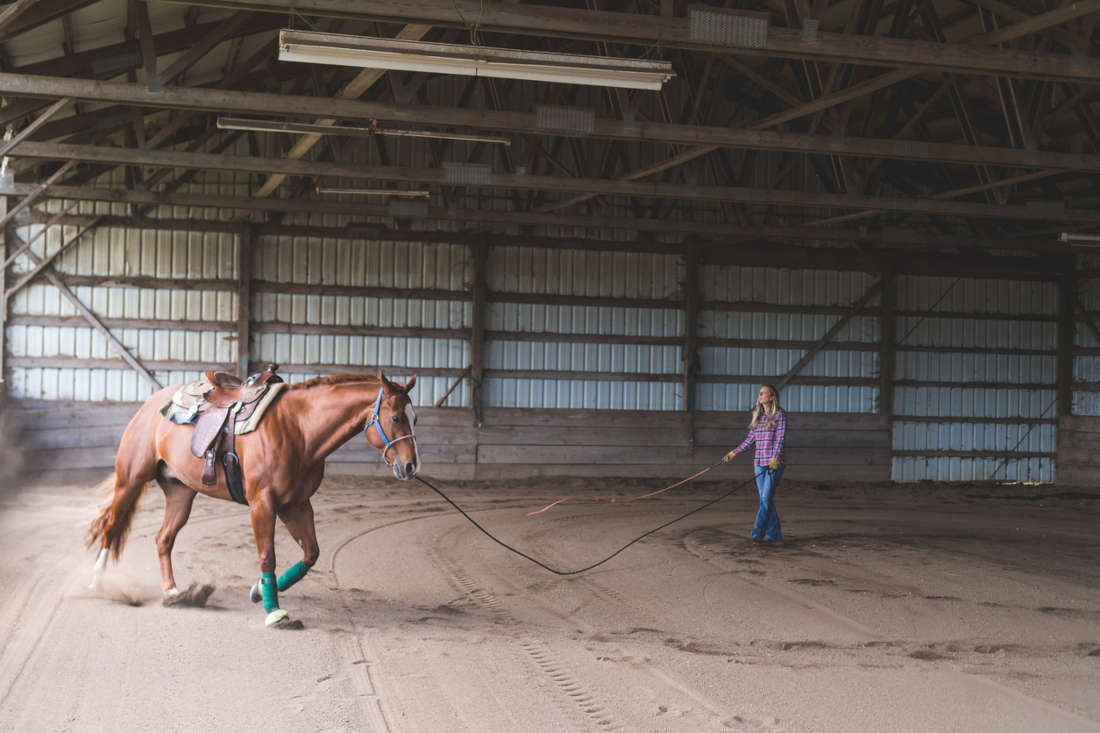
Arena footing is one of the most important factors influencing how horses move, perform, and stay sound. Riders may focus on training, tack, or conditioning, but the surface beneath the horse plays a constant role in every stride, affecting traction, stability, and impact on the limbs.
Choosing the right arena footing is not as simple as selecting a single material. Performance depends on how the footing interacts with the base, how it responds to moisture, and how well it is maintained over time. Small differences in footing composition or depth can significantly change how a horse feels under saddle and how forces are absorbed during movement.
Because of this, arena footing should be viewed as a system rather than a single layer. Material choice, construction, climate, and maintenance all work together to determine whether a surface remains consistent and safe under regular use.
This guide explains how arena footing works, compares common materials, and outlines how to select and maintain a surface that supports both performance and long-term soundness.
Arena Footing in Equestrian Sport
Arena footing plays an important role in horse health, comfort, and performance. The surface horses work on affects traction, shock absorption, and how forces travel through the limbs during movement. Poor footing can increase the risk of slips, excessive strain on joints and tendons, and inconsistent performance. [1][2]
Well-designed horse arena footing balances stability, cushioning, and traction. The surface should support the horse’s hoof without being too deep or too firm, allowing secure movement while reducing concussion on the limbs. [3]
Choosing the best arena footing depends on several factors, including: [4]
- Riding discipline
- Arena construction
- Climate
- Maintenance practices
Conditions may also differ between indoor and outdoor arenas, where weather exposure, moisture levels, and temperature changes can influence footing performance.
Understanding how arena footing materials, surface depth, and construction layers work together helps create a safe, consistent riding surface for horses and riders.
Footing Requirements by Discipline
The ideal arena footing for horses can vary depending on the discipline. Different equestrian sports place unique demands on the riding surface, requiring different levels of firmness, cushioning, and traction. [3][5][6]
Arena footing influences how a horse’s hoof interacts with the ground during movement. When the hoof contacts the surface, it briefly slows down, slides slightly, and then pushes off again. The balance between traction and controlled slide affects the forces transmitted through the horse’s limbs.
Because of this, disciplines require different surface characteristics. Jumping arenas generally require stronger traction to prevent slipping during fast turns and landings. In dressage, the footing must still provide grip while allowing the horse’s hind leg to pivot and push off smoothly during movements such as pirouettes. [7][8]
What's your top priority with your horse's health?

What's your top priority with your horse's health?
Key Components of Arena Footing
Horse arenas are constructed in multiple layers that work together to create a stable riding surface. Although the top footing layer receives the most attention, its performance depends heavily on the design and quality of the layers beneath it.
Outdoor arenas must withstand weather changes and seasonal conditions, while indoor arenas typically require closer attention to dust control and moisture management. When these layers function together properly, they create a consistent and supportive surface for horses.
Base Layer
The arena base forms the structural foundation of the riding surface. It is typically constructed from compacted aggregates such as crushed stone or limestone, creating a firm, level platform that supports the footing above. [3][9]
A properly constructed base helps maintain an even arena surface and prevents the footing from shifting or developing hard spots.
If the base is poorly built, the riding surface may become uneven regardless of the footing material used. For this reason, the base layer is often considered one of the most critical elements of arena construction. [10][11]
Sub-Base & Drainage
Drainage is particularly important in outdoor arenas, where rainfall and snow can affect footing conditions. Many outdoor arenas include drainage layers beneath the base or systems designed to move water away from the riding surface.
Slight grading, permeable materials, and drainage pipes are commonly used to prevent water accumulation. [1][12]
Although indoor arenas are protected from direct precipitation, moisture management remains important. Water is often added to control dust and maintain footing consistency. A well-designed base and sub-base help distribute this moisture evenly and prevent overly wet or compacted areas from forming. [4][13]
Top Riding Surface
The top riding surface is the footing material horses interact with directly. This layer may consist of sand alone or sand blended with materials such as fiber, rubber, or wood products. [3][11]
The riding surface provides traction, cushioning, and shock absorption during movement. For footing to remain stable, it must also interact properly with the base beneath it so the surface stays in place rather than shifting as horses work in the arena.
Types of Arena Footing Materials
Several materials are commonly used for horse arena footing, each offering different levels of traction, cushioning, and durability. The best footing material often depends on the riding discipline, arena location, climate, and maintenance practices. [2][14][15][16]
Sand
Sand is one of the most widely used materials for horse arena footing because it provides good traction and can be adapted to many riding disciplines. However, the performance of sand footing depends heavily on the characteristics of the sand itself.
Particle size, shape, and mineral composition all influence how the surface behaves under a horse’s hoof. High-quality arena sand is typically washed and screened to remove fine particles such as silt and clay, which helps reduce dust and prevents excessive compaction.
Medium-coarse sand is generally preferred because fine-coarse types break down more easily, which can create dusty conditions. [3][11][17][18]
Particle shape also affects footing stability. Angular or sub-angular sand particles tend to interlock, creating a more stable surface with better traction. In contrast, rounded sand particles—such as those found in river sand—move more easily and can produce a looser surface that may shift under the horse’s hoof. [16]
Sand-only footing works well in many arenas but often requires careful management of footing depth and moisture to maintain consistency and control dust.
Sand & Fiber Blends
Many modern arenas combine sand with synthetic or natural fibers to improve footing stability. Fibers help bind sand particles together, creating a surface that is less likely to shift during use while also adding cushioning. [3][19]
Sand–fiber blends are commonly used in dressage and jumping arenas, where riders want a surface that balances stability with shock absorption. Fibers may also help retain moisture, which can reduce dust in indoor arenas.
Sand & Rubber Mixes
Rubber is sometimes mixed with sand footing to increase cushioning and reduce compaction. Ground rubber can help create a more resilient surface that absorbs impact during movement. [3][16]
Unlike organic materials, rubber does not decompose, although it may gradually break down into smaller pieces through wear. Rubber is usually added to sand footing rather than used alone, as pure rubber surfaces may feel overly springy.
Rubber additives can help maintain consistent footing depth, though in outdoor arenas rubber particles may shift or separate during heavy rainfall and may need to be redistributed during grooming.
Stonedust (Rock Dust)
Stonedust, or finely crushed rock, is sometimes used in arena footing either alone or mixed with sand. Because the particles are very small, stonedust compacts easily and can create a firm, stable surface.
While this stability can be beneficial in some arenas, surfaces composed primarily of stonedust may become too hard if overly compacted, increasing concussion on the horse’s limbs. For this reason, stonedust is often blended with sand or other materials to improve cushioning and reduce surface hardness. [3]
Proper moisture management and regular surface grooming are important to prevent excessive dust and maintain consistent footing.
Wood Products
Wood chips, shavings, and coarse sawdust are sometimes used in horse arena footing, either alone or mixed with sand. These materials can provide cushioning and help retain moisture, which may reduce dust. [3]
Because wood products are organic, they gradually break down and decompose. As this occurs, the particles become smaller and may contribute to compaction, meaning fresh material must be added periodically to maintain footing depth.
Some engineered wood footing products contain longer fibers that interlock to improve traction and durability. However, compared with sand-based footing systems, wood products generally require more frequent maintenance and replacement.
Synthetic Footing
Some arenas use engineered footing systems, including wax-coated sand or specialized textile blends designed to maintain consistent moisture and stability. [3]
These surfaces are often found in high-performance competition arenas where surface consistency is critical. While synthetic footing can provide excellent performance, it is typically more expensive to install and maintain than traditional sand-based footing.
Table 1. Comparison of horse arena footing materials
| Material | Traction | Cushioning | Maintenance Needs | Best Use |
|---|---|---|---|---|
| Sand | Moderate to high (depends on type) | Moderate | Requires regular watering and grooming | All-purpose base footing |
| Sand + Fiber | High | Moderate to high | Moderate, retains moisture well | Dressage, jumping arenas |
| Sand + Rubber | Moderate | High | Moderate, may shift outdoors | High-impact work, jumping |
| Stonedust | High | Low | Can compact, requires careful management | Firm surfaces, base blends |
| Wood Products | Moderate | Moderate to high | High, decomposes over time | Low-dust, cushioned footing |
| Synthetic Footing | High | High | Low to moderate, expensive | Competition arenas |
Arena Footing Maintenance
Regular maintenance helps keep arena footing safe and consistent over time. One common practice is dragging or harrowing the surface, which redistributes footing material, breaks up compacted areas, and maintains even depth.
The frequency required depends on arena use, but many facilities groom their arenas several times per week. [2][3][16]
Moisture management is also important. Indoor arenas often require watering to control dust and maintain footing cohesion, while outdoor arenas may rely more on rainfall but may still need watering during dry conditions.
Over time, footing materials may shift, compact, or break down. Periodic leveling and adding new footing help maintain surface quality.
Footing Depth & Surface Consistency
Proper arena footing depth is essential for maintaining a safe riding surface. If footing is too shallow, the horse may encounter the hard base beneath the surface, increasing concussion. If footing is too deep, the hoof may sink excessively, increasing strain on tendons and ligaments. [2]
Most sand-based arenas maintain footing depths of approximately 5–10 cm (2–4 inches), although the ideal depth varies depending on the footing material and riding discipline. Jumping surfaces may require slightly deeper footing for additional cushioning, while dressage arenas often prioritize stability and consistency. [3][8]
Even footing depth across the arena is equally important. Uneven areas can affect balance, traction, and movement, so regular surface grooming helps maintain a uniform riding surface.
Moisture & Drainage Management
Moisture plays a key role in arena footing performance. Proper moisture levels help bind footing particles together, improving traction and reducing dust. When footing becomes too dry, particles separate more easily, creating loose surfaces and airborne dust that can irritate both horses and riders. [3][9][11][13][18]
Excessive moisture can also create problems. Wet footing may become muddy, compacted, or slippery, particularly in outdoor arenas with poor drainage. Water accumulation can also cause uneven conditions as some areas dry faster than others. [4][5]
For outdoor arenas, effective drainage systems help maintain consistent footing. Slight arena grading, permeable base materials, and drainage pipes can move water away from the riding surface.
Indoor arenas are less exposed to rainfall but often require active moisture management, such as periodic watering, to control dust and maintain surface consistency. [1][3][12]
Signs of Poor Arena Footing
Recognizing problems with horse arena footing can help prevent injuries and maintain consistent riding conditions.
Several signs may indicate that the arena surface requires adjustment or maintenance, including: [3][4][8]
- Excessive dust: Often indicates the footing is too dry. Dust can reduce air quality and irritate both horses and riders.
- Footing that is too deep or loose: Hooves sink excessively, which can increase fatigue and strain on tendons and ligaments.
- Hard or compacted footing: A surface that feels firm or unforgiving can increase concussion on joints and bones.
- Uneven areas: Ruts, dips, or inconsistent footing depth can affect balance and movement.
- Slippery spots or exposed base material: These may indicate that footing has shifted or worn thin in certain areas.
Regular monitoring and maintenance can help correct these issues and keep the arena surface safe and consistent.

Choosing the Right Arena Footing
Selecting the best arena footing for horses requires balancing performance, cost, and long-term maintenance. While footing materials vary widely, the right choice should match the intended use of the arena, the local climate, and the expected level of traffic.
Arenas used frequently or by multiple riders typically require footing that can maintain consistency under heavier use. In contrast, lightly used private arenas may function well with simpler footing systems. [11]
It is also important to consider the entire arena design, not just the surface material. A well-constructed base and proper drainage help support the footing layer and maintain consistent conditions over time. [1][3][12]
Footing depth should also be monitored. Surfaces that are too deep may increase strain on tendons and ligaments, while shallow footing may expose the firm base beneath the surface.
Ultimately, selecting appropriate materials and maintaining them properly helps ensure that arena footing remains safe, consistent, and supportive for horses and riders.
Frequently Asked Questions
Here are some frequently asked questions about horse arena footing:
The best arena footing depends on the riding discipline, climate, and arena design. Sand is the most commonly used base material because it provides traction and can be combined with additives like fiber or rubber to improve stability and cushioning.
Different disciplines require different footing properties. Dressage and flatwork benefit from more stability and moderate cushioning, while jumping arenas require good traction and energy return. Reining and western disciplines often use deeper, looser footing to allow sliding movements.
Most sand-based arenas maintain a footing depth of about 5–10 cm (2–4 inches). The ideal depth depends on the footing material, base construction, and discipline, with deeper footing generally used for disciplines that require more cushioning.
Dusty footing usually occurs when the surface becomes too dry or contains too many fine particles such as silt or clay. Regular watering and proper footing composition help reduce dust and improve air quality.
Proper drainage prevents water from accumulating in the footing and base layers. Poor drainage can lead to muddy, compacted, or uneven surfaces, which reduce performance and increase the risk of slips or injury.
Arena footing should be groomed regularly, often several times per week in high-use arenas. Maintenance includes dragging to redistribute material, managing moisture levels, and occasionally adding new footing to maintain depth and consistency.
Safe footing provides a balance of traction, cushioning, and stability. It should allow the hoof to grip without excessive sliding while also absorbing impact forces to reduce strain on joints and soft tissues.
Yes, poor footing can contribute to injuries such as tendon strain, ligament damage, and joint stress. Surfaces that are too hard, too deep, uneven, or slippery can interfere with normal movement and increase injury risk over time.
The footing is the top riding surface, while the base is the compacted layer underneath that provides support and drainage. A well-constructed base is essential for maintaining consistent footing performance and preventing uneven surfaces.
Dust can be reduced by maintaining proper moisture levels, selecting footing materials with fewer fine particles, and using dust control additives when necessary. Regular grooming also helps maintain consistent footing texture.
The cost of arena footing varies depending on material type, additives, and installation. Basic sand footing is generally more affordable, while specialized blends with fiber or synthetic materials can increase costs but may reduce long-term maintenance needs.
Climate influences moisture management, drainage, and footing performance. Dry climates increase dust, while wet climates require effective drainage to prevent compaction and mud. Footing selection and maintenance should be adapted to local conditions.
Summary
Arena footing plays a key role in horse health and performance, influencing traction, shock absorption, and the forces placed on the limbs.
- The best arena footing depends on discipline, arena design, climate, and level of use
- A well-constructed arena includes multiple layers, including a stable base, proper drainage, and a consistent riding surface
- Sand-based footing systems are most common and are often combined with materials such as fiber, rubber, or wood to improve stability and cushioning
- Proper footing depth and moisture levels help maintain surface consistency and reduce risks such as excessive concussion, slipping, or deep footing
- Regular maintenance, including dragging, moisture management, and occasional footing replacement, is essential to keep arena surfaces safe and reliable
References
- Hans E. Von Wachenfelt, A Field Test of All-Weather Surfaces for Horse Paddocks. Journal of Food Science and Engineering. 2016.
- Rohlf. C. M. et al. Arena Surface Vertical Impact Forces Vary with Surface Compaction. The Veterinary Journal. 2023. View Summary
- Wheeler. E. F. Horse Stable and Riding Arena Design. John Wiley & Sons. 2008.
- Claußen. G. et al. Determination of the Moisture Content and the Generation of Airborne Particulate Matter From Various Types of Footing From Indoor Riding Arenas Considered to Have Optimal Rideability. Journal of Equine Veterinary Science. 2019. View Summary
- Claußen. G. et al. Evaluation of the Factors Influencing the Rotational Shear Resistance of Horse Riding Arena Surfaces (Technical and Field Investigations). Journal of Equine Veterinary Science. 2019.
- Murray. R. C. et al. How Do Features of Dressage Arenas Influence Training Surface Properties Which Are Potentially Associated with Lameness?. The Veterinary Journal. 2010. View Summary
- Rohlf. C. M. et al. Effects of Jumping Phase, Leading Limb, and Arena Surface Type on Forelimb Hoof Movement. Animals. Multidisciplinary Digital Publishing Institute. 2023. View Summary
- Hernlund. E. Sport Surfaces in Show Jumping. Acta Universitatis Agriculturae Sueciae. 2016.
- Egenvall. A. et al. Days-Lost to Training and Competition in Relation to Workload in 263 Elite Show-Jumping Horses in Four European Countries. Preventive Veterinary Medicine. 2013. View Summary
- Northrop. A. J. et al. The Challenges of Equestrian Arena Surfaces: The Unprecedented Use of a Raised Platform at the 2012 Olympic Games. Journal of Equine Veterinary Science. 2022. View Summary
- Riding Arena Footing Material Selection and Management.
- Myers. J. 7 Horse Facilities. Managing Horses on Small Properties. CSIRO Publishing. 2005.
- McGill. S. E. et al. Determining Moisture Content in Equine Arena Footing On-Farm.
- McGill. S. et al. Characterization of Indoor Arenas through an Anonymous Survey. Translational Animal Science. 2021. View Summary
- McGill. S. et al. Environmental Spatial Mapping within Equine Indoor Arenas. Frontiers in Animal Science. Frontiers. 2023.
- Tranquille. C. A. et al. Effect of Superficial Harrowing on Surface Properties of Sand with Rubber and Waxed-Sand with Fibre Riding Arena Surfaces: A Preliminary Study. The Veterinary Journal. 2015. View Summary
- Fadilah Darmansah. N. et al. Design Concept of Horse Arena in Malaysia – A Case Study. IOP Publishing. 2019.
- Holt. D. S. Investigation of Equestrian Arena Surface Properties and Rider Preferences. University of Central Lancashire. 2013.
- Egenvall. A. et al. The Descriptions and Attitudes of Riders and Arena Owners to 656 Equestrian Sport Surfaces in Sweden. Frontiers in Veterinary Science. Frontiers. 2021. View Summary