English
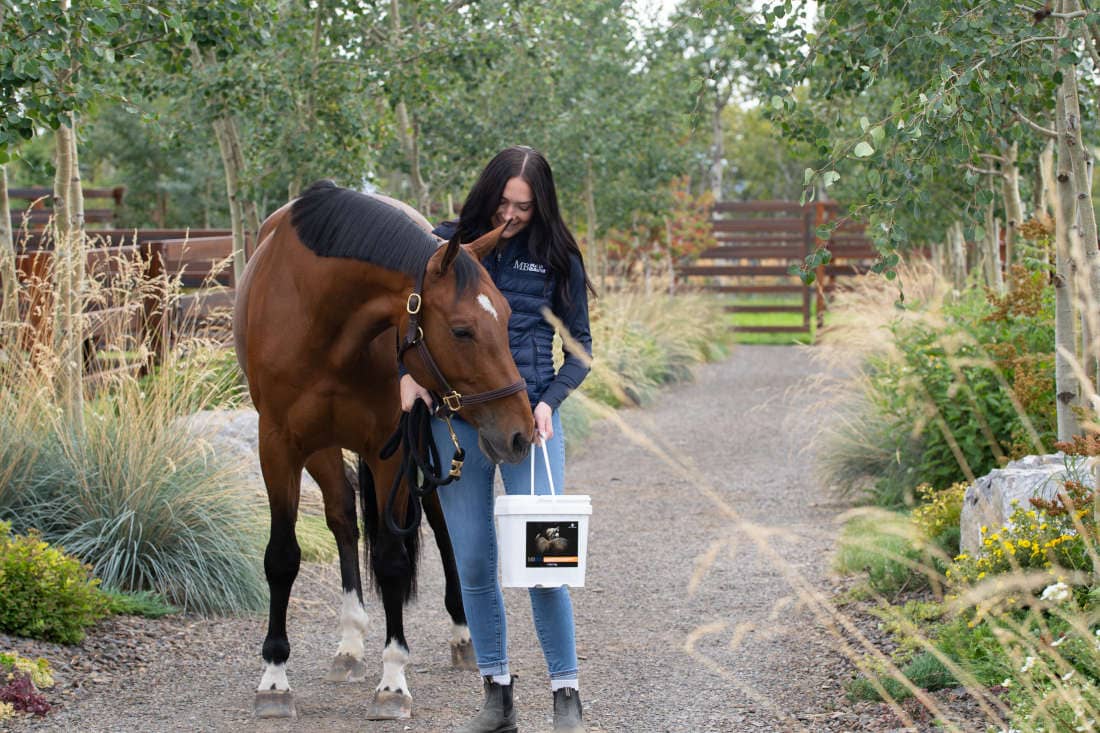
Can supplements help your horse perform better? The right products can provide nutritional support for the demands of exercise, travel, competition, and recovery. But with so many supplements marketed to performance horses, the challenge is knowing which ones are worth feeding.
The most useful products have a clear purpose and ingredients with research behind them. Depending on the horse and discipline, that might mean supporting stamina, muscle development, electrolyte balance, respiratory function, joint comfort, or recovery from strenuous work.
While supplements can support performance goals, they cannot compensate for an imbalanced diet. The biggest gains come from ensuring the fundamentals are right first: adequate energy, high-quality protein, balanced vitamins and minerals, salt, and water.
From there, products can be selected based on the demands of the horse’s workload, discipline, and competition schedule. This guide looks at the best supplements for performance horses, what they are designed to support, and where they fit in a feeding program.
Supplements for Performance Horses
Performance horses have higher nutritional demands than horses at maintenance. Training and competition increase energy requirements, while also increasing the need for protein, electrolytes, vitamins, minerals, and antioxidants involved in muscle function, hydration, tissue repair, and recovery.
The best supplements for performance horses depend on the horse’s workload, discipline, diet, and individual needs. One horse may need additional calories or amino acids to maintain muscle and body condition, while another may benefit more from gastric support or joint health products during a demanding competition schedule.
The first priority is making sure the overall diet provides enough forage, calories, high-quality protein, vitamins, minerals, salt, and water. A complete vitamin and mineral supplement or ration balancer can help fill nutritional gaps before more targeted products are added.
Once these core requirements are covered, supplements can be selected to address the specific demands of training, travel, competition, and recovery. [1]
What's your top priority with your horse's health?

What's your top priority with your horse's health?
Why Performance Horses Have Different Nutritional Needs
Exercise places greater demands on a horse’s body than normal daily activity. Working muscles require a continuous supply of energy to fuel contraction and relaxion. This energy is supplied predominantly by ATP produced by the breakdown of carbohydrates, fat, and, to a smaller extent, amino acids. [2]
Producing that energy also generates heat and increases the formation of free radicals. Horses dissipate much of the heat produced during exercise through sweating, which results in substantial losses of water and electrolytes.
At the same time, increased oxidative activity can damage cell membranes and other cellular structures when free radical production exceeds the body’s antioxidant defenses. [1]
The nutritional demands of exercise therefore extend beyond supplying enough calories to perform the work. After exercise, the horse must restore muscle glycogen, replace fluid and electrolyte losses, repair muscle fibers and other tissues, and protect cells from oxidative damage. [3]
These recovery processes are also when many of the adaptations to training occur, allowing muscles and other body systems to become better conditioned for future work.
As a result, performance horses need a more carefully balanced diet than horses that are only lightly worked or kept at maintenance. A diet for a performance horse should provide: [1][4][5][6]
- High-quality forage offered in adequate amounts to support digestive health and provide readily fermentable fiber
- Enough calories to meet the energy cost of exercise while maintaining a healthy body condition
- Good-quality protein and essential amino acids for muscle protein turnover, tissue repair, and recovery
- Balanced vitamins and minerals for energy metabolism, nerve transmission, muscle contraction, tissue maintenance, and antioxidant protection
- Adequate antioxidant nutrients, including vitamin E and selenium, to help protect tissues from exercise-related oxidative stress
- Free-choice water, adequate salt, and additional electrolytes as needed to replace sweat losses and maintain fluid balance
The balance of these nutritional demands depends on the type of work the horse performs. An endurance horse relies heavily on aerobic metabolism and fat oxidation to sustain work over long distances, making hydration and electrolyte replacement especially important.
A barrel horse performs brief periods of much higher-intensity exercise and depends more heavily on muscle glycogen and rapid carbohydrate metabolism. The relative importance of these energy systems varies with the intensity, duration, and type of exercise performed.
For this reason, nutrient intake should be adjusted according to the horse’s workload, discipline, exercise program, body condition, sweat losses, and recovery demands. [7][8]
Once the diet meets established nutrient requirements, additional supplements can be used to support specific physiological functions related to performance, recovery, and health.
What Can Limit Performance in Horses?
Good nutrition contributes to athletic performance, but it is only one part of the overall picture. Poor performance in horses can result from limitations in nutrition, fitness, health, soundness, or management.
Common health factors that can limit a horse’s performance include:
- Inadequate energy intake or loss of body condition
- Insufficient protein or limiting essential amino acids
- Vitamin or mineral deficiencies or imbalances
- Dehydration or excessive electrolyte losses
- Gastric or intestinal disturbances that affect appetite, digestion, or nutrient absorption
- Respiratory or cardiovascular limitations
- Muscle fatigue, muscle disorders, or inadequate recovery between bouts of exercise
- Inadequate conditioning for the intensity or duration of work
- Pain, lameness, or other problems affecting soundness
- Underlying illness or disease
Management factors can also affect performance, including training progression, footing, hoof balance, tack fit, travel, environmental conditions, and the frequency of competition.
Distinguishing among these causes is important because not every limitation will respond to a nutritional intervention. Supplements are most appropriate when they address an identified nutritional requirement or a physiological function that can be influenced through the diet.
Sudden or persistent poor performance, particularly when accompanied by weight loss, coughing, lameness, poor appetite, or prolonged recovery, warrants veterinary assessment.
Best Supplements for Performance Horses
Performance horses need more than additional calories to fuel the demands of training and competition. Their diets also need to provide enough protein, vitamins, minerals, and electrolytes to support muscle function and post-exercise recovery.
For any equine athlete, the first product to consider is a ration balancing supplement that provides complete vitamin and mineral support. The best choice will depend on the nutrients already supplied by forage, feed, and other supplements, along with the horse’s workload and individual requirements.
Once these essential requirements are met, additional supplements can be selected to support the factors that influence athletic performance. These include formulas with ingredients that support stamina, muscle development electrolyte balance, gastric health, joint comfort, and oxygen delivery. [1][9][10]
All-in-One Vitamin and Mineral Balancer
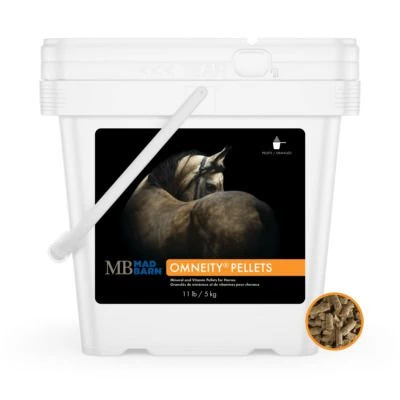
Mad Barn’s Omneity® is a complete ration-balancing supplement formulated to meet a performance horse’s vitamin and mineral requirements. This all-in-one formula provides comprehensive fortification, helping ensure the diet remains nutritionally complete as training demands change.
Many performance horses consume enough calories to meet their energy needs while still falling short of essential vitamins and minerals. Grain-based feeds are often poorly fortified, so horses would need to eat several pounds per day to obtain adequate amounts of essential nutrients.
Omneity® provides these nutrients in a concentrated serving without requiring larger grain meals or adding significant calories, sugar, or starch. This allows calorie intake to be adjusted according to workload and body condition while maintaining consistent micronutrient intake.
Omneity® is formulated with 34 ingredients that provide a broad range of vitamins, minerals, amino acids, antioxidants, and digestive-support nutrients. This includes organic copper, zinc, manganese, and selenium, full B-vitamin fortification, essential amino acids, natural vitamin E, vitamin C, live yeast, and digestive enzymes.
Developing and maintaining muscle requires both appropriate training and high-quality protein. Omneity® supplies high-quality protein in addition to lysine, methionine, and threonine, the amino acids most likely to limit protein synthesis in the horse.
Providing these amino acids directly helps ensure that dietary protein can be used efficiently for muscle growth, maintenance, and tissue repair.
At the recommended daily serving for a 1,100 lb (500 kg) horse, Omneity® also provides 20 mg of biotin, alongside copper, zinc, and methionine. These nutrients help maintain hoof horn quality and a healthy coat throughout the training and competition season.
Omneity® also contains 1,000 IU of vitamin E, 360 mg of vitamin C, and 2.4 mg of organic selenium per serving to support antioxidant defenses. Vitamin E helps protect muscle cell membranes from oxidative damage and supports normal muscle, nerve, and immune function.
Adequate vitamin E intake is particularly important for competition horses with limited access to fresh pasture. Vitamin E declines after forage is harvested and stored as hay, so hay-based feeding programs often require supplementation.
Live yeast and digestive enzymes provide additional gut support, which is a key priority for exercising horses. Yeast supports the hindgut microbes responsible for fiber fermentation, while digestive enzymes help break down feed and support nutrient utilization.
Omneity® is available as a loose premix or pellets that can be mixed into the horse’s regular feed. For a 1,100 lb (500 kg) horse, the recommended daily serving is 120 g of Premix or 200 g of Pellets. Both formulas are low in non-structural carbohydrates (sugar and starch) and contain no added iron.
Advanced Nutrition Support for Hard-Working Horses
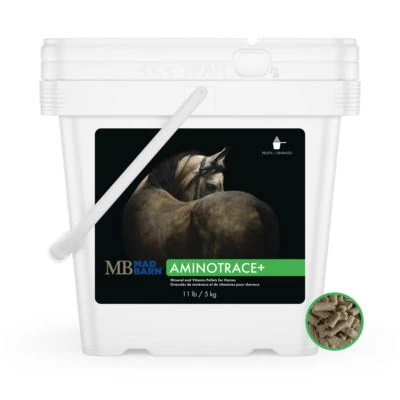
Mad Barn’s AminoTrace+ is an enhanced ration-balancing supplement that helps meet the needs of performance horses in demanding work. It provides complete vitamin and mineral fortification with higher levels of nutrients involved in muscle function, connective tissue maintenance, and antioxidant defenses.
Compared with Omneity®, AminoTrace+ contains higher dosages of copper, zinc, magnesium, essential amino acids, and vitamin E. This nutrient profile makes it an ideal choice for horses in heavy exercise.
As training becomes more demanding, the horse needs enough dietary protein to maintain muscle and repair tissues between workouts. Protein quality is important because the body needs an adequate supply of essential amino acids to synthesize the proteins needed for muscle growth and repair.
Each 200 g serving provides 10 g of lysine, 6 g of methionine, and 5 g of threonine. These essential amino acids complement the protein in forage and feed to support muscle protein synthesis, topline development, and recovery from exercise.
AminoTrace+ also supplies 750 mg of zinc and 300 mg of copper per serving. Copper supports the formation and maintenance of connective tissues, including tendons and ligaments, while zinc is involved in protein synthesis and tissue repair. Both minerals also contribute to normal immune function and antioxidant defenses.
Each serving provides approximately 11 g of magnesium to support energy metabolism, nerve signaling, and normal muscle contraction. The formula also contains chromium yeast, which supports normal glucose metabolism and the use of glucose by body tissues.
Hard-working horses also need adequate antioxidant nutrition. Strenuous exercise increases the production of reactive oxygen species, which can damage muscle cells when the body’s antioxidant defenses are overwhelmed.
Vitamin E is an important antioxidant that helps protect cell membranes from this damage. AminoTrace+ supplies 1,250 IU of natural vitamin E per serving, along with organic selenium yeast. Selenium is required for antioxidant enzymes that help protect tissues during exercise and recovery.
For horses with weak or brittle hooves, AminoTrace+ provides 20 mg of biotin alongside its higher copper, zinc, and methionine levels. These nutrients support hoof horn quality and healthy growth, helping maintain the hoof integrity needed for regular work.
AminoTrace+ also contains live yeast and yeast-derived prebiotics to support beneficial hindgut microbes, fiber fermentation, and nutrient utilization.
Gastric Comfort and Gut Health
Gastric discomfort can affect a horse’s appetite, willingness to work, and ability to maintain condition through a demanding competition season. Horses in intensive training are particularly vulnerable to gastric ulcers because exercise, frequent travel, and interruptions to forage intake can increase acid exposure in the stomach. [11]
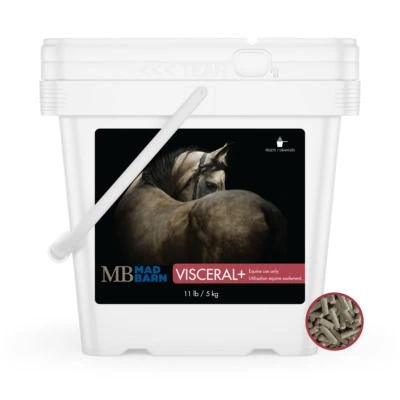
Mad Barn’s Visceral+ is a pelleted supplement formulated to support the stomach lining, hindgut health, and normal immune function. It provides advanced support for horses exposed to heavy workloads, trailering, stall confinement, and changes in feeding routine.
Horses produce stomach acid continuously, even when they are not eating. Chewing forage stimulates saliva production, which helps buffer this acid. Long periods without hay during travel or between classes reduce this natural buffering, leaving the upper stomach lining more exposed to acidic contents.
Frequent exercise is another risk factor for gastric ulceration. During trotting and galloping, increased abdominal pressure compresses the stomach and pushes acidic contents into the upper, less-protected region. Repeated exposure can damage this tissue, making proactive gastric support essential for horses in regular work.
Visceral+ is an all-natural formula that helps support the protective lining of the digestive tract. It contains lecithin, which provides phospholipids that help maintain cell membranes and the stomach’s protective surface barrier. [12][13] It also contains marshmallow root and slippery elm, which provide mucilage, a plant material that forms a gel when mixed with water. [14][15]
Visceral+ also provides 5 g each of glutamine and threonine, amino acids involved in maintaining the intestinal lining. Glutamine is an important energy source for intestinal cells. Threonine is required for the production of mucin, a major component of the protective mucus layer. [16][17]
Hindgut health is also important for meeting the energy demands of training. Microbes in the cecum and colon break down fiber through hindgut fermentation, producing short-chain fatty acids that the horse absorbs and uses for energy.
For performance horses fed larger concentrate meals, excess starch reaching the hindgut can increase acidity and disrupt fiber-digesting microbes. Abrupt changes in hay or feed while away at competitions can also disturb normal fermentation. Maintaining a stable hindgut environment helps the horse use the forage and feed already supplied by the diet.
Visceral+ provides live Saccharomyces cerevisiae 1026 yeast to support fiber-digesting microbes and nutrient utilization. Each serving also supplies 20 billion CFU from a five-strain probiotic blend, mannan-oligosaccharides (MOS) and dried yeast extract. These ingredients are included to support microbial balance, normal manure consistency, and immune function.
This combination supports both the digestive lining and the microbes involved in feed digestion. For horses that train and travel regularly, Visceral+ provides ongoing gastric and hindgut support rather than addressing only one part of the digestive tract.
The recommended daily serving for a 1,100 lb (500 kg) horse is 80 g, or one scoop. The pellets can be added to the horse’s regular ration and fed consistently throughout training and competition.
Respiratory Support for Stamina and Recovery
One component of maintaining stamina through a race, cross-country course, or long ride is how efficiently your horse delivers oxygen to working muscles.
Oxygen passes from the lungs into the bloodstream, then travels to muscles where it is used to produce energy. As exercise intensity increases, so does the demand for oxygen delivery. [18]
Mad Barn’s NOCR combines jiaogulan, tienchi, spirulina, and milk thistle seed to support respiratory function, circulation, and antioxidant defenses. It is formulated for horses that need additional support for stamina and recovery during training and competition.
A key ingredient in NOCR is jiaogulan, an herb that provides gypenosides, plant compounds studied for their effects on nitric oxide production. [19] Nitric oxide signals the muscles in blood vessel walls to relax, causing blood vessels to dilate allowing blood to flow more easily. [20][21]
Laboratory studies show that jiaogulan extracts can increase nitric oxide production and promote blood vessel relaxation, which may support circulation and oxygen delivery to working tissues. [19][22]
Tienchi (Panax notoginseng) provides ginsenosides, another group of plant compounds studied for their effects on blood vessel relaxation and inflammatory signaling. It complements jiaogulan’s role in supporting normal circulation, while also providing antioxidant compounds. [23][24]
The spirulina in NOCR supports normal immune and inflammatory responses in the airways. This is particularly relevant for performance horses exposed to dusty arenas, dry hay, pollen, or wildfire smoke. Spirulina also provides phycocyanin, an antioxidant pigment that helps protect cells from oxidative stress. [25]
Strenuous exercise increases the production of reactive oxygen species, which can damage cells when antioxidant defenses are overwhelmed. NOCR includes milk thistle seed, a source of antioxidant compounds collectively known as silymarin. Milk thistle also supports normal liver function. [26][27]
NOCR should be used alongside appropriate conditioning, a balanced diet, and good ventilation and dust control.
Signs of poor respiratory health or conditions such as asthma include persistent coughing, labored breathing, delayed respiratory recovery or an unexplained decline in stamina or recovery. [28] These warrant veterinary assessment to best support respiratory health in performance horses.

Muscle Development, Topline and Tissue Repair
A horse can maintain a healthy weight yet struggle to develop muscle over the back and hindquarters. For performance horses, building topline requires appropriate conditioning and enough energy and amino acids to support muscle growth and repair between workouts. [29]
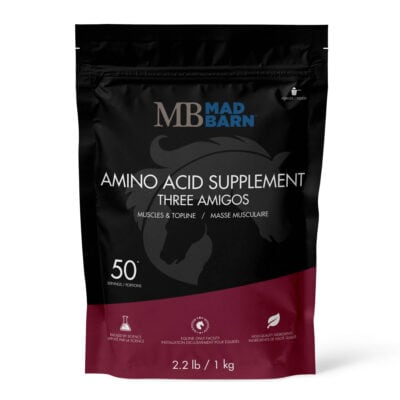
Mad Barn’s Three Amigos provides lysine, methionine, and threonine, three essential amino acids used to make proteins throughout the body. It is formulated for horses that need additional amino acid support for muscle development, tissue repair, and recovery from exercise.
The crude protein percentage on a feed label does not tell you whether your horse is getting enough of each essential amino acid. Horses must obtain these nutrients from their diet to be able to synthesize proteins in the body.
When one amino acid is in short supply, the body cannot use the other amino acids efficiently to produce new muscle proteins, even when total protein intake appears adequate. [17]
Lysine is commonly the first limiting amino acid in equine diets, meaning it is the amino acid most likely to restrict protein synthesis when intake is inadequate. Meeting lysine requirements helps your horse use dietary protein to develop and maintain muscle as training demands increase. [30]
Methionine supports protein synthesis and supplies sulfur used in keratin, the structural protein in hoof horn and hair. It also contributes to the production of glutathione, an antioxidant that helps protect cells from oxidative damage. These functions support both tissue maintenance and the body’s antioxidant defenses.
Threonine is used to make muscle proteins and mucin, a major component of the protective mucus lining the digestive tract. An adequate supply supports both muscle maintenance and the intestinal barrier, which helps protect the tissues responsible for digestion and nutrient absorption.
For a 1,100 lb (500 kg) horse, the recommended daily serving of Three Amigos is 20 g. This supplies 10 g of lysine, 6 g of methionine, and 4 g of threonine in an optimal 5:3:2 ratio.
Three Amigos is a pure amino acid supplement, with no fillers, added sugar, or starch. This allows owners to increase amino acid intake without substantially increasing calories or meal size.
Three Amigos is a powder that can be mixed into the horse’s feed, soaked forage pellets, or beet pulp. It should be fed consistently alongside a balanced diet and a conditioning program appropriate for the horse’s discipline and stage of training.
Maintaining Body Condition and Cool Calories
Performance horses have higher energy requirements, and some begin to lose weight or body condition as training volume increases. [31] When forage and regular feed are not providing enough calories, adding fat can increase energy intake without requiring larger grain meals. [32]
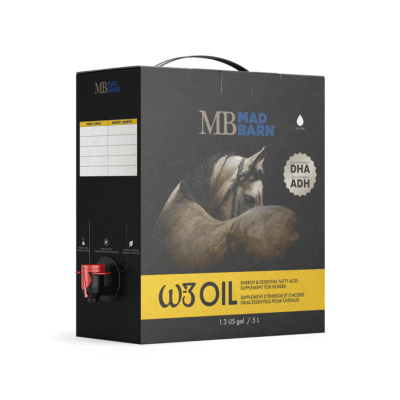
Mad Barn’s w-3 Oil provides a concentrated source of fat for horses that need additional calories to maintain weight and condition during training and competition. A 100 mL serving provides approximately 900 kcal with no added sugar or starch.
Fat is highly digestible in horses and provides approximately 2.25 times as much energy per gram as carbohydrates or protein. This makes oil an efficient way to increase the calorie density of the ration without substantially increasing feed volume.
Added fat can also reduce the amount of grain needed to meet a horse’s energy requirements. Large grain meals increase starch intake, and excess starch that escapes digestion in the small intestine can reach the hindgut and disrupt normal fermentation.
Fat is often described as providing cool calories because less heat is produced during its digestion and metabolism compared with protein and carbohydrates. This is beneficial for hard-working horses with high calorie requirements, particularly during hot weather. [33]
w-3 Oil also provides 1,500 mg of DHA and approximately 1,500 IU of natural vitamin E per 100 mL serving. DHA provides long-chain omega-3 fatty acids to support normal inflammatory regulation, and vitamin E helps protect muscle cell membranes from oxidative damage during exercise.
Energy Metabolism and Muscle Function
Maintaining stamina through a long workout or competition requires your horse’s muscles to keep producing energy. This depends on both adequate calorie intake and the metabolic processes that convert fat and carbohydrates into energy for muscle contractions.
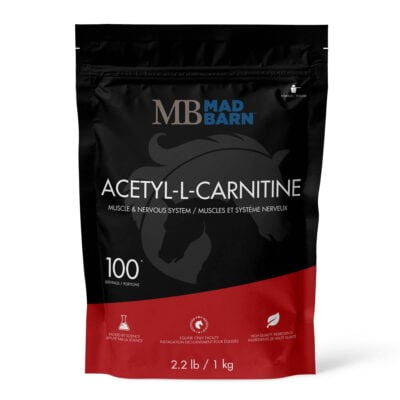
Mad Barn’s Acetyl-L-Carnitine provides a concentrated source of ALCAR, a naturally occurring form of carnitine involved in energy metabolism. It is formulated to support muscle function and energy production in horses facing the demands of regular training and competition.
Carnitine helps transport long-chain fatty acids into the mitochondria, the parts of cells that use oxygen to produce energy. Inside the mitochondria, these fats are broken down to produce ATP, the molecule that supplies energy for muscle contraction. [34]
This is especially important during prolonged exercise, when fat contributes to the energy needed to sustain effort. Faster, more intense work places greater demands on carbohydrate metabolism, so performance horses need to use both energy sources as their workload changes.
Carnitine also helps regulate the processing of fat and carbohydrates within muscle cells. It temporarily binds compounds called acetyl groups, helping keep coenzyme A available for energy-producing reactions. Acetyl-L-carnitine is the form produced when carnitine carries one of these groups. [35]
Research in exercising horses has examined how carnitine influences adaptation to training. A small study in seven young Standardbreds found changes in muscle fiber composition, increased capillary supply, and increased staining indicative of greater muscle glycogen content in horses supplemented with L-carnitine during training. [36]
Mad Barn’s Acetyl-L-Carnitine contains no fillers, binders, or additives and has no added sugar or starch. The powder can be mixed into the horse’s regular feed, soaked forage pellets, or a carrier such as beet pulp.
Feed daily according to the label and review its use with an equine nutritionist or veterinarian, particularly when muscle soreness, stiffness, or poor exercise tolerance is the reason for considering supplementation.
Joint Comfort and Mobility
Joint comfort affects how freely your horse moves, how willingly they work, and whether they can maintain consistent training. Jumping, galloping, collected work, and tight turns place repeated demands on the joints and surrounding connective tissues, making joint health an important consideration throughout the competition season.
Within a joint, cartilage covers the ends of the bones and synovial fluid lubricates the joint surfaces, reducing friction during movement. Inflammation can disrupt normal joint function and contribute to stiffness, discomfort, and reduced range of motion.
Nutritional support for performance horses should address both the nutrients needed to maintain these tissues and the inflammatory and oxidative stress associated with exercise. Omega-3 fatty acids and MSM provide two options for supporting joint function alongside a balanced diet and appropriate conditioning.
Mad Barn’s OmegaPrime+ provides concentrated EPA and DHA to support a normal inflammatory response in joints and connective tissues. These long-chain omega-3 fatty acids are incorporated into cell membranes, where they can alter the fatty acids available for inflammatory signaling. [37]
EPA competes with arachidonic acid for the enzymes that produce eicosanoids, shifting production toward mediators that are less biologically active. EPA and DHA can also be converted into specialized pro-resolving mediators, including resolvins and protectins, which help regulate and resolve the inflammatory response. For horses in regular training, these effects support comfortable movement and normal joint function. [38][39]
Each 30 mL (1 fl oz) serving of OmegaPrime+ provides 6,000 mg of DHA and 1,500 mg of EPA, along with 750 IU of natural vitamin E. Vitamin E helps protect cell membranes from oxidative damage and supports normal muscle function during training and recovery.
OmegaPrime+ provides the EPA and DHA associated with fish oil without the fishy taste. Its concentrated formula makes it easy to add high levels of these long-chain omega-3 fatty acids to a horse’s regular feed or soaked ration.

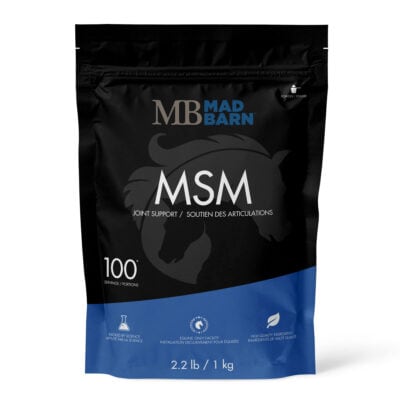
Mad Barn’s MSM is a single-ingredient supplement used to support joint comfort, connective tissue health, and post-exercise care. It is an affordable option for owners adding daily joint support to a performance feeding program.
MSM, or methylsulfonylmethane, is a naturally occurring sulfur-containing compound with antioxidant properties. During strenuous exercise, the body produces more reactive oxygen species. When these exceed the body’s antioxidant defenses, they can damage cells and contribute to oxidative stress.[40]
Research in 24 jumping horses found that MSM supplementation reduced exercise-related increases in markers of oxidative damage and helped maintain antioxidant activity during a competition period. These findings support its role in antioxidant nutrition for working horses, although the study did not measure improvements in soundness or joint pain. [41]
Mad Barn’s MSM contains no fillers or additives. The recommended daily serving for a 1,100 lb (500 kg) horse is 10 g, which can be mixed into regular feed, soaked forage pellets, or beet pulp.
Joint supplements should complement appropriate workload management, hoof care, and adequate recovery between demanding workouts. Persistent stiffness, joint swelling, a shortened stride, or reduced willingness to work warrants veterinary assessment.
Hydration and Electrolyte Balance
Performance horses lose water and electrolytes through sweat. If these losses are not replaced, horses can fatigue sooner, regulate body temperature less effectively, and recover more slowly after exercise. [10][42][43]
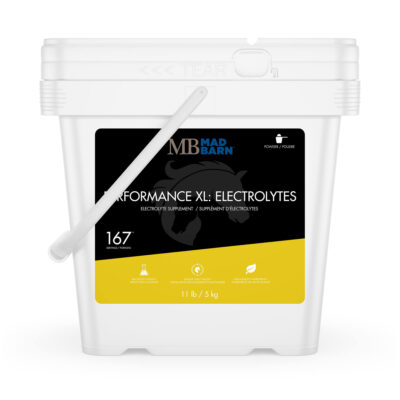
Mad Barn’s Performance XL: Electrolytes provides sodium, chloride, potassium, calcium, and magnesium to replace minerals lost in sweat.
Sodium and chloride help maintain fluid balance and blood volume, which are necessary for circulation and heat transfer during exercise. Sodium also supports the thirst response and helps the body retain water after drinking. Potassium, calcium, and magnesium are involved in nerve signaling and muscle contraction.
Electrolyte needs increase with heavier sweating, longer workouts, hot or humid conditions, and consecutive days of competition. Horses can also lose substantial fluid and electrolytes during transport. [44]
Each 60 g serving of Performance XL provides 3.72 g of sodium, 3.06 g of potassium, 1.2 g of calcium, and 0.6 g of magnesium. Performance XL also supplies 120 IU of vitamin E and 150 mg of vitamin C per 60 g serving to support antioxidant defenses during exercise.
Electrolyte replacement has been shown to improve recovery after prolonged work. Research in exercising horses has shown that an electrolyte solution given after exercise can improve rehydration and glycogen replenishment compared with feed and water alone. [45]
Plain salt should still be included in the daily diet to supply sodium and chloride. Performance XL is most useful when sweat losses exceed what the horse’s regular diet and salt intake can replace. A vitamin and mineral supplement does not necessarily provide enough electrolytes to replace exercise-related losses. [9]
For general use, feed 30–60 g of Performance XL per hour of work, depending on exercise intensity. Mix it into 4 liters (1 gallon) of water or add it to feed. For competition, feed 60 g in 4 liters of water one to two hours before exercise and another 60 g in 4 liters after strenuous exercise for each hour worked.
Introduce electrolyte water at home so the horse is familiar with it before travelling or competing. Always provide separate access to fresh, plain water.
Post-Exercise Recovery and Antioxidant Support
Proper recovery between workouts helps horses maintain consistent training and return to work ready to perform.
After strenuous exercise, the body must replace water and electrolytes lost in sweat, restore glycogen stores, and repair muscle tissue. Rest and an appropriate diet support these recovery processes.
Magnesium and vitamin E are two important nutrients with specific roles in maintaining normal muscle function during training and recovery.
Vitamin E is an essential antioxidant that helps protect muscle cell membranes from oxidative damage. Strenuous exercise increases the production of reactive oxygen species, which can damage cells when the body’s antioxidant defenses are overwhelmed. Adequate vitamin E can help protect muscle and nerve tissues from this damage. [46]
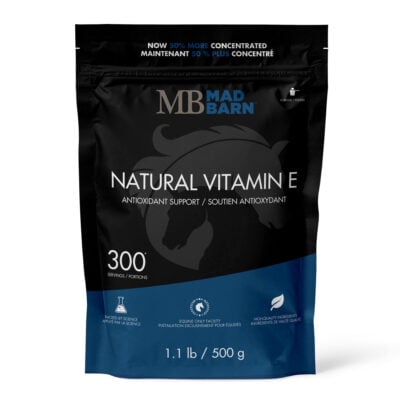
Mad Barn’s Natural Vitamin E provides concentrated d-alpha-tocopheryl acetate with no fillers. Each gram supplies 600 IU of vitamin E, with one 3 cc scoop providing approximately 1,000 IU in 1.67 g of powder.
Additional vitamin E is particularly relevant for hard-working horses with limited access to fresh pasture. Vitamin E declines after forage is harvested and stored as hay, so a hay-based ration can provide less of this antioxidant at a time when exercise increases demands on antioxidant defenses. [47]
This cost-effective pure powder allows vitamin E intake to be adjusted without adding more calories, minerals, or other ingredients. The amount needed should account for workload, pasture access, and vitamin E already supplied by fortified feeds, vitamin and mineral supplements, and oils.
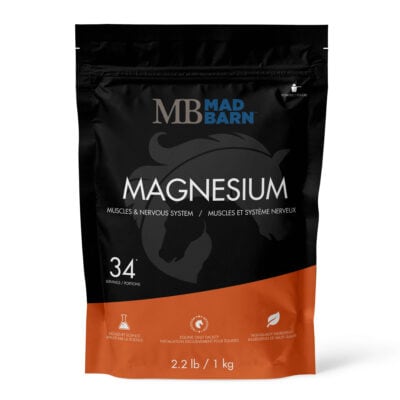
Mad Barn’s Magnesium Oxide provides a concentrated source of magnesium to support normal muscle contraction, relaxation, nerve signaling, and energy metabolism.
Horses with inadequate magnesium intake may show muscle tension or increased nervousness, making supplementation particularly relevant for tense, stressed, or nervous horses whose diets do not provide enough magnesium. [30]
Magnesium helps cells use ATP, the molecule that supplies energy for muscle activity. It also regulates calcium movement within muscle cells, allowing muscle fibers to relax after contraction. These functions support coordinated movement and normal muscle activity during and after exercise. [48]
Mad Barn’s Magnesium Oxide contains 56% elemental magnesium, supplying 560 mg per gram of powder. It can be mixed into regular feed or a soaked ration, with the amount adjusted to the magnesium already supplied by the diet.
Vitamin E and magnesium should be fed consistently as part of the daily ration, rather than only after a demanding workout. Recovery also requires adequate calories, appropriate cooling, opportunities to drink, and enough rest between strenuous efforts.
Persistent muscle soreness, cramping, or an unexplained decline in performance warrants veterinary assessment.
Table 1. Guide to Performance Horse Supplements
| Product | Best for | Primary role | Why choose it | When not to rely on it alone |
|---|---|---|---|---|
| Omneity® | Performance horses needing complete daily vitamin and mineral support | Vitamin and mineral balance | Provides vitamins, minerals, amino acids, antioxidants, live yeast, and digestive enzymes in a concentrated low-NSC formula. | When the horse needs additional calories, electrolytes, amino acids, digestive support, or other targeted supplementation. |
| AminoTrace+ | Hard-working horses with higher nutrient requirements | Advanced vitamin, mineral, and amino acid support | Provides higher levels of copper, zinc, magnesium, essential amino acids, and vitamin E for horses in demanding work. | When a standard vitamin and mineral balancer already meets the horse’s requirements. |
| Visceral+ | Horses exposed to training, travel, stall confinement, or feeding changes | Gastric and hindgut support | Supports the digestive lining and hindgut microbiome with lecithin, mucilage-producing herbs, amino acids, yeast, probiotics, and prebiotics. | When the horse needs veterinary diagnosis or treatment for ulcers, colic, diarrhea, poor appetite, or other digestive disease. |
| NOCR | Performance horses needing respiratory and circulatory support | Respiratory function, circulation, and antioxidant support | Provides jiaogulan, tienchi, spirulina, and milk thistle to support nitric oxide production, circulation, airway function, stamina, and recovery. | When coughing, labored breathing, or unexplained loss of stamina requires veterinary assessment. |
| Three Amigos | Horses needing more support for muscle development and topline | Essential amino acid supplementation | Provides lysine, methionine, and threonine to support muscle protein synthesis, tissue repair, and topline development. | When inadequate calorie intake, poor conditioning, or an unbalanced overall diet is limiting muscle development. |
| W-3 Oil | Performance horses needing additional calories to maintain weight and body condition | Concentrated fat and energy | Provides highly digestible fat to increase calorie intake without adding sugar or starch, along with DHA and natural vitamin E. | When inadequate protein, amino acids, vitamins, minerals, or conditioning are limiting performance or muscle development. |
| Acetyl-L-Carnitine | Horses in regular or prolonged exercise | Energy metabolism and muscle function | Provides ALCAR to support fatty acid transport, mitochondrial energy production, and normal muscle metabolism. | When inadequate calorie intake, conditioning, or an underlying muscle problem is limiting performance. |
| OmegaPrime+ | Horses needing concentrated EPA and DHA support | Joint comfort and inflammatory balance | Provides high levels of EPA and DHA to support normal inflammatory signaling, joint comfort, and recovery without the fishy taste of fish oil. | When the horse primarily needs additional calories, electrolyte replacement, amino acids, or veterinary treatment for lameness. |
| MSM | Performance horses needing additional joint and antioxidant support | Joint comfort and oxidative stress support | Provides a concentrated source of MSM to support connective tissues and antioxidant defenses during strenuous exercise. | When stiffness, swelling, shortened stride, or lameness requires veterinary assessment. |
| Performance XL: Electrolytes | Horses sweating during exercise, heat, travel, or competition | Electrolyte replacement and hydration | Replaces sodium, chloride, potassium, calcium, and magnesium lost in sweat and supports fluid balance, muscle function, and recovery. | When water intake, daily salt intake, cooling, or heat management are not adequately addressed. |
| Natural Vitamin E | Hard-working horses with limited access to fresh pasture | Antioxidant and muscle support | Provides concentrated natural vitamin E to protect muscle and nerve cell membranes from oxidative damage. | When poor recovery or muscle problems are caused by inadequate calories, electrolyte losses, training load, or an underlying medical condition. |
| Magnesium Oxide | Horses with inadequate magnesium intake, including tense or nervous horses | Muscle relaxation, nerve function, and energy metabolism | Provides concentrated magnesium to support muscle contraction and relaxation, nerve signaling, and ATP metabolism. | When magnesium intake is already adequate or muscle tension, nervousness, or poor performance has another cause. |

How to Evaluate a Performance Horse Nutrition Program
A performance horse’s feeding program should be evaluated based on the nutrients supplied by the current diet and the demands of the horse’s workload. Body condition, forage quality, sweat losses, training volume, and recovery all help determine where additional nutritional support is needed.
The first step is to identify deficiencies or limitations in the existing ration. Supplements should then be added for a specific purpose, using ingredients and feeding rates supported by equine nutrition research.
1) Start with a Forage Analysis
Forage usually makes up the largest component of the horse’s diet and contributes a substantial proportion of daily energy, protein, minerals, and other nutrients. However, the nutrient composition of forage cannot be determined accurately from hay type, color, or appearance.
A forage analysis measures digestible energy, crude protein, fiber, sugar, starch, and macrominerals. A complete analysis should also include trace minerals such as copper, zinc, manganese, and iron. These values provide the starting point for calculating what the rest of the ration needs to supply.
For example, two grass hays can differ substantially in energy density and protein content. A horse eating 10 kg of one hay may receive considerably more calories and protein than a horse consuming the same amount of another. Mineral concentrations can also vary widely according to soil, plant species, maturity, and growing conditions. [30]
Take a representative sample from the hay actually being fed. When a new hay lot becomes a major part of the ration, analyze it again rather than assuming its nutrient profile is similar to the previous supply.
2) Evaluate the Entire Diet with an Equine Nutritionist
A forage analysis should be used as part of a complete ration evaluation that accounts for the actual daily amounts of hay, pasture, concentrates, supplements, and salt the horse consumes.
An equine nutritionist can then compare this intake with the horse’s requirements based on body weight and workload, including digestible energy, protein, essential amino acids, macrominerals, trace minerals, vitamins, and electrolytes.
The ration should also be evaluated against the horse’s body condition and performance. A horse that consistently loses weight as training increases is not consuming enough energy to match expenditure. Poor topline development may indicate inadequate calorie intake, protein quality, or essential amino acids.
Fortified feeds should be calculated according to the amount actually fed, not the manufacturer’s full recommended serving. If a feed is formulated to provide complete vitamin and mineral fortification at 3 kg per day but the horse receives only 1 kg, the ration should include only the nutrients supplied by that 1 kg.
This is particularly important for performance horses that receive reduced amounts of concentrate because they maintain weight easily or require lower starch intake.
3) Use Research-Backed Supplements at Evidence-Based Doses
Once the complete diet has been evaluated, supplements can be selected for functional needs that are not fully addressed by the ration.
Check the ingredient list of any product you are considering and look for ingredients supported by equine research. Avoid products that do not clearly disclose their ingredients or the amount of each active ingredient supplied.
Ensure that the daily serving provides each active ingredient at a dose shown to be effective in research studies. An ingredient included at a lower dose may not provide the desired benefit.
For example, research on biotin supplementation has shown benefits for hoof growth and quality at 20 mg per day. [49][50] Some supplements advertise biotin for hoof health but provide only 5 mg per day, which may not be enough to produce the benefits reported in those studies.
Ingredient form should also be considered when it affects the absorption or utilization of a nutrient. For trace minerals such as zinc, copper, manganese, and selenium, organic sources can offer better absorption or retention than inorganic forms. [51]
Compare both the daily amount and the form listed in the ingredients, since equal amounts do not necessarily provide equal nutritional benefit. [9][52]
4) Measure the Horse’s Response to Training
Changes to a performance feeding program should be evaluated against objective measurements whenever possible. Establish baseline data before making a major dietary change, then repeat the same measurements under comparable exercise conditions.
Heart rate is one of the most valuable measurements for trainers. Record heart rate during a standardized workload and during recovery. As aerobic conditioning improves, a horse should perform the same submaximal workload at a lower heart rate or recover toward baseline more quickly. [53]
Respiratory rate and recovery can provide additional information, particularly when evaluating heat load and respiratory function. Record respiratory rate at consistent time points after exercise rather than comparing values taken at different stages of recovery. [54]
For more detailed performance testing, blood lactate can be measured during or immediately after standardized exercise. Lactate concentration reflects the balance between lactate production and clearance as exercise intensity increases. [55]
Repeating the same incremental exercise test allows changes in aerobic and anaerobic capacity to be followed over time.
These measurements are most useful when the exercise test is reasonably standardized. Speed, duration, terrain, footing, rider weight, warm-up, sampling time, environmental temperature, and humidity can all affect heart rate, respiratory rate, lactate concentration, and recovery.
Nutrition is only one factor that influences these measurements. Training adaptation, musculoskeletal pain, respiratory disease, heat stress, and other factors can also change the horse’s response to exercise.
Unexpected deterioration in performance should prompt a veterinary assessment to identify underlying causes.
5) Change One Variable at a Time
Ideally, introduce one major nutritional change at a time and keep the rest of the feeding and training program consistent enough to evaluate the response. This makes it easier to determine whether the change is producing the desired result.
Introduce changes in hay and feed gradually to allow the horse’s digestive system and hindgut microbiome to adapt. Use Mad Barn’s Equine Diet Transition Calculator to plan the transition from one forage or feed to another.
Allow enough time to evaluate the response before making another major change. The appropriate timeframe depends on the nature of the intervention. Hydration and electrolyte replacement can affect recovery during a single training session, while changes in body condition, muscle development, antioxidant status, and hoof quality require weeks or months of consistent feeding.
Record the date of each change, what was changed, and the amount added, removed, or adjusted. Track relevant measures such as workload, feed intake, body weight or body condition, and performance so you can determine whether the intervention is having the intended effect.
Continue to reassess the ration throughout the training season. Changes in forage, workload, body condition, or the rest of the feeding program can change the horse’s nutritional requirements. The feeding program should be adjusted to reflect the horse’s current diet, workload, and condition.
Final Recommendation
A supplement program for a performance horse should be based on the complete diet, current workload, and performance goals. Evaluate forage, calorie intake, protein quality, vitamin and mineral intake, hydration, sweat losses, body condition, and recovery before adding supplements.
For most performance horses, the first priority is correcting deficiencies in the base diet. Omneity® provides complete daily vitamin and mineral supplementation for horses with moderate nutritional requirements. AminoTrace+ provides higher levels of key trace minerals, amino acids, magnesium, and vitamin E in a low-NSC formula for horses with higher nutritional demands.
Additional supplements should address a clearly identified need. Use w-3 Oil when additional calories, omega-3 fatty acids, or support for body condition are needed. Choose Three Amigos when the diet does not supply adequate lysine, methionine, and threonine for muscle development and recovery. Use Performance XL Electrolytes to replace electrolytes lost in sweat. Visceral+ can be used when additional gastric and hindgut support is indicated, while NOCR provides targeted respiratory support for performance horses.
Do not choose a supplement based only on the number of ingredients or the claims on the label. Check whether the product supplies the right nutrients, in appropriate forms and at doses consistent with research, for the horse’s actual diet and workload.
If you are unsure which nutrients are already supplied by the diet or where gaps remain, an equine nutritionist can evaluate the complete ration and identify where supplementation is appropriate.
Frequently Asked Questions
Here are some frequently asked questions about performance horse supplements:
The best supplement for performance horses depends on the horse's main nutritional limitation, workload, and current diet. Most performance horses should start with a balanced vitamin and mineral foundation, such as Omneity® Pellets or AminoTrace+, before adding targeted products. Once the foundation is in place, the best add-on depends on whether the horse needs support for body condition, topline, hydration, digestive health, respiratory wellness, or recovery. A supplement program works best when each product has a clear purpose.
You can tell which supplement your performance horse needs by first identifying the biggest gap in the current feeding program. If the diet is not balanced, start with a complete vitamin and mineral supplement before adding more specialized support. If the foundation is already in place, choose based on the horse's primary challenge: w-3 Oil for calories and body condition, Three Amigos for amino acids and topline, Performance XL Electrolytes for sweat losses, Visceral+ for digestive support, or NOCR for respiratory wellness. Sudden or persistent poor performance should also prompt a veterinary assessment.
Performance horses should usually start with a vitamin and mineral supplement because these nutrients support energy metabolism, muscle function, antioxidant status, immune health, and recovery. A targeted performance product is less likely to help if the base diet is short on essential nutrients. Omneity® Premix is a strong foundation for most performance horses on forage-based diets. AminoTrace+ is better suited to horses needing advanced low-NSC nutrition, such as easy keepers, metabolic horses, or horses with more complex mineral needs.
The difference between Omneity® Pellets and AminoTrace+ for performance horses is the type of foundation support they provide. Omneity® Premix is designed for broad daily vitamin and mineral support for most forage-based performance diets. AminoTrace+ is a more advanced low-NSC option with elevated copper and zinc, organic trace minerals, and amino acid support for horses with more complex nutritional needs. Choose Omneity® Pellets for most performance horses, and choose AminoTrace+ when low sugar and starch or enhanced mineral balancing is a priority.
Performance horses do not always need electrolytes every day, but they do need adequate salt, clean water, and replacement of sweat losses. Horses in light work may do well with free-choice salt and a balanced diet unless they are sweating heavily. Electrolyte supplementation becomes more important during hard work, hot or humid weather, travel, or multi-day competitions. Performance XL Electrolytes is most appropriate when sweat losses exceed what the base diet and daily salt intake can replace.
The best supplement for topline in performance horses depends on whether the horse is short on amino acids, calories, conditioning, or overall diet balance. If calories, exercise, and foundational nutrition are already appropriate, Three Amigos provides targeted amino acid support with lysine, methionine, and threonine. These amino acids support muscle protein synthesis, which is needed for normal muscle maintenance, topline development, and recovery. If the horse is underweight or the diet is unbalanced, those issues should be addressed before relying on an amino acid supplement alone.
Three Amigos may be enough to support muscle development when amino acids are the main limiting factor in an otherwise balanced program. It does not replace adequate calories, high-quality forage, proper conditioning, or a complete vitamin and mineral foundation. Horses also need progressive training stimulus to build and maintain muscle. If a horse has poor topline despite good nutrition and exercise, pain, illness, or inappropriate workload should be considered.
Feeding fat or grain for more energy in a performance horse depends on the horse's calorie needs, workload, temperament, and tolerance for starch. Fat is a concentrated calorie source that adds little sugar or starch, making it useful for horses that need more energy without larger grain meals. w-3 Oil supports body condition with calorie-dense fat, omega-3 fatty acids, DHA, and natural vitamin E. Grain may still have a place in some performance diets, but large starch-heavy meals are not ideal for every horse.
A supplement that helps a performance horse maintain weight during show season should address the reason the horse is losing condition. If the main issue is increased calorie demand from training, travel, competition, or cold weather, w-3 Oil can add calorie-dense fat without significantly increasing sugar or starch intake. However, weight loss can also reflect inadequate forage, poor appetite, dental problems, illness, low protein quality, or digestive stress. If weight loss is significant or persistent, the horse should be evaluated and the full diet reviewed.
You should use a digestive supplement for a performance horse when training, travel, competition, stall confinement, or routine changes appear to affect appetite, condition, or digestive consistency. Visceral+ is designed to support both gastric and hindgut health, making it useful for horses exposed to the stressors of regular work and competition. Digestive support works best alongside consistent forage intake, hydration, and sound feeding management. Horses with colic signs, persistent diarrhea, poor appetite, or marked weight loss need veterinary attention.
A respiratory supplement can support performance when respiratory wellness is one of the horse's limiting factors, but it should not replace environmental management or veterinary care. Dusty arenas, moldy forage, poor ventilation, pollen, smoke, and prolonged stabling can all challenge normal breathing during exercise. NOCR provides targeted nutritional support for respiratory wellness, oxygen utilization, circulation, antioxidant status, stamina, and recovery. Horses that cough, have nasal discharge, show labored breathing, or recover poorly after exercise should be assessed by a veterinarian.
Supplements cannot replace conditioning for performance horses because nutrition is only one part of athletic development. Fitness, training, soundness, recovery, hydration, and management all affect how well a horse performs. A supplement can help fill a specific nutritional gap, but it cannot make up for poor conditioning, pain, illness, or an inappropriate workload. If performance is not improving, evaluate the full program before adding more products.
The most common mistake when choosing performance horse supplements is adding specialized products before balancing the base diet. Many performance issues are linked to calories, forage quality, protein quality, vitamin and mineral balance, hydration, sweat losses, conditioning, or health rather than a single missing supplement. Another common mistake is choosing products with long ingredient lists instead of looking at meaningful daily amounts and whether the product addresses the horse's real need. The best supplement choice starts with the full diet and the horse's most likely limiting factor.
You can combine multiple performance horse supplements when each product serves a different purpose and the total diet remains balanced. For example, a horse may need Omneity® Premix or AminoTrace+ as the foundation, plus a targeted product such as w-3 Oil, Three Amigos, Performance XL Electrolytes, Visceral+, or NOCR depending on its needs. Avoid stacking products with overlapping ingredients unless the total intake has been reviewed. Combining supplements is most useful when the horse has clearly separate needs, such as vitamin and mineral balance plus electrolyte replacement or digestive support.
Poor performance should be treated as a veterinary concern when it is sudden, persistent, or accompanied by signs such as weight loss, coughing, lameness, poor appetite, slow recovery, colic signs, diarrhea, or changes in breathing. Nutrition can support performance, but it cannot diagnose or correct pain, illness, respiratory disease, digestive disease, or unsoundness. If a horse is not performing as expected despite appropriate feeding and conditioning, veterinary evaluation is an important next step. Supplements should complement care, not delay diagnosis.
Summary
Performance horses have higher nutritional demands due to training, competition, travel, sweat losses, and recovery needs. The best supplement program starts with a balanced diet, then adds targeted support based on the horse's workload, body condition, digestion, respiratory health, and performance goals.
- Start with forage, water, salt, calories, protein, vitamins, and minerals before adding specialized supplements
- Choose products with meaningful daily ingredient amounts and practical feeding rates
- Use W-3 Oil for calorie-dense body condition support without relying heavily on grain
- Use Three Amigos when amino acid support is needed for muscle development and topline
- Use Performance XL Electrolytes when sweat losses exceed what salt and the base diet can replace
- Choose digestive, respiratory, or recovery supplements based on the horse's main limiting factor
References
- Hodgson. D. R. et al. The Athletic Horse: Principles and Practice of Equine Sports Medicine. Elsevier Health Sciences. 2013.
- Harper. F. Energy Needs Increase with Horse Performance. Journal of Equine Veterinary Science. 1989.
- Urschel. K. L. and McKenzie. E. C. Nutritional Influences on Skeletal Muscle and Muscular Disease. Veterinary Clinics: Equine Practice. Elsevier. 2021. View Summary
- Ebert. M. and Moore-Colyer. M. J. S. The Energy Requirements of Performance Horses in Training. Translational Animal Science. 2020. View Summary
- Cipriano-Salazar. M. et al. The Dietary Components and Feeding Management as Options to Offset Digestive Disturbances in Horses. Journal of Equine Veterinary Science. 2019.
- Martin. A. et al. Effect of High-Starch or High-Fibre Diets on the Energy Metabolism and Physical Performance of Horses during an 8-Week Training Period. Frontiers in Physiology. 2023. View Summary
- Foreman. J. H. The Exhausted Horse Syndrome. Veterinary Clinics of North America: Equine Practice. 1998. View Summary
- Klein. D. J. et al. Metabolomic Response of Equine Skeletal Muscle to Acute Fatiguing Exercise and Training. Frontiers in Physiology. Frontiers. 2020. View Summary
- Geor. R. J. et al. Equine Applied and Clinical Nutrition: Health, Welfare and Performance. Elsevier Health Sciences. 2013.
- Hollands. T. and Drury. L. Evidence Based Equine Nutrition: A Practical Approach For Professionals. CABI. 2023.
- Sykes, BW. et al. European College of Equine Internal Medicine Consensus Statement—Equine Gastric Ulcer Syndrome in Adult Horses. J Vet Intern Med. 2015.
- Ferrucci, F. et al. Treatment of gastric ulceration in 10 standardbred racehorses with a pectin-lecithin complex. Vet Rec. 2003.
- Venner, M. et al. Treatment of gastric lesions in horses with pectin-lecithin complex. Equine Vet J Suppl. 1999.
- Komolafe, K. et al. Natural Products in the Management of Gastroesophageal Reflux Disease: Mechanisms, Efficacy, and Future Directions. Nutrients. 2025.
- Xue, T. et al. Isolation, structural properties, and bioactivities of polysaccharides from Althaea officinalis Linn.: A review. Int J Biol Macromol. 2023.
- Souba, WW. et al. Glutamine metabolism by the intestinal tract. JPEN J Parenter Enteral Nutr. 1985.
- Equine and Comparative Exercise Physiology. Cambridge University Press. 2007.
- Tanner, MA. et al. The direct release of nitric oxide by gypenosides derived from the herb Gynostemma pentaphyllum. Nitric Oxide. 1999.
- Jin, RC. et al. Vascular nitric oxide: formation and function. J Blood Med. 2010.
- Toda, N. et al. Control of systemic and pulmonary blood pressure by nitric oxide formed through neuronal nitric oxide synthase. J Hypertens. 2009.
- Ahn, Y. et al. Effects of gypenoside L-containing Gynostemma pentaphyllum extract on fatigue and physical performance: A double-blind, placebo-controlled, randomized trial. Phytother Res. 2023.
- Wang, Y. et al. Endothelium-dependent vasodilation effects of Panax notoginseng and its main components are mediated by nitric oxide and cyclooxygenase pathways. Exp Ther Med. 2016.
- Kim, S. et al. The application of Panax notoginseng with a focus on its anti-inflammatory effect: a narrative review. Ann Transl Med. 2025.
- Wu, Q. et al. The antioxidant, immunomodulatory, and anti-inflammatory activities of Spirulina: an overview. Arch Toxicol. 2016.
- Mohammadi, S. et al. Effects of silymarin supplementation on liver and kidney functions: A systematic review and dose-response meta-analysis. Phytother Res. 2024.
- Surai, PF. Silymarin as a Natural Antioxidant: An Overview of the Current Evidence and Perspectives. Antioxidants (Basel). 2015.
- Röschmann. J. et al. Respiratory Rate Recovery After Submaximal Lunging Exercise Is Delayed in Asthmatic Horses with Neutrophilic Airway Inflammation. Animals. 2025. View Summary
- Graham-Thiers. P. M. and Bowen. L. K. Effect of Balanced vs. Standard Protein on Muscle Mass Development in Exercising Horses. Translational Animal Science. 2024. View Summary
- National Research Council Nutrient Requirements of Horses: Sixth Revised Edition. 2007.
- Leleu. C. and Cotrel. C. Body Composition in Young Standardbreds in Training: Relationships to Body Condition Score, Physiological and Locomotor Variables during Exercise. Equine Veterinary Journal. 2006. View Summary
- Crandell. K. G. et al. A Comparison of Grain, Oil and Beet Pulp as Energy Sources for the Exercised Horse. Equine Veterinary Journal. 1999. View Summary
- Kronfeld, DS. Dietary fat affects heat production and other variables of equine performance, under hot and humid conditions. Equine Vet J Suppl. 1996.
- Xiang, F. et al. Comprehensive review of the expanding roles of the carnitine pool in metabolic physiology: beyond fatty acid oxidation. J Transl Med. 2025.
- Stephens, FB. Does skeletal muscle carnitine availability influence fuel selection during exercise?. Proc Nutr Soc. 2018.
- Rivero, JLL. et al. Oral L-carnitine combined with training promotes changes in skeletal muscle. Equine Vet J Suppl. 2002.
- Calder, PC. Omega-3 fatty acids and inflammatory processes. Nutrients. 2010.
- Bannenberg, G. et al. Endogenous Receptor Agonists: Resolving Inflammation. ScientificWorldJournal. 2007.
- Caron, JP. et al. Omega-3 fatty acids and docosahexaenoic acid oxymetabolites modulate the inflammatory response of equine recombinant interleukin1?-stimulated equine synoviocytes. Prostaglandins Other Lipid Mediat. 2019.
- Mills. P. C. et al. Effects of Exercise Intensity and Environmental Stress on Indices of Oxidative Stress and Iron Homeostasis during Exercise in the Horse. European Journal of Applied Physiology and Occupational Physiology. 1996. View Summary
- Marañón, G. et al. The effect of methyl sulphonyl methane supplementation on biomarkers of oxidative stress in sport horses following jumping exercise. Acta Vet Scand. 2008.
- Lungu. G. M. et al. Alterations in Blood Metabolites as Biomarkers of Fatigue and Recovery in Thoroughbred Horses Performing Repeated Bouts of High-Intensity Exercise. Journal of Animal Science. 2026. View Summary
- Hinchcliff. K. W. et al. Equine Exercise Physiology: The Science of Exercise in the Athletic Horse. Elsevier Health Sciences. 2008.
- Lindinger. M. I. Oral Electrolyte and Water Supplementation in Horses. Veterinary Sciences. 2022. View Summary
- Waller, AP. et al. Fluid and electrolyte supplementation after prolonged moderate-intensity exercise enhances muscle glycogen resynthesis in Standardbred horses. J Appl Physiol. 2009.
- Williams, CA. The effect of oxidative stress during exercise in the horse. J Anim Sci. 2016.
- Lindqvist, H. ?-Tocopherol and ?-Carotene in Forages and their Utilisation by Dairy Cows in Organic Production. Doctoral Thesis, Swedish University of Agricultural Sciences. 2012.
- Castiglioni, S. et al. The central role of magnesium in skeletal muscle: from myogenesis to performance. Magnes Res. 2024.
- Buffa. E. A. et al. Effect of Dietary Biotin Supplement on Equine Hoof Horn Growth Rate and Hardness. Equine Veterinary Journal. 1992. View Summary
- Josseck. H. et al. Hoof Horn Abnormalities in Lipizzaner Horses and the Effect of Dietary Biotin on Macroscopic Aspects of Hoof Horn Quality. Equine Veterinary Journal. 1995. View Summary
- Wagner. E. L. et al. Absorption and Retention of Trace Minerals in Adult Horses. The Professional Animal Scientist. 2005.
- Vervuert. I. Major Mineral and Trace Element Requirements and Functions in Exercising Horses. Brill. 2008.
- Bayly, WM. et al. Cardiovascular effects of submaximal aerobic training on a treadmill in Standardbred horses, using a standardized exercise test. Am J Vet Res. 1983.
- Art. T. et al. Mechanics of Breathing during Strenuous Exercise in Thoroughbred Horses. Respiration Physiology. 1990. View Summary
- Guhl, A. et al. Use of the relationship between blood lactate and running speed to determine the exercise intensity of horses. Vet Rec. 1996.