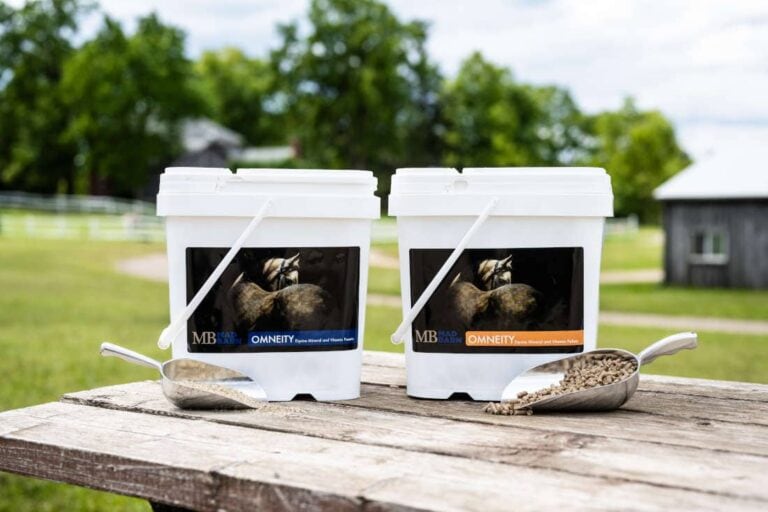
Strong, healthy hooves are essential for your horse's soundness, comfort, and performance, but choosing the right hoof supplement is not always straightforward. With so many products on the market, it can be difficult to know which option will actually improve...
Tooth root abscesses, or apical infections, are a painful and relatively common dental condition in horses that often develop gradually before more obvious signs appear. Because equine teeth are long and closely connected to surrounding structures like the sinuses, infection...
Aspiration pneumonia is a potentially serious lung condition that occurs when feed, water, saliva, or medication is inhaled into a horse's airways instead of being swallowed into the esophagus. Rather than developing on its own, it most often arises as...
Congenital stationary night blindness (CSNB) is an inherited vision disorder that affects a horse's ability to see in low-light conditions. Horses with this condition typically have normal vision during the day but may struggle to navigate safely at dusk, in...
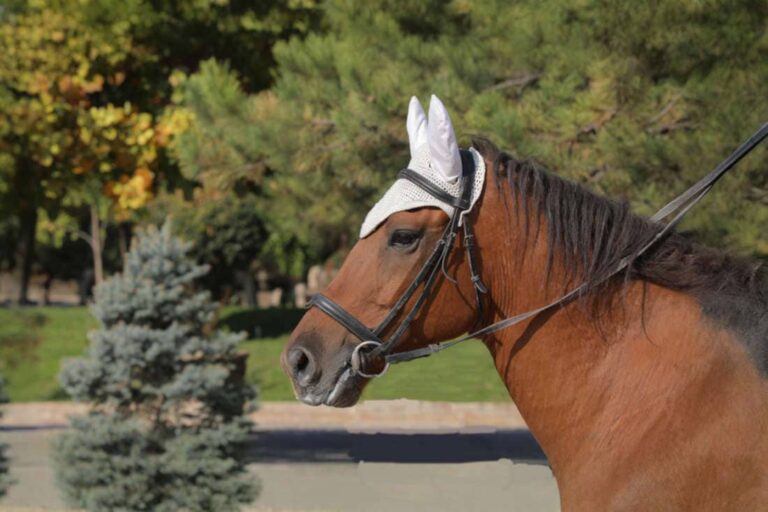
Ear bonnets for horses, also known as ear nets, are a common sight in show rings, schooling arenas, and everyday hacks. While they add a polished finishing touch to turnout, their purpose extends well beyond appearance. Worn under the bridle,...
Fleas in horses are uncommon, but they can still cause skin irritation, itching, and discomfort when infestations occur. While horses are not a preferred host for fleas, they may become temporary hosts after exposure to infested animals such as dogs,...
Pica in horses is a condition characterized by repeated ingestion of non-food items such as dirt, sand, wood, bedding, or manure. Unlike normal foraging behavior, pica involves actively seeking out and swallowing materials that do not provide nutritional value, which...
Congenital myotonia in horses is a rare, inherited neuromuscular disorder that affects how muscles relax after contraction. Instead of returning quickly to a resting state, affected muscles remain contracted for longer than normal, resulting in temporary stiffness that is often...
Peacock stirrups are a long-standing safety option in horse riding, commonly used in lesson programs and for beginner riders. They’re designed to release the rider’s foot during a fall and help reduce the risk of the rider being dragged. However,...
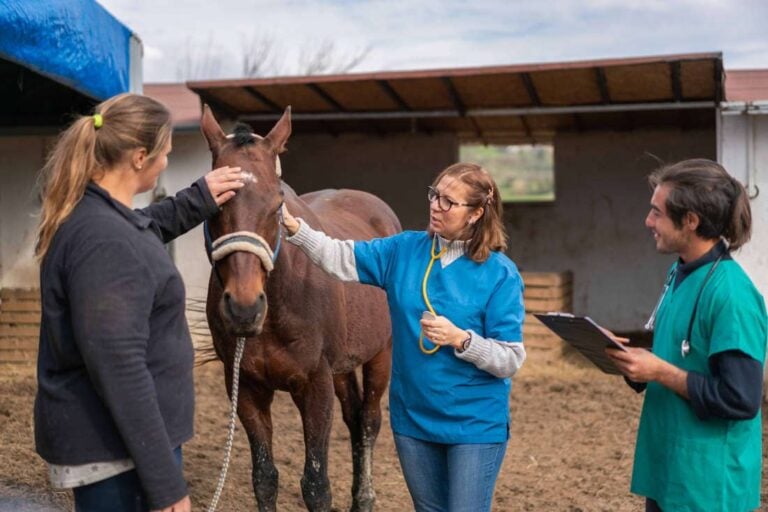
Choosing the right horse trainer is one of the most important decisions a horse owner can make. A skilled trainer not only teaches new skills but also shapes behavior, builds confidence, and helps keep both horse and rider safe. With...
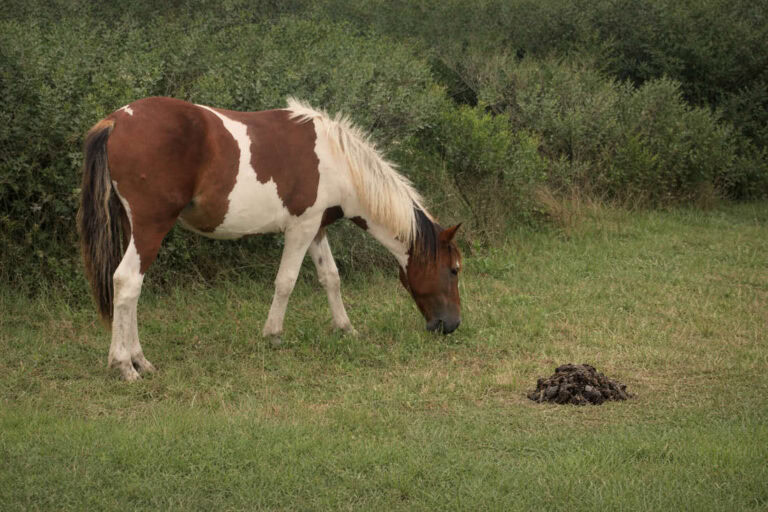
Coprophagia in horses, or manure eating, is a behavior most commonly seen in foals but can also occur in adult horses under certain conditions. While it is considered a normal and beneficial behavior in young horses as their digestive system...
Horses may bite for many different reasons, and even a playful nip can result in bruises, broken skin, or unsafe handling situations. For owners, riders, and barn staff, addressing biting behavior is essential for maintaining safety and building clear communication....
Autoimmune disease in horses occurs when the immune system mistakenly attacks the body's own tissues instead of protecting against infection. Rather than targeting bacteria, viruses, or parasites, the immune response becomes misdirected, leading to inflammation and tissue damage. Although autoimmune...

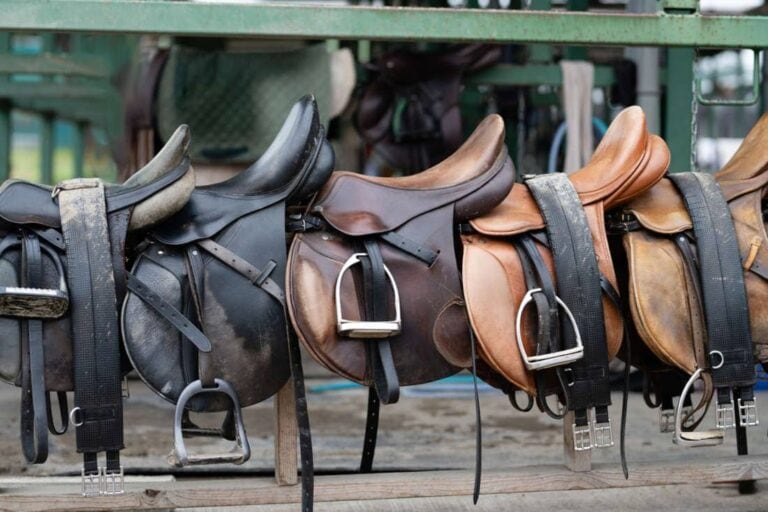
Horse saddles are structured pieces of tack designed to support the rider and distribute weight evenly across a horse’s back during riding. Used in disciplines ranging from dressage and show jumping to ranch work and trail riding, saddles improve stability,...
Rhinopneumonitis in horses, commonly called "rhino," is a contagious respiratory disease caused by equine herpesviruses (EHV-1 and EHV-4). These viruses are widespread in horse populations worldwide, and most horses are exposed at some point in their lives. While many cases...
Twitching is an equine restraint technique that is sometimes used during veterinary and husbandry procedures. Most often applied to the upper lip, a twitch is designed to limit movement and improve safety when a horse reacts to brief discomfort or...

Halter training is one of the most important skills a horse learns, yet it is often rushed or oversimplified. A horse that understands the halter is safer to handle, easier to care for, and far less likely to panic during...
Catastrophic limb injuries are among the most serious emergencies a horse can experience. These injuries involve severe damage to bones, joints, or supporting soft tissues, resulting in an inability to bear weight safely on the affected limb. Unlike minor strains,...
Wild or feral horses spend most of their day grazing on a variety of grasses, shrubs, and other natural forage, carefully selecting plants to meet their nutritional needs. In contrast, domestic horses are often provided with concentrated feeds, hay, and...
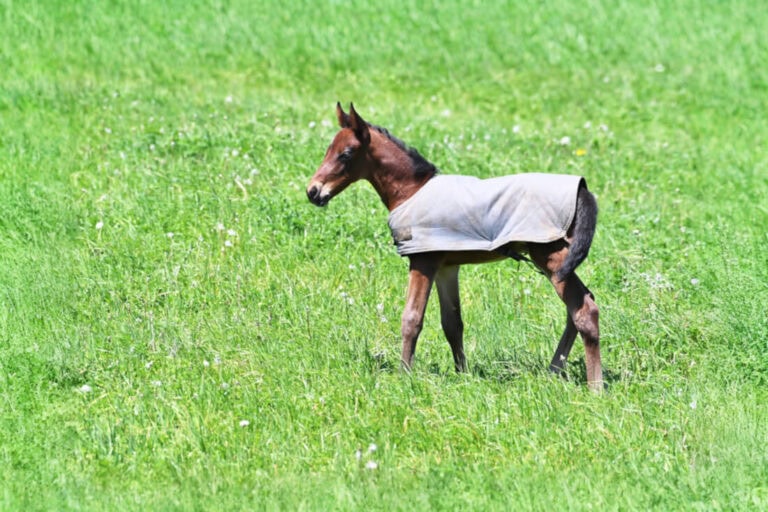
Foals are more vulnerable to cold than adult horses, especially in their first few weeks of life. Their limited fat reserves and higher surface-area-to-body-weight ratio mean they can lose heat quickly, particularly in wet, windy, or sudden cold weather. A...
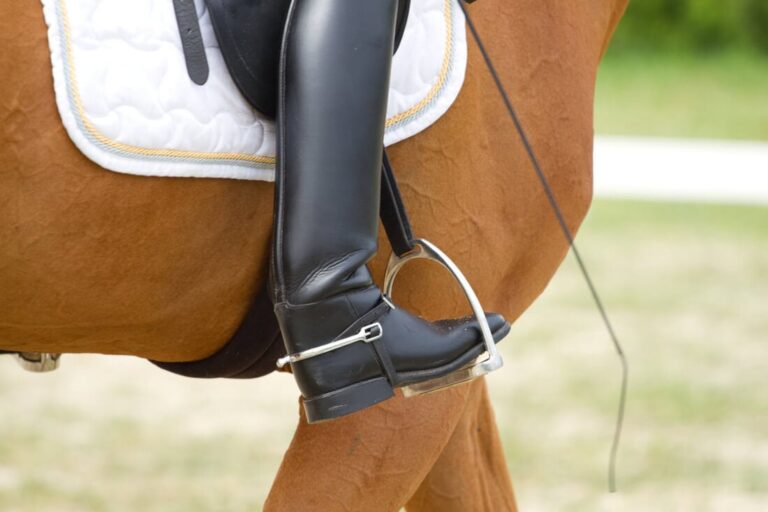
Spurs are one of the oldest and most recognizable tools in horsemanship, designed to help riders communicate precise cues to their horses. While often associated with riding and competition, their proper use requires skill, sensitivity, and a thorough understanding of...
Threadworms (Strongyloides westeri) are an equine intestinal parasite that primarily affects newborn foals, making them one of the earliest parasitic concerns in young horses. Transmission often occurs through the mare's milk, allowing larvae to establish in the foal's intestines within...
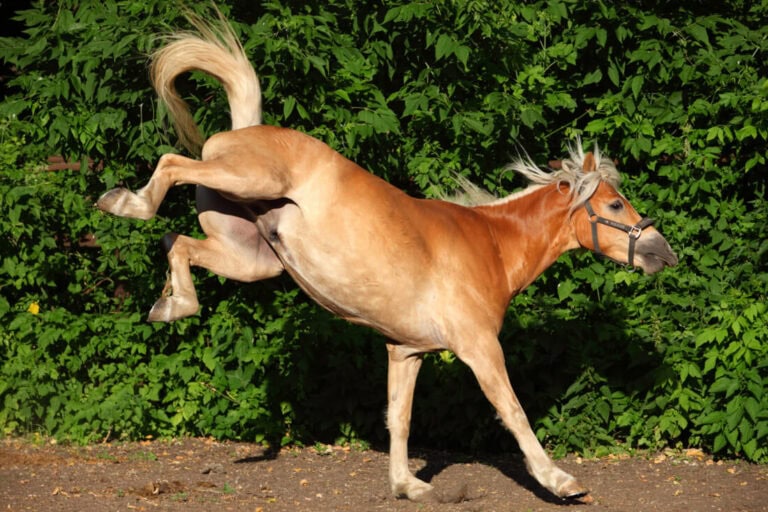
Bucking is an equine behavior that can be both thrilling and frightening for riders. It can be a playful leap in the pasture or a dangerous kick under saddle. Some horses buck to release energy or excitement, while others do...
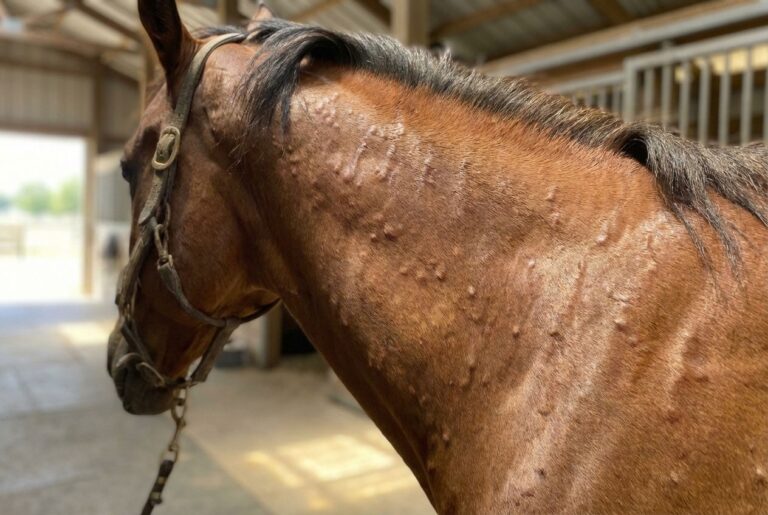
Raised, red, or itchy swellings on a horse's skin are commonly described as hives, wheals, or urticaria. While the terminology may differ between veterinarians, owners, or practitioners, they all refer to the same physiological reaction. "Hives" is the common term...
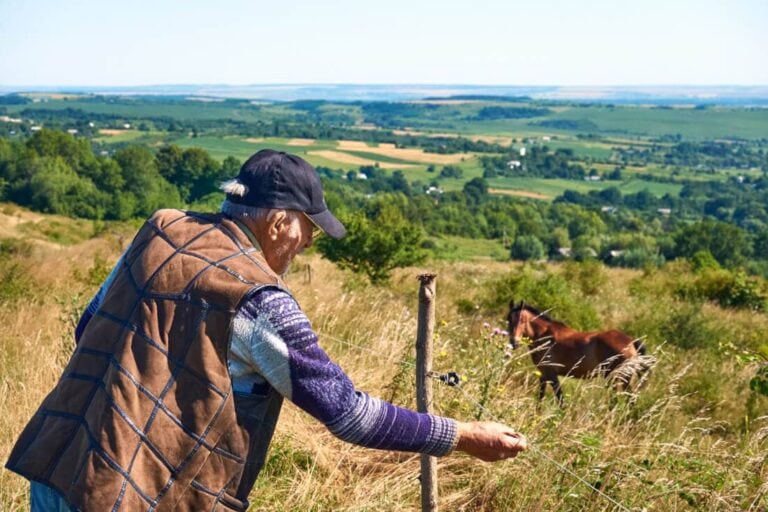
A safe, secure fence is one of the most important parts of keeping your horse safe. Fencing contains your horse, reduces the risk of injury, and helps keep wildlife or unwanted animals out of pastures. Because fences face constant pressure...
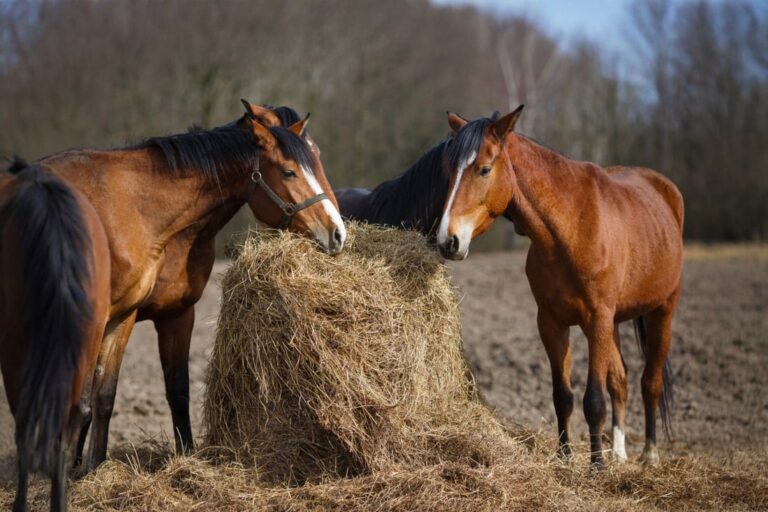
Hay is the cornerstone of most equine diets, providing the fiber necessary for gut motility and a healthy microbiome, along with essential nutrients to support body condition, energy levels, and overall well-being. However, when hay becomes moldy, its value as...
Lens luxation is an uncommon but serious eye condition in horses. It occurs when the lens — the clear, flexible structure inside the eye that helps focus light — slips out of its normal position. This displacement can cause pain,...
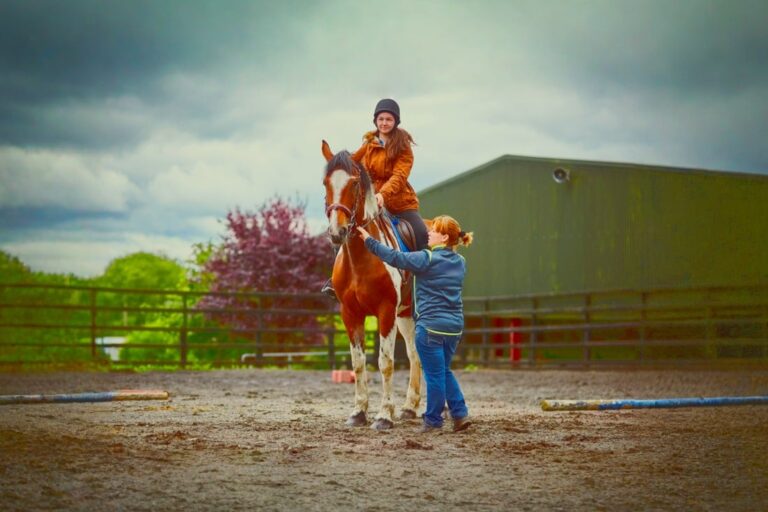
Starting horseback riding lessons is an exciting step for anyone eager to connect with horses and learn a new skill. Riding offers many benefits, including physical exercise, improved balance and coordination, and a deeper understanding of horse behavior. For beginners,...
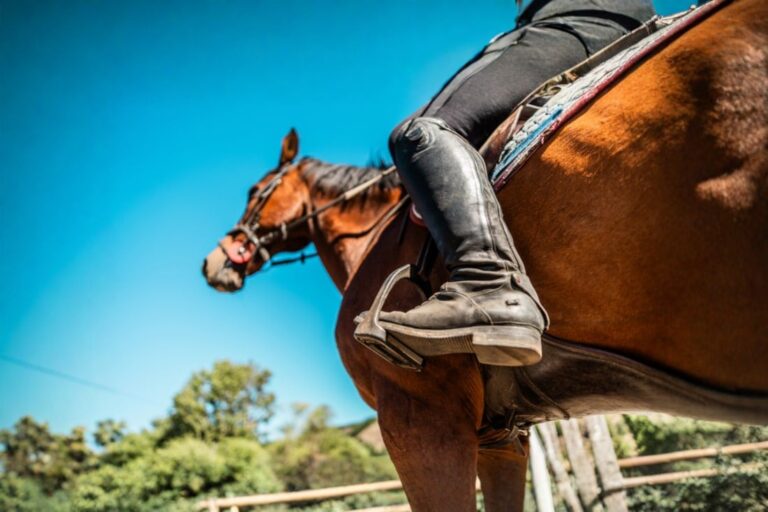
Stirrups are an important yet often underappreciated part of horse tack. These simple loops or frames attached to the saddle provide riders with stability, balance, and control while mounted. By anchoring the rider's legs, stirrups form a functional link between...
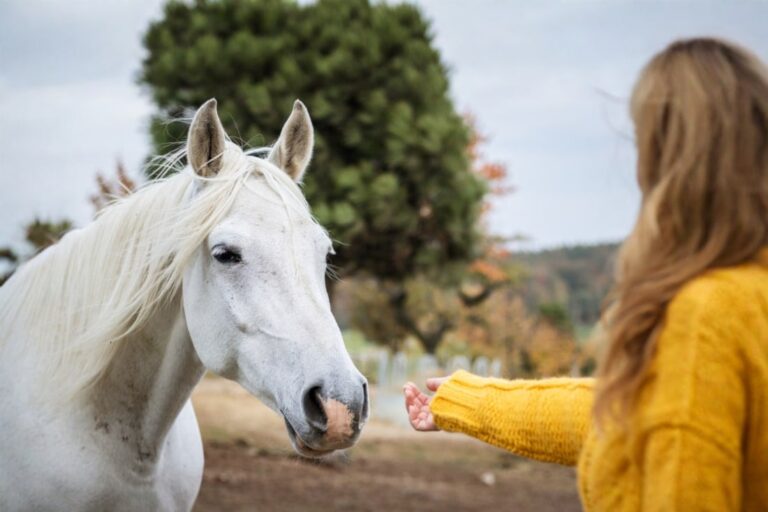
Food is one of the strongest motivators for horses, influencing their daily routines, interactions, and relationships with both humans and other horses. In some herds, mealtimes can lead to unwanted or even dangerous behavior that creates tension or conflict. Food...