

 English
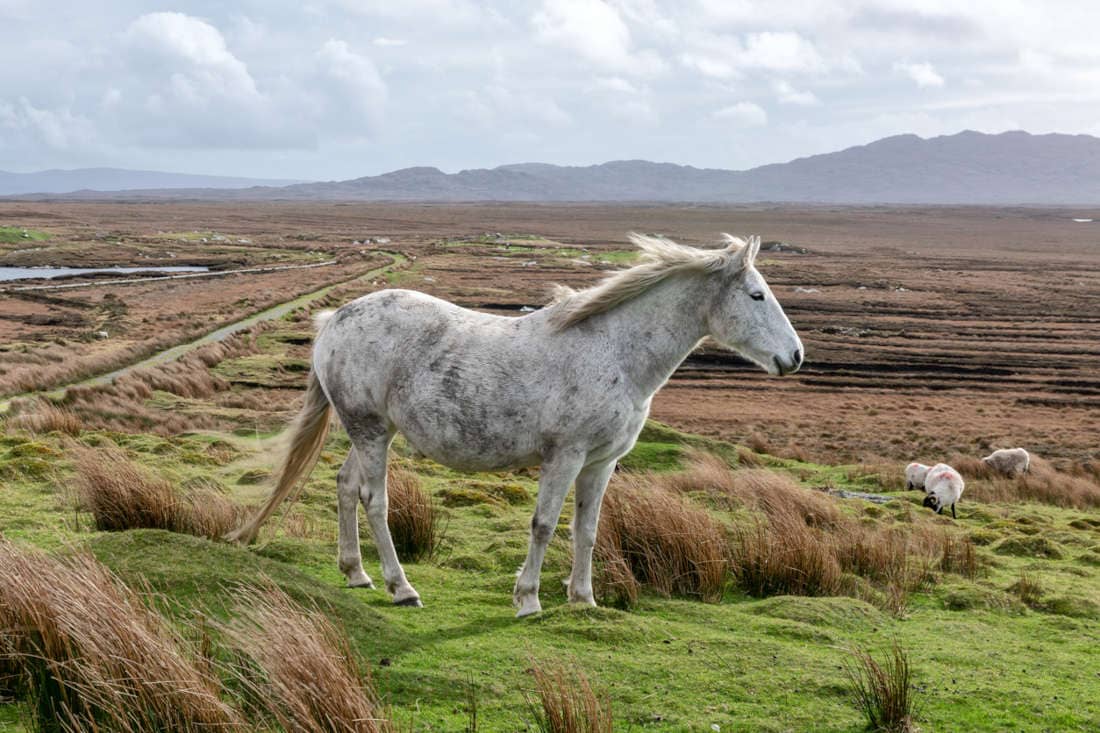
Hoof Wall Separation Disease (HWSD) is an inherited hoof disorder in horses that primarily affects Connemara Ponies and horses with Connemara ancestry.
The condition weakens the hoof wall, causing it to crack, separate, and break away as the hoof grows and bears weight. Some affected ponies develop relatively mild hoof changes, while others experience significant hoof damage that can lead to pain, lameness, and long-term management challenges. [1]
Unlike many hoof disorders, horses with HWSD are born with the condition, but it may not be apparent until the growing foal begins placing mechanical stress on the hooves through normal movement.
There is no cure for Hoof Wall Separation Disease, but early diagnosis and appropriate veterinary and farrier care can help preserve hoof function, improve comfort, and reduce the risk of secondary complications. [2][3]
Keep reading to learn more about the signs, causes, diagnosis, management, prognosis, and nutritional considerations for horses with HWSD.
Hoof Wall Separation Disease
Hoof Wall Separation Disease is a genetic disorder affecting the structural integrity of the equine hoof wall. It is most strongly associated with the Connemara Pony breed, although it can also occur in horses with Connemara ancestry. [1][4]
The hoof wall is a specialized structure made primarily of keratin, the same type of structural protein found in hair and skin. It grows downward from the coronary band and forms the hard outer covering of the foot.
A healthy hoof wall contains tightly connected layers of horn that distribute weight, resist impact, and protect sensitive tissues inside the hoof. These layers must remain firmly attached as the hoof grows and contacts the ground. [5]
In horses with HWSD, the outer hoof wall does not remain securely connected to the underlying horn. Mechanical pressure at the ground surface causes the wall to separate and break away. The resulting defect is usually most visible along the front, or dorsal, portion of the hoof. [1][6]
Unlike many acquired hoof disorders, HWSD begins with an inherited problem in hoof wall formation. [1] Trimming, shoeing, nutrition, footing, and environmental conditions can influence how much stress is placed on the weakened wall, but they cannot remove the genetic defect.
Table 1. Hoof Wall Separation Disease at-a-glance
| Category | Key Information |
|---|---|
| Definition |
|
| Primary Cause |
|
| Onset |
|
| Symptoms |
|
| Severity |
|
| Treatment |
|
| Recovery Time |
|
| Prognosis |
|
| Prevention |
|
Symptoms of Hoof Wall Separation Disease
Clinical signs of Hoof Wall Separation Disease usually develop within the first six months of life, although the severity varies considerably between affected ponies.
Some develop only mild hoof wall defects that require minimal management, while others experience extensive hoof damage, chronic pain, and ongoing lameness. [1][4]
The most characteristic sign is splitting and separation of the dorsal hoof wall near the weight-bearing surface. As the weakened hoof grows and contacts the ground, the outer hoof wall may crack, separate, and develop a ragged or frayed appearance. [1][4]
Table 2. Signs of Hoof Wall Separation Disease in horses
| Clinical Sign | What Owners May Notice | Why It Matters |
|---|---|---|
| Dorsal hoof wall separation | Splitting or separation along the front of the hoof wall | Most characteristic sign of HWSD; often appears as the foal grows and bears more weight |
| Frayed or crumbling hoof wall | Hoof wall looks chipped, ragged, or broken away near the ground surface | Shows that the weakened wall is failing under normal mechanical stress |
| Excessive sole horn growth | Thicker or overgrown sole as the foot adapts to increased loading | May indicate the hoof wall is not supporting weight effectively |
| Difficulty maintaining shoes | Shoes loosen or nails do not hold securely in the hoof wall | Conventional shoeing may worsen splitting in damaged hoof wall |
| Lameness or weight-bearing discomfort | Shortened stride, reluctance to move, or soreness when standing or walking | Suggests hoof damage is affecting comfort and function |
| Recurrent hoof abscesses | Repeated episodes of acute hoof pain, heat, or drainage | Damaged hoof areas may be more vulnerable to secondary complications |
| Laminitis in severe cases | Increased digital pulses, heat in the feet, severe foot pain, or reluctance to bear weight | Requires prompt veterinary attention and may occur when hoof wall damage causes abnormal weight distribution |
Because the hoof wall cannot effectively support the horse’s weight, affected ponies often place more weight on the sole of the foot. Over time, this can lead to excessive sole horn growth, also called sole proliferation, as the foot adapts to the increased load. [1][4]
Clinical signs of HWSD may include: [1][4]
- Splitting or separation of the dorsal hoof wall
- Frayed, chipped, or crumbling hoof wall
- Excessive sole horn growth (sole proliferation)
- Difficulty maintaining shoes because nails do not hold securely in the weakened hoof wall
- Lameness or discomfort when bearing weight
- Recurrent hoof abscesses
- Laminitis in severe cases
All four hooves are typically affected, although the degree of separation may vary between individual feet. Despite the damage to the hoof wall, the coronary band, white line, and sole often appear relatively normal, particularly during the early stages of the disease. [1][4]
Some affected ponies remain comfortable enough for athletic careers with routine hoof care, while others develop chronic lameness that requires intensive veterinary and farrier management.
Researchers suspect that additional genetic or environmental factors influence disease severity, as ponies with the same underlying genetic mutation can be affected very differently. [1][4]
What's your top priority with your horse's health?

What's your top priority with your horse's health?
When to Call the Veterinarian
Veterinary evaluation is important when a horse has unexplained hoof wall separation, persistent foot soreness, or signs that hoof damage is affecting comfort.
HWSD requires diagnosis and long-term planning, and other hoof disorders can look similar without a full examination.
Call your veterinarian if you notice:
- New or worsening lameness
- Heat in the hoof, stronger digital pulses, or reluctance to bear weight
- Sudden severe foot pain or signs consistent with laminitis
- Drainage, swelling, or repeated abscess-like episodes
- Rapid hoof wall loss, deep cracks, or exposed sensitive tissue
- Hoof changes in a foal or young pony with known or possible Connemara ancestry
A veterinarian can help distinguish HWSD from conditions such as white line disease, laminitis, hoof cracks, and other causes of foot lameness. Prompt evaluation is especially important when pain is severe, the horse is reluctant to move, or multiple feet appear affected.
Causes of Hoof Wall Separation Disease
Hoof Wall Separation Disease is an inherited genetic disorder. Unlike infectious diseases, HWSD cannot spread between horses and is not caused by bacteria, fungi, viruses, poor hoof care, or environmental conditions.
Instead, affected horses are born with a genetic variant that weakens the structure of the hoof wall as it develops. [7]
Because the underlying cause is genetic, management practices such as trimming, shoeing, or nutrition cannot cure the disease. However, appropriate hoof care can help reduce stress on the weakened hoof wall and improve comfort.
SERPINB11 Genetic Variant
Researchers identified a disease-associated variant in the SERPINB11 gene in affected Connemara Ponies. [1] Although researchers are still investigating the exact function of the SERPINB11 protein, studies suggest it plays a role in normal hoof development. [4][8]
Horses that inherit the disease-associated variant produce hoof horn with reduced structural integrity, making the hoof wall more likely to split and separate under normal weight-bearing forces. [4][8]
The effects of the variant appear to be largely limited to the hooves. Affected horses do not typically develop similar abnormalities in their hair, skin, or other keratin-containing tissues.
Autosomal Recessive Inheritance
Every horse inherits two copies of most genes, one from their dam and one from their sire. Hoof Wall Separation Disease is inherited as an autosomal recessive trait, meaning a horse must inherit two copies of the disease-associated genetic variant to develop the condition. [1][4][8]
Horses that inherit only one copy of the variant are known as carriers. Carriers do not develop Hoof Wall Separation Disease, but they can pass the variant to their offspring.
Because carriers show no clinical signs, two healthy-looking ponies can produce an affected foal if they both carry the disease-associated variant. Genetic testing is the only reliable way to identify carriers before making breeding decisions. [1][4][8]
Genetic test results are typically reported as: [1][4][8]
- Clear (N/N): The horse has two normal copies of the gene. It will not develop HWSD and cannot pass the disease-associated variant to its offspring.
- Carrier (N/HWSD): The horse has one normal copy and one disease-associated variant. Carriers do not develop Hoof Wall Separation Disease but can pass the variant to their foals.
- Affected (HWSD/HWSD): The horse has inherited two copies of the disease-associated variant and is expected to develop Hoof Wall Separation Disease.
Table 3. HWSD genetic test results explained
| Test Result | Genetic Status | What It Means | Breeding Implication |
|---|---|---|---|
| Clear (N/N) | Two normal copies of the gene | Will not develop HWSD and cannot pass the HWSD variant to offspring | Can be bred without producing affected foals, regardless of the other parent’s status |
| Carrier (N/HWSD) | One normal copy and one HWSD-associated variant | Does not develop HWSD but can pass the variant to offspring | Should be bred only to a genetically clear horse to avoid affected foals |
| Affected (HWSD/HWSD) | Two copies of the HWSD-associated variant | Expected to develop Hoof Wall Separation Disease; clinical severity can vary between horses | Should not be bred because every foal will inherit at least one HWSD variant |
When two carrier horses are bred together, each pregnancy has: [9]
- A 25% chance of producing a genetically clear foal (N/N)
- A 50% chance of producing a carrier foal (N/HWSD)
- A 25% chance of producing an affected foal (HWSD/HWSD)
These probabilities apply to every breeding independently. Producing one affected foal does not change the dam’s odds of producing another affected foal in a future pregnancy. [9]
When a carrier is bred to a genetically clear horse, the pair cannot produce an affected foal, although about half of their foals may inherit carrier status. For this reason, genetic testing of breeding animals allows breeders to avoid producing affected foals while maintaining genetic diversity within the Connemara Pony breed. [3]
Breeding Horses with HWSD
Owners should not breed affected horses because every offspring will inherit at least one copy of the HWSD variant. The foal’s final status will depend on the genetic status of the other parent. [9]
Carriers do not develop the disease and can otherwise be healthy, useful horses. Removing every carrier from the breeding population may unnecessarily reduce genetic diversity within a relatively small breed. [7]
Instead, breeders can use genetic testing to avoid carrier-to-carrier matings. A carrier bred to a genetically clear horse will not produce an affected foal, although some offspring may be carriers.
Table 4. Expected foal outcomes from HWSD breeding pairs
| Breeding Pair | Possible Foal Types | Risk of an Affected Foal |
|---|---|---|
| Clear x Clear | 100% clear | 0% |
| Clear x Carrier | Approximately 50% clear and 50% carriers | 0% |
| Carrier x Carrier | Clear, carrier, or affected | 25% per pregnancy |
| Clear x Affected | 100% carriers | 0% |
| Carrier x Affected | Approximately 50% carriers and 50% affected | 50% per pregnancy |
| Affected x Affected | 100% affected | 100% |
Owners should record genetic results accurately and disclose them to prospective buyers and breeding partners. Testing offspring from carrier matings also allows future breeding decisions to be made responsibly. [10]
Risk Factors
The primary risk factor for HWSD is inheriting two copies of the disease-associated SERPINB11 variant. However, several factors can influence when signs become noticeable and how severely an affected horse is impacted.
Breed and Ancestry
HWSD is identified primarily in purebred Connemara Ponies. Horses and ponies with Connemara ancestry may also inherit the disease-associated SERPINB11 variant.
In one study, approximately 15% of Connemara Ponies were identified as carriers of the variant. To date, the variant has not been reported in other breeds. [1][7]
Age
Affected ponies may show hoof abnormalities within weeks of birth, although signs are often recognized during the first several months of life. Separation is usually increasingly obvious as the foal grows and places more weight on the hoof wall. [1]
A later diagnosis does not necessarily mean the disease developed later. Owners may not notice mild defects until hoof damage becomes more extensive or the pony begins regular exercise.
Mechanical Stress
Exercise, hard or uneven footing, hoof imbalance, and excessive leverage can increase the mechanical forces placed on a weakened hoof wall.
These factors do not cause HWSD, but they may increase cracking and wall loss in genetically affected ponies. Conversely, appropriate trimming and protection may reduce stress on damaged areas. [11]
Environmental Conditions
Repeated changes between very wet and very dry conditions can affect hoof moisture and may worsen cracking in any horse. Abrasive footing may also accelerate wear of the weakened hoof wall. [12]
Environmental management may reduce additional damage, but even ideal conditions cannot correct the underlying structural defect. [10]
Diagnosis
Diagnosis of HWSD is based on the horse’s clinical signs, breed history, age of onset, hoof examination results, and genetic test results.
Because several hoof disorders can produce cracking or separation, a veterinarian should evaluate affected horses rather than relying on appearance alone.
Physical & Hoof Examination
When assessing a horse for HWSD, the veterinarian and farrier will examine all four feet and consider: [13]
- The location and pattern of hoof wall separation
- The amount of functional wall remaining
- Hoof balance and weight distribution
- Sole depth and sensitivity
- Signs of abscesses or secondary infection
- The horse’s comfort at rest and during movement
- Previous responses to trimming or shoeing
Characteristic separation of the dorsal hoof wall in a young Connemara Pony should raise suspicion of HWSD. However, physical findings alone cannot determine genetic status. [1]
Genetic Testing
DNA testing can identify the SERPINB11 variant associated with HWSD. Testing is the most reliable way to confirm whether a horse is clear, a carrier, or affected. [4][7]
Depending on the laboratory, testing may require a mane or tail hair sample with intact roots or a blood sample. Owners should follow the laboratory’s collection instructions carefully to avoid contamination or an unusable sample.
Genetic testing is usually recommended for:
- Connemara Ponies with compatible hoof abnormalities
- Horses with known Connemara ancestry and unexplained hoof wall separation
- Stallions and mares intended for breeding
- Foals produced from known carriers
- Horses with an unknown or incomplete genetic history
A positive affected result supports a diagnosis of HWSD, but the severity of clinical signs still requires assessment through physical examination. Genetic status does not precisely predict how much pain, hoof loss, or lameness an individual horse will experience.
Differential Diagnosis
Other hoof conditions can resemble HWSD, and veterinarians consider these conditions during diagnosis.
Table 5. Hoof conditions that may resemble Hoof Wall Separation Disease
| Condition | Typical Cause | Distinguishing Features |
|---|---|---|
| White Line Disease | Separation followed by opportunistic microbial invasion | Often involves the inner hoof wall and white line; may affect one or several feet |
| Laminitis | Failure of the lamellar tissues supporting the coffin bone | Pain, heat, increased digital pulses, stretched white line, hoof rings, or coffin bone displacement |
| Hoof Cracks | Hoof imbalance, trauma, excessive dryness, defects, or mechanical stress | May be localized to one area or one foot and does not follow the characteristic inherited pattern |
| Poor Hoof Quality | Multiple possible nutritional, environmental, or management factors | May improve after the underlying dietary or management problem is corrected |
Most notably, HWSD and white line disease are not interchangeable diagnoses. A horse with HWSD may develop secondary contamination or infection within damaged areas, but microorganisms are not the original cause of the genetic disease. [11]
Treatment & Management
There is currently no cure for Hoof Wall Separation Disease because the underlying defect is genetic. Treatment focuses on preserving hoof function, minimizing pain, and reducing the risk of secondary complications.
Owners should individualize supportive care based on the severity of hoof damage and collaborate with a veterinarian and experienced farrier.
Corrective Farriery
Regular farrier care is the foundation of managing HWSD. Frequent trimming helps maintain hoof balance, reduce leverage on weakened areas of the hoof wall, and slow the progression of cracks and separation.
Some mildly affected ponies remain comfortable with routine hoof care alone. More severely affected horses may require shorter trimming intervals and specialized farriery to provide additional support.
Supportive Shoeing
Because the hoof wall is structurally weak, farriers may have difficulty applying or keeping conventional horseshoes in place. Nails can split the damaged hoof wall further, making traditional shoeing impractical for some horses.
Glue-on shoes, hoof casts, therapeutic shoes, or hoof boots may be used to support the hoof capsule and redistribute weight away from damaged areas. The most appropriate corrective shoeing option depends on the severity of hoof damage and the individual horse’s needs. [1]
Environmental Management
Sudden changes in hoof moisture, such as alternating between very dry and very wet conditions, may worsen hoof wall cracking in affected horses. Maintaining consistent footing and avoiding prolonged exposure to excessively wet or dry environments may help reduce additional damage. [14]
Managing Complications
In severe cases, extensive hoof wall separation may reduce the hoof wall’s ability to bear weight, forcing the horse to place more weight on the sole. This abnormal weight distribution can increase the risk of chronic pain, recurrent hoof abscesses, and laminitis. [8]
Owners should monitor affected horses closely for worsening lameness, heat in the feet, increased digital pulses, or other signs of hoof pain, and seek veterinary attention promptly if these develop. [1][8]

Prognosis
The prognosis for horses with Hoof Wall Separation Disease varies widely depending on the severity of hoof damage and the horse’s response to management. Genetic testing can confirm that a horse is affected, but it cannot predict how severe the condition will become.
Some affected ponies may develop relatively mild hoof wall defects and remain comfortable with frequent trimming, appropriate hoof protection, and ongoing farrier care. Depending on their soundness, these horses may be able to participate in light riding or other activities. [8]
More severely affected horses may develop extensive hoof wall separation, chronic pain, recurrent hoof abscesses, or laminitis as the weakened hoof wall becomes less able to support the horse’s weight. These horses often require intensive, lifelong veterinary and farrier management to maintain comfort. [1][8]
Regular reassessment by a veterinarian and farrier is important because hoof condition and comfort can change over time, requiring adjustments to the management plan.
Prevention
Horses genetically inherit HWSD, so diet, supplements, trimming, and environmental management cannot prevent the condition in a foal that has inherited two copies of the variant.
The most effective prevention strategy is genetic testing before breeding. Testing allows breeders to avoid pairings that could produce an affected foal while making informed decisions about valuable carrier animals.
Preventive breeding practices include:
- Testing Connemara breeding stock before mating
- Confirming the status of both the mare and stallion
- Avoiding carrier-to-carrier matings
- Recording and disclosing genetic test results
- Testing offspring that may inherit the variant
- Seeking guidance from breed organizations and equine genetic specialists
For an affected foal, early diagnosis does not prevent the disease but may allow hoof management to begin before severe distortion or secondary complications develop.
Nutrition for Horses with HWSD
Nutrition cannot cure Hoof Wall Separation Disease or restore normal function to the affected gene. An affected pony will continue to produce genetically abnormal hoof horn even when fed a well-balanced diet.
However, the hoof still requires adequate dietary energy, protein, vitamins, and minerals to grow. Nutrient deficiencies or imbalances can impair hoof quality and place additional strain on an already compromised hoof capsule.
The overall diet should provide: [15][16]
- Adequate high-quality forage
- Sufficient dietary protein and essential amino acids
- Balanced copper and zinc
- Appropriate selenium and vitamin E intake
- Adequate vitamin A
- Biotin and other B vitamins
- Salt and fresh water
Biotin is frequently included in hoof supplements and may support normal hoof horn production when supplied at an appropriate daily dose over an extended period. However, biotin does not correct HWSD, and it should not be used as a substitute for balancing the complete diet.
Copper, zinc, amino acids, and other nutrients also contribute to normal keratin formation. [17]
Providing one nutrient in excess does not compensate for deficiencies elsewhere in the ration. Instead, the diet should be balanced to supply amino acids, trace minerals, vitamins, and other nutrients required for normal keratin production and hoof growth.
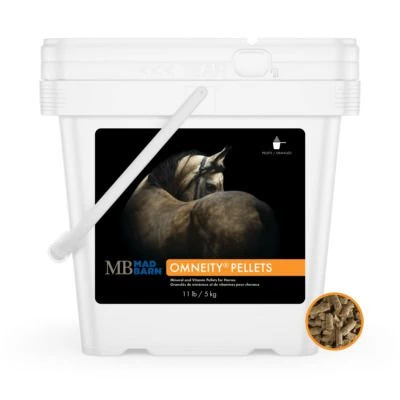
Mad Barn’s Omneity® is well suited for horses with HWSD because it provides several nutrients involved in normal hoof horn production in one comprehensive formula. It supplies 100% organic trace minerals, including copper and zinc, along with amino acids, biotin, and other B vitamins that support keratin formation and hoof growth.
While Omneity cannot correct the genetic defect responsible for HWSD, it can help ensure that nutritional deficiencies do not further compromise hoof quality.
Owners of affected horses can work with a qualified equine nutritionist to evaluate forage, feed, supplements, and total nutrient intake. This helps ensure that avoidable dietary deficiencies are not further limiting hoof growth.
Frequently Asked Questions
Here are some frequently asked questions about Hoof Wall Separation Disease in horses:
Hoof Wall Separation Disease in horses is an inherited disorder that weakens the structure of the outer hoof wall. In affected horses, the hoof wall separates, cracks, and breaks away as the hoof grows and bears weight. The defect is usually most visible along the front portion of the hoof near the ground surface. The condition primarily affects Connemara Ponies and horses with Connemara ancestry.
Hoof Wall Separation Disease is caused by an inherited variant in the SERPINB11 gene that affects normal hoof wall formation. A horse must inherit two copies of the disease-associated variant, one from each parent, to be genetically affected. Nutrition, infection, poor hoof care, wet conditions, and trimming mistakes do not cause the disease. However, hoof care, footing, and environmental conditions can influence how much stress is placed on the weakened hoof wall.
Horses most at risk for Hoof Wall Separation Disease are purebred Connemara Ponies and horses with Connemara ancestry. Both males and females can be affected because the condition is inherited through a non-sex-linked recessive pattern. Clinical signs are usually noticed early in life, often within the first several months. Horses without known Connemara ancestry are not currently considered a typical risk group for this disease.
Signs of Hoof Wall Separation Disease can appear within the first weeks of life, but they are commonly recognized during the first six months. The hoof wall separation often becomes more obvious as the foal grows, gains weight, moves more, and develops enough hoof length for the weakened wall to crack or break. A later diagnosis does not always mean the disease started later. Mild defects may be overlooked until hoof damage becomes more extensive or the horse begins regular exercise.
Signs of Hoof Wall Separation Disease include splitting, fraying, chipping, or crumbling of the hoof wall, especially along the front of the hoof. Affected horses may also develop excessive sole horn growth because the hoof wall is less able to support normal weight-bearing forces. Some horses have difficulty keeping shoes on because nails do not hold securely in the weakened hoof wall. More severe cases can involve lameness, recurrent hoof abscesses, chronic pain, or laminitis.
Hoof Wall Separation Disease generally affects all four hooves, although the severity can vary between individual feet. The front hooves may appear more damaged because they normally carry more of the horse's weight and experience substantial mechanical stress during movement. Even when all four feet are affected, the amount of wall separation may not look identical from hoof to hoof. A veterinarian and experienced farrier should assess each foot individually.
Hoof Wall Separation Disease is not the same as white line disease. Hoof Wall Separation Disease is an inherited defect in hoof wall formation, while white line disease is an acquired condition involving hoof wall separation and opportunistic microbial invasion. A horse with Hoof Wall Separation Disease may develop secondary contamination or infection in damaged hoof areas, but infection is not the original cause of the hoof weakness. Genetic testing and veterinary examination help distinguish these conditions.
Hoof Wall Separation Disease is diagnosed using the horse's breed history, age of onset, hoof appearance, soundness, physical examination, and genetic testing. A veterinarian and farrier will assess the location of hoof wall separation, hoof balance, sole sensitivity, comfort, and any secondary complications. A genetic test can identify whether the horse is clear, a carrier, or affected for the disease-associated SERPINB11 variant. Physical signs show how the disease is affecting the horse, while genetic testing confirms the horse's inherited status.
Hoof Wall Separation Disease cannot be cured because the underlying cause is genetic. Affected horses continue to produce structurally abnormal hoof horn even with excellent care. Management focuses on protecting the feet, reducing mechanical stress on weakened hoof wall, maintaining comfort, and treating complications such as abscesses or laminitis. Early diagnosis and consistent veterinary and farrier care can help preserve hoof function and quality of life.
Hoof Wall Separation Disease is managed with individualized veterinary and farrier care based on the severity of hoof damage. Regular trimming helps maintain hoof balance, reduce leverage on weakened areas, and limit further wall separation. Some horses may benefit from glue-on shoes, hoof casts, therapeutic shoes, or hoof boots to provide support without relying on damaged hoof wall. Management may also include environmental control, careful monitoring for pain, and prompt treatment of secondary complications.
A horse with Hoof Wall Separation Disease may be able to be ridden if the condition is mild and the horse remains comfortable and sound. Suitability for riding depends on hoof stability, pain level, footing, workload, farrier support, and how the horse responds to exercise. Some affected ponies can participate in light riding or athletic work with careful management. Horses with chronic lameness, severe wall loss, or recurrent complications may not tolerate regular exercise and should be assessed by a veterinarian.
Hoof supplements cannot treat or cure Hoof Wall Separation Disease because they cannot correct the inherited defect in hoof wall formation. However, balanced nutrition still matters because the hoof requires adequate energy, protein, amino acids, vitamins, and minerals to grow as well as possible. Nutrient deficiencies or imbalances can further compromise hoof quality in a horse that already has weakened hoof wall. The complete ration should be evaluated before adding supplements, especially for protein, amino acids, copper, zinc, selenium, vitamin E, vitamin A, biotin, salt, forage, and water.
Carriers of Hoof Wall Separation Disease have one copy of the disease-associated genetic variant and are not expected to develop the disease. Their hooves generally appear normal, which means carriers cannot be reliably identified by appearance alone. However, carriers can pass the variant to their offspring. If two carriers are bred together, each pregnancy has a chance of producing an affected foal.
Carriers of Hoof Wall Separation Disease can be bred responsibly to genetically clear horses because this pairing cannot produce an affected foal. Some offspring from that type of mating may still be carriers, so accurate records and disclosure remain important. Breeding two carriers together should be avoided because each pregnancy has a risk of producing an affected foal. Genetic testing of both parents allows breeders to reduce disease risk without automatically removing all carriers from the breeding population.
Hoof Wall Separation Disease cannot be prevented in a foal that has already inherited two copies of the disease-associated genetic variant. Diet, supplements, trimming, and environmental management cannot remove the inherited defect. The most effective prevention strategy is genetic testing before breeding so breeders can avoid pairings that could produce affected foals. Testing Connemara breeding stock, recording results, and disclosing genetic status all support more responsible breeding decisions.
The prognosis for a horse with Hoof Wall Separation Disease varies widely depending on the severity of hoof wall loss, pain, secondary complications, and response to management. Mildly affected ponies may remain comfortable and useful with frequent trimming, appropriate hoof protection, and ongoing farrier care. More severe cases can involve chronic lameness, recurrent abscesses, laminitis, and intensive lifelong management. In the most serious cases, declining comfort and quality of life may lead to humane euthanasia.
Summary
Hoof Wall Separation Disease is an inherited hoof disorder that causes the hoof wall to split, separate, and break away, especially in Connemara Ponies and horses with Connemara ancestry. Management focuses on genetic testing, responsible breeding, and long-term veterinary and farrier care.
- HWSD is caused by an inherited SERPINB11 genetic variant
- Affected horses inherit two copies of the disease-associated variant
- Clinical signs often include dorsal hoof wall separation, crumbling horn, sole overgrowth, and lameness
- Genetic testing can identify clear, carrier, and affected horses
- There is no cure, but hoof care and supportive management can improve comfort
- Balanced nutrition supports hoof growth but cannot correct the genetic defect
References
- Finno. C. J. Hoof Wall Separation Disease: A Review. Equine Veterinary Education. 2022.
- Ramsay. S. and Watt. D. Hoof Wall Separation Disease (HWSD) in Connemara Ponies and Their Derivatives. Southern Institute of Technology and Monash University. 2016.
- Position on Genetic Defects. American Association of Equine Practitioners. 2024.
- Finno. C. J. et al. SERPINB11 Frameshift Variant Associated with Novel Hoof Specific Phenotype in Connemara Ponies. PLOS Genetics. 2015.
- Lazarus. B. S. et al. Equine Hoof Wall: Structure, Properties, and Bioinspired Designs. Acta Biomaterialia. 2022.
- Finno. C. J. et al. Hoof from a Connemara Pony Foal Affected with Hoof Wall Separation Disease (HWSD). ResearchGate. 2015.
- Hoof Wall Separation Disease. British Connemara Pony Society.
- Young. A. et al. Hoof Wall Separation Disease (HWSD). UC Davis Center for Equine Health. 2020.
- Young. A. How Genetic Diseases Are Inherited. UC Davis Horse Report. 2020.
- Hampson. B. A. et al. Effect of Environmental Conditions on Degree of Hoof Wall Hydration in Horses. American Journal of Veterinary Research. 2012.
- O'Grady. S. E. and Burns. T. D. White Line Disease: A Review (1998-2018). Equine Veterinary Education. 2021.
- Shin. S.-K. et al. Prevalence of Hoof Disorders in Horses in South Korea. The Open Agriculture Journal. 2020.
- Moyer. W. Clinical Examination of the Equine Foot. Veterinary Clinics of North America: Equine Practice. 1989.
- Kauffmann. S. and Cline. C. The Essential Hoof Book: The Complete Modern Guide to Horse Feet - Anatomy, Care and Health, Disease Diagnosis and Treatment. Trafalgar Square Books. 2017.
- Burns. T. A. "Feeding the Foot": Nutritional Influences on Equine Hoof Health. Veterinary Clinics of North America: Equine Practice. 2021.
- Nutrient Requirements of Horses: Sixth Revised Edition. The National Academies Press. 2007.



![White Line Disease in Horses [Causes and Recovery]](/wp-content/uploads/2021/09/White-Line-Disease-in-Horses-Causes-and-Recovery-500x333.jpg "White Line Disease in Horses [Causes and Recovery] | Mad Barn USA")




















