English

A hot hoof in horses is a common symptom that owners may find during routine grooming, hoof cleaning, or after exercise. While warmth can be a normal response to increased blood flow, work, or hot weather, it can also be an early sign of injury, infection, or inflammation within the foot.
Because many conditions can cause a hoof to feel hot, temperature alone cannot determine the underlying problem. Hoof heat should be evaluated alongside other signs, such as lameness, pain, swelling, reluctance to bear weight, or a stronger-than-normal digital pulse.
Comparing all four feet can also help owners recognize whether the warmth is temporary, localized, or potentially abnormal. It’s important to note that the severity of heat in the hooves does not always reflect the seriousness of the problem.
Read on to learn what causes hoof temperature to increase, when hoof heat may require veterinary attention, how the underlying cause is diagnosed and treated, and what steps can help support healthy hooves.
Heat in the Hooves
A hot hoof is a hoof that feels warmer than expected when touched and is often a sign of increased blood flow or inflammation within the foot. [1][2][3]
Although all horse hooves emit some heat as part of normal metabolism and circulation, a noticeable increase in temperature, particularly if it affects only one hoof or develops suddenly, may indicate an underlying problem. [3][4]
Since hoof temperature can also increase after exercise, during hot weather, or when a horse has been standing in direct sunlight, heat should always be assessed alongside other symptoms and compared with the opposite hoof whenever possible. Understanding basic hoof anatomy can also help owners recognize where pain, swelling, or sensitivity may be coming from. [3][4][5]
What's your top priority with your horse's health?

What's your top priority with your horse's health?
What Causes a Hot Hoof?
A hot hoof develops when increased blood flow or inflammation raises the temperature of the tissues within or around the foot. The underlying cause may be temporary and harmless, or it may indicate a condition requiring veterinary attention. [1][2][3][6][7][8]
Common causes of a hot hoof include: [1][2][3][6][7][8]
- Exercise or strenuous work, which temporarily increases blood flow to the feet
- Hot weather or prolonged exposure to direct sunlight
- Hoof abscesses
- Laminitis
- Sole bruises and other hoof injuries
- Penetrating wounds caused by nails or other sharp objects
- Cellulitis or other infections affecting the lower limb
- Fractures or injuries involving the bones, tendons, or ligaments of the foot
- Other inflammatory conditions affecting the hoof or lower limb
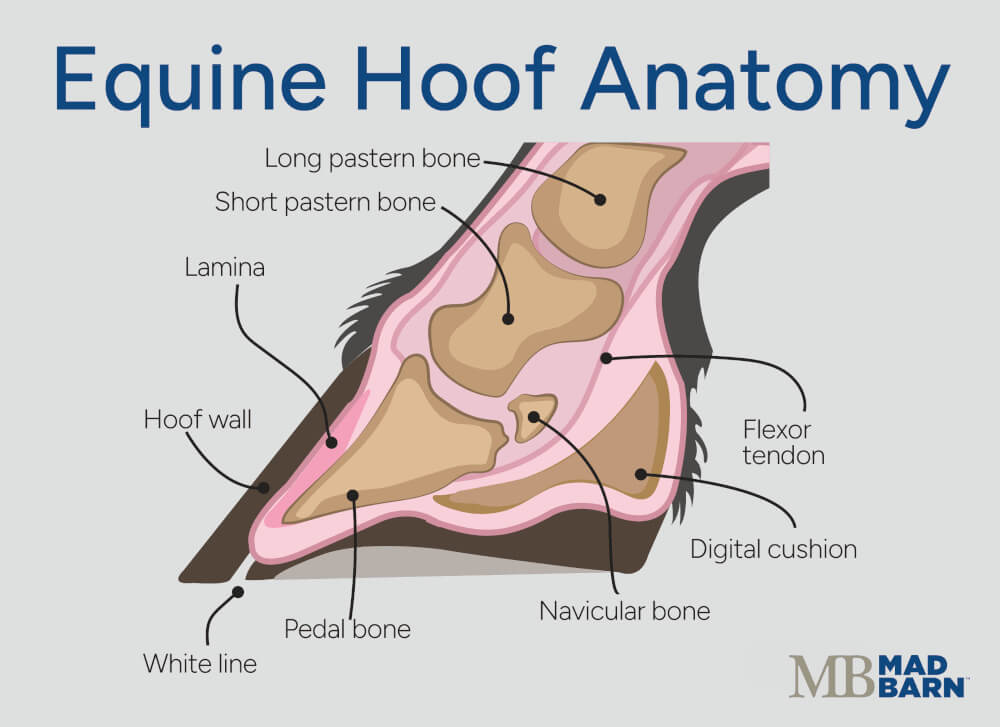 Illustration: Dr. Ana Mesa, PhD
Some causes, such as exercise or warm environmental conditions, produce a temporary increase in hoof temperature that resolves with rest or cooling.
Other causes may result in a persistent heat that is often accompanied by pain, lameness, a stronger-than-normal digital pulse, or swelling and requires veterinary investigation. [1][2][3][5][7]
Common Conditions Associated with a Hot Hoof
A hot hoof can occur with many different conditions affecting the hoof and lower limb. The accompanying symptoms, the number of feet involved, and the severity of lameness often help distinguish one condition from another. [1][2][3][6][7]
Hoof Abscess
A hoof abscess is one of the most common causes of a hot hoof. Bacteria trapped within the hoof create a build-up of pus and pressure, resulting in inflammation, severe pain, and increased hoof temperature. Horses often become suddenly and severely lame until the abscess drains. [1][2][3][6][8]
Abscess pain is usually localized to one foot, and the affected hoof may have a stronger digital pulse than the other feet. Some horses with abscesses are so painful they appear reluctant or unable to bear weight, which can make an abscess look similar to a more serious injury.
Veterinary or farrier assessment can help locate the source of pain and determine whether drainage, bandaging, or additional care is needed. [1][2][3][6][8]
Laminitis
Laminitis causes inflammation and damage to the tissues that attach the hoof wall to the coffin bone. It commonly affects both front feet and is typically associated with warm hooves, a strong digital pulse, pain, and reluctance to move. [1][2][6][7][9]
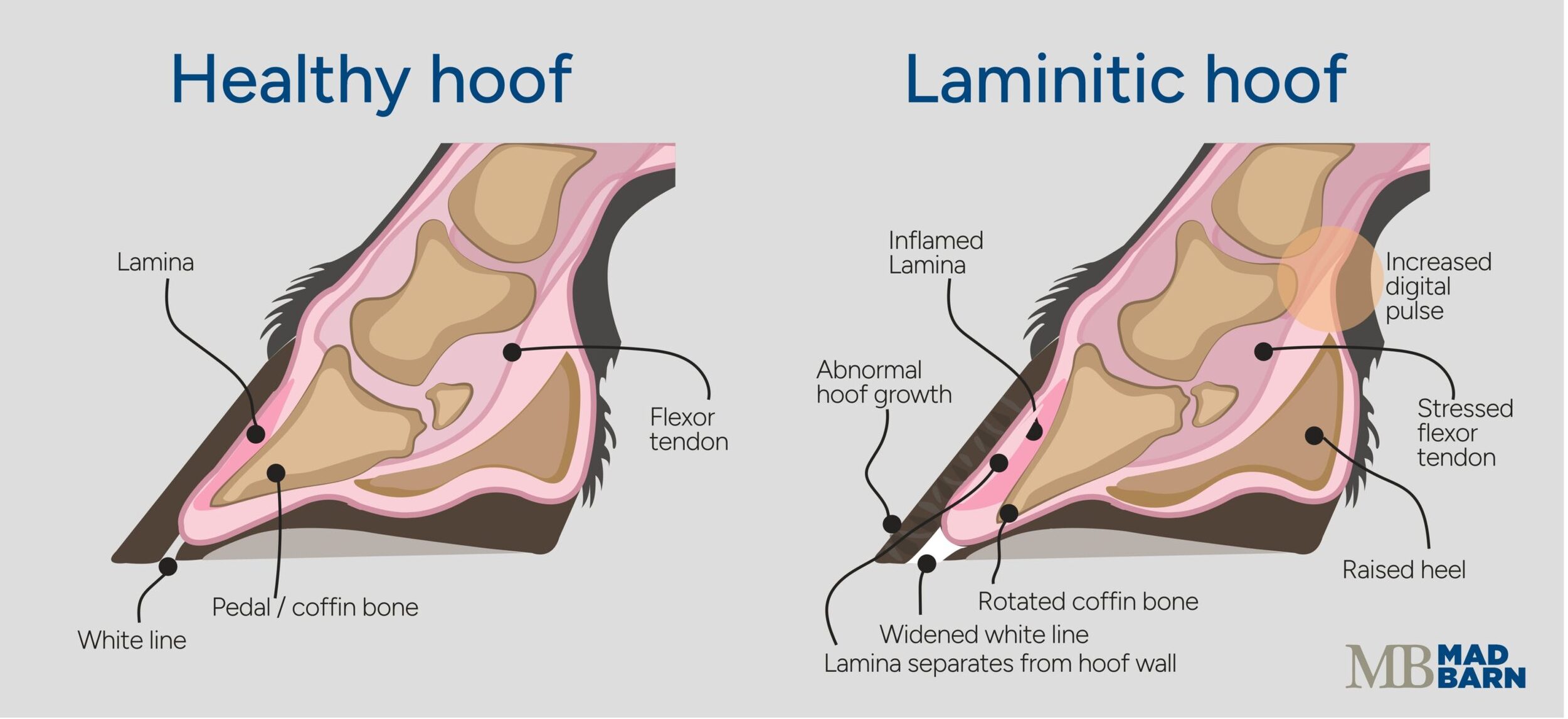 Illustration: Dr. Ana Mesa, PhD
Unlike many localized hoof injuries, laminitis often affects more than one foot. Horses may shift weight, stand with the front feet placed forward (“sawhorse” stance), move with short or careful steps, or resist turning. [1][2][6][7][9]
 Sawhorse Stance Illustration: Dr. Ana Mesa, PhD
Sole Bruises
Bruises to the sole or other structures within the hoof can cause localized inflammation, resulting in heat, pain, and varying degrees of lameness. They often develop after concussion on hard or rocky ground or following trauma to the foot. [1][2][3][6]
A bruised sole may cause mild soreness or more obvious lameness, depending on the location and severity of the injury. The horse may be more sensitive on hard ground or when the affected area is pressed. Rest, softer footing, and professional assessment may be needed if lameness persists or if the signs are difficult to distinguish from an abscess or deeper injury. [1][2][3][6]
Penetrating Injuries
Nails, sharp objects, or other penetrating injuries can damage sensitive tissues within the hoof and introduce infection. These injuries often cause heat, pain, and lameness and require prompt veterinary assessment. [2][3][7][8]
Penetrating wounds are especially concerning because the depth and direction of the injury may not be obvious from the outside. A small puncture can involve deeper structures of the foot, depending on where the object entered. [2][3][7][8]
Cellulitis
Cellulitis is a bacterial infection of the deeper layers of the skin and underlying tissues. Although the infection usually affects the limb rather than the hoof itself, inflammation can cause the hoof to feel warm alongside marked swelling and pain. [1][2][7]
Horses with cellulitis may develop swelling that extends through the lower limb, and the affected area can be hot, painful, and sensitive to touch. Lameness can vary from mild to severe. [1][2][7]
Other Conditions
Less commonly, a hot hoof may be associated with fractures, infections involving deeper structures of the foot, tendon or ligament injuries near the hoof, or other inflammatory conditions affecting the lower limb. [1][2][6][7][8]
These conditions may produce signs that overlap with more common hoof problems, including heat, pain, swelling, and lameness. Severe or persistent lameness, reluctance to bear weight, visible injury, or worsening pain should be treated as a veterinary concern. [1][2][6][7][8]
Table 1. Common causes of a hot hoof in horses
| Cause | Typical signs | Level of concern | What to do |
|---|---|---|---|
| Exercise or hot weather |
|
|
|
| Hoof abscess |
|
|
|
| Laminitis |
|
|
|
| Sole bruise |
|
|
|
| Penetrating injury |
|
|
|
| Cellulitis |
|
|
|
| Fracture or deep injury |
|
|
|
How to Tell if a Hoof Is Abnormally Hot
A hoof that feels warm is not necessarily abnormal. Hoof temperature should always be interpreted alongside other symptoms and compared with the horse’s other feet. [1][2][3][4][5]
Signs that a hoof may be abnormally hot include: [1][2][3][4][6][7]
- One hoof that is noticeably warmer than the others
- Heat that develops suddenly or persists after the horse has rested
- A stronger-than-normal digital pulse
- Lameness or reluctance to bear weight
- Pain when the hoof is handled or cleaned
- Swelling around the coronary band, pastern, or fetlock
- Reluctance to walk, shortened strides, or shifting weight onto the opposite limb
Comparing the temperature of all four hooves is often more informative than assessing a single hoof in isolation, as normal hoof temperature varies with exercise, environmental conditions, and individual horses. [1][3][4][5]
Since a hot hoof is only one symptom, it cannot identify the underlying cause on its own. Persistent or unexplained heat, particularly when accompanied by pain or lameness, warrants veterinary examination. [1][2][3][7][8]
Checking Hoof Temperature
Checking hoof temperature can help you recognize changes in circulation or inflammation within the foot. A hoof that feels warm is not always abnormal, especially after exercise, turnout in hot weather, or standing in direct sunlight. However, a hoof that is noticeably warmer than the others, feels hot after rest, or is paired with pain or lameness should be taken seriously. [7]
To check your horse’s hoof temperature, place your hand over the hoof wall and coronary band. Compare the temperature with the other hooves on the same horse, especially the opposite hoof on the same pair of limbs. A single hot hoof may suggest a localized issue, while heat in both front feet can be more concerning for conditions such as laminitis. [7]
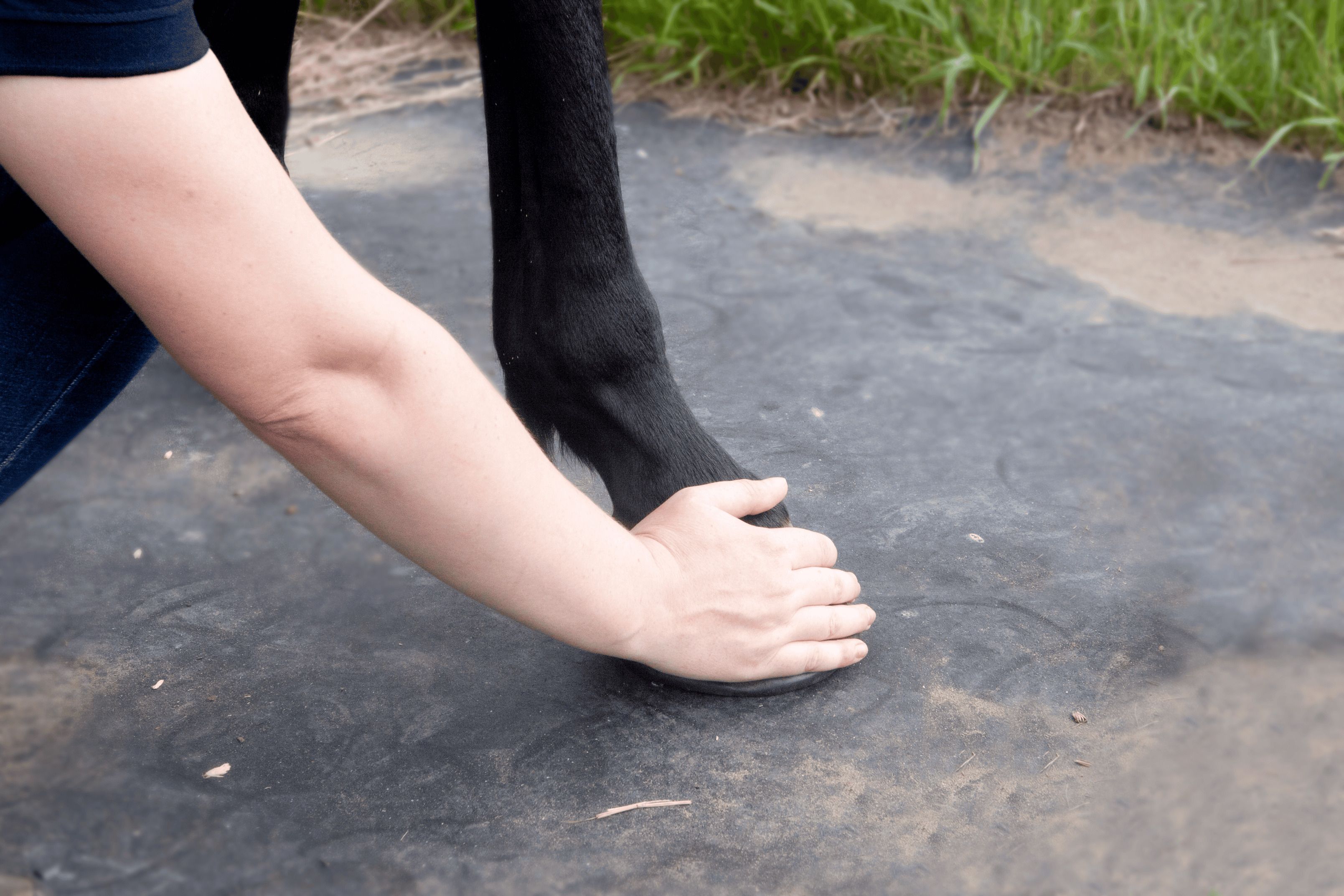 Hoof Temperature Check
External conditions can affect how warm a hoof feels. One side of the horse may be warmer if it has been exposed to direct sunlight, deep bedding, warm footing, or a heat source before the check. If the temperature difference is unclear, move the horse to a shaded, level area and reassess once the hoof surface has had time to stabilize.
Hoof heat should not be interpreted on its own. Always assess temperature together with other signs, including digital pulse strength, swelling, sensitivity to hoof handling, reluctance to move, or changes in weight bearing. A horse can still have a serious hoof problem even if the hoof does not feel significantly hotter than the others.
| Urgency | Observation |
|---|---|
| Safe Healthy Horse |
|
| Caution Seek Veterinary Care ASAP |
|
| Urgent Seek Emergency Veterinary Care |
|
Checking Digital Pulses
Digital pulses provide another useful clue when evaluating hoof heat. These pulses can become stronger when inflammation, pain, or increased blood flow affects the foot. A stronger-than-normal digital pulse is commonly discussed alongside painful hoof conditions such as laminitis, hoof abscesses, and other causes of foot lameness. [7]
To find the digital pulse, use your fingers to feel for a pencil-width, rope-like structure under the skin at the back of the fetlock. Use a light touch rather than pressing firmly, since too much pressure can make the pulse harder to detect. Hold your fingers in place and assess whether the pulse feels faint, easy to feel, strong, or “bounding.”
 Digital Pulse Check
It is helpful to practice checking digital pulses when your horse is healthy. This gives you a better sense of what is normal for that horse and makes changes easier to recognize. As with hoof temperature, compare all four limbs and pay close attention to whether the stronger pulse is localized to one hoof or present in multiple feet.
A strong digital pulse does not identify the cause of the problem by itself. However, when it appears with hoof heat, pain, lameness, swelling, or reluctance to bear weight, it increases concern that the horse may have an active hoof or lower-limb problem requiring veterinary assessment.
Table 3. Digital pulses monitoring guidelines
| Urgency | Observation |
|---|---|
| Safe Healthy Horse |
|
| Caution Seek Veterinary Care ASAP |
|
| Urgent Seek Emergency Veterinary Care |
|
When to Call the Veterinarian
Veterinary evaluation is important when hoof heat is persistent, localized to one foot, or accompanied by other signs of pain or illness. Many hoof problems look similar in the early stages, so prompt assessment helps identify whether the cause is temporary inflammation, infection, injury, or a more serious condition.
Call a veterinarian if a horse has: [1][2][3][7][8][9]
- Sudden or worsening lameness
- Reluctance or inability to bear weight
- A penetrating wound, visible foreign object, drainage, or bleeding from the hoof
- Heat with a strong digital pulse, marked pain, or swelling in the lower limb
- Signs consistent with acute laminitis, including shifting weight, reluctance to move, or warm front feet
A veterinarian may examine the hoof, assess the horse’s gait, check for pain responses, and recommend imaging or other diagnostics when needed. If the horse cannot bear weight, has a suspected penetrating injury, or may be showing signs of acute laminitis, seek prompt veterinary care.
What to Do if Your Horse Has a Hot Hoof
Owners should not ignore a hot hoof, particularly if it develops suddenly or is accompanied by pain or lameness. Prompt assessment can help identify the underlying cause and prevent further injury. [1][2][3][7][8]
Follow these steps if you find a hot hoof on your horse: [1][2][3][7][8]
- Compare the temperature of all four hooves
- Check for lameness, a stronger-than-normal digital pulse, swelling, or visible wounds
- Limit exercise until the cause has been determined
- Keep the horse in a safe area with appropriate footing
- Contact a veterinarian if the heat persists, the horse is lame, or there are other signs of pain or illness
- Do not attempt to drain a suspected hoof abscess without veterinary guidance
- Do not administer medications unless directed by a veterinarian
These first steps help reduce the risk of worsening pain or injury while the horse is being assessed. If the horse is comfortable and the warmth resolves after rest or cooling, continued monitoring may be appropriate.
Emergency veterinary attention is recommended if the horse is unable to bear weight, has a penetrating injury to the hoof, develops severe lameness, or shows signs consistent with acute laminitis. [1][2][3][7][8][9]
Diagnosis
Identifying the underlying cause of a hot hoof is the first step before treatment begins. Veterinarians use the horse’s history, physical examination findings, and diagnostic tests to determine the source of the problem. [1][3][6][7][8]
Additional diagnostic tests may include: [1][2][3][7][8]
- Hoof testers
- Nerve blocks
- X-rays
- Ultrasound
- MRI
- CT
- Infrared thermography
Diagnosis guides the next step, since treatment for a hot hoof depends on whether the cause is inflammation, infection, injury, abnormal pressure, or another problem affecting the foot or lower limb.
Prompt evaluation is especially important when hoof heat occurs with lameness, because painful hoof conditions can cause the horse to overload the opposite limb. In severe cases, this can increase the risk of supporting limb laminitis, a serious and potentially life-threatening complication.

Treatment
Treatment depends on the diagnosis and the severity of the condition. Because hoof heat can be associated with many different problems, the treatment plan should address the underlying cause rather than the temperature change alone.
A veterinarian may recommend treatment based on the horse’s level of pain, the structures involved, and whether the problem is related to infection, inflammation, injury, laminitis, or another hoof or lower-limb condition.
Potential treatments for conditions associated with heat in the hooves may include: [1][2][3][6][7][8][9]
- Draining a hoof abscess to relieve pressure
- Anti-inflammatory or pain-relieving medications
- Corrective trimming or therapeutic shoeing to support the hoof
- Bandaging and wound management for injuries
- Cryotherapy, or cold therapy, in cases of acute laminitis
- Surgical treatment for severe penetrating injuries, fractures, or deep infections
- Stall rest or a controlled exercise program
Follow-up care may also be needed to monitor comfort, hoof growth, soundness, and response to treatment. Horses recovering from painful hoof conditions may need changes to exercise, turnout, footing, farrier care, or management while the affected tissues heal.
Early diagnosis and appropriate treatment improve the chances of a successful recovery and help reduce the risk of long-term hoof damage. [1][2][3][7][8]
Preventing Hoof Issues in Horses
Not every cause of a hot hoof can be prevented, but good hoof care and prompt attention to injuries can reduce the risk of many common conditions. [1][2][3][6][7]
Preventive measures include: [1][2][3][6][7][8]
- Scheduling regular hoof trimming and farrier care
- Keeping hooves clean and inspecting them daily for cracks, wounds, or foreign objects
- Maintaining safe paddocks, stables, and riding surfaces to reduce the risk of injury
- Providing appropriate nutrition to support hoof health
- Managing horses at risk of laminitis according to veterinary recommendations
- Seeking prompt veterinary attention for lameness, penetrating injuries, or persistent hoof heat
Although a warm hoof is not always a cause for concern, persistent heat or heat accompanied by other symptoms should always be investigated to identify and treat the underlying cause. [1][2][3][4][7]
Early recognition and prompt diagnosis improve the likelihood of successful treatment and can help prevent more serious complications. Regular hoof care, appropriate management, and timely veterinary assessment remain the best approach to maintaining healthy hooves and addressing problems before they become more severe.
Nutrition Support for Hoof Health
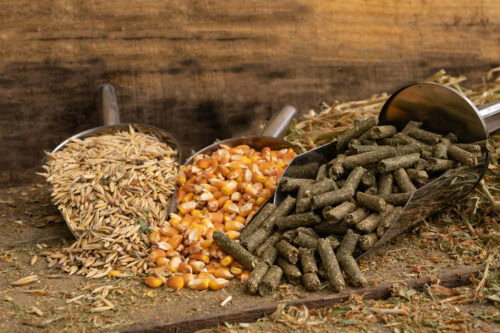
Nutrition cannot treat the underlying cause of a hot hoof, but a balanced diet is still important for maintaining healthy hoof growth over time. Hoof quality depends on the nutrients available to support keratin production, connective tissue integrity, and normal hoof horn formation.
Many hoof problems are linked to broader nutrient gaps or imbalances rather than a single missing ingredient. Key nutrients involved in hoof health include trace minerals such as copper and zinc, limiting amino acids such as lysine and methionine, biotin, and antioxidant nutrients. [10][11][12][13]
This is especially important for horses on forage-based diets or those receiving fortified feeds below the recommended feeding rate. These feeding programs can leave gaps in the vitamins, minerals, and amino acids needed to support a strong hoof horn. [14][15]
For horses with persistent poor hoof quality, slow growth, cracks, or weak hoof horn, the first step is usually to evaluate the overall diet balance rather than adding a single-purpose hoof supplement on top of an unbalanced ration.
A comprehensive vitamin and mineral balancer can help correct common dietary gaps that affect hoof quality. For most horses, Mad Barn’s Omneity® provides enough broad nutritional support for hoof health by supplying organic trace minerals, essential amino acids, biotin, and vitamin support without unnecessary sugar or fillers.
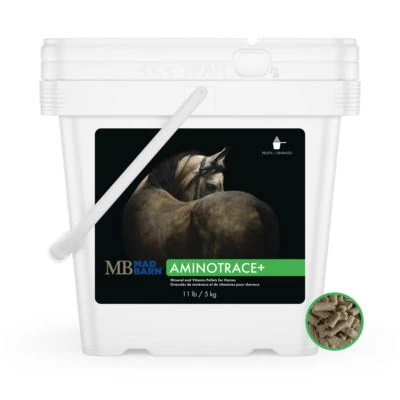
Some horses may need enhanced nutrition support for hoof health. AminoTrace+ may be a better fit for horses with metabolic concerns, a history of laminitis, high-iron forage, or more complex hoof issues. These horses often benefit from a more individualized nutrition plan based on forage analysis, health status, body condition, and veterinary or nutritionist guidance.
Nutrition support should be viewed as part of a complete hoof care program that also includes regular farrier care, appropriate footing, daily hoof inspection, and prompt veterinary assessment when heat occurs with lameness, pain, swelling, or a stronger-than-normal digital pulse.
Frequently Asked Questions
Here are some frequently asked questions about heat in a horse's hoof:
A horse's hoof may feel hot because increased blood flow or inflammation is raising the temperature of the tissues in or around the foot. Common causes include exercise, hot weather, direct sunlight, hoof abscesses, laminitis, sole bruises, penetrating wounds, cellulitis, fractures, and other hoof or lower limb injuries. Temporary warmth can be normal, especially when all four feet feel similarly warm. Persistent heat, sudden heat, or heat with lameness, swelling, pain, or a stronger-than-normal digital pulse may indicate an underlying problem.
A hot hoof is not always serious, especially if the horse has recently exercised, stood in warm weather, or been in direct sunlight. Hoof temperature naturally varies with blood flow, environment, and activity level. Concern increases when one hoof is much warmer than the others, the heat develops suddenly, or the horse is lame or reluctant to bear weight. A hot hoof should be assessed with the horse's other symptoms, not by temperature alone.
A horse's hoof heat may be abnormal if one foot is noticeably warmer than the others or if the warmth persists after rest. Other warning signs include lameness, a stronger-than-normal digital pulse, pain when the hoof is handled, swelling around the coronary band, pastern, or fetlock, shortened strides, or shifting weight away from the affected limb. Comparing all four hooves is often more useful than judging one hoof on its own. Persistent or unexplained heat should be evaluated by a veterinarian, especially when pain or lameness is present.
A hoof abscess can cause a hot hoof when bacteria become trapped inside the hoof and create pressure, inflammation, and pain. Horses with hoof abscesses often become suddenly and severely lame, and the affected foot may have a stronger-than-normal digital pulse. The pain often continues until the abscess drains or is treated appropriately. A suspected hoof abscess should not be drained without veterinary guidance.
Laminitis can cause hot hooves because it involves inflammation and damage to the tissues that attach the hoof wall to the coffin bone. Laminitis commonly affects both front feet and may cause warm hooves, a strong digital pulse, pain, reluctance to move, or a stance that shifts weight away from the painful feet. This condition can become serious quickly and requires prompt veterinary attention. Horses showing signs of acute laminitis should not be exercised.
Hot weather can make a horse's hooves feel warm, especially after standing in direct sunlight or moving over warm ground. This type of hoof warmth is more likely to be normal when all four feet feel similarly warm and the horse is comfortable. Owners should still check for lameness, swelling, wounds, or an unusually strong digital pulse. If the heat is localized to one hoof or does not improve with rest, another cause may be involved.
A horse with a hot hoof should not be exercised if the heat is persistent, affects one hoof more than the others, or occurs with lameness, pain, swelling, or a stronger-than-normal digital pulse. Exercise can worsen some hoof injuries, inflammatory conditions, and painful foot problems before the cause is known. The horse should be kept in a safe area with suitable footing while the foot is assessed. A veterinarian can help determine when controlled movement or rest is appropriate.
A veterinarian should be called for a hot hoof if the horse is lame, unable to bear weight, has a penetrating hoof injury, shows signs of laminitis, or has heat that does not resolve with rest. Veterinary attention is also important when the hoof heat develops suddenly or is accompanied by pain, swelling, a wound, or a stronger-than-normal digital pulse. Severe lameness, acute laminitis signs, and nail or sharp-object injuries should be treated as urgent. Early diagnosis helps reduce the risk of long-term hoof damage.
The cause of a hot hoof is diagnosed by combining the horse's history, physical examination, and targeted diagnostic tests. A veterinarian may compare hoof temperatures, assess lameness, check the digital pulse, use hoof testers, or perform nerve blocks to locate the source of pain. Imaging such as radiographs, ultrasound, infrared thermography, magnetic resonance imaging, or computed tomography may be used when deeper structures are suspected. The right diagnostic approach depends on the symptoms and severity of the problem.
Hot hoof problems cannot always be prevented, but good hoof care can reduce the risk of many common causes. Regular farrier care, daily hoof cleaning, safe footing, and prompt attention to cracks, wounds, foreign objects, or lameness all help protect hoof health. Appropriate nutrition and veterinary management are also important for horses at risk of laminitis or other hoof-related conditions. Persistent hoof heat should always be investigated rather than managed as a routine finding.
Supplements cannot fix a hot hoof if the heat is caused by an abscess, laminitis, injury, infection, or another active medical problem. A hot hoof with lameness, pain, swelling, or a stronger-than-normal digital pulse needs veterinary assessment to identify and treat the underlying cause. However, balanced nutrition is still important for supporting healthy hoof growth over time. Products such as Omneity® can help fill common diet gaps that affect hoof quality.
The best supplement for hoof health in horses is usually a comprehensive vitamin and mineral balancer rather than a single-ingredient hoof product. Hoof horn formation depends on multiple nutrients working together, including copper, zinc, amino acids, biotin, and antioxidant nutrients. For most horses, Omneity® provides broad nutritional support for hoof health with organic trace minerals, essential amino acids, biotin, and vitamins. Horses with metabolic concerns, a history of laminitis, high-iron forage, or more complex hoof issues may be better suited to AminoTrace+.
Biotin alone is not always enough to improve hoof quality in horses because weak hoof horn, cracks, and slow growth often involve broader diet gaps or imbalances. Hoof growth also depends on trace minerals such as copper and zinc, limiting amino acids such as lysine and methionine, and overall vitamin and antioxidant support. If the ration is not balanced, adding only biotin may not address the main nutritional limitation. A comprehensive balancer such as Omneity® is often a more complete first step.
Choosing between Omneity® and AminoTrace+ depends on your horse's overall health, forage, and hoof concerns. Omneity® is a good fit for most horses that need broad vitamin, mineral, amino acid, and biotin support in a balanced daily formula. AminoTrace+ may be a better choice for horses with metabolic concerns, a history of laminitis, high-iron forage, or more complex hoof quality issues. Horses with persistent hoof problems often benefit from forage analysis and an individualized nutrition plan.
Omneity® is a good choice for hoof health when a horse needs broad nutritional support from a balanced vitamin and mineral product. It supplies organic trace minerals, essential amino acids, biotin, and vitamin support without unnecessary sugar or fillers. This makes it useful for many horses on forage-based diets or fortified feeds that are fed below the recommended rate. Omneity® supports healthy hoof growth over time, but it does not replace veterinary care for a hot, painful, or lame hoof.
AminoTrace+ may be a better choice for hoof support when a horse has metabolic concerns, a history of laminitis, high-iron forage, or more complex hoof issues. These horses often need more individualized nutrition support than a basic hoof supplement can provide. AminoTrace+ is designed for horses that require targeted vitamin and mineral support within a broader metabolic management plan. For horses with previous laminitis or ongoing hoof concerns, nutrition should be coordinated with veterinary, farrier, and forage-analysis guidance.
Horses on forage-based diets may need nutritional support for hoof health if forage alone does not provide enough key vitamins, minerals, or amino acids. Many forage-based programs can be low or imbalanced in nutrients involved in hoof horn formation, especially when fortified feeds are fed below the recommended amount. The first step is usually to balance the overall diet rather than adding a narrow hoof supplement. Omneity® is designed to help fill common gaps in forage-based diets.
A hoof supplement cannot replace farrier or veterinary care for a horse with a hot hoof, lameness, pain, swelling, or a stronger-than-normal digital pulse. Nutrition supports healthy hoof growth over time, but it does not treat abscesses, penetrating injuries, laminitis, cellulitis, fractures, or other active hoof and lower limb problems. Products such as Omneity® and AminoTrace+ work best as part of a complete hoof care program. That program should also include regular trimming, appropriate footing, daily hoof inspection, and prompt veterinary assessment when warning signs appear.
Summary
A hot hoof in horses may be normal after exercise, hot weather, and sun exposure, or it can be a sign of an underlying condition.
- Persistent or sudden hoof heat can indicate inflammation, injury, infection, or laminitis
- Hoof heat should be assessed with other signs, including lameness, pain, swelling, and digital pulse
- Common causes include hoof abscesses, laminitis, sole bruises, penetrating wounds, cellulitis, and deeper injuries
- Veterinary care is needed if heat persists or occurs with lameness, strong digital pulse, wounds, swelling, or weight-bearing problems
- Regular hoof care, daily inspections, safe footing, nutrition, and prompt treatment help support healthy hooves
References
- Baxter. G. M. Ed. Adams and Stashak’s Lameness in Horses. Seventh edition. Wiley-Blackwell. 2020.
- Ross. M. W. and Dyson. S. J. Diagnosis and Management of Lameness in the Horse. 2nd ed. Elsevier Saunders. 2011.
- Floyd. A. E. and Mansmann. R. A. Equine Podiatry. Saunders Elsevier, Mo. 2007.
- Turner. T. A. Diagnostic Thermography. The Veterinary Clinics of North America. Equine Practice. 2001. View Summary
- Kim. S.-M. and Cho. G.-J. Evaluation of Heat Distribution for the Diagnosis of the Hoof with Abscess by Infrared Thermography in Horses. The Open Agriculture Journal. 2021.
- Adams. O. R. Lameness in Horses. Lea and Febiger. 1974.
- Reed. S. M. et al. Equine Internal Medicine. 4th ed. Elsevier. 2018.
- Auer. J. A. et al. Equine Surgery. Fifth edition. Elsevier. 2019.
- Van Eps. A. W. and Pollitt. C. C. Equine Laminitis: Cryotherapy Reduces the Severity of the Acute Lesion. Equine Veterinary Journal. 2004. View Summary
- Noormohammady. Z. et al. EFFECT OF ZINC ON INTEGRITY OF HORSE HOOF. Agricultural & Veterinary Sciences. 2018.
- Humann-Ziehank. E. Selenium, Copper and Iron in Veterinary Medicine—From Clinical Implications to Scientific Models. Journal of Trace Elements in Medicine and Biology. 2016.
- Solomons. N. W. Competitive Interaction of Iron and Zinc in the Diet: Consequences for Human Nutrition. The Journal of Nutrition. 1986.
- Nutrient Requirements of Horses: Sixth Revised Edition. National Academies Press, Washington, D.C. 2007. View Summary
- Hintz. H. F. and Kallfelz. F. A. Some Nutritional Problems of Horses. Equine Veterinary Journal. 1981. View Summary
- Cunha. T. J. Horse Feeding and Nutrition. Academic Press. 2012.