Adequate mineral intake in your horse’s diet is essential for overall well-being and function. Minerals play important roles in supporting tissue structure, enzyme reactions, energy metabolism, and maintaining electrolyte balance. Mineral deficiencies can contribute to poor hoof and coat quality,...
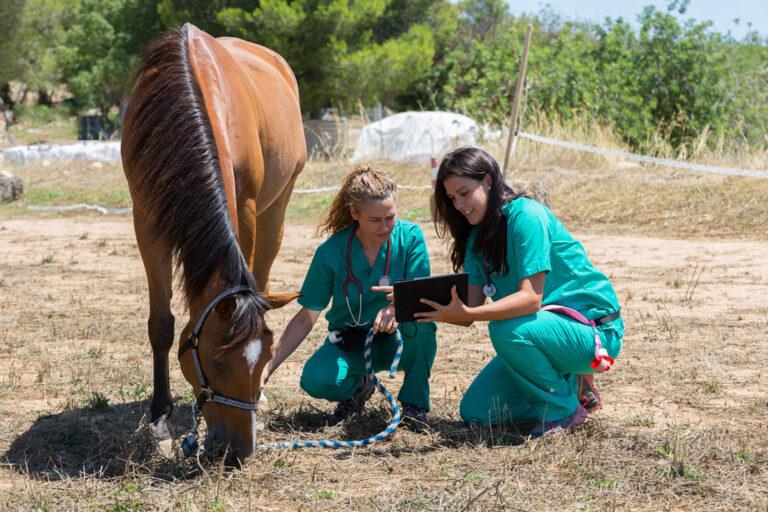
Diarrhea is a common problem in horses as it can be a result of many different causes. It is typically a sign of of disrupted function or motility of the hindgut, including dysbiosis or infection. Diarrhea is defined as the...
Maintaining your horse's digestive health is integral to maintaining their overall health. Digestive issues such as colic, ulcers, and hindgut acidosis are some of the most commonly diagnosed health conditions in horses. Learn about research-backed digestive health supplements that can...
What’s the difference between squamous ulcers and glandular ulcers in horses? Different types of stomach ulcers in horses are commonly described as the general diagnosis of Equine Gastric Ulcer Syndrome (EGUS). However, new research suggests it is better to refer...
Nutrition and feeding play an integral role in the prevention of equine ulcers. Ulcer-prone horses can benefit greatly from a feeding program that supports gut health and supports the horse's natural defences against ulcers. Equine ulcers are painful sores or...
Omeprazole is an FDA-approved drug that is sold under the tradenames GastroGard and UlcerGard. Omeprazole is used to prevent or treat equine gastric ulcer syndrome (EGUS). Gastric ulceration is a painful condition with an extremely high prevalence in horses. Up...
Antacid supplements are some of the most popular options for equine gastric ulcer treatment and prevention – but could they be causing more harm than good? Antacids, such as magnesium hydroxide, are chemical compounds that neutralize stomach acid to temporarily...
What can you do to prevent ulcers from developing in your horse? Equine ulcers are all too common, with studies showing that up to 90% of horses will be affected by ulcers in their lifetime. Stomach ulcers, also known as...
Equine supplements targeted towards ulcer prevention are on the rise, but not all products are created equal. Dietary management for horses with ulcers can include increasing forage and decreasing grain, as well as providing supplements that support a healthy digestive...
Whether a foal, a broodmare, or a mature or aging horse, supporting joint health is a common concern for many horse owners. Being proactive can help to prevent joint problems from affecting your horse, robbing them of performance, comfort and...
Supplements targeting joint health are some of the most sought-after dietary supplements for horses, especially due to the high prevalence of joint injuries and deterioration later in life. But which equine joint supplements actually work and which are all hype?...