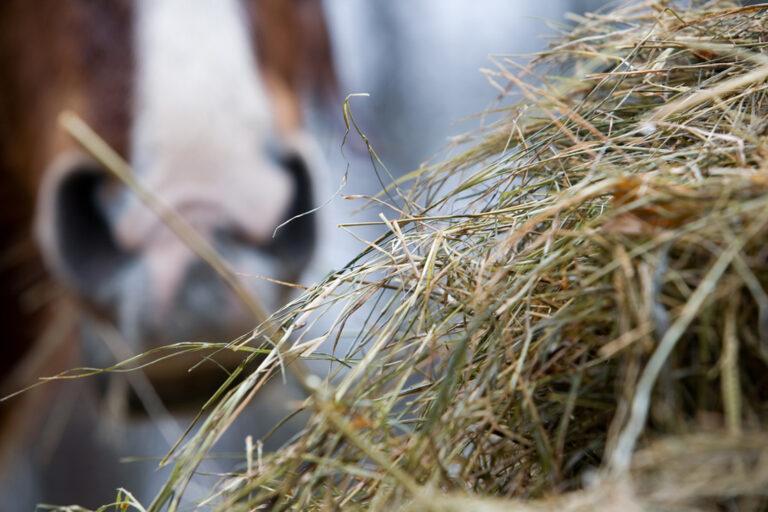
What are the advantages of steaming or soaking hay before you feed it to your horse? There are pros and cons for each method of preparing hay. Both steaming and soaking are beneficial for reducing dust in hay.
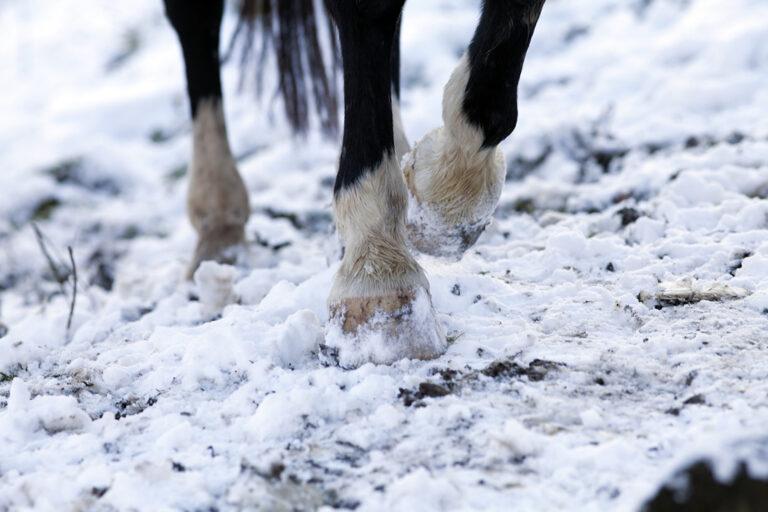
Winter laminitis is a circulatory condition that causes sore hooves in horses exposed to cold temperatures. Horses affected by winter laminitis have impaired circulation within their hooves, leading to pain and inflammation in the laminae.
Equine metabolic syndrome (EMS) is a condition that affects how horses metabolize sugars from the diet and use them for energy. It involves an inability to properly respond to the hormone insulin, similar to Type 2 diabetes in humans.
Pituitary Pars Intermedia Dysfunction (PPID) is an endocrine-related disease that commonly affects older horses of all breeds. Twenty percent of senior horses, ponies, and donkeys are believed to have PPID. The condition results in an overproduction of pituitary hormones, causing...
A healthy equine gastrointestinal microbiome contains a diverse range of beneficial microbes that support digestion, immune function and nutrient synthesis. Because horses are hindgut fermenters, a healthy microbiome is essential for overall wellness. Dysbiosis is defined as a microbial population...
Keeping horses barefoot is gaining in popularity because of the benefits in hoof health and movement it can provide some horses. Barefoot hoof trimming is designed to maximize the biomechanical efficiency of hoof function. It is favoured among horse owners...
Equine hoof problems are a major source of concern for horse owners. Hoof issues can lead to lameness and unsoundness, causing discomfort for the horse and potentially leading to early retirement. In one study, 85% of horses were observed to...
Painful hoof abscesses in horses develop when bacterial and fungal organisms enter the hoof structure through a wound or opening and cause infection in the inner tissues. The invading microorganisms and the ensuing immune response generate purulent exudate (pus) which...
Founder is a common cause of lameness in horses. It involves damage to the laminar connection between the hoof wall and the coffin bone. This often leads to rotation and/or sinking of the coffin bone which causes severe pain and...
Podotrochlear Syndrome (also referred to as navicular syndrome or navicular disease) affects the podotrochlear apparatus (PTA) of the equine foot and typically occurs in the forelimbs. The condition can cause a variable degree of lameness. There is no single cause...
Potomac Horse Fever (PHF) is a bacterial disease that can result in severe colic, diarrhea, inflammation, depression and laminitis. In serious cases, it can be fatal to the horse. PHF is caused by infection with Neorickettsia risticii and typically affects...
Equine odontoclastic tooth resorption and hypercementosis (EOTRH) is a progressive and painful dental condition that occurs in some horses. Primarily affecting senior horses, it typically involves the gradual degeneration of the incisors and canine teeth. Over time, the roots of...