Proper vitamin and mineral nutrition is critical to maintaining your horse's health and well-being. But how do you ensure that your horse gets everything they need to balance their diet? Horses on a forage-only diet universally have deficiencies in key...
Whether you are a horse owner, handler or the manager of an equine facility, biosecurity plays an important role in keeping horses under your care safe and healthy. Horses can be affected by many different transmissible diseases, including equine infectious...
Hay dunking describes an abnormal equine feeding behaviour in which horses dunk their hay in water before chewing and swallowing it. This can be a messy habit and many horse owners want to know why it happens and how to...
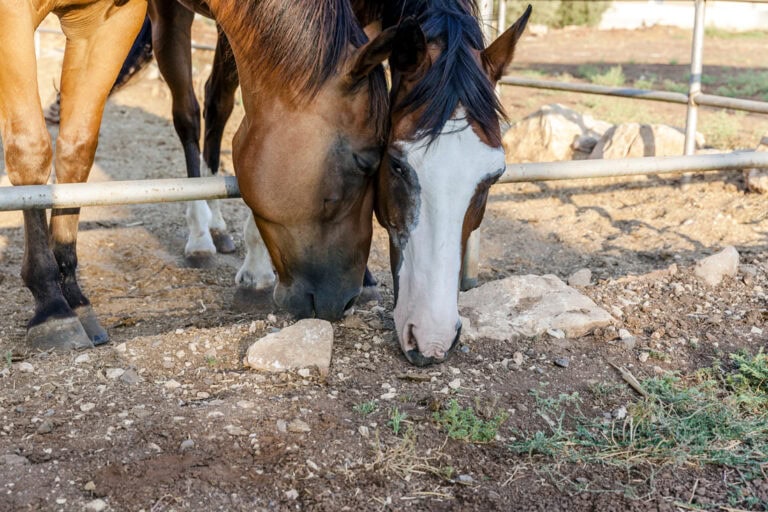
Has your horse started eating or licking the soil? The ingestion of soil in animals is referred to as geophagia. The reason some horses eat dirt is not fully understood. But the behavior is thought to serve a nutritional purpose...
Ranitidine (Zantac) is a medication used to reduce stomach acidity temporarily. It is commonly used in humans and animals to treat peptic ulcers and heartburn. In horses, this drug is used to alleviate gastric ulcers. Ranitidine is an H2 blocker...
Have you noticed changes in your horse's appetite and eating behavior? Perhaps your horse has gone off their feed or is no longer interested in eating as much forage as usual. Or maybe your horse's appetite has increased, and they...

Nutritional myodegeneration (NMD), more commonly known as white muscle disease, is a disorder that affects various animals, including horses. In equids, the condition primarily occurs in newborn foals, although adult horses can also develop it. The condition results in degeneration...
Equine Infectious Anemia (EIA) is an infectious disease that affects horses and other equids, such as donkeys and mules. The disease is caused by an RNA virus transmitted by blood-sucking insects. Many affected horses show no clinical signs and are...
Is your horse showing signs of girthiness? Also known as girth aversion or cinch sensitivity, horses that are girthy express signs of discomfort when they are being saddled. A girthy horse may respond to having a girth tightened by expressing...
Developmental orthopedic diseases (DODs) refer to a range of non-infectious conditions that affect the musculoskeletal system of growing horses. These conditions arise from an interruption in the normal development of cartilage, bone, or soft tissue (joint capsule, tendon, or ligament)....
Unexplained weight loss in your horse is a cause for concern for any horse owner but is often straightforward to diagnose and address. If your horse is losing body condition, it could indicate an undiagnosed health problem or it may...
Foal heat diarrhea is a condition involving transient diarrhea in young foals, lasting for a few days up to two weeks. Foals with heat diarrhea do not have any systemic illness. While it is not known exactly what causes foal...
Equine Coronavirus (ECoV) is a highly contagious illness transmitted between horses that can cause fever, anorexia, diarrhea, and colic. Most horses recover from equine coronavirus with supportive care. In serious cases, affected horses may require specific treatments such as electrolytes,...
Thumps in horses is a condition that produces irregular contractions of the diaphragm, resulting in a thumping noise similar to a human hiccup. Scientifically referred to as Synchronous Diaphragmatic Flutter (SDF), thumps causes the diaphragm to spasm in the same...
Your horse’s coat quality and color reflect his or her inner health. Coat color is primarily determined by genetics, although diet and care can also significantly impact coloration.
Insulin resistance (IR) in horses describes a condition in which the body fails to properly respond to the hormone insulin. Impaired insulin response is the main feature of Equine Metabolic Syndrome (EMS). Horses with EMS do not metabolize sugars properly...
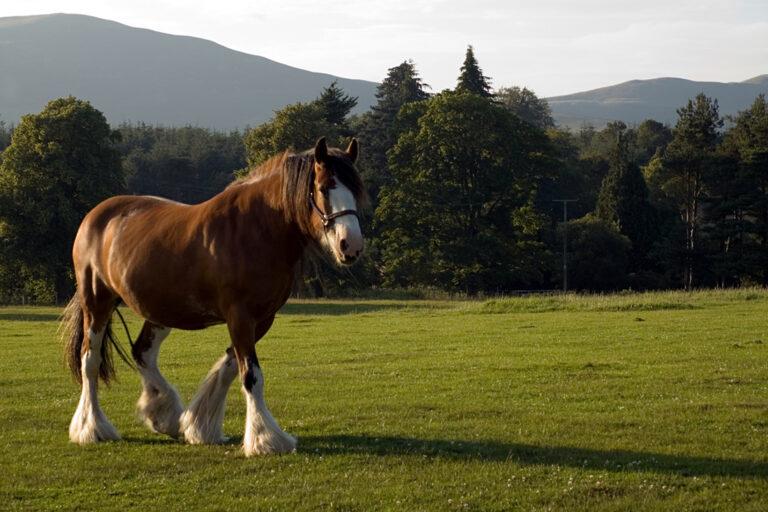
Chronic Progressive Lymphedema (CPL) is a condition that describes impaired lymph flow in the lower legs. Primarily observed in draft horse breeds, CPL causes swelling and skin inflammation on affected legs. Horses with the condition are also at risk of...
Thrush describes an infection that develops in the frog of one or more of the horse's hooves, caused by a fungal or bacterial pathogen. Fusobacterium necrophorum is the bacterium most often associated with thrush infections. Hooves with frogs that have...
Equine Motor Neuron Disease (EMND) is a disease that causes progressive damage to nerve cells in the brain and spinal cord of adult horses. The disease damages cells that are involved with muscle movement, rendering them dysfunctional and leading to...
Equine anemia is a condition that significantly impacts the health and performance of horses. It is a reduced number of red blood cells in circulation. Horses with anemia typically experience low energy levels, elevated heart rate, poor coat quality, depression...
A medical condition necessitating urgent attention, equine choke refers to obstruction of the esophagus. The condition most frequently occurs due to rapid feed consumption and the subsequent lodging of feed or other matter in the esophagus.
Equine anhidrosis is a performance-limiting condition that refers to the reduced ability to sweat in horses. The condition most frequently affects horses living in hot and humid climates. Anhidrosis occurs because the sweat glands fail to function normally when body...
Rain scald is a relatively common skin infection caused by the bacteria Dermatophilus congolensis. The infection often affects the skin on the back and rump of horses. Rain scald can develop when skin is exposed to excessive moisture which weakens...
Laminitis is a common but serious condition that involves separation of the laminae, which connect the coffin bone to the horse's hoof wall. A bout of laminitis can cause mild to severe pain in affected horses and result in lasting...
Acute laminitis refers to the first few days of a laminitis episode during which clinical signs are observed. Laminitis is a painful condition that causes damage to the hoof laminae, which anchor the coffin bone to the hoof wall.
Pasture-associated laminitis (PAL) is a form of insulin-induced laminitis that can occur after horses have grazed on grasses and legumes that are high in hydrolyzable carbohydrates (HC). This condition causes pain and stretching and weakening of the laminae of the...
If your horse is showing signs of acute laminitis, they require emergency veterinary attention and prompt treatment. Laminitis affects the soft structures of the equine hoof, known as the laminae, and can cause significant pain and lameness.
One in ten horses is affected by laminitis each year. This painful condition involves inflammation of the hoof laminae, leading to varying degrees of lameness. Although laminitis affects the hooves, the condition is often initiated by dietary and metabolic factors.
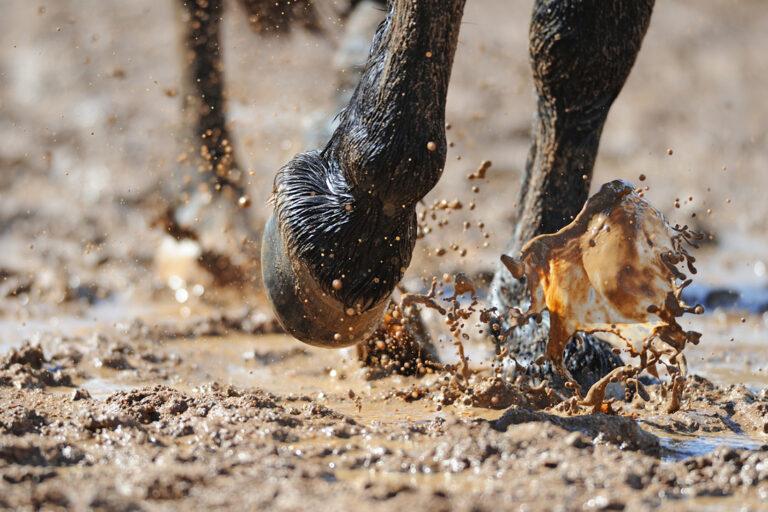
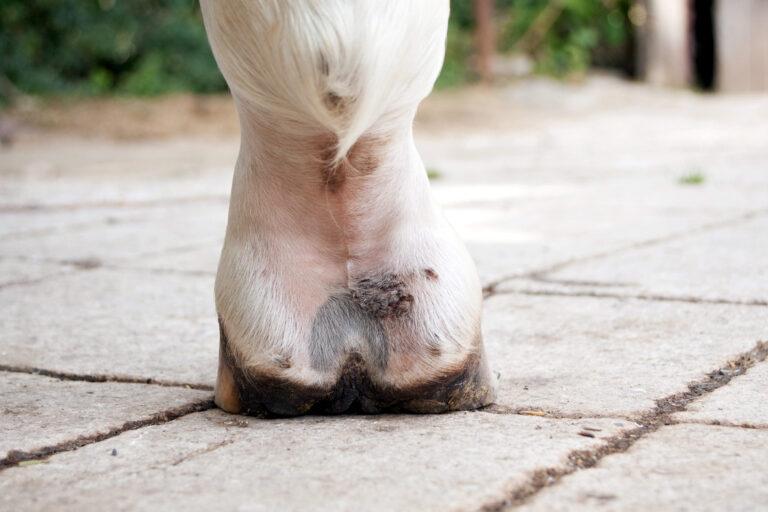
Equine pastern dermatitis - also known as mud fever or greasy heel - is a reaction or infection that occurs on the skin of the pastern. In mild forms, it is characterized by itchiness, redness and hair loss on the...
To blanket or not to blanket? In the colder winter weather, that is the question facing many horse owners. Like blankets, there is no one-size-fits-all solution. Whether you should blanket your horse depends on the individual horse and management situation....