English
Equine anemia is a condition that can significantly impact the health and performance of horses. It is defined as a reduced number of red blood cells in circulation.
Horses with anemia typically experience low energy levels, elevated heart rate, poor coat quality, depression and loss of appetite.
Red blood cells are responsible for transporting oxygen throughout the body. Without enough of these cells circulating, the heart must work harder to oxygenate tissues and the tissues are at risk of hypoxia, or decreased oxygenation.
Anemia can be a sign of an underlying nutritional deficiency, health condition, or disease process. There are three main reasons the red blood cell count may be low – blood loss from wounds or ulcers, insufficient production of red blood cells in the bone marrow, or the destruction of red blood cells.
This condition can also be caused by an infection, such as the equine infectious anemia virus, babesiosis or trypanosomiasis.
Blood tests including packed cell volume (PCV), red blood cell (RBC) count, and hemoglobin concentration are useful for determining if a horse has anemia. Other diagnostic tests may help to determine the cause of anemia and the treatment required.
What is Equine Anemia?
Equine anemia refers to a reduction in the number of red blood cells (erythrocytes) in the body due to blood loss, blood cell destruction, or decreased red blood cell production.
The primary role of red blood cells is to facilitate the transfer of oxygen from the lungs to the rest of the body. These cells also carry carbon dioxide away from the tissues to the lungs where it can be exhaled.
Red blood cells contain hemoglobin, a protein that binds to and transports oxygen from the lungs to the rest of the body.
Maintaining an appropriate level of red blood cells is critical for supporting metabolic functions, including energy production. When the level of red blood cells falls below normal, the body is unable to produce energy as efficiently.
Anemia is particularly problematic for horses in heavy work or training. A deficit of oxygen to the muscles impedes physical capacity, stamina, and the ability to recover from activity.
Hemoglobin and Iron
The trace mineral iron is required to form hemoglobin in red blood cells.
Approximately 60% of the iron in the horse’s body is found in hemoglobin and another 20% is found in myoglobin – a protein that stores oxygen in muscle tissue.
In humans, anemia can often result from iron deficiency in the diet. However, most horses receive adequate iron in their diets and deficiency is not a common cause of anemia.
Red Blood Cell Production
Red blood cells are made in bone marrow – the porous, spongy tissue in the center of bones. Erythropoietin, a hormone produced by the kidneys, controls the rate at which red blood cells are produced.
Levels of erythropoietin increase when blood oxygen levels are low and influence the rate at which red blood cells are produced and released into circulation. Anemia can occur due to kidney failure if erythropoietin production is compromised. [23]
Horses store approximately 50 percent of their red blood cells in their spleen. [1] The spleen releases red blood cells during intense exercise and during the flight response to effectively increase the level of oxygen in the blood. [2]
Types of Anemia
Anemia in horses can be classified as either regenerative or non-regenerative. [16]
Regenerative anemia: The bone marrow responds to a deficit of red blood cells by increasing the production of these cells. Anemia caused by blood loss or the destruction of red blood cells is typically regenerative.
This process results in reticulocytosis, which is defined as increased levels of reticulocytes (immature red blood cells) in the blood. Reticulocytosis indicates that the body is compensating for the drop in red blood cell levels by releasing new blood cells before they have fully matured.
However, horses very rarely release reticulocytes into circulation. This makes it challenging for veterinarians to classify the anemia as either regenerative or nonregenerative.
Nonregenerative anemia: The bone marrow fails to respond to an increased need for red blood cells and is not producing an adequate amount of these cells to sufficiently oxygenate tissue.
What's your top priority with your horse's health?

What's your top priority with your horse's health?
Causes of Anemia in Horses
Equine anemia always occurs due to an underlying health problem. It is critical to understand what is causing anemia in your horse to successfully treat this condition.
The underlying causes of this condition can be divided into three categories:
1. Hemorrhage
Blood loss due to any type of internal or external bleeding increases the risk for anemia because it results in a loss of red blood cells and plasma circulating in the bloodstream.
Although blood plasma is replaced quickly, it takes time for the body to produce new red blood cells in the bone marrow. If large volumes of blood are lost, it can take a month or more to fully replace the lost blood cells.
Causes of blood loss in horses include:
- Traumatic injury or wounds
- Ruptured blood vessels, such as uterine artery rupture
- Exercise-induced pulmonary hemorrhage that is severe or prolonged
- Perforated ulcers
- Gastric and colonic ulceration
- Parasites
- Chronic inflammatory disease
- Coagulation or platelet disorders
- Surgery, such as castration
2. Hemolysis
Anemia caused by blood cell destruction is referred to as hemolytic anemia or hemolysis.
When hemolytic anemia occurs, red blood cells are destroyed faster than they can be produced. Causes of hemolytic anemia include:
- Immune-Mediated Adverse Reactions: Involves an immune response to a substance or pathogen that is foreign to the body.
- Autoimmune Disease: The immune system attacks the body instead of protecting it. [3]
- Liver Disease: Inflammation and infection in this organ, impairing normal liver function.
- Toxin Exposure: Ingestion of poisonous plants or other toxic substances. [4][5]
- Infectious Agents: certain bacteria[6], viruses, and blood parasites can inflict direct damage to red blood cells.
Conditions associated with hemolytic anemia include the following:
- Septicemia: Occurs when the body’s response to infection causes damage to tissues.
- Systemic lupus erythematosus (SLE): An auto-immune disease. [7]
- Equine Infectious Anemia (EIA): Also known as swamp fever, this is a viral illness that affects the immune system. [8]
- Neonatal Isoerythrolysis (NI): An immune-mediated disease that occurs in foals. [9]
3. Reduced Production of Red Blood Cells
Anemia can also be caused by a decrease in the production of red blood cells.
- Inflammation and Infection: Infections and ensuing inflammation can promote anemia by increasing iron transfer into immune cells such as macrophages instead of using iron for making red blood cells. [18] Conditions such as Rhodococcus equi infection in foals could cause anemia. [19]
- Endocrine conditions: Equine metabolic syndrome (insulin resistance) [20] and PPID [17] are associated with inflammation in the body, which can contribute to anemia.
- Nutritional deficiencies: Insufficient levels of vitamin B12, iron, cobalt, folic acid, and riboflavin interfere with red blood cell production.
- Disease: Conditions including bone marrow disease (aplastic anemia), cancer [10], and kidney disease or failure can cause a decrease in red blood cell production.
- Aging: A combination of less exercise, lower regenerative capacity of bone marrow and presence of chronic diseases may reduce the number of red blood cells produced in senior horses. [21]
Anemia caused by chronic disease, such as PPID and chronic kidney disease, usually results in mild to moderate reductions in red blood cells. It is the most common form of anemia seen in animals. [17]
Signs of Anemia
Common signs of anemia include: [17]
- Lethargy
- Poor performance
- Low stamina
- Loss of appetite
- Poor coat condition
- Pale mucous membranes of the eyes, nostrils, and gums
- Increased heart rate
- Depression
- Weight loss
- Abnormal urine color if kidney function is impaired
Diagnosis
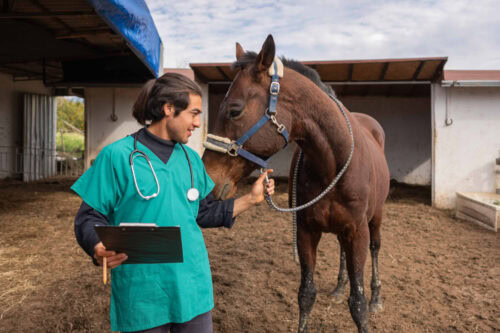
A veterinarian can provide a diagnosis of anemia based on an assessment of clinical signs in combination with diagnostic testing. The following blood components are typically measured as part of a standard Complete Blood Count (CBC) blood test and used to diagnose anemia.
Packed Cell Volume: Packed Cell Volume (PCV) is used to determine the % of cells in blood. To obtain a PCV measurement, a blood sample is collected and spun and the separation of cells from plasma is analyzed. The majority of PCV is red blood cells so this is used as a simple, inexpensive measure of hematocrit in blood.
Horses with a normal red blood cell level have a hematocrit measurement of between 31%-50%. [11]
Low-grade anemia can have a significant impact on the performance ability of affected horses. However, the PCV measurement that indicates true anemia varies between horses.
Red Blood Cell Count: The red blood cell count (RBC) is a measurement of the number of circulating red blood cells in a specific volume of blood.
A normal RBC measurement in horses ranges between 6.2–10.2 millions of cells per microliter (or 106 cells/µL.) [11]
Hemoglobin Concentration: A measurement of hemoglobin level may be taken when anemia due to red blood cell destruction is suspected. A protein within red blood cells, hemoglobin facilitates the transport of oxygen throughout the body.
The normal range for hemoglobin concentration in equine red blood cells is 11.4-17.3 g/dl (or grams/deciliter). [11]
Interpretation of Blood Test Results: Horses with test results that are outside the normal ranges stated above may not necessarily be affected by anemia.
Your veterinarian will consider blood test results in conjunction with a clinical examination and history to determine if your horse has anemia.

Additional Diagnostic Testing
In addition to a CBC test, other tests may be necessary to determine the underlying cause of equine anemia.
If your veterinarian suspects your horse may have EIA, a Coggins blood test will be administered. This screens for the lentivirus that causes EIA.
A bone marrow aspirate may be completed to determine if the bone marrow is producing an adequate amount of red blood cells.
A urine sample assessment can help to determine if kidney disease is causing anemia.
The Serum Amyloid A (SAA) test can aid in diagnosing anemia because it monitors levels of Serum Amyloid A, a protein produced by the liver in response to inflammation and infection.
The level of fibrinogen in the body is measured through a blood test. Elevated fibrinogen normally indicates a recent infection or high levels of inflammation.
Treating Anemia in Horses
The appropriate treatment protocol for anemia depends on the underlying cause of the condition. Once the underlying disease is treated and resolved, red blood cell levels will typically return to normal without additional intervention.
In mammals, including horses and humans, red blood cell replenishment typically takes four to six weeks. [22]
Common strategies used to treat anemia include the following.
Stop Blood Loss
If anemia is due to acute or chronic blood loss occurring either internally or externally, the cause of the hemorrhaging must be identified and stopped. If the affected horse has lost a significant amount of blood, a blood transfusion may be administered. [12]
The average-sized horse has approximately 40 litres of blood in their body and can lose up to a quarter of this volume without experiencing signs of hypovolemic shock.
Correct Nutrient Deficiencies
Horses with mineral and vitamin deficiencies require adequate nutrition and can benefit from dietary supplements to ensure their nutrient needs are met.
Vitamin B12, also known as cobalamin, is a water-soluble vitamin involved in energy metabolism and red blood cell formation. It must be synthesized during hindgut fermentation and requires the mineral cobalt.
Although B12 deficiency is rare, providing supplemental vitamin B12 may benefit horses that are unable to synthesize an adequate amount of this nutrient.
Other nutrients such as cobalt, folic acid, and riboflavin are required for the production of red blood cells.
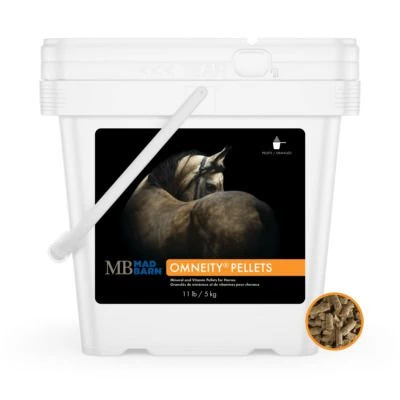
A balanced vitamin and mineral supplement will cover all of your horse’s core nutrient requirements and prevent common deficiencies. Mad Barn’s Omneity® is a comprehensive vitamin and mineral designed to balance to the majority of equine diets.
Iron deficiency causes a form of anemia called microcytic hypochromic anemia, but this is not common in horses. Low iron levels are typically a result of blood loss rather than insufficient dietary intake.
In our recent analysis of 6,515 equine feeding programs, 99.5% of diets were above the requirement for iron.
Treat Medical Conditions
Infections: Horses with bacterial infections often require prescribed antibiotics. Once the infection is reduced or eliminated, normal red blood cell production will likely resume.
Horses with equine infectious anemia (EIA) are infected for life as there is no cure for the virus that causes the condition. [13]
Parasitic infections require treatment with anthelmintic drugs.
Cancer: Horses diagnosed with cancer may require surgery or chemotherapy.
Kidney Disease: Intravenous fluids, dietary changes, and access to water are common supportive treatments. In some cases, medications and supplements are used to treat kidney disease.
Bone Marrow Disease: Treatment for bone marrow disease may require immunosuppressive therapy with the use of drugs.
Endocrine disease: Treat PPID with medication (Pergolide). Treat insulin resistance with dietary changes and if required, medication.
Avoid Exposure to Toxins
Prevent exposure to toxins and drugs that can cause anemia, such as red maple and garlic. Additionally, some animals exhibit a sensitivity to drugs like penicillin, trimethoprim sulfa, and DMSO.
Limit Activity
Horses recovering from anemia may benefit from restricted exercise and rest as their red blood cell counts normalize after the cause of the condition has been identified and treated.
Prevention
Optimizing your horse’s health through good nutrition helps to prevent illness and deficiencies that can cause anemia.
In addition to protein and calories, ensure that your horse’s diet provides adequate levels of the following nutrients:
- Vitamin E, Zinc, and Copper: Promote antioxidant defense against pathogens and disease [14][15]
- B complex vitamins: Needed for red blood cell production
- Selenium: Incorporated into red blood cells
- Cobalt: Required within the horse’s hindgut to synthesize Vitamin B12 needed for red blood cell production
Horses that have chronic anemia should undergo regular blood testing to ensure that their red blood cell level remains within a normal range.
Frequently Asked Questions
Here are some frequently asked questions about equine anemia:
Equine anemia is a condition involving a lower-than-normal number of red blood cells in circulation. Red blood cells carry oxygen throughout the body, so reduced levels can affect energy production, stamina, heart function, and recovery from exercise. Anemia may develop from blood loss, destruction of red blood cells, reduced blood cell production, infections, nutritional deficiencies, or chronic disease processes affecting overall health.
Signs of anemia in horses commonly include lethargy, poor performance, low stamina, pale gums, weight loss, and a dull coat. Some horses also develop depression, loss of appetite, or an elevated heart rate as the body works harder to deliver oxygen to tissues. Mild anemia may be difficult to notice at first, especially in horses that are not in regular work or training.
Anemia affects equine performance by reducing oxygen delivery to muscles during exercise and recovery. Horses with low red blood cell counts may tire faster, struggle with stamina, or appear less willing to work under saddle. Even mild anemia can reduce athletic capacity because muscles rely on oxygen to produce energy efficiently during training, competition, and daily movement.
Anemia in horses develops from blood loss, destruction of red blood cells, or reduced production of new blood cells in bone marrow. Common causes include ulcers, wounds, parasites, infections, chronic inflammation, kidney disease, toxin exposure, and immune-related disorders. Some horses also develop anemia from endocrine conditions such as PPID or insulin resistance that contribute to ongoing inflammation within the body.
Iron deficiency can cause anemia in horses, but it is much less common than in humans. Most equine diets already provide more than enough iron through forage, feed, and water sources. Low iron levels are more often linked to chronic blood loss rather than poor dietary intake. Horses with anemia usually require investigation into underlying disease, bleeding, or inflammatory conditions instead of extra iron alone.
Ulcers can cause anemia in horses when chronic bleeding develops within the digestive tract over time. Gastric ulcers and colonic ulcers may lead to gradual blood loss that lowers red blood cell levels and reduces oxygen delivery throughout the body. Horses with ulcer-related anemia may also show poor appetite, weight loss, low energy, or reduced performance alongside signs of digestive discomfort.
Equine infectious anemia causes a lifelong viral infection because there is currently no cure for the virus responsible for the disease. Horses infected with EIA remain carriers for life and can spread infection through blood transmission involving biting insects or contaminated equipment. Diagnosis typically involves a Coggins blood test, which screens horses for antibodies associated with the virus.
Veterinarians diagnose anemia in horses using blood tests that measure packed cell volume, red blood cell count, and hemoglobin concentration. These values help determine whether red blood cell levels fall outside normal ranges. Additional testing may include urine analysis, bone marrow evaluation, inflammatory markers, or infectious disease screening to identify the underlying cause contributing to anemia.
Normal packed cell volume in horses generally ranges from 31% to 50%, although interpretation depends on the individual horse and overall clinical picture. Packed cell volume measures the percentage of blood made up of cells, primarily red blood cells. Horses with values below normal ranges may have anemia, especially when low readings occur alongside fatigue, pale gums, or poor athletic performance.
Recovery from anemia in horses often takes four to six weeks once the underlying cause has been identified and treated successfully. Red blood cell production occurs gradually, so energy levels and stamina may improve slowly during recovery. Horses recovering from anemia may benefit from reduced exercise and careful monitoring while blood values return toward normal ranges.
Nutrition supports horses with anemia by providing nutrients needed for red blood cell production and overall health. Vitamin B12, cobalt, folic acid, riboflavin, selenium, copper, zinc, and high-quality protein all contribute to normal blood formation and immune function. Horses recovering from illness or chronic disease may also require balanced forage and vitamin-mineral supplementation to restore nutritional balance during recovery.
Kidney disease can cause anemia in horses because the kidneys produce erythropoietin, a hormone that controls red blood cell production. Reduced kidney function may lower erythropoietin levels and decrease the release of new blood cells from bone marrow. Horses with kidney-related anemia may also develop abnormal urine changes, weight loss, depression, and reduced appetite alongside low energy levels.
Summary
- Anemia can have a significant impact on the health and performance of affected horses.
- Equine anemia is always caused by an underlying nutrient deficiency, health issue, or disease.
- Anemia occurs due to blood loss, destruction of red blood cells, or a reduction in the production of red blood cells.
- A wide range of health conditions can contribute to anemia.
- When the underlying cause of anemia is corrected, red blood cells level returns to normal.
If your horse has been diagnosed with anemia, consult with an equine nutritionist to develop a feeding plan to support recovery. You can submit your horse's information online for a free diet evaluation.
References
- Stewart IB, et al. The human spleen during physiological stress. Sports Med. 2002.
- Sloet van Oldruitenborgh-Oosterbaan, MM. et al. The workload of riding-school horses during jumping. Equine Vet J Suppl. 2006.
- Mair TS. Et al. Autoimmune haemolytic anaemia in eight horses. Vet Rec. 1990. View Summary
- Divers, TJ. Et al. Hemolytic anemia in horses after the ingestion of red maple leaves. J Am Vet Med Assoc. 1982. View Summary
- Aleman M. et al. Ulcerative cystitis associated with phenylbutazone administration in two horses. J Am Vet Med Assoc. 2011. View Summary
- Weiss, DJ. Et al. Equine immune-mediated hemolytic anemia associated with Clostridium perfringens infection. Vet Clin Pathol. 2003. View Summary
- Geor, RJ. Et al. Systemic lupus erythematosus in a filly. J Am Vet Med Assoc. 1990. View Summary
- Sellon, DC. Equine infectious anemia. Vet Clin North Am Equine Pract. 1993. View Summary
- Kähn, W. et al. Neonatale Isoerythrolyse bei neugeborenen Fohlen [Neonatal isoerythrolysis in newborn foals]. Tierarztl Prax. 1991. View Summary
- Kirchhof N. et al. Equine adenocarcinomas of the large intestine with osseous metaplasia. J Comp Pathol. 1996. View Summary
- Practical Guide to Equine Colic, First Edition. Appendix C. Normal Ranges for Hematology and Palsma Chemistry and Conversion Table for Units. John Wiley & Sons, Inc. 2013.
- Radcliffe RM. Et al. Collection and administration of blood products in horses: Transfusion indications, materials, methods, complications, donor selection, and blood testing. J Vet Emerg Crit Care. 2022. View Summary
- Cheevers, WP. Et al. Equine infectious anemia virus: immunopathogenesis and persistence. Rev Infect Dis. 1985. View Summary
- Fagan, MM et al. Form of Vitamin E Supplementation Affects Oxidative and Inflammatory Response in Exercising Horses. J Equine Vet Med. 2020. View Summary
- Marreiro, DN et al. Zinc and Oxidative Stress: Current Mechanisms. Antioxidants. 2017.
- Harvey, J.W. Disorders of Bone Marrow. Veterinary Hematology. 2012.
- Marks, S.L. Anemia in Horses. Merck Veterinary Manual. 2020.
- Nemeth, E. and Ganz, T.Anemia of Inflammation. Hematol Oncol Clin North Am. 2015.
- Johns, I.C. et al. Presumed immune-mediated hemolytic anemia in two foals with Rhodococcus equi infection. J Vet Emerg Crit Care. 2011. View Summary
- Frank, N. et al. Equine Metabolic Syndrome. ACVIM Consensus Statement. 2010.View Summary
- Satue, K. et al. AGE-related differences in the hematological profile of Andalusian broodmares of Carthusian strain. Veterinarni Medicina. 2009.
- Shrestha, R.P. et al. Models for the red blood cell lifespan. J Pharmacokinet Pharmacodyn. 2016.
- Humphries, J.E. Anemia of renal failure. Use of erythropoietin. Med Clin North Am. 1992.