English
GastroGard® is a prescription omeprazole oral paste used in horses for the treatment of gastric ulcers. Omeprazole reduces stomach acid, helping create conditions that support healing of ulcerated tissue in the stomach lining.
Equine Gastric Ulcer Syndrome (EGUS) is common in horses, particularly performance horses exposed to intensive training, competition travel, stall confinement, and changes in feeding or management.
As a proton pump inhibitor, omeprazole suppresses acid production in the stomach. This makes GastroGard® part of veterinary treatment plans for equine gastric ulcers, alongside management changes that address contributing risk factors.
This article reviews GastroGard® for horses, including how omeprazole works, when it may be used, and its role in a comprehensive EGUS management plan.
GastroGard® (Omeprazole) for Horses
GastroGard® is a prescription omeprazole oral paste used for the treatment of gastric ulcers in horses. It is manufactured by Boehringer Ingelheim® and approved for use in horses in the United States and Canada. [1]
Omeprazole is a proton pump inhibitor that suppresses gastric acid production. By lowering stomach acid, GastroGard® helps reduce continued acid exposure to the upper squamous portion of the equine stomach and supports healing of ulcerated tissue.
GastroGard® is used under veterinary direction as part of a broader treatment plan for equine gastric ulcers, which may also include changes to feeding, turnout, training, travel, and other management factors.
Other omeprazole formulations are also used in horses, such as UlcerGard®, which is also manufactured by Boehringer Ingelheim®. However, UlcerGard® is labeled for prevention of gastric ulcers and used at a lower dose rate than GastroGard®. [2]
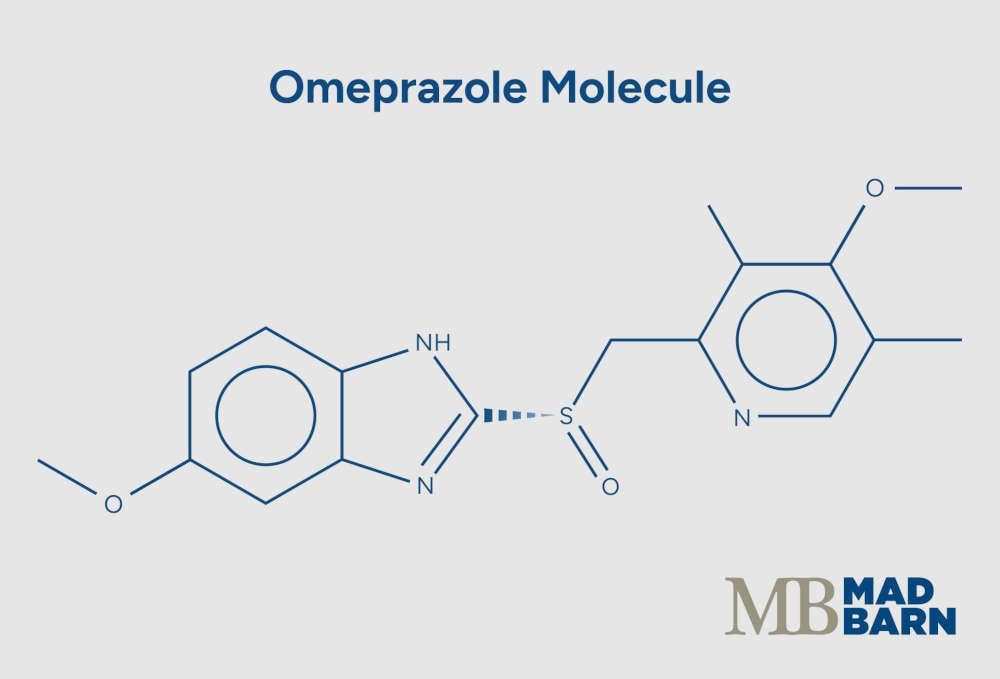
Available Forms
GastroGard® is supplied as an omeprazole oral paste in an adjustable-dose syringe. This is the primary labeled form approved by the FDA and Health Canada for the treatment of gastric ulcers in horses.
Other omeprazole products used in equine medicine include:
- UlcerGard®: An omeprazole oral paste labeled for prevention of gastric ulcers in horses at a lower dose rate than GastroGard®.
- Gastrobim®: A generic omeprazole oral paste approved by the FDA for treatment of gastric ulcers and prevention of ulcer recurrence in horses.
- Generic omeprazole: Compounded omeprazole products may be used in some circumstances under veterinary direction.
- Prilosec® / Losec®: Human brand names for omeprazole, not labelled for horses.
Veterinarians may use human-labeled oral formulations of omeprazole in select cases, including tablets, capsules, or liquid suspensions. [2] However, if a horse chews the enteric coating on human-grade tablets, their efficacy is significantly reduced.
There are also injectable formulations that can be delivered into the vein. In some regions, there is an extended-release injectable available that has acid-inhibition effects lasting up to 7 days. [3]
Drug Class: Proton Pump Inhibitors
Proton pump inhibitors are a class of drugs used to reduce production of stomach acid. [4]
Their name derives from their inhibitory effect on proton pumps, channels that allow hydrogen protons to pass from cells into the stomach. These protons contribute to the low pH (i.e., the high acidity) associated with stomach acid.
The most widely used proton pump inhibitor in both human and veterinary medicine is omeprazole. Other proton pump inhibitors used in veterinary medicine include: [5]
- Esomeprazole
- Pantoprazole
Mechanism of Action
Omeprazole belongs to a class of drugs called proton pump inhibitors. These drugs reduce stomach acid by blocking hydrogen/potassium ATPase pumps, commonly called proton pumps, in the acid-producing cells of the stomach. [5]
These proton pumps are responsible for moving hydrogen ions into the stomach, which is the final step in gastric acid secretion. When omeprazole binds to these pumps, they can no longer release hydrogen ions into the stomach. The functional result is less acid production and a higher stomach pH. [6]
Omeprazole binds irreversibly to active proton pumps, meaning the affected pumps remain blocked until the stomach produces new ones. This is why the acid-suppressing effect can last longer than the time the drug remains in the bloodstream.
By reducing gastric acidity, omeprazole helps limit ongoing acid exposure to ulcerated tissue and supports conditions that allow the stomach lining to heal.
In humans, the inhibitory effect of omeprazole begins around 1 hour after administration and can last up to 5 days. [4] In horses, reduced acid production generally lasts around 27 hours. [2]
Uses in Horses
Veterinarians primarily use GastroGard® for treating gastric ulcers in horses. Horses have two primary regions in their stomach: an upper squamous (skin-like) portion and a lower glandular (acid-producing) portion.
The squamous portion of the stomach has little to no protective mechanisms against the tissue-damaging effects of acid. This is why the squamous region is highly susceptible to gastric ulcer formation.
Risk factors for developing gastric ulcers include: [7]
- Intense exercise
- High-grain diets
- Intermittent access to feed
- Stress
- Use of non-steroidal anti-inflammatory drugs (NSAIDs), such as phenylbutazone (‘bute’)
Research supports the use of omeprazole for the treatment and prevention of squamous gastric ulcers in horses. [2]
Horses can also develop ulcers in the glandular portion of the stomach, known as Equine Gastric Glandular Disease (EGGD). Glandular ulcers are managed differently than squamous ulcers, and omeprazole alone is often less effective for this form of gastric disease. [2][8]
Off-Label Uses
According to the label, GastroGard® may be used in foals as young as 4 weeks of age. [2] Use in younger foals would be considered off-label and should be determined by a veterinarian based on the individual case.
Off-label use refers to the use of an approved medication in a way that differs from the product label, such as in a different age group, at a different dose, or for a different condition.
In veterinary medicine, off-label use may be considered when supported by available research, clinical experience, and the veterinarian’s assessment of the animal’s needs.
Administration Routes
GastroGard® is supplied as an oral paste in a dosing syringe. The syringe has marked increments on the plunger to help measure the prescribed dose.
Owners or veterinarians administer the medication by the inserting the syringe into the horse’s mouth and dispensing the medication. [2]
The drug should be given on an empty stomach, at least 30 minutes prior to a meal. [2] Administering the drug to horses with food can reduce absorption of the drug by up to 67%. [2]
Formulations of omeprazole can vary in their bioavailability, or how much of the drug is absorbed from the digestive system. Both Gastrogard® and Ulcergard® are enteric-coated, meaning they have a protective layer that prevents the drug from degrading in stomach acid. This allows it to enter the small intestine for absorption. [2]
Enteric coating can increase blood concentrations of the drug by up to 60%. [2] For this reason, many veterinarians avoid using generic formulations of omeprazole, as they are not enteric-coated and have lower bioavailability in horses.
Dosage
The FDA has approved two separate doses of omeprazole for use in horses. Gastrogard® is administered at the higher dose for treatment, while Ulcergard® is administered at a lower dose for prevention or maintenance.
The labeled equine dose for each product is: [2]
- Treatment with Gastrogard®: 4 mg/kg by mouth every 24 hours for 4 weeks
- Prevention with Ulcergard®: 1 mg/kg by mouth every 24 hours
Other dosages or periods of administration may be recommended by your veterinarian in an off-label manner. Always follow your veterinarian’s advice when administering omeprazole. [2]
Storage
Store the oral formulations at room temperature. Discard open tubes 28 days after first opening. [2]
If using capsules or tablets, do not crush the pellets found within the capsule as this disrupts the enteric coating. [2]
Safety Warnings & Precautions
Gastrogard® is a safe drug with minimal noted side effects in horses. It can be used in foals as young as 4 weeks old according to the label. [2]
Monitoring
Minimal monitoring is required for omeprazole treatment. Owners should monitor for any side effects from the medication. Endoscopy (passing a camera into the stomach) can help the veterinarian monitor the efficacy of the treatment plan and adjust accordingly. [2]
In humans, a rebound effect is expected after discontinuing proton pump inhibitor use. This occurs due to the raised stomach pH (lower acidity) from omeprazole treatment. Under normal circumstances, low stomach pH suppresses the production of gastrin, a hormone responsible for regulating acid production. [9]
When using omeprazole, gastrin levels increase to try and re-establish a low stomach pH. When treatment stops, high levels of gastrin rapidly stimulate acid secretion, leading to hyperacidity (high acidity). [9] This can result in ulcer development and recurrence of clinical signs.
To prevent hyperacidity, human physicians often recommend tapering the medication to allow gastrin levels to return to normal before stopping treatment.
Initial studies in horses suggest that gastrin levels rapidly return to normal levels after abrupt discontinuation of omeprazole. [9]
However, further research is needed to establish whether these horses have a higher risk of recurring ulcers after discontinuation. Currently, many veterinarians recommend tapering the dose of omeprazole if used long-term to prevent hyperacidity.
Contraindications
Contraindications refer to circumstances where a drug should be avoided or used with caution.
Gastrogard® should not be used in horses known to be allergic to the medication. It should be used with caution in horses with liver or certain kidney diseases. [2]
Side Effects
There are no noted side effects when using Gastrogard® at label dosages. One study showed a potential decrease in calcium absorption from the diet, however the clinical significance of this finding is unknown. [10]
Long-term use of omeprazole in humans has been associated with several conditions, including: [4]
- Clostridioides difficile-associated diarrhea
- Low blood magnesium
- Acute kidney inflammation
- Vitamin B12 deficiency
- Osteoporosis, including increased risk of fractures
Whether these conditions have a higher risk in horses on omeprazole is largely unknown. General recommendations are to use the shortest duration of treatment possible and avoid long-term treatment. [2] Treatment for up to 90 days in horses is considered safe. [2]
Acute Toxicity (Overdose)
Omeprazole has a wide safety margin based on mice and rat studies. These studies show that the toxic dose of omeprazole is around 2 grams per kilogram of body weight. [2]
One study showed that horses and foals could tolerate doses of 40 mg/kg per day for 3 weeks without showing signs of toxicosis. [2] Given this, it appears that omeprazole overdose is very unlikely to occur in horses.
Drug Interactions
Gastrogard® and other omeprazole formulations may inhibit liver enzymes responsible for drug metabolism and excretion. This means that omeprazole may affect the efficacy or clearance (removal from the body) of other medications.
Common interactions related to metabolism and clearance include: [2]
- Benzodiazepines, such as alprazolam or diazepam
- Bisphosphonates, such as clodronate
- Cephalosporin antibiotics, such as cephalexin
- Clarithromycin
- Clopidogrel
- Digoxin
- Doxycycline
- Levothyroxine
- Methotrexate
- Mycophenolate
- Warfarin
Due to its effects on stomach acid production, omeprazole may also impact the digestion and absorption of some drugs or nutrients. Interactions may include: [2]
- Vitamin B12
- Azole antifungals, such as itraconazole or ketoconazole
- Iron
To avoid these effects, these products should be given at least 1 – 2 hours prior to giving omeprazole.
Drugs that may impact concentrations of omeprazole include: [2]
- Phenobarbital
- Rifampin
Regulatory Status
GastroGard® is an FDA and Health Canada-approved omeprazole oral paste for use in horses. It is approved for use in horses and foals 4 weeks of age and older and is supplied in a dispensing syringe for oral administration.
GastroGard® is a prescription medication and should be used under the direction of a licensed veterinarian. UlcerGard® also contains omeprazole, but it is labeled for prevention of gastric ulcers at a lower dose rate and may be available over the counter in some regions.
Horses with suspected or confirmed gastric ulcers should be evaluated and monitored by a veterinarian. UlcerGard® should not be used as a substitute for veterinary diagnosis or prescription treatment when a horse is showing signs of gastric ulcers.
Status in Competition
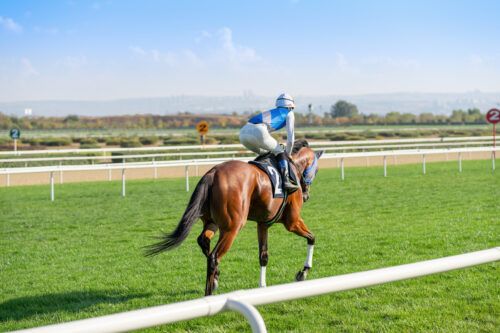
Many competition organizations allow the use of omeprazole products, including GastroGard®, in competition horses. Gastric ulcers are common in performance horses, and risk factors such as stress, transport, intensive exercise, and changes in routine can increase the need for appropriate veterinary treatment.
Permitting omeprazole use can support horse welfare by allowing horses with gastric ulcers to receive timely treatment. However, rules for GastroGard® and other omeprazole products vary by discipline, governing body, and competition type. [11]
For example, in Thoroughbred racing, omeprazole cannot be administered on race day. In contrast, the Fédération Équestre Internationale (FEI) allows same-day administration of omeprazole. [11]
Some organizations may also require declaration of omeprazole use before competition. Always check the current rules for your competition organization before administering GastroGard® or any other omeprazole product to a competing horse.
Frequently Asked Questions
Here are some frequently asked questions about GastroGard®, omeprazole, and gastric ulcer treatment in horses:
GastroGard® is a prescription omeprazole oral paste used for the treatment of gastric ulcers in horses. Omeprazole is a proton pump inhibitor, meaning it reduces stomach acid production by blocking proton pumps in the acid-producing cells of the stomach. Lowering gastric acid helps reduce continued irritation of ulcerated tissue and supports healing of the stomach lining.
GastroGard® is used to treat gastric ulcers in horses, particularly ulcers affecting the squamous portion of the stomach. It may be prescribed when a horse has confirmed or suspected Equine Gastric Ulcer Syndrome (EGUS), especially in performance horses exposed to training, travel, stall confinement, stress, or changes in feeding and management.
GastroGard® is a brand-name equine formulation of omeprazole. Omeprazole is the active drug, while GastroGard® refers to the prescription oral paste product labeled for use in horses. Other products may also contain omeprazole, but formulation, approved use, dose, and bioavailability can vary.
GastroGard® and UlcerGard® both contain omeprazole, but they are labeled for different uses. GastroGard® is labeled for the treatment of gastric ulcers in horses, while UlcerGard® is labeled for prevention at a lower dose. GastroGard® is only available by prescription, while UlcerGard® is available over the counter.
UlcerGard® contains the same active ingredient as GastroGard®, but it is labeled for prevention rather than treatment. Horses showing signs of gastric ulcers should be evaluated by a veterinarian rather than managed with an over-the-counter prevention product alone. A veterinarian can determine whether prescription treatment with GastroGard® or another treatment plan is appropriate.
GastroGard® and GastroBim® are both omeprazole oral paste products used in horses. The main differences include brand, approval status, formulation details, availability, package size, and cost. Both rely on omeprazole to reduce stomach acid, but horse owners should compare products based on veterinary guidance, label directions, and the amount of omeprazole delivered per dose.
GastroGard® is most commonly used for squamous gastric ulcers in horses. These ulcers affect the upper, less-protected portion of the equine stomach and are strongly influenced by acid exposure. Horses can also develop glandular ulcers, known as Equine Gastric Glandular Disease (EGGD), which may respond differently and often require a different or more comprehensive treatment approach.
GastroGard® is given by mouth as an oral paste using a dosing syringe. The syringe has marked increments on the plunger to help measure the prescribed dose. It is typically administered once daily according to veterinary directions. Consistent daily administration is important during a treatment course.
GastroGard® is generally given on an empty stomach, often before feeding, to support absorption of omeprazole. Giving omeprazole with feed can reduce absorption, which may affect how much active drug reaches the bloodstream. Horse owners should follow the timing and dosing instructions provided by their veterinarian.
GastroGard® begins reducing stomach acid 1 - 2 hours after administration, but ulcer healing takes time. Some horses may show improvement in appetite, attitude, or performance within days, but full healing of gastric ulcers generally requires several weeks of consistent treatment. Follow-up gastroscopy may be recommended to confirm healing.
Treatment length depends on the horse’s diagnosis, ulcer severity, response to therapy, and risk factors for recurrence. A common labeled treatment course for GastroGard® is several weeks, but veterinarians may adjust the plan based on the individual horse. Owners should complete the prescribed course and avoid changing the dose without veterinary direction.
The labeled GastroGard® treatment dose is based on the horse’s body weight and is typically given once daily. Dosage should be determined by a veterinarian, and owners should follow the prescription label exactly. Incorrect dosing can reduce effectiveness or increase the risk of inappropriate medication use.
GastroGard® is used to treat gastric ulcers, while a lower dose of omeprazole is used for prevention. With that being said, medication alone does not address all contributing factors. Long-term prevention should also include management changes such as consistent forage access, appropriate feeding schedules, turnout, water availability, exercise management, reduced stress, and careful planning around travel or competition.
GastroGard® is generally well tolerated when used according to label directions. The product label does not list common side effects at labeled dosages, but research continues to evaluate the effects of long-term acid suppression, including possible impacts on nutrient absorption. Horses receiving extended treatment should be monitored by a veterinarian.
Long-term GastroGard® use should only be done under veterinary supervision. Extended use may be considered in horses with recurring ulcers or ongoing risk factors, but the goal is usually to combine medication with management changes that reduce the need for repeated treatment. A veterinarian may also recommend tapering after longer courses.
Some veterinarians recommend tapering omeprazole after longer treatment periods because of concern about rebound acid production, which can lead to high rates of ulcer recurrence. Owners should follow their veterinarian’s instructions when stopping GastroGard®, especially in horses with a history of recurring ulcers.
GastroGard® and other omeprazole products are allowed by many competition organizations, but rules vary by discipline, governing body, and competition type. Some organizations may restrict timing of administration or require declaration of use. Always check current competition rules before administering GastroGard® to a competing horse.
GastroGard® cost depends on the horse's weight, prescribed dose, treatment length, package size, region, and supplier. Because treatment doses are based on body weight, larger horses or longer treatment plans will generally cost more. Horse owners should confirm current pricing with their veterinarian, pharmacy, or authorized retailer.
UlcerGard® and GastroGard® may have similar tube pricing, but the daily cost can differ. UlcerGard® is generally used at a lower prevention dose, while GastroGard® is used at a treatment dose. Cost comparisons should account for dose, duration, horse body weight, and whether the horse requires treatment or prevention.
GastroGard® may be used in foals according to label directions for approved ages. Use in younger foals or outside label directions is considered off-label and should only be determined by a veterinarian. Dosing in foals must account for age, weight, clinical condition, and the need for monitoring.
Summary
Gastrogard® (omeprazole) is a widely used medication for treating and preventing gastric ulcers in horses by reducing stomach acid production. It is most effective for squamous ulcers and is commonly administered as an oral paste.
- Omeprazole works as a proton pump inhibitor that suppresses gastric acid production to support healing of the stomach lining
- Gastrogard® is labeled for treatment of gastric ulcers, while Ulcergard® is used at a lower dose for prevention in at-risk horses
- This medication is highly effective for squamous gastric ulcers but shows reduced efficacy for glandular ulcer disease
- Enteric-coated formulations improve drug absorption by protecting omeprazole from degradation in stomach acid
- Administering omeprazole on an empty stomach helps maximize absorption and overall effectiveness
- Omeprazole is generally well tolerated with minimal reported side effects when used according to label directions
References
- FDA Approves First Generic Omeprazole Oral Paste for Gastric Ulcers in Horses. Center for Veterinary Medicine. Food and Drug Administration. 2026.
- Budde. J. A. et al. Eds. Plumb's Veterinary Drug Handbook. 10th edition. Educational Concepts, LLC, dba VetMedux, Tulsa, OK. 2023.
- Sundra. T. et al. Five- versus Seven-Day Dosing Intervals of Extended-Release Injectable Omeprazole in the Treatment of Equine Squamous and Glandular Gastric Disease. Equine Veterinary Journal. 2024.
- Shah. N. and Gossman. W. Omeprazole. StatPearls. 2026.
- Dowling. P. Drugs Used to Treat Gastrointestinal Ulcers in Monogastric Animals. Merck Veterinary Manual.
- Ahmed. A. and Clarke. J. O. Proton Pump Inhibitors (PPI). StatPearls. 2026.
- Van Den Boom. R. Equine Gastric Ulcer Syndrome in Adult Horses. The Veterinary Journal. 2022.
- Sykes. B. W. et al. A Comparison of Two Doses of Omeprazole in the Treatment of Equine Gastric Ulcer Syndrome: A Blinded, Randomised, Clinical Trial. Equine Veterinary Journal. 2014.
- Clark. B. et al. Evaluation of the Effects of Medium-Term (57-Day) Omeprazole Administration and of Omeprazole Discontinuation on Serum Gastrin and Serum Chromogranin A Concentrations in the Horse. Journal of Veterinary Internal Medicine. Oxford University Press. 2023.
- Pagan. J. D. et al. Omeprazole Reduces Calcium Digestibility in Thoroughbred Horses. Journal of Equine Veterinary Science. 2020.
- Campbell. M. L. H. and Sykes. B. W. Should the Use of Omeprazole Be Allowed during Equestrian Competition?. Equine Veterinary Journal. 2025.