English

The Dole Gudbrandsdal is a traditional Norwegian coldblood horse developed for farm work, forestry, and transport in the rugged landscapes of eastern Norway.
Known for their strength, endurance, and calm temperament, these compact working horses were bred to handle demanding labor while remaining agile and sure-footed over difficult terrain. Unlike heavier draft breeds developed primarily for size and pulling power, the Dole Gudbrandsdal combines substance with versatility, making it well-suited to both work and recreational use.
Today, the breed is valued for driving, riding, light draft work, and heritage preservation. Although relatively rare outside Norway, the Dole Gudbrandsdal continues to attract owners looking for a practical, dependable horse with strong traditional roots and a willing disposition.
Read on to learn more about the Dole Gudbrandsdal’s history, characteristics, health considerations, and nutritional needs.
Dole Gudbrandsdal History
The history of the Dole Gudbrandsdal is closely intertwined with the history of rural Norway. The traits valued in the breed today were shaped over centuries by the needs of Norwegian farmers and foresters. [1]
Origin
The Dole horse originated in Gudbrandsdalen of eastern Norway, where breeders in the mid-19th century sought a horse well-suited to agriculture, forestry, and transport.
Similar to many European working breeds, the Dole Gudbrandsdal likely arose from a mix of native horses and selected outside influences. [1]
However, the modern breed type still resembles the native coldblooded horses that inhabited Norway long before the breed’s formal establishment. [1]
Historic Use
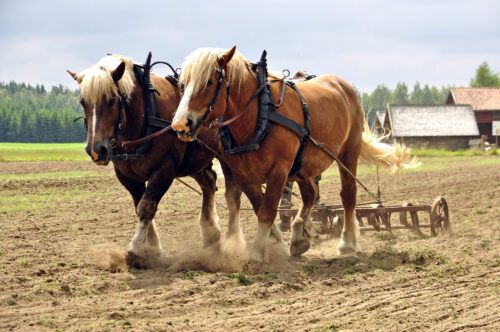
Early Dole Gudbrandsdals were true all-around horses. In rural Norway, farmers and foresters used these horses for pulling loads, farm labor, forestry work, and transport. The tasks performed by Dole horses required strength, endurance, and a calm disposition.
Unlike very heavy draft horses bred primarily for maximum size, the Dole needed both strength and agility. Their compact size and sure-footedness made them well-suited to long days on rough terrain in the harsh environment of eastern Norway. [1]
As mechanization reduced the need for workhorses after the Second World War, breed numbers declined sharply. Today, the Dole Gudbrandsdal is considered a rare breed with a relatively small population. [1]
What's your top priority with your horse's health?

What's your top priority with your horse's health?
Breed Registry
Organized breeding and preservation efforts have been critical for the conservation of the Dole Gudbrandsdal.
The National Breeding Association for Dole horses was founded in 1947 to preserve the breed. Registration and pedigree recording are performed by the Norwegian Horse Center in cooperation with the breed association. [1]
This registry structure is critical for distinguishing the Dole Gudbrandsdal from other closely related breeds. Historically, the small draft type was interbred with the lighter, faster Dole Trotter. The studbooks were separated in the year 2000, and the registry now maintains strict standards for permitting Dole Gudbrandsdal horses into the main studbook. [1]
| Breed Summary | |
|---|---|
| Breed Name | Dole Gudbrandsdal |
| Also Known As | Dole horse, Dølahest, Gudbrandsdal horse |
| Breed Type | Coldblooded / compact draft-type working horse |
| Origin | Norway (Gudbrandsdalen and eastern Norway) |
| Breed Registry | Norwegian Horse Center, in cooperation with the national Dole horse breed association (founded 1947) |
| Population Status | Rare native breed; the Nordic Genetic Resource Center reports approximately 3,800 Dole horses in Norway |
| Average Height | 14.1 – 15.3 hh |
| Average Weight | Approximately 1,200 – 1,400 lb (~545 – 635 kg) |
| Common Coat Colors | Bay, black, chestnut; gray permitted; palomino, buckskin, and smoky black occur (cremello and perlino are undesirable) |
| Conformation | Heavy head with straight profile, short muscular neck, moderately pronounced withers, wide chest, sloping shoulders, long back, broad croup, short sturdy legs with solid joints and durable hooves |
| Lifespan | Approximately 25 – 30 years |
| Price Range | Typically $5,000 – $15,000 USD, depending on age, training, pedigree, and import status |
| Common Uses | Driving, pleasure and trail riding, light draft, forestry, farm work, heritage breeding programs |
| Temperament | Calm, willing, sensible, dependable |
| Best For | Owners seeking a sturdy, versatile coldblood for driving, recreational riding, light draft work, or heritage preservation |
| Common Health Concerns | Obesity, insulin dysregulation, laminitis; potential for muscular disorders such as PSSM; population-level inbreeding risk |
Breed Characteristics
The Dole Gudbrandsdal’s appearance and disposition reflect the breed’s working heritage. The ideal breed type is a compact Norwegian coldblood horse with enough substance for work and enough versatility for modern recreational use.
Conformation
The Dole Gudbrandsdal has the strong, substantial build expected of a traditional working horse. Their conformation is compact, muscular, and well-suited to pulling and carrying work.
An average Dole horse stands between 14.1 and 15.3 hands. Like other compact draft types, they are heavy for their size, typically weighing between 1,200 and 1,400 lb (540 – 635 kg). [1]
Dole horses have heavy heads with straight profiles, short and muscular necks, moderately pronounced withers, wide chests, sloping shoulders, long backs, and broad croups. Their legs are short and sturdy, with solid joints and durable hooves.
Breeding horses are selected for soundness, durability, and practical function. Their breed type is similar to that of British Fell and Dales ponies, which British farmers developed for similar purposes. [1]
Colors
The most common coat colors in Dole Gudbrandsdals are bay, black, and chestnut. Gray is also permitted, as are white markings.
Palomino, buckskin, and smoky black coat colors can occur in the breed, but cremello and perlino are considered undesirable in the breed standard. [1]
Temperament
The Dole Gudbrandsdal is well-known for having a good temperament. These horses are generally calm, willing, and sensible. These traits were essential for daily agricultural and transport work, where reliability and cooperation mattered as much as strength. [1]
Research on the temperament of Norwegian horse breeds supports this reputation. One questionnaire-based study found that several Norwegian breeds share desirable behavior characteristics. [6]
A second study identified common personality factors and discussed the value of including temperament testing to help meet breeding goals for Norwegian horses. [7]
Their temperament typically appeals to riders and drivers looking for dependability rather than excessive sensitivity. However, individual temperament still varies based on breeding, handling, and training.
Disciplines
Dole Gudbrandsdals excel in a variety of disciplines, especially those that reward strength, rhythm, and a willing attitude.
Common modern uses include:
- Driving and carriage work
- Pleasure and trail riding
- Light draft and farm work
- Forestry and traditional working demonstrations
- Heritage breeding and conservation programs
The breed’s practical movement, stamina, and cooperative nature contribute to their versatility as a recreational horse. Owners looking for a capable all-around horse with traditional working roots often find this combination especially attractive.
Dole Gudbrandsdal Health
Because the Dole Gudbrandsdal is relatively rare, breed-specific clinical research is limited. Studies in related draft and easy-keeping horse populations help inform health recommendations for this breed.
The most reliable approach combines official breed and registry guidance with well-established equine principles for coldblooded, easy keeper, and working horses.
Genetic Diseases
To date, no widely cited single-gene disorder has been mapped specifically to the Dole Gudbrandsdal.
Pedigree and population studies of endangered Norwegian horse breeds have reported a declining effective population size and elevated inbreeding levels in the Dole population. [8] These findings underscore the importance of careful breeding management for preserving long-term genetic diversity in the breed. [8]
While Dole Gudbrandsdals aren’t associated with a specific genetic disease, research on rare Nordic breeds suggests that smaller populations still require thoughtful selection to maintain fertility, soundness, and variation over time. [9]
Health Problems
Dole Gudbrandsdals are predisposed to obesity and many of the same health problems commonly seen in other hardy, draft-type breeds.
Research in horses shows that obesity is an important risk factor for insulin resistance and laminitis. These issues are especially relevant in easy-keeping horses and ponies. [2]
Evidence in Finnhorses shows management factors and obesity were strongly associated with insulin dysregulation in that native northern breed. [3] The same general principles likely apply to Dole horses.
Muscular disorders such as polysaccharide storage myopathy (PSSM) are typically more common in draft-type horses.
Signs of PSSM include: [4]
- Muscle stiffness
- Poor performance
- Muscle soreness
- Tying up episodes
While PSSM is well-documented in many popular draft breeds, breed-specific prevalence has not been established for the Dole Gudbrandsdal. [5]
Care and Management
Good management can prevent many common problems before they affect performance or welfare. Dole Gudbrandsdals generally thrive with regular turnout, consistent low- to moderate-intensity exercise, and routine preventive care.
To support overall health, owners should implement a preventive program that includes:
- Veterinary exams: Schedule regular check-ups to monitor body condition, metabolic risk, and soundness, especially when workload, diet, or environment changes.
- Vaccinations: Follow a vaccination schedule tailored by your veterinarian to regional disease risks and travel exposure.
- Dental care: Routine dental floatation supports efficient chewing, which matters for horses on high-forage diets and for older individuals.
- Parasite control: Use a strategic deworming plan based on fecal egg counts and veterinary guidance rather than calendar-only treatment.
- Hoof care: Regular farrier care maintains balance and comfort; Dole horses generally have durable feet, but trimming should still match footing, workload, and conformation.
- Exercise and turnout: Daily movement supports metabolic regulation, joint health, and behavior, especially in horses that gain weight easily.
With appropriate pasture management, Dole Gudbrandsdals are well-suited to outdoor living in cool climates. Like other easy keepers, they can gain excessive weight quickly on unrestricted pasture or concentrate-heavy diets.
Early attention to hoof heat, digital pulses, stance, and body condition can help detect trouble before laminitis progresses. [2] Contact your veterinarian if you notice rapid weight gain, recurrent foot soreness, or signs consistent with laminitis or metabolic disease.
Nutrition
The best diet for a Dole Gudbrandsdal is a balanced, forage-first diet matched to the individual horse’s needs, including their age, workload, body condition, and forage quality.
Weight Maintenance
Dole Gudbrandsdals are typically easy keepers, meaning they can maintain or even gain weight on relatively modest calorie intake. Owners should regularly body condition score their Dole horses to determine whether they are at a healthy weight.
If a horse is gaining excess weight, dietary adjustments may be necessary. In overweight horses, combining dietary control with regular exercise is more effective than feed restriction alone. [11]
A body condition score of 5 or 6 is ideal for most adult horses. Your veterinarian can help set an appropriate target for breeding animals, seniors, or individuals with medical conditions.
Sample Diet
The following sample diet is intended for a mature 1,200 lb (545 kg) Dole Gudbrandsdal with normal body condition at maintenance (not in heavy work).
| Feed | Maintenance Diet |
|---|---|
| (Amount / Day) | |
| Mid-Quality Grass Hay (8% crude protein) | 24 lb (10.9 kg) |
| Salt | 30 g (2 tbsp) |
| Omneity® Pellets | 200 g (2 scoops) |
| Diet Analysis | |
| Digestible Energy (% of Req) | 122% |
| Protein (% of Req) | 113% |
| HC (ESC + starch; % Diet) | 8.8% |
Most Dole Gudbrandsdal Horses can meet their energy and protein needs on a forage-based diet, provided the forage is of adequate quality and fed in amounts appropriate for their body weight and workload. However, forage-only diets are often deficient in key vitamins and minerals required to support overall health and performance. [12][13]
To help balance the diet, feed a comprehensive vitamin and mineral supplement that corrects common nutrient deficiencies without adding unnecessary sugars or excess calories.
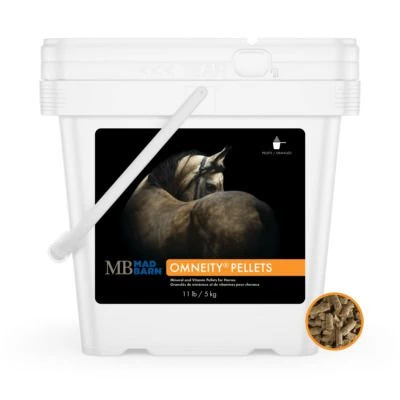
Mad Barn’s Omneity® is a complete, balanced supplement that supports hoof quality, muscle function, metabolic health, immune support, and coat condition in an easy-to-feed pellet. Formulated with organic trace minerals, amino acids, digestive enzymes, live yeast, and a full spectrum of vitamins, it is designed to help balance forage-based diets without adding unnecessary sugar or starch.
All horses require access to clean, fresh water and salt at all times. Horses in regular work or colder climates may have increased hydration and electrolyte requirements, particularly during prolonged exercise or periods of heavy sweating.
While a salt block may help encourage water intake, most horses do not consume enough sodium from free-choice sources alone. Adding approximately 2 tablespoons of loose salt to the daily ration helps support hydration and electrolyte balance.
Forage
Forage should form the foundation of the Dole Gudbrandsdal Horse’s diet. Most horses consume approximately 2% of their body weight in forage daily on a dry matter basis. For example, a 1,200 lb (545 kg) Dole Gudbrandsdal Horse may consume around 24 lb (11 kg) of hay per day on a dry matter basis. [13]
The ideal hay depends on workload, metabolism, and body condition. Moderate-quality grass hay is suitable for many Dole Gudbrandsdal Horses, providing adequate fiber and energy without excessive starch or sugar intake.
Dole Gudbrandsdal Horses used for driving, farm work, or other athletic activities may benefit from slightly higher calorie forage sources such as alfalfa to support muscle maintenance and workload demands. If additional calories are required without increasing starch intake, beet pulp provides a useful fiber-based energy source.
Providing free-choice forage supports digestive health and natural feeding behavior, though easy keepers may require managed hay intake to prevent excessive weight gain. Slow feeders can help extend feeding time while supporting healthy digestion.
Pasture intake may also need to be monitored during spring and fall when grass sugar levels are elevated. Restricting turnout, using a grazing muzzle, or turning horses out on a dry lot may help reduce the risk of obesity and laminitis. [14]
A forage analysis is the most accurate way to confirm nutrient content and identify any deficiencies that may require supplementation.
Feeding Recommendations
A balanced diet helps support healthy joints, strong hooves, digestive health, and sustained performance in Dole Gudbrandsdal Horses.
Most Dole Gudbrandsdal Horses do not require large amounts of commercial grain or concentrate feeds. Diets high in sugar and starch may increase the risk of digestive upset, weight gain, and metabolic issues in easy-keeping horses. [15][16]
To reduce excess starch and sugar intake, use a concentrated vitamin and mineral supplement in place of grain-based feeds. If a carrier is needed for supplements, soaked hay pellets or beet pulp provide fiber-based alternatives without excessive starch.
For senior horses or those with dental issues, soaked forage cubes, beet pulp, or chopped forage may be easier to chew and digest than long-stem hay. Horses that quid or struggle to maintain body condition may benefit from softer forage options.
If additional calories are needed to support workload or maintain condition, consider a fat supplement instead of increasing grain intake. Ingredients rich in omega-3 fatty acids support coat quality, joint comfort, and metabolic health. [17][18]
All Dole Gudbrandsdal Horses should have access to fresh water and salt at all times. Providing approximately 2 tablespoons of plain loose salt daily helps support hydration and meet sodium requirements.

Nutritional Supplements
Balancing the diet should be the top priority when creating a feeding program for your Dole Gudbrandsdal. After meeting their basic nutritional needs, you can consider adding nutritional supplements for targeted support.
Mad Barn supplements that may suit forage-based Dole Gudbrandsdal horses include:
- Omneity® Pellets – A comprehensive vitamin, mineral, and amino acid supplement that fills common nutrient gaps in forage-based diets.
- AminoTrace+ – A concentrated low-NSC vitamin and mineral supplement that may suit easy keepers or horses with metabolic concerns.
- Visceral+ – May benefit Dole horses needing additional digestive support during stress, travel, or diet changes.
- OmegaPrime+ – A concentrated omega-3 supplement that provides DHA and EPA to support normal inflammatory balance, joint comfort, skin health, coat quality, and respiratory function.
- w-3 Oil – An omega-3 enriched fat supplement that supports body condition, skin and coat quality, and overall wellness when omega-3 intake from fresh pasture is limited.
For personalized recommendations, submit your Dole Gudbrandsdal’s diet to receive a free evaluation from our qualified equine nutritionists.
Frequently Asked Questions
Here are some frequently asked questions about the Dole Gudbrandsdal:
The Dole Gudbrandsdal is a traditional Norwegian coldblood horse developed for farm work, forestry, and transport in eastern Norway. This compact draft-type breed is known for its strength, endurance, calm temperament, and sure-footedness in difficult terrain. Unlike heavier continental draft breeds, the Dole combines pulling power with agility and versatility. Today, the breed is used for driving, recreational riding, light draft work, and heritage preservation. [1]
Dole Gudbrandsdal horses are generally considered good for beginners because they are known for being calm, willing, and sensible. These temperament traits reflect centuries of selection for cooperative agricultural and transport work in rural Norway. Their steady disposition often appeals to novice riders and drivers looking for a dependable horse. However, suitability still depends on the individual horse’s training, handling, and experience level. [1][6]
The Dole Gudbrandsdal is considered a compact Norwegian coldblood or draft-type horse rather than a heavy draft breed. It was developed for practical work requiring both strength and agility in rugged terrain. Compared to heavier draft breeds bred mainly for maximum pulling power, the Dole is shorter, more athletic, and more versatile for modern recreational use. This balance of substance and usability remains one of the breed’s defining characteristics. [1]
The Dole Gudbrandsdal and Dole Trotter share historical roots, but they were developed for different purposes. The Dole Gudbrandsdal is the traditional working type selected for strength, durability, and all-around utility traits. The Dole Trotter is a lighter type developed primarily for harness racing speed and performance. Their studbooks were officially separated in 2000 to help preserve the traditional Dole Gudbrandsdal type. [1]
Dole Gudbrandsdal horses typically stand between 14.1 and 15.3 hands high. Although they are not exceptionally tall, they are heavily built and muscular for their size. Their compact frame contributes to their strength and efficiency as working horses. Mature horses commonly weigh between 1,200 and 1,400 pounds. [1]
The most common coat colors in Dole Gudbrandsdal horses are bay, black, and chestnut. Gray is also permitted within the breed standard, along with white facial and leg markings. Dilute colors such as palomino, buckskin, and smoky black can occur as well. However, cremello and perlino are generally considered undesirable within the breed standard. [1]
The Dole Gudbrandsdal is known for having a calm, willing, and dependable temperament. These traits were highly valued in Norwegian farm and forestry horses that needed to work safely and consistently in demanding conditions. Many owners appreciate the breed’s sensible nature and cooperative attitude. As with any horse breed, temperament still varies depending on breeding, handling, and training. [1][6][7]
Dole Gudbrandsdal horses are commonly used for driving, pleasure riding, trail riding, light draft work, forestry demonstrations, and heritage breeding programs. Their strength and steady temperament make them especially popular for carriage driving and traditional working roles. They are also valued as practical all-around recreational horses. Many owners appreciate the breed’s versatility and willingness across multiple disciplines.
Yes, Dole Gudbrandsdals are generally considered easy keepers that maintain body condition on relatively modest calorie intake. This trait helped the breed thrive historically in harsh northern environments where feed resources were limited. However, easy-keeping breeds can become overweight quickly if diets are not managed carefully. Regular body condition scoring and controlled feeding are important for maintaining long-term health. [2]
Dole Gudbrandsdals may be prone to laminitis if obesity and insulin dysregulation develop, as these problems are common in many easy-keeping breeds. While breed-specific prevalence data are limited, the same metabolic principles seen in other hardy northern breeds likely apply. Managing body condition, limiting excessive sugar and starch intake, and providing regular exercise are important prevention strategies. Owners should contact a veterinarian if they notice foot soreness, strong digital pulses, or reluctance to move. [2][3]
Dole Gudbrandsdals may be at risk for polysaccharide storage myopathy (PSSM) because muscular disorders are more common in draft-type breeds. PSSM can cause stiffness, poor performance, soreness, or tying-up episodes after exercise. However, breed-specific prevalence has not been clearly established for the Dole Gudbrandsdal. Owners should work with a veterinarian if they notice muscle-related symptoms or exercise intolerance. [4][5]
Most Dole Gudbrandsdals do best on a forage-first diet built around moderate-quality grass hay or carefully managed pasture. Because many are easy keepers, diets should prioritize balanced nutrition without excessive calories, sugar, or starch. A concentrated vitamin and mineral supplement such as Omneity can help correct common nutrient deficiencies in forage-based diets without requiring large amounts of grain. Concentrates should only be added when workload or body condition clearly justifies extra calories. [10]
Most Dole Gudbrandsdals do not require large amounts of grain if they are maintaining body condition on good-quality forage. Easy-keeping horses often do better on lower-starch feeding programs that avoid unnecessary concentrate intake. If additional calories are needed, fiber-based feeds or fat supplements are usually preferred over high-grain diets. Feeding too much grain may increase the risk of obesity and metabolic problems.
The Dole Gudbrandsdal is considered a rare native horse breed with a relatively small population. The Nordic Genetic Resource Center reports approximately 3,800 Dole horses in Norway. Population studies have also identified concerns related to inbreeding and declining effective population size. Preservation-focused breeding programs play an important role in maintaining the breed’s long-term genetic diversity and soundness. [1][8]
Dole Gudbrandsdal horses typically cost between $5,000 and $15,000 USD depending on age, training, pedigree, and import status. Horses with specialized driving training or imported bloodlines may cost more. Availability outside Scandinavia can be limited, which may increase purchase and transport costs. Prospective buyers should also budget for ongoing feeding, veterinary, and farrier expenses.
Summary
The Dole Gudbrandsdal is a traditional Norwegian coldblood horse known for their strength, calm temperament, and versatility. These compact working horses remain valued today for driving, riding, and heritage preservation.
- The Dole Gudbrandsdal originated in eastern Norway and was developed as a versatile working horse for agriculture, forestry, and transport
- This compact coldblood breed combines strength, endurance, and sure-footedness while remaining smaller and more agile than many heavy draft horses
- Dole Gudbrandsdals are generally calm, willing, and dependable, making them suitable for driving, recreational riding, and light draft work
- As easy keepers, these horses are prone to obesity, insulin dysregulation, and laminitis if overfed or underexercised
- Most Dole Gudbrandsdals thrive on forage-based diets with controlled starch and sugar intake supported by balanced vitamin and mineral supplementation
- Careful breeding management is important for preserving genetic diversity in this rare native Norwegian breed
References
- Dole horse. Nordic Genetic Resource Center. 2018.
- Durham A. E. et al. ECEIM Consensus Statement on Equine Metabolic Syndrome. Journal of Veterinary Internal Medicine. 2019. View Summary
- Box J. R. et al. Insulin Dysregulation in a Population of Finnhorses and Associated Phenotypic Markers of Obesity. Journal of Veterinary Internal Medicine. 2020. View Summary
- McCue M. E. et al. Glycogen Synthase (GYS1) Mutation Causes a Novel Skeletal Muscle Glycogenosis. Genomics. 2008. View Summary
- Barrey E. et al. Gene Expression Profiling in Equine Polysaccharide Storage Myopathy Revealed Inflammation, Glycogenesis Inhibition, Hypoxia and Mitochondrial Dysfunctions. BMC Veterinary Research. 2009. View Summary
- Olsen H. F. and Klemetsdal. G. Temperament of the Norwegian Horse Breeds – a Questionnaire Based Study. Applied Animal Behaviour Science. 2017.
- Olsen. H. F. and Klemetsdal. G. Validation of a Temperament Test in the Norwegian Horse Breeds. Applied Animal Behaviour Science. 2019.
- Olsen. H. F. et al. Pedigree Structure and Genetic Variation in the Two Endangered Norwegian Horse Breeds: Døle and Nordland/Lyngen. Acta Agriculturae Scandinavica. 2010.
- Kierkegaard. L. S. et al. The Status and Need for Characterization of Nordic Animal Genetic Resources. Acta Agriculturae Scandinavica, Section A – Animal Science. 2020.
- Ermers. C. et al. The Fibre Requirements of Horses and the Consequences and Causes of Failure to Meet Them. Animals. 2023. View Summary
- Bamford. N. J. et al. Influence of Dietary Restriction and Low-Intensity Exercise on Weight Loss and Insulin Sensitivity in Obese Equids. Journal of Veterinary Internal Medicine. 2019. View Summary
- Richards. N. et al. Nutritional and Non-Nutritional Aspects of Forage. Veterinary Clinics of North America: Equine Practice. 2021. View Summary
- Nutrient Requirements of Horses: Sixth Revised Edition. National Academies Press, Washington, D.C. 2007. View Summary
- Watts. K. Pasture Management to Minimize the Risk of Equine Laminitis. Veterinary Clinics of North America: Equine Practice. 2010. View Summary
- Cipriano-Salazar. M. et al. The Dietary Components and Feeding Management as Options to Offset Digestive Disturbances in Horses. J Equine Vet Sci. 2019.
- Geor. R. J. Metabolic Predispositions to Laminitis in Horses and Ponies: Obesity, Insulin Resistance and Metabolic Syndromes. Journal of Equine Veterinary Science. 2008.
- Manhart. D. R. et al. Markers of Inflammation in Arthritic Horses Fed Omega-3 Fatty Acids. The Professional Animal Scientist. 2009.
- Richards. T. et al. Effects of Dietary Camelina, Flaxseed, and Canola Oil Supplementation on Transepidermal Water Loss, Skin and Coat Health Parameters, and Plasma Prostaglandin E2, Glycosaminoglycan, and Nitric Oxide Concentrations in Healthy Adult Horses. Journal of Animal Science. 2023. View Summary