English
Laurel toxicosis in horses is an uncommon but potentially serious poisoning caused by ingesting laurel shrubs from the Kalmia genus. All parts of these plants can contain grayanotoxins, which disrupt normal nerve, muscle, and heart function.
Horses typically avoid laurel when adequate forage is available. However, sparse pasture combined with access to wooded or wet areas and discarded landscaping trimmings can increase the risk of ingestion.
Clinical signs may develop within hours, so any suspected ingestion requires prompt veterinary assessment. Keep reading to learn how to identify laurel, recognize signs of poisoning, and protect horses from exposure.
Laurel Poisoning in Horses
The genus Kalmia includes several evergreen shrubs commonly known as laurels. They are part of the heath family, Ericaceae, and several types of laurel are toxic to horses and other livestock. Species of concern in North America include: [1]
- Mountain laurel (Kalmia latifolia)
- Sheep laurel (Kalmia angustifolia)
- Bog laurel (Kalmia polifolia)
- Small-leaved laurel (Kalmia microphylla)
Species within this genus occur across a range of environments, including: [1]
- Mountainous regions
- Woodlands
- Bogs
- Marshy meadows
Some of these plants are also cultivated for ornamental landscaping. [1]
Kalmia species contain grayanotoxins, compounds capable of disrupting normal nerve, muscle, and cardiac function. These toxins are found throughout the entire plant, but the leaves tend to contain the highest concentration of toxins. [2][3][4]
While grayanotoxin poisoning is uncommon in horses, exposure can cause acute and potentially severe illness involving multiple body systems.
Horses generally avoid laurel when suitable forage is available. Exposure is more likely when alternative forage is limited and horses gain access to the plant or discarded plant trimmings. [3]
Common Names for Laurel
- Calico-bush
- Spoonwood
- Ivy bush
- Lambkill
- Sheepkill
- Dwarf-laurel
- Pale laurel
Table 1. Laurel toxicosis in horses at-a-glance
| Category | Key Information |
|---|---|
| Definition |
|
| Primary Cause |
|
| Onset |
|
| Symptoms | |
| Severity |
|
| Treatment |
|
| Recovery Time |
|
| Prognosis |
|
| Prevention |
|
What's your top priority with your horse's health?

What's your top priority with your horse's health?
Identification
Kalmia species are evergreen shrubs, or occasionally small trees, that vary considerably in size and growth patterns.
Plants may have open or dense foliage, with erect or ascending stems and reddish-brown to gray bark. Some species form extensive stands or thickets where growing conditions are suitable.
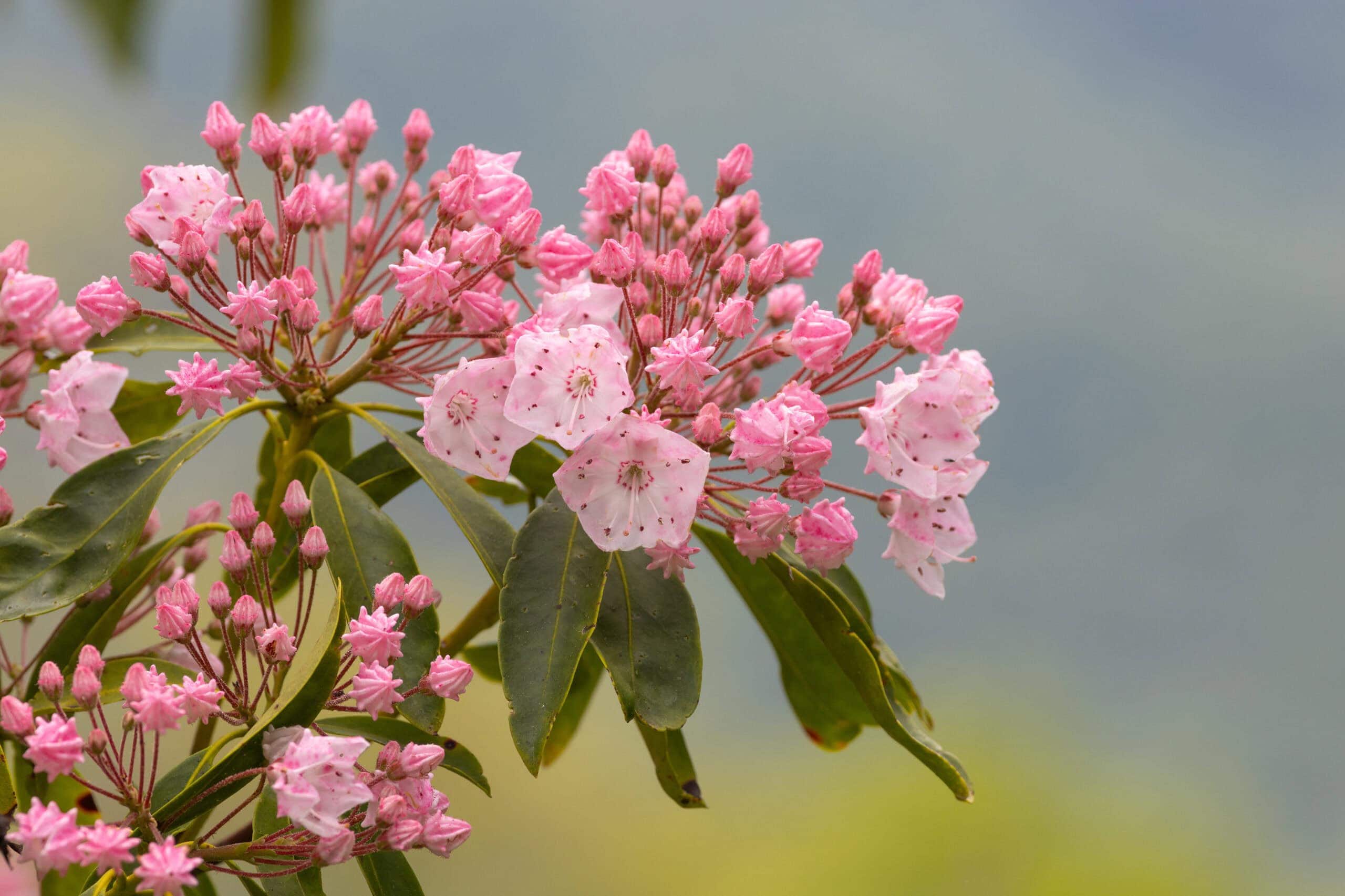 Flowers, Mountain Laurel
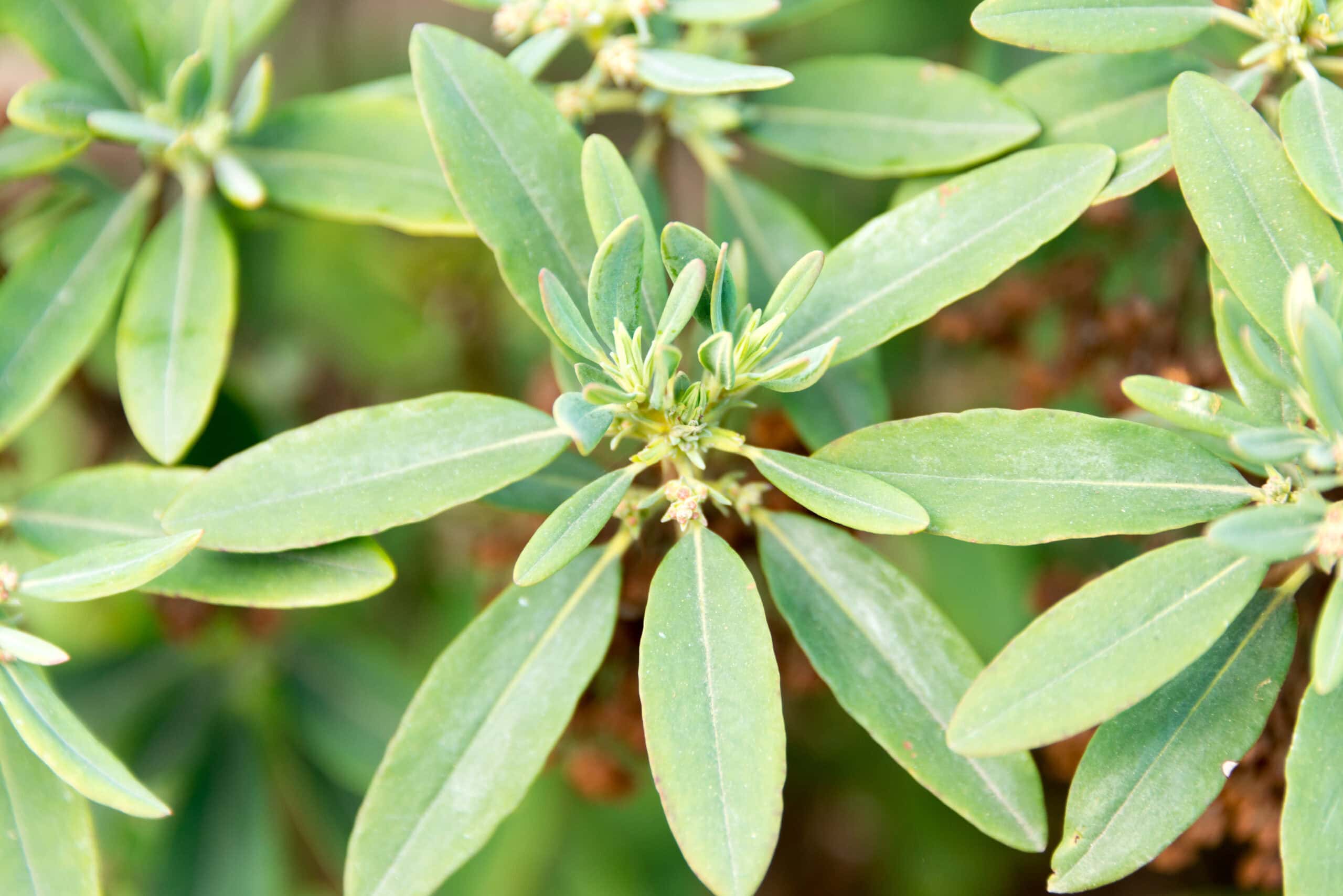 Leaves, Sheep Laurel
Common identifying features of Kalmia spp. include: [1][5][6]
- Leaves: Generally thick, leathery and smooth-edged, although shape and arrangement vary between species. Leaves may be alternate, opposite or whorled and are typically green and lance-shaped to elliptical.
- Flowers: The most distinctive feature of Kalmia. Depending on the species, flowers may be white, pink, pale rose or rose-purple and occur individually or in clusters. Each flower has five fused petals and ten stamens, with small pockets in the petals that hold the anthers before they are released. This creates the characteristic patterned, cup- or bell-like appearance.
- Fruit: A dry, rounded to ovoid capsule containing numerous small seeds.
Individual species can also be distinguished partly by their establishment and preferred habitat: [1]
- Mountain laurel (Kalmia latifolia): Commonly forms dense thickets in sandy, rocky and acidic soils. It occurs on hills, stream banks, slopes and mountainsides from Maine to Florida and is particularly abundant in the Appalachian Mountains.
- Sheep laurel (Kalmia angustifolia): Grows around bog and swamp margins and in moist, acidic soils across coastal and mountainous regions of eastern North America.
- Bog laurel (Kalmia polifolia): A lower-growing species commonly associated with bogs and moist meadows, and found across much of northern North America, from Alaska to Labrador.
- Small-leaved laurel (Kalmia microphylla): Found primarily in western North America, particularly in subalpine and alpine meadows and bogs.
Toxicology of Laurel
Laurel species contain grayanotoxins, toxic compounds found throughout the plant. These compounds interfere with voltage-gated sodium channels, which play an essential role in normal electrical signaling within a horse’s nerves and muscles. [2][7]
Under normal circumstances, these channels open briefly to allow sodium into the cell before closing again. When grayanotoxins are ingested, they prevent the channels from closing normally, leaving affected cells in a prolonged state of electrical activation.
Nerves, skeletal muscle, and cardiac muscle are all sensitive to this disruption, resulting in a combination of neurological, muscular and cardiovascular signs associated with poisoning. [2][7]
Effects on the heart are particularly serious, as disruption of normal electrical activity can interfere with cardiac conduction and heart rate. Grayanotoxin exposure in horses is associated with: [2]
- Bradycardia (low heart rate)
- Abnormal heart rhythms
- Other cardiovascular changes
Grayanotoxins are absorbed quickly from the gastrointestinal tract. This is why cases of laurel poisoning are usually acute rather than a result of cumulative exposure after prolonged intake. [2]
In addition to grayanotoxins, mountain laurel contains tannins that can irritate the gastrointestinal tract, contributing to the abdominal pain and other digestive signs associated with poisoning. [8]
A definitive toxic dose of laurel is not established for horses. The amount of plant material required to cause poisoning is difficult to predict, as grayanotoxin concentrations vary between species, individual plants, and plant anatomy. [2][5]
Symptoms of Laurel Poisoning in Horses
Detailed descriptions of laurel poisoning in horses are limited. Available equine sources indicate that poisoning is typically acute, with gastrointestinal, neurological, and cardiovascular signs developing within several hours of ingestion. [2][3][8]
Information from grayanotoxin poisoning in other animals provides additional context for the expected clinical picture. Signs commonly develop within 1 to 6 hours of exposure, although onset may occasionally be delayed. [2][3][8]
Possible signs include: [2][3][8][9]
- Loss of appetite
- Lethargy
- Excessive salivation
- Abdominal pain or colic
- Irregular or rapid breathing
- Hypotension (low blood pressure)
- Abnormal heart rhythm
- Bradycardia or tachycardia (low or high heart rate)
- Recumbency
- Seizures
- Elevated body temperature
- Coma
When to Call the Veterinarian
Veterinary assessment is warranted whenever laurel ingestion is known or suspected, even if the horse has not developed obvious clinical signs.
Grayanotoxins are absorbed rapidly from the gastrointestinal tract, and signs can develop within several hours of exposure. Early veterinary care may allow decontamination and supportive treatment to begin before more severe cardiovascular or neurological effects develop.
Horses should receive prompt veterinary evaluation when they present with signs such as: [2][3][8][9]
- Excessive salivation
- Lethargy
- Abdominal pain
- Abnormal breathing
- Changes in heart rate
Recumbency, seizures, and marked cardiac abnormalities always require emergency veterinary attention. [8][9]
Exposure Risk Factors
Laurel is generally unpalatable and avoided by grazing animals when more desirable forage is available. Exposure is more likely when circumstances override this natural avoidance, particularly when pasture is sparse or overgrazed.
Adverse weather and seasonal forage shortages may create similar conditions by reducing access to preferred vegetation. [2][10]
Additional exposure risk factors include: [1][2]
- High-density natural growth: Kalmia species occupy a range of habitats, including wooded slopes, stream banks, bogs, swamp margins and wet meadows. Horses grazing in or adjacent to areas where laurel forms dense stands or thickets have greater opportunity to encounter the plant, particularly where desirable vegetation is limited.
- Ornamental plantings: Kalmia species planted around homes, barns, paddocks and property boundaries create a source of exposure outside their natural range.
- Landscaping waste: Pruned branches, leaves or uprooted plants discarded into horse-accessible areas can place toxic material directly within reach. When landscaping work is outsourced, notify contractors of any animals present on the property so toxic species are not planted or discarded where livestock can access them.
Diagnosis
Diagnosis of laurel poisoning is based on a combination of known or suspected exposure, compatible clinical signs and identification of Kalmia in the horse’s environment. Heart-related abnormalities may provide additional evidence, but the signs of grayanotoxin poisoning overlap with other conditions that need to be ruled out.
Veterinary investigation may include: [2][3][9]
- Exposure history: Recent access to Kalmia, ornamental plantings or discarded plant trimmings can support the diagnosis
- Plant identification: Leaves, branches or other suspected plant material from the horse’s environment can be examined to confirm the presence of Kalmia
- Physical examination: Assessment generally includes gastrointestinal and neurological signs, hydration, heart rate and rhythm, and the horse’s ability to stand
- Electrocardiography (ECG): Cardiac conduction abnormalities or arrhythmias can support suspicion of cardiotoxic plant poisoning and help guide treatment
- Bloodwork: Testing can identify dehydration, electrolyte or acid-base abnormalities and other complications that may influence treatment
- Toxicological testing: Specialized laboratory methods can detect grayanotoxins in biological samples or suspected plant material and may help confirm exposure where testing is available
Other toxic, cardiovascular, neurological and gastrointestinal conditions can produce similar signs. Differential diagnoses may include: [8][9]
- Ionophore or cyanide toxicity
- Organophosphate or carbamate exposure
- Other cardiotoxic or neurotoxic plants
- Myocarditis
- Gastrointestinal disease associated with significant systemic illness

Treatment & Management
There is no specific antidote for grayanotoxin poisoning, so treatment is supportive and tailored to the horse’s clinical signs.
The main goals of treatment are to limit further toxin absorption and support normal body function while the toxin is eliminated. Treatment may include: [2][3][8][9]
- Removing the source: Further access to laurel, plant clippings, or contaminated turnout areas should be prevented immediately.
- Gastrointestinal decontamination: Activated charcoal may be administered by nasogastric tube when ingestion has occurred recently, particularly within the previous 2 to 4 hours, to reduce further toxin absorption.
- Pain management: Analgesics may be used when abdominal pain or colic is present.
- Intravenous fluids: IV therapy may be used to support circulation and correct dehydration, electrolyte disturbances or acid-base abnormalities.
- Cardiovascular support and monitoring: Heart rate and rhythm may require close monitoring, including electrocardiography (ECG) when abnormalities are present. Atropine may be used to counter significant vagal effects, including bradycardia, while sodium channel-blocking medications may be considered in selected cases.
- Management of neurological signs: Seizures or convulsions may require anticonvulsant treatment and additional supportive care.
- Rest and environmental management: Horses with significant cardiovascular abnormalities are generally kept in a quiet, low-stress environment while their condition stabilizes.
Treatment is tailored to the severity of poisoning. Horses with relatively mild signs may require decontamination, monitoring and supportive care, while severe cardiovascular or neurological abnormalities may require intensive treatment and continuous monitoring.
Prognosis
The prognosis for grayanotoxin poisoning in horses is generally favorable when severe cardiovascular or neurological complications do not develop. Acute signs may persist for up to 24 hours, while weakness and neurological abnormalities can continue for 2 to 3 days before resolving. [3][4][7]
Horses are unlikely to consume a lethal quantity of laurel under normal circumstances. The outcome depends on the amount of plant material consumed and the toxicity of the particular Kalmia species involved. Prompt recognition and supportive treatment also impact prognosis.
More severe poisoning carries a less favorable prognosis, particularly when marked cardiac dysfunction, prolonged recumbency, or uncontrolled seizures occur. These horses may also be more vulnerable to secondary complications associated with severe neurological impairment and prolonged inability to stand. [3][4][7]
Prevention
Prevention is particularly important in laurel poisoning because there is no specific antidote for grayanotoxin toxicity. [1][3]
Prevention measures include: [1][3]
- Avoidance of Kalmia in horse-accessible landscaping: Mountain laurel and related species are best excluded from paddocks, pastures, dry lots, lanes and other areas accessible to horses. Inform gardening and landscaping staff that the property houses horses so toxic species are not planted in or around equine areas.
- Exclusion of existing plants: Fence off established shrubs, dense thickets and natural stands away from horses, particularly where branches extend into turnout areas or plants grow directly along pasture boundaries.
- Safe disposal of landscaping waste: Pruned branches, leaves, uprooted shrubs and other garden waste can create a concentrated source of toxic material if discarded into paddocks or other horse-accessible areas.
- Inspection of natural turnout areas: Wooded, brushy, boggy or poorly drained areas may support different Kalmia species. Inspect turnout areas that overlap with these habitats for laurel and other toxic plants, particularly where dense stands are present.
- Providing adequate forage: Horses tend to avoid Kalmia spp. when suitable forage is available. Sparse pasture, overgrazing and seasonal forage shortages increase the likelihood of horses sampling otherwise unpalatable vegetation.
- Inspection following storms or land clearance: Fallen branches, damaged shrubs and recently cut vegetation can create new access points to unfamiliar plants.
- Monitoring property boundaries: Remove toxic species from fence lines, pasture boundaries and landscaped areas animals have access to.
- Inspection of pasture and turnout areas: Monitor which plant species are growing in pastures and turnout areas before giving horses and other livestock access.
Frequently Asked Questions
Here are some frequently asked questions about laurel poisoning in horses:
Laurel poisoning in horses is an acute toxicosis caused by ingesting toxic Kalmia shrubs. These plants contain grayanotoxins that disrupt normal electrical signaling in the nerves, skeletal muscles, and heart. Although poisoning is uncommon, it can rapidly cause serious gastrointestinal, neurological, and cardiovascular signs. [2][3][7]
The types of laurel that are toxic to horses include mountain laurel, sheep laurel, bog laurel, and small-leaved laurel. All are members of the Kalmia genus and may grow in woodlands, mountainous regions, bogs, marshy meadows, or ornamental landscapes. All parts of these plants should be considered potentially toxic, with the leaves being particularly important in poisoning. [1][2][3][5]
Toxic laurel plants can be identified by examining their leaves, flowers, growth habit, and habitat together. Kalmia species are evergreen shrubs with generally thick, leathery, smooth-edged leaves and distinctive white, pink, pale rose, or rose-purple flowers. The flowers have five fused petals and ten stamens, creating a patterned cup-like or bell-like appearance. Because individual species vary, suspected plants should not be identified from a single feature alone. [1][5][6]
Laurel is toxic to horses because it contains grayanotoxins that interfere with voltage-gated sodium channels. These toxins prevent the channels from closing normally, leaving affected nerve and muscle cells in a prolonged state of electrical activation. This disruption can impair neurological function, muscle activity, cardiac conduction, and heart rate. Mountain laurel also contains tannins that may irritate the gastrointestinal tract and contribute to abdominal pain. [2][7][8]
The amount of laurel a horse needs to eat to become poisoned has not been definitively established. Toxicity is difficult to predict because grayanotoxin concentrations can vary between Kalmia species and individual plants. Any known or suspected ingestion should therefore be treated seriously rather than waiting to determine how much plant material was consumed. [2][5]
Symptoms of laurel poisoning in horses may include loss of appetite, lethargy, excessive salivation, abdominal pain, colic, and irregular or rapid breathing. Affected horses may also develop low blood pressure, an abnormally slow or rapid heart rate, or an irregular heart rhythm. Severe poisoning can cause an elevated body temperature, recumbency, seizures, coma, or death. [2][3][8][9]
Horses commonly show signs of laurel poisoning within 1 to 6 hours after ingestion, although onset may occasionally be delayed. Grayanotoxins are absorbed quickly from the gastrointestinal tract, so poisoning usually develops acutely rather than building up through long-term exposure. A horse may initially appear normal despite having consumed the plant, which is why suspected exposure requires prompt veterinary assessment. [2][3][9]
If you think your horse ate laurel, remove access to the plant, discarded clippings, or contaminated turnout immediately and contact a veterinarian. Do not wait for clinical signs because early treatment may help limit toxin absorption before serious cardiovascular or neurological effects develop. Keep the horse calm and follow the veterinarian's instructions while arranging an examination. Recumbency, seizures, abnormal breathing, or marked changes in heart rate require emergency veterinary attention.
Laurel poisoning in horses is diagnosed using the exposure history, compatible clinical signs, and identification of Kalmia in the horse's environment. A veterinarian may assess the horse's gastrointestinal and neurological function, hydration, heart rate, heart rhythm, and ability to stand. Electrocardiography can identify cardiac conduction abnormalities, while bloodwork can reveal dehydration, electrolyte disturbances, acid-base abnormalities, or other complications. Specialized toxicological testing may detect grayanotoxins in biological samples or plant material when testing is available. [2][3][9]
Laurel poisoning in horses is treated with decontamination and supportive care because there is no specific antidote for grayanotoxins. A veterinarian may administer activated charcoal through a nasogastric tube when ingestion was recent, particularly within the previous 2 to 4 hours. Treatment may also include pain relief, intravenous fluids, cardiac monitoring, medications for abnormal heart rhythms, and anticonvulsant therapy for seizures. Horses with cardiovascular abnormalities are generally kept in a quiet, low-stress environment while their condition stabilizes. [2][3][8][9]
A horse can recover from laurel poisoning, and the prognosis is generally favorable when severe cardiovascular or neurological complications do not develop. Acute signs may persist for up to 24 hours, while weakness and neurological abnormalities can continue for 2 to 3 days before resolving. The outlook depends on the amount and toxicity of the plant material consumed, the severity of clinical signs, and the response to supportive care. Marked cardiac dysfunction, prolonged recumbency, or uncontrolled seizures are associated with a less favorable prognosis.
Laurel poisoning in horses can be prevented by excluding Kalmia shrubs from paddocks, pastures, dry lots, lanes, and other horse-accessible areas. Existing shrubs and natural stands should be fenced off, and branches, leaves, uprooted plants, and landscaping waste should never be discarded where horses can reach them. Inspect wooded, brushy, boggy, or poorly drained turnout areas, especially after storms or land clearing, and monitor plants growing along property boundaries. Maintaining adequate forage also reduces the likelihood that horses will sample unpalatable toxic plants. [1][3]
Summary
Laurel poisoning is an uncommon but potentially serious condition caused by grayanotoxins in Kalmia shrubs. Prompt veterinary care is important because cardiovascular and neurological effects can develop within hours.
- Mountain, sheep, bog, and small-leaved laurel contain grayanotoxins that can poison horses when ingested
- Grayanotoxins disrupt electrical activity in the nerves, skeletal muscles, and heart
- Signs can include excessive salivation, abdominal pain, abnormal breathing, heart rhythm changes, recumbency, and seizures
- Diagnosis considers exposure history, clinical signs, plant identification, physical examination, and cardiovascular findings
- Treatment may include activated charcoal, intravenous fluids, pain relief, cardiac monitoring, and seizure management
- Maintaining adequate forage and preventing access to laurel plants and trimmings can reduce exposure risk
References
- Burrows. G. E. and Tyrl. R. J. Toxic Plants of North America. 2nd ed. John Wiley & Sons. 2013.
- Plumb. D. C. Plumb's Veterinary Drug Handbook. 6th ed. Wiley-Blackwell. 2008.
- Hovda. L. R. et al. Eds. Blackwell's Five-Minute Veterinary Consult Clinical Companion: Equine Toxicology. Wiley-Blackwell. 2022.
- Gupta. R. C. Ed. Veterinary Toxicology: Basic and Clinical Principles. 2nd ed. Academic Press. 2012.
- Guide to Poisonous Plants. Colorado State University College of Veterinary Medicine and Biomedical Sciences. n.d.
- Kalmia polifolia Wangenh. (Bog Laurel). USDA PLANTS Database.
- Jansen. S. A. et al. Grayanotoxin Poisoning: 'Mad Honey Disease' and Beyond. Cardiovascular Toxicology. 2012.
- Waldridge. B. M. Ed. Nutritional Management of Equine Diseases and Special Cases. 1st ed. Wiley-Blackwell. 2017.
- Wilson. D. A. Ed. Clinical Veterinary Advisor: The Horse. 1st ed. Saunders. 2011.
- Fattorini. R. et al. Grayanotoxin I Variation across Tissues and Species of Rhododendron Suggests Pollinator-Herbivore Defence Trade-Offs. Phytochemistry. 2023.