English
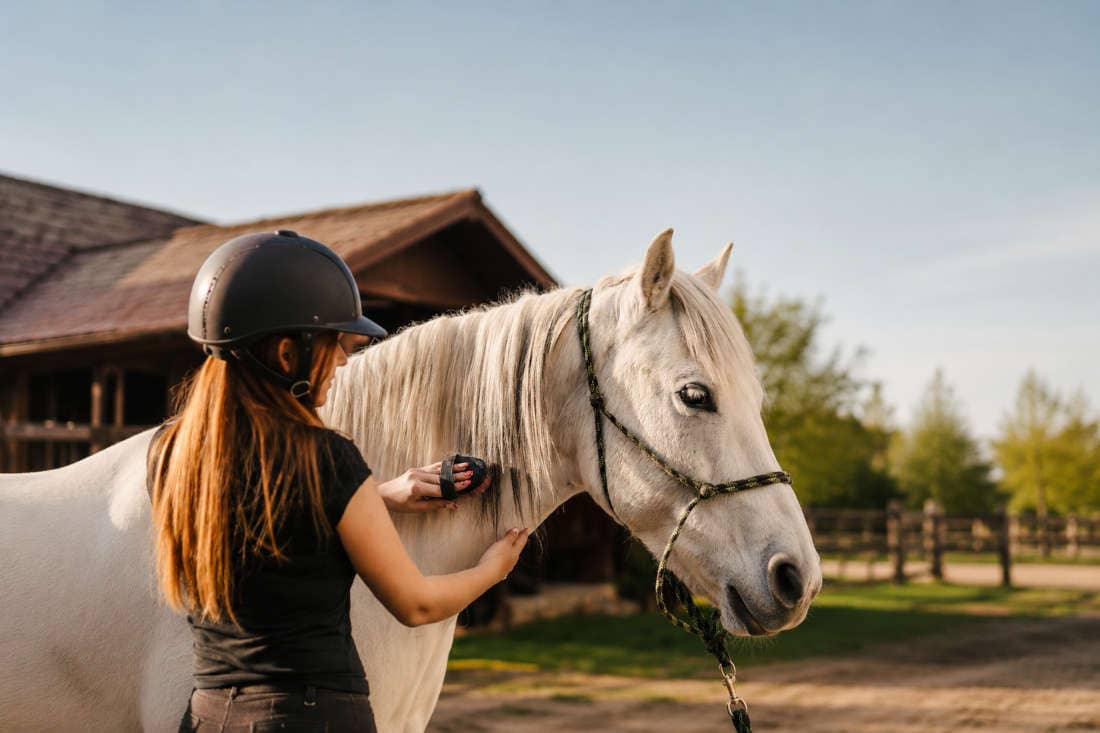
Mane pulling for horses is a grooming technique that shortens and thins a horse’s mane by removing small sections of hair at the root.
It creates the neat, tapered finish that is traditionally expected in many English show disciplines, helping the mane lie flat and braid evenly without the blunt edge produced by scissors or clippers.
Although mane pulling remains a routine part of grooming for many riders, research suggests it can cause discomfort and stress in horses. Paying attention to each horse’s response is essential when deciding whether to pull the mane, modify the process, or choose a gentler alternative.
Keep reading to learn how to pull a horse’s mane correctly, minimize discomfort, avoid common mistakes, and achieve a tidy result with or without traditional pulling.
What Is Mane Pulling for Horses?
Mane pulling is a grooming method used to shorten and thin a horse’s mane by removing hair from the root rather than cutting it. A pulling comb, or sometimes the handler’s fingers, is used to grip a few hairs at a time. The hairs are wrapped around the comb close to the base of the mane and pulled free in one motion.
Mane pulling creates a different look than trimming with scissors or clippers. A cut mane has a blunt, even edge that can look choppy as it grows out. A pulled mane tapers naturally, lies flatter against the neck, and is easier to braid into small, uniform sections for the show ring.
Mane pulling is most closely associated with English disciplines such as hunters, show jumping, and dressage, where a short, tidy mane is part of the expected turnout. It is less common in Western, driving, and breed show contexts, where a longer or fuller mane is often preferred or required.
Pulling is a long-standing tradition in some disciplines, but it is not appropriate for every horse. Consider the horse’s breed standards, intended use, and individual response before deciding to pull.
Arabians, Friesians, and most gaited horse breeds and driving breeds are traditionally shown with a full mane that is allowed to flow naturally. Mane pulling conflicts with the expected appearance of their breed standards or show classes. If you compete in one of these disciplines or simply prefer a natural look, there is no need to pull the mane.
Some horses quickly make it clear that they will not tolerate mane pulling, even with patience and a gradual approach. Given the variation in stress responses between horses, persistent resistance is worth respecting rather than pushing through. [1]
Using a thinning blade, specialty comb, or leaving the mane natural are all reasonable options for a horse that consistently reacts strongly.
What's your top priority with your horse's health?

What's your top priority with your horse's health?
Why Owners Pull a Horse’s Mane
Owners pull manes for several practical and aesthetic reasons, although appearance is usually the main consideration. Unlike trimming, pulling shortens and thins the mane at the same time, creating the tapered finish traditionally associated with many English disciplines.
Because mane pulling is primarily a presentation and grooming practice rather than a health requirement, owners should always weigh the desired result against the individual horse’s response. [1]
Braiding & Turnout Standards
In hunter, jumper, and dressage show rings, braiding is part of the traditional presentation, even when competition rules do not require it. A tidy mane can contribute to a polished appearance and leave the outline of the horse’s neck clearly visible. [1]
A thick, long, or uneven mane is difficult to divide into the small, consistent sections needed for a clean set of braids. Pulling the mane to a manageable length and thickness, typically four to six inches, makes sectioning easier and helps produce neater, more uniform braids.
Pulling can be particularly useful when the mane is dense near the crest or varies noticeably in thickness along the neck. Creating a more consistent volume helps the braids sit evenly rather than appearing bulky in some areas and sparse in others.
Mane Length, Thickness & Everyday Upkeep
Not every owner who pulls a mane is headed to a show. Some riders use the technique to manage a mane that grows unusually thick, long, or uneven. Reducing excess bulk can make the hair easier to brush, separate, and inspect during routine grooming.
A shorter, thinner mane may also be easier to keep clean and detangled and may collect fewer burrs and pieces of debris during turnout. Regular light maintenance can preserve the desired shape without requiring a lengthy pulling session whenever the mane becomes overgrown.
Other riders pull the mane simply because they prefer its neat, tapered appearance. This is a matter of personal preference or sport tradition rather than necessity, and horses kept outside the show ring can remain well-groomed with a longer natural mane.
Preparing to Pull a Horse’s Mane
A little preparation can make the mane pulling process faster and less stressful for the horse. There are three main factors riders should consider before they begin mane pulling.
1) Tools & Supplies
Mane pulling requires a metal pulling comb, although groomers can substitute a sturdy human hair comb. A mane brush is also useful for routine care.
Keep a mane and tail brush on hand to detangle the hair before grooming. Have scissors or a detached clipper blade nearby to clean up stray ends once mane pulling is finished.
Avoid applying detangler spray or leave-in conditioner immediately before pulling. Slippery hair is harder to grip and wrap around the comb, which often leads to more tugging.
2) Timing & Conditions
Horses are generally calmer during mane pulling after light exercise or a warm bath. At this point, the horse is still warm and the pores along the crest may be slightly more open, which can help the hair release more easily.
If your horse has a thick or long mane, spread the task over several short sessions rather than trying to finish it all at once. Avoid pulling immediately after clipping because the hair may be more likely to break than release cleanly.
3) Building the Horse’s Tolerance
Horses that resist mane pulling are not necessarily being difficult. Their resistance may be a reasonable response to an unpleasant sensation.
Short, low-pressure handling sessions paired with a reward when the horse stays relaxed may reduce the flight and avoidance responses horses often show toward disliked handling procedures.
One study compared methods of teaching horses to tolerate an unfamiliar or unpleasant stimulus. Gradual desensitization was more effective than repeated full exposure, producing calmer horses in fewer sessions. [2]
This means brief combing sessions paired with a reward over several days may ease a horse into the mane pulling process, and the approach is consistent with principles of equine learning and positive reinforcement.
How to Pull a Horse’s Mane Step by Step
Once your horse is prepared and your tools are ready, the technique of mane pulling follows a repeatable sequence.
Work patiently and expect the process to take roughly 30 minutes, depending on how much hair needs to be removed.
1) Sectioning & Backcombing
Start at either the poll or the withers and take a small section of mane containing no more than a few dozen hairs.
Hold the section by the ends and backcomb the shorter hairs toward the crest with your pulling comb. Leave only the longest hairs hanging free in your fingers.
2) Wrapping & Pulling
Position the comb as close to the roots as possible without causing unnecessary pressure, then wrap the remaining hairs around it two or three times. Pull the comb down and away from the neck in one smooth, confident motion.
A clean pull should release the hair with only mild resistance. If you have to yank hard or your horse reacts sharply, you have likely wrapped too many hairs around the comb.
3) Working the Full Mane
Move down the crest in the same manner, taking a new section each time. Include a few strands from the previously pulled area to keep the result even. Many people also find it helpful to alternate direction.
Work from the poll toward the withers on one pass, then back again on the next, rather than spending too long in one area. Take frequent breaks to rest your hands and give your horse time to relax. Follow appropriate safe handling practices throughout the session.
4) Finishing Touches
Once the mane is close to the desired length and thickness, brush it through and check for stray or uneven hairs.
Trim stray hairs with scissors held at an angle or draw a detached clipper blade along the underside of the mane. Avoid cutting straight across, which can leave the finished edge looking blunt rather than natural.
5) Aftercare & Maintaining a Pulled Mane
A freshly pulled mane can leave the crest slightly tender, especially after a longer session. Avoid vigorous brushing over the area for a day or two, and watch for unusual sensitivity when you tack up or groom in the days that follow.
Spacing out touch-up sessions benefits both the horse and the appearance of the mane. Rather than pulling the entire mane every few weeks, plan light maintenance sessions that address only the sections that have grown out.
This approach keeps each session short. Regular brushing between pulling sessions also helps prevent tangling and buildup that could make the next session more difficult.
Common Mane Pulling Mistakes
A few common mistakes can make mane pulling more frustrating for both the horse and handler. Groomers can make small adjustments to their process to avoid these complications:
- Taking sections that are too large increases the force needed to remove the hair and may make the sensation more intense. Take only a few dozen hairs at a time, even if this requires more passes.
- Pulling against the direction of growth creates more resistance and makes the hair more likely to break instead of releasing cleanly. Pull down in the direction the hair naturally lies.
- Rushing through one long session can increase frustration and stress as the process continues. Divide a thick mane across several short sessions over a few days.
- Applying detangler or conditioner beforehand makes hair slippery and difficult to wrap securely around the comb. Use a dry brush and comb instead.
- Ignoring early stress signals can allow mild discomfort to escalate until the horse no longer tolerates the process. Pause at the first sign of pinned ears, head tossing, or repeated weight shifting.
Taking a slower, more responsive approach can help preserve the horse’s tolerance while producing a more even result.

How Mane Pulling Affects Horses
Opinions among horse owners vary on whether mane pulling hurts, often based on how a particular horse has reacted in the past. Research on the topic is limited, but available findings suggest there are welfare implications worth considering before you pick up a comb.
How Researchers Measure Stress During Routine Care
Researchers often assess a horse’s response to routine care using a combination of physiological and behavioral measures. Comparing these findings across procedures can help distinguish stress-related reactions from ordinary movement or handling responses.
For example, research on clipping documented changes in heart rate, behavior, and eye temperature, which suggests the procedure can cause stress or discomfort in some horses. [7]
Researchers also use ethograms, or structured lists of clearly defined behaviors, to record these reactions consistently. Behaviors such as ear pinning, head tossing, pawing, and attempts to move away can be counted and compared across horses, procedures, and control conditions instead of relying solely on a handler’s subjective impression. [8]
One equine stress scale was developed by observing horses during several routine husbandry procedures and comparing behavioral scores with physiological responses. This work supports using groups of behaviors, rather than a single reaction, to assess how strongly a horse responds to handling. [9]
Skin Sensitivity & Pain Perception
Some caretakers in the equestrian community assert that mane pulling does not bother horses because their skin is thick and their manes have few nerve endings. However, there is little evidence to support this.
One study comparing skin samples from horses and humans found no significant difference between the species in the thickness of the epidermis, the skin’s outer pain-detecting layer. The concentration of nociceptors, the nerve endings that detect pain, was also similar in horses and humans. [3]
A strong enough mechanical stimulus, such as pulling a hair from its follicle, can trigger a nociceptor. This activates the sympathetic nervous system, the network of nerves responsible for the body’s fight-or-flight response. [4] This suggests pulling a hair from a horse’s mane out by the root may produce a similar pain response to that seen in humans.
This does not prove that every horse experiences mane pulling the same way, or that every pull produces the same level of discomfort. More research is required to fully assess whether mane pulling causes pain in horses.
Stress & Behavior Responses
Despite broader research on equine pain in general, few studies have directly measured how horses respond to mane pulling in particular.
A small experimental study tested the responses of seven horses under different conditions. One group had the mane pulled, one had the mane brushed, and one group stood in cross-ties without being handled. [1]
Heart rate and the frequency of stress-related behaviors, such as ear pinning, head tossing, and pawing, rose sharply during mane pulling. Both measures were significantly higher during pulling than during brushing or the unhandled baseline. [1]
Elevated heart rate is a well-established indicator of the stress response in horses during handling and riding, lending weight to the finding despite the study’s small sample size. [5]
Eye temperature, measured with infrared thermography, did not differ significantly between mane pulling and the two control conditions. [1] Although eye temperature can change in response to stress, the results suggest that it was not a useful indicator of the horses’ responses in this particular study. [6]
Another important finding is that the response was not uniform across horses. Some showed only mild signs, such as pinned ears. Others tried to move away from the handler, and their heart rates increased considerably compared to baseline. [1]
This variation aligns with what many experienced grooms observe: some horses barely react to mane pulling, while others clearly dislike it.
Alternatives to Traditional Mane Pulling
For horses that do not tolerate traditional mane pulling, the following alternatives can achieve a similar look without removing hair from the root.
Thinning Blade or Mane Knife
A detached clipper blade or dedicated mane knife can shorten and thin a mane using a razoring motion rather than pulling.
Backcomb a small section as you would for pulling, then draw the blade along the shorter hairs to trim them. This method requires some practice to avoid an uneven or overly thinned result, but it avoids pulling hair from the root.
Specialty Thinning Combs
Several grooming brands make combs with small embedded blades or serrated edges designed to thin the mane as you comb through it.
These tools are generally the gentlest option for light thinning and work well for horses with naturally fine manes that do not require significant shortening.
Table 1. Mane pulling methods and alternatives
| Method | How It Works | Best For | Result | Key Consideration |
|---|---|---|---|---|
| Traditional mane pulling | Removes small groups of hair at the root using a pulling comb or fingers | Thick or uneven manes prepared for traditional English turnout | Short, thin, naturally tapered mane that lies flat and braids evenly | Can cause discomfort or stress; monitor the horse’s response |
| Thinning blade or mane knife | Shortens and thins backcombed hair with a razoring motion | Horses that resist traditional pulling | Tapered appearance without removing hair from the root | Requires practice to prevent an uneven or overly thinned result |
| Specialty thinning comb | Uses embedded blades or serrated edges to thin the mane while combing | Fine manes that need light thinning | Gentle, subtle reduction in thickness | May not sufficiently shorten or thin a very dense mane |
| Natural mane | Leaves the mane full and unpulled | Natural breed standards, driving disciplines, or horses with a strong aversion to pulling | Full, flowing mane | May require regular brushing and detangling to control debris and tangles |
Nutrition for a Healthy Mane
Mane pulling changes the length and thickness of the mane, but the condition of the remaining hair also depends on the horse’s overall health and diet.
A balanced, forage-based feeding program provides the energy, protein, vitamins, and minerals needed to support healthy skin and new hair growth. Nutritional deficiencies or imbalances can contribute to poor skin and hair quality. [10][11]
Because hair consists largely of keratin, horses need adequate dietary protein and amino acids to produce strong new hair. Methionine and cysteine are particularly relevant because these sulfur-containing amino acids contribute to the structure of keratin. Research in horses indicates that diet can influence the strength and mechanical properties of hair fibers. [12][13][14]
Trace minerals, including copper and zinc, also support normal skin and hair formation. However, adding individual nutrients without assessing the full diet may create new imbalances. A hay analysis and properly formulated ration balancer or vitamin and mineral supplement can help fill nutritional gaps without supplying unnecessary amounts. [12][15]
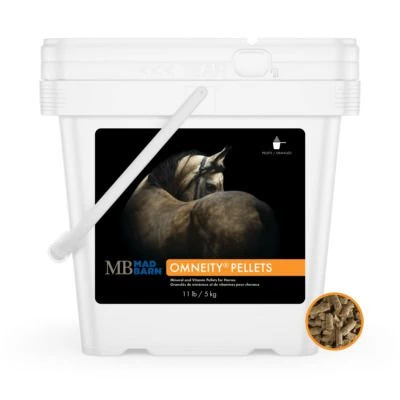
Mad Barn’s Omneity® is a vitamin and mineral supplement formulated to balance hay-based diets for most horses. It provides organic trace minerals, including zinc and copper, a full serving of biotin and the essential amino acids lysine and methionine. These nutrients support normal keratin synthesis to maintain a strong, shiny mane.
Dietary fat may provide additional support for skin and coat condition. One equine study found associations between blood levels of omega-3 and omega-6 fatty acids and hair-coat scores. [16]
While feeding supplements alone does not correct poor mane quality, adding a palatable source of fats and omega-3s can help support overall hair quality and shine.
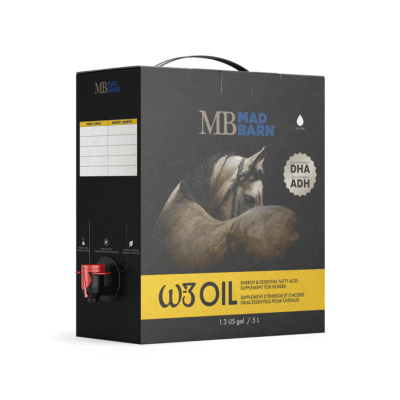
Mad Barn’s W-3 Oil is a palatable, DHA-enriched fat supplement that provides essential fatty acids and cool calories to help maintain healthy skin and a shiny coat. It also contains natural vitamin E and is easy to add to your horse’s feeding program.
Nutrition supports the quality of new hair as it grows, but it cannot immediately repair strands that are already broken or damaged. If the mane remains brittle, thin, or slow-growing despite gentle grooming and a balanced diet, consider consulting a nutritionist and veterinarian.
Maintaining a Well-Managed Mane
Mane pulling remains a standard part of turnout in many English disciplines because it produces a tidy, easy-to-braid mane that scissors cannot fully replicate.
However, a careless approach can turn the procedure into a stressful experience that the horse remembers the next time a comb appears. Working with small sections of the mane, a steady hand, and attention to the horse’s response are the main requirements for a more comfortable process.
If your horse consistently resists mane pulling, a thinning blade or specialty comb may produce a similar result without the same degree of discomfort.
A shiny, healthy mane depends on more than grooming technique. Coat and hair quality are closely linked to diet. If your horse’s mane appears thin, brittle, or slow to grow despite careful handling, consider whether their overall nutrition program properly supports their coat and hair quality.
You can assess whether your horse’s diet supports healthy hair growth from the inside out with a free diet evaluation with Mad Barn’s qualified equine nutritionists.
Frequently Asked Questions
Here are some frequently asked questions about how to pull a horse's mane:
Mane pulling is a grooming technique that shortens and thins a horse's mane by removing small numbers of hairs from the root. Unlike cutting with scissors or clippers, pulling creates a naturally tapered edge that lies flatter against the neck. This finish also makes the mane easier to divide into small, uniform braids for English show disciplines.
Pulling a horse's mane can cause discomfort and a measurable stress response, although the intensity varies between horses. Research found increased heart rate and stress-related behaviors, including ear pinning, head tossing, and pawing, during mane pulling. [3] Horse skin also contains pain-detecting nerve endings that can respond when hair is pulled from the follicle. [1] Handlers should monitor the horse closely and stop if signs of discomfort become pronounced.
A pulled horse's mane is commonly kept between four and six inches long. This length is usually manageable for braiding and helps create small, even sections for a tidy show-ring finish. The ideal length can vary with the horse's neck, mane thickness, breed, and discipline.
The tools needed to pull a horse's mane include a metal pulling comb and a mane and tail brush for detangling. Scissors or a detached clipper blade can help tidy stray or uneven hairs after pulling. Avoid applying detangler spray or leave-in conditioner beforehand because slippery hair is harder to grip and may require more tugging.
The best time to pull a horse's mane is usually after light exercise or a warm bath. Warmth can help the hair release more easily and make the process smoother. Avoid pulling immediately after clipping because the hair may be more likely to break instead of coming out cleanly at the root.
To pull a horse's mane correctly, select a small section and backcomb the shorter hairs toward the crest, leaving only the longest hairs in your fingers. Wrap those hairs around the comb close to the roots two or three times, then pull down and away from the neck in one smooth motion. Work in the direction the hair naturally grows and include a few strands from the previous section to maintain an even finish. If the hair requires a hard yank or the horse reacts sharply, reduce the number of hairs in the section.
Pulling a horse's mane may take about thirty minutes, but a long or thick mane can require considerably more time. Trying to complete a dense mane in one session can increase discomfort and frustration for the horse. Dividing the work into several short sessions over a few days is often a more manageable approach.
Common mane-pulling mistakes include taking sections that are too large, pulling against the direction of growth, and rushing through a long session. Applying detangler beforehand can also make the hairs difficult to grip, while repeatedly working in one area may increase sensitivity. Use small sections, follow the natural direction of the hair, alternate between areas, and pause when the horse shows early signs of stress.
If a horse will not stand still for mane pulling, use short, low-pressure sessions and reward relaxed behavior. Gradual desensitization can help horses tolerate an unpleasant handling procedure more successfully than repeated full exposure. [9] Stop if the horse repeatedly pins its ears, tosses its head, shifts its weight, or tries to move away. A thinning blade, specialty comb, or natural mane may be a better choice for a horse with a strong and persistent aversion.
Aftercare following mane pulling should focus on keeping the crest comfortable and watching for unusual sensitivity. Avoid vigorous brushing over the freshly pulled area for a day or two, especially after a longer session. Check the horse's response during grooming and tacking up, and allow additional recovery time if the crest remains tender.
A horse's mane should be pulled only as often as needed to manage uneven regrowth and maintain the desired length. Light touch-up sessions every few weeks are generally preferable to repeatedly pulling the entire mane in one sitting. Regular brushing between sessions can also reduce tangles and buildup, making future maintenance easier.
Alternatives to pulling a horse's mane include a thinning blade, mane knife, detached clipper blade, or specialty thinning comb. These tools shorten or thin the hair without removing it from the root, which can make them more suitable for sensitive horses. Specialty thinning combs work especially well for finer manes that need only light thinning, while blades and mane knives require care to avoid an uneven or overly thin result.
Horses shown under natural mane standards generally should not have their manes pulled. Arabians, Friesians, and many gaited and driving breeds are traditionally presented with full, flowing manes. Pulling is also unsuitable for horses that continue to show a strong aversion despite patient, gradual handling. Leaving the mane natural or using a gentler thinning method is a reasonable alternative.
Summary
Mane pulling creates a short, tapered mane that lies flat and is easier to braid, but it can cause discomfort and stress. Careful technique and gentler alternatives can support better welfare while maintaining a tidy appearance.
- Mane pulling removes hair at the root to shorten and thin the mane without creating a blunt edge
- Research has found increased heart rate and stress-related behaviours during pulling, although responses vary between horses
- Pulling a few hairs at a time over several short sessions can reduce force and discomfort
- Ear pinning, head tossing, pawing, weight shifting, or avoidance indicate that pulling should be paused
- Thinning blades, mane knives, and specialty combs can tidy the mane without pulling hair from the root
- A balanced diet with adequate protein, vitamins, and minerals supports healthy skin and new hair growth
References
- Grzeszkiewicz-O'Neill. R. Mane Pulling and Stress Response: Investigating the Welfare Impact of an Equine Husbandry Practice. Inquiry Journal, University of New Hampshire. 2025.
- Christensen. J.W. et al. Training Methods for Horses: Habituation to a Frightening Stimulus. Equine Veterinary Journal. 2006.
- Tong. L. et al. A Comparative Neuro-Histological Assessment of Gluteal Skin Thickness and Cutaneous Nociceptor Distribution in Horses and Humans. Animals. 2020.
- Burton. A.R. et al. Sympathetic Responses to Noxious Stimulation of Muscle and Skin. Frontiers in Neurology. 2016.
- König von Borstel. U. et al. Indicators of Stress in Equitation. Applied Animal Behaviour Science. 2017.
- Kim. S.-M. and Cho. G.-J. Validation of Eye Temperature Assessed Using Infrared Thermography as an Indicator of Welfare in Horses. Applied Sciences. 2021.
- Yarnell. K. et al. An Assessment of the Aversive Nature of an Animal Management Procedure (Clipping) Using Behavioral and Physiological Measures. Physiology & Behavior. 2013.
- Hall. C. and Heleski. C. The Role of the Ethogram in Equitation Science. Applied Animal Behaviour Science. 2017.
- Young. T. et al. A Novel Scale of Behavioural Indicators of Stress for Use with Domestic Horses. Applied Animal Behaviour Science. 2012.
- Eduoard. N. et al. Voluntary intake and digestibility in horses: effect of forage quality with emphasis on individual variability. Animal. 2008.
- Hensel. P. Nutrition and skin diseases in veterinary medicine. Clin Dermatol. 2010.
- Malgorzata. K. et al. Effect of diet on mechanical properties of horse's hair. Acta Bioeng Biomech. 2009. View Summary .
- Mok. C. et al. Amino acid requirements in horses. Asian-Australas J anim Sci. 2020. View Summary .
- Ekfalck. L. et al. Distribution of Labeled Cysteine and Methionine in the Matrix of the Stratum Medium of the Wall and in the Laminar Layer of the Equine Hoof. J Vet Med. 1990.
- Schryver. H. et al. Calcium and Phosphorus Inter-relationships in Horse Nutrition. Equine Vet J. 1971. View Summary .
- Goh. Y. et al. Plasma n-3 and n-6 fatty acid profiles and their correlations to hair coat scores in horses kept under Malaysian conditions. J Vet Malaysia. 2004.
- Torcivia. C. and McDonnell. S. Equine Discomfort Ethogram. Animals. 2021.