English
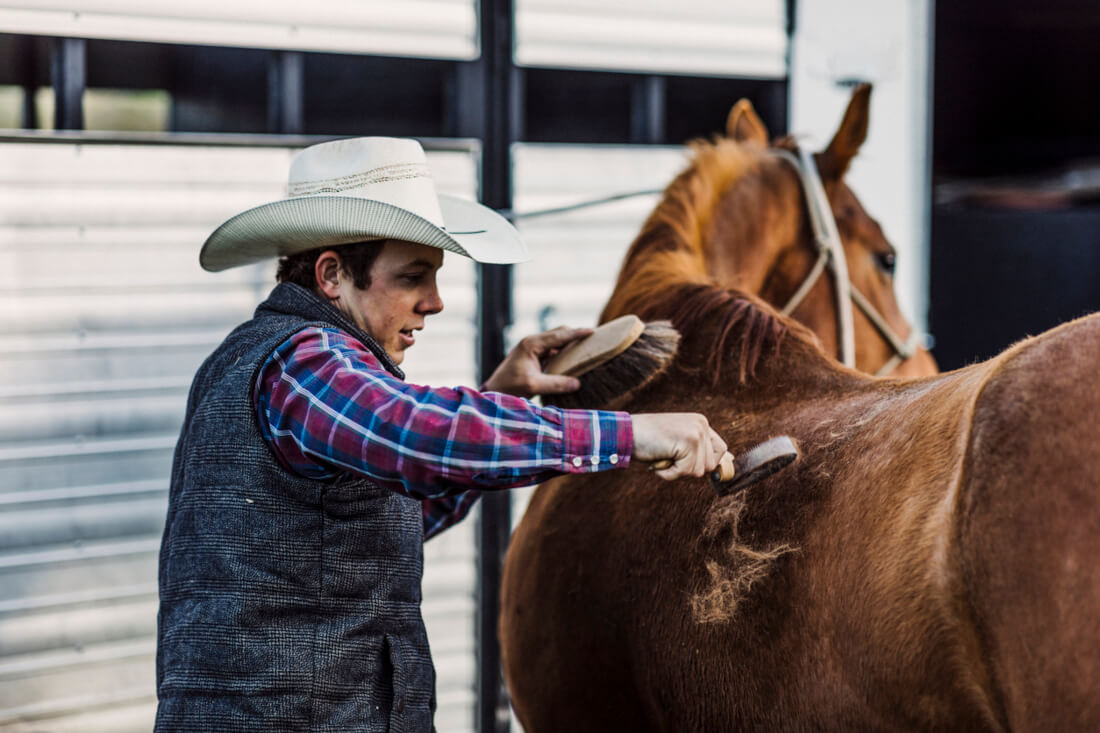
A wide range of grooming brushes are available for horses, but choosing the right one is not always straightforward.
While most grooming kits include several standard tools, selecting the best brush for your horse depends on factors such as coat type, skin sensitivity, workload, and environment. Using the wrong brush can reduce effectiveness, cause discomfort, or lead to unnecessary coat damage.
Horse brushes are designed for specific functions, from loosening dirt and debris to refining the coat and distributing natural oils. When used correctly, they support skin health, improve coat condition, and make grooming more comfortable for the horse. [1][2][3] However, not every brush is suitable for every horse or situation, and understanding these differences is key to building an effective grooming routine.
This guide explains the main types of horse grooming brushes, how they differ, and how to choose the right option for your horse. It also outlines how to match brushes to coat condition, sensitivity, and seasonal needs, helping you use each tool more effectively as part of a practical grooming routine.
How Grooming Brushes Work
Horse grooming brushes are designed to perform specific functions, and no single brush can effectively address every aspect of coat care. Different tools interact with the coat and skin in distinct ways, which is why most grooming routines use a combination of brushes applied in sequence.
At a basic level, grooming involves three key steps:
- Loosening debris
- Removing it from the coat
- Refining the surface
Curry combs are used first to lift dirt, dried sweat, and loose hair away from the skin. Stiffer brushes then remove this material from the coat, while softer brushes help smooth the hair and distribute natural oils for a cleaner, more polished finish.
Each stage of grooming affects both the effectiveness of cleaning and the horse’s comfort. Using the wrong type of brush, or applying tools out of sequence, can reduce results or lead to irritation, particularly in sensitive horses or those with fine or clipped coats.
What's your top priority with your horse's health?

What's your top priority with your horse's health?
Types of Horse Brushes
Horse grooming is not a one-size-fits-all task. Different brushes are designed for different functions, and knowing when and how to use them makes a significant difference in both coat condition and the horse’s comfort.
Each brush in a grooming kit has a unique role to play. Understanding these differences ensures that grooming sessions are not only effective but also comfortable for the horse.
With the right tools, brushing becomes a practice that maintains health, enhances shine, and deepens the partnership between horse and rider.
Curry Combs
Curry combs are used to loosen dirt, sweat, and dried mud while stimulating circulation and natural oil production. Applied in circular motions, they bring debris to the surface so it can be removed with other brushes. [4][5]
Most curry combs are made of rubber or plastic, with softer versions suited to sensitive horses and firmer types better for thick or muddy coats. They are best used on large, muscular areas such as the neck, shoulders, and hindquarters, and should be avoided on bony or sensitive regions.
Curry combs are especially useful during shedding seasons and after turnout in muddy conditions, when buildup is heavier.
Hard Brushes (Dandy Brushes)
Dandy brushes remove dirt and hair loosened by the curry comb. Their stiff bristles are used in long, sweeping strokes to flick debris away from the coat. [4][5]
They are most effective on the body and are not suitable for sensitive areas such as the face or legs. Dandy brushes are particularly useful for horses with thicker coats or those exposed to mud and outdoor conditions.
Medium & Soft Brushes (Body Brushes)
Body brushes remove fine dust and smooth the coat while helping distribute natural oils for a polished finish. Their softer bristles allow closer contact with the skin, making them suitable for sensitive areas and clipped horses. [4][5]
They are often used as a finishing brush and are especially important for horses in regular work or competition, where coat condition and presentation matter.
Face Brushes
Face brushes are designed for delicate areas such as the eyes, muzzle, and ears, where the skin is thinner and more sensitive. Their small size and soft bristles allow gentle cleaning without irritation. [4][5]
Using a dedicated face brush also helps reduce cross-contamination from dirtier grooming tools.
Mane & Tail Brushes and Combs
Mane and tail tools are used to detangle and maintain longer hair without causing excessive breakage. Wide-toothed combs and gentle brushing techniques help preserve hair strength and thickness. [4][5]
Detangling is most effective when working from the ends upward in small sections, often with the help of conditioning sprays to reduce friction.
Shedding Tools
Shedding tools remove loose hair during seasonal coat changes, helping reduce buildup and improve comfort. Common types include shedding blades and grooming blocks. [4][5]
These tools are used with care, as excessive pressure or frequency can irritate the skin, particularly in sensitive horses.
Specialty Brushes
Specialty brushes address specific grooming needs beyond routine care. These may include:
- Finishing brushes for added shine
- Mud brushes for heavy debris
- Massage brushes for stimulation
- Hoof brushes for cleaning after picking.
While not essential for daily grooming, these tools can improve efficiency and results in specific situations.
Choosing the Right Brush for Your Horse
Most grooming kits contain a range of brushes tailored to the horse’s specific needs and lifestyle.
Considerations when choosing which brushes to put in your kit include:
- Coat type: Thick winter coats benefit from stiff brushes and curry combs. Clipped or fine coats require softer body brushes to avoid irritation.
- Skin sensitivity: Some horses dislike firm bristles, especially on thin-skinned areas like the flanks. In these cases, softer rubber or natural-hair brushes are better tolerated.
- Seasonal needs: Shedding tools are indispensable in spring, while finishing brushes are more relevant during show season.
- Color and staining: Light-colored horses may require more frequent brushing and occasional whitening shampoos, supported by finishing brushes for stain removal.
- Workload: Competition horses need daily thorough grooming for health and presentation; pasture companions may require less intensive routines but still benefit from regular brushing.
Table 1. Uses for horse brushes
| Horse or Situation | Best Brush Type | Why It Works |
|---|---|---|
| Thick winter coat or muddy conditions | Curry comb + dandy brush |
|
| Clipped or fine-coated horse | Soft body brush |
|
| Sensitive or reactive horse | Soft rubber curry or grooming mitt |
|
| Show preparation or finishing | Body brush or finishing brush |
|
| Shedding season | Shedding blade or grooming block |
|
| Delicate areas (face, legs) | Face brush or soft body brush |
|
| Mane and tail care | Wide-toothed comb or fingers |
|
In practice, most grooming routines use multiple brushes in sequence, starting with tools that loosen debris and progressing to those that refine and finish the coat.
Adjusting your brush selection based on the horse’s condition and the grooming goal helps maintain skin health, improve comfort, and achieve better overall results.

Common Mistakes When Choosing & Using Horse Brushes
Selecting the right brush is only part of effective grooming. How brushes are used can significantly affect both coat condition and the horse’s comfort. Avoiding common mistakes helps improve results and reduces the risk of irritation or resistance during grooming.
Practices to avoid in your horse grooming routine include:
- Using stiff brushes on sensitive areas: Dandy brushes and firm curry combs are designed for the body and can cause discomfort when used on the face, legs, or thin-skinned regions. Softer brushes or grooming mitts are more appropriate for these areas.
- Skipping the curry comb: Moving directly to a brush without first loosening dirt can reduce effectiveness and push debris deeper into the coat. Curry combs play an important role in lifting dirt and preparing the coat for brushing.
- Applying too much pressure: Excessive force can irritate the skin and create negative associations with grooming. Pressure should be adjusted based on the horse’s sensitivity, coat type, and the tool being used.
- Using the same brush for every horse: Sharing brushes between horses increases the risk of spreading infectious skin conditions, ectoparasites, or fungal infections. Ideally, each horse should have its own set of grooming tools, especially during travel or in boarding barns where horses are exposed to new individuals more frequently.
- Over-brushing the mane and tail: Frequent or aggressive brushing can lead to hair breakage and thinning over time. Gentle detangling with fingers or wide-toothed combs helps maintain thickness and condition.
- Ignoring coat type and seasonal changes: Using the same grooming approach year-round may not be effective. Thick winter coats, shedding periods, and clipped coats all require different tools and techniques.
- Using dirty or worn brushes: Brushes that are clogged with dirt or have worn bristles are less effective and may irritate the skin. Regular cleaning and replacement are important for maintaining performance and hygiene.
By adjusting brush selection and technique based on the horse’s needs, grooming remains effective, comfortable, and consistent over time.
Hygiene & Maintenance of Brushes
Brushes that are not cleaned regularly can harbor bacteria, fungi, and parasites.
Key routine maintenance strategies to get the most use out of your horse brushes include:
- Washing: Soak brushes in warm water with mild soap or disinfectant every few weeks. Rinse thoroughly and allow to dry completely
- Storage: Keep brushes dry, ideally in a grooming box. Avoid damp environments where mold can grow
- Separation: Each horse should have its own set of brushes to prevent cross-contamination of skin conditions such as ringworm or lice
- Replacement: Worn bristles that bend, fray, or lose stiffness should be replaced, as they no longer perform effectively
Why Brush Choice Matters for Horse Grooming
Grooming is more than a cosmetic routine. While a glossy coat is the most visible outcome, brushing supports several physiological and behavioral functions that affect equine health and performance.
Regular brushing stimulates circulation, helping deliver oxygen and nutrients to the skin while supporting tissue health. It also distributes natural oils (sebum) across the coat, improving moisture balance, protection, and overall coat condition. [1][2][3] Grooming sessions also provide an opportunity for early detection of issues such as swelling, heat, wounds, or parasites.
In addition to physical benefits, grooming supports relaxation and bonding. Many horses respond positively to brushing, and consistent, comfortable handling can improve trust and cooperation during routine care.
Because each brush interacts differently with the coat and skin, selecting the right tool influences how effectively these benefits are achieved. Using appropriate brushes for the horse’s coat type, sensitivity, and condition helps improve comfort, support skin health, and enhance overall grooming results.
Frequently Asked Questions
Here are some frequently asked questions about horse grooming brushes:
The best brush for horse grooming depends on the horse’s coat type, sensitivity, and the grooming goal. Most horses require a combination of brushes, including a curry comb, dandy brush, and body brush, used in sequence. Matching the brush to the situation improves both effectiveness and comfort.
For sensitive horses, softer tools such as rubber curry combs, grooming mitts, or soft body brushes are best. These reduce irritation while still removing dirt and stimulating the skin. Avoid stiff brushes on thin-skinned areas such as the flanks, legs, and face.
Yes, most grooming routines require multiple brushes because each tool performs a different function. Curry combs loosen debris, dandy brushes remove it, and body brushes refine the coat. Using a single brush for all tasks is less effective and may reduce grooming quality.
A dandy brush has stiff bristles designed to remove dirt and debris from the coat after currying. A body brush has softer bristles that remove fine dust and help distribute natural oils. Both are used together as part of a complete grooming routine.
Curry combs should only be used on large, muscular areas such as the neck, shoulders, and hindquarters. They should be avoided on sensitive or bony regions like the face, legs, and spine. Using them incorrectly can cause discomfort or irritation.
Horses with thick or winter coats benefit from firmer tools such as curry combs and dandy brushes. These brushes can penetrate dense hair and remove heavy dirt or mud more effectively. Softer brushes can then be used to finish and smooth the coat.
Clipped horses typically require softer body brushes to avoid irritating exposed skin. These brushes remove fine dust while maintaining coat condition and comfort. Firmer brushes should be used cautiously or avoided depending on the horse’s sensitivity.
Horse grooming brushes should be cleaned regularly to remove dirt, bacteria, and debris. Many owners wash brushes every few weeks using warm water and mild soap, then allow them to dry completely. Regular cleaning helps maintain effectiveness and reduces the risk of skin issues.
Sharing grooming brushes between horses is not recommended. Brushes can spread skin conditions, parasites, or fungal infections between animals. Ideally, each horse should have its own set of grooming tools, especially in shared environments such as boarding barns.
Common mistakes include using stiff brushes on sensitive areas, skipping the curry comb stage, and applying too much pressure. Other issues include over-brushing the mane and tail or failing to clean brushes regularly. These mistakes can reduce effectiveness and cause discomfort.
The correct order for grooming brushes typically starts with a curry comb to loosen dirt, followed by a dandy brush to remove debris, and finishes with a body brush to smooth the coat. This sequence improves cleaning efficiency and supports coat health.
Yes, grooming brushes play an important role in coat health by removing debris and distributing natural oils across the hair. Regular brushing also stimulates circulation and supports skin condition. Using the correct brushes helps improve coat quality and overall comfort.
Summary
Horse grooming brushes are designed to perform specific functions, from loosening dirt and debris to refining the coat and distributing natural oils. No single tool can address every aspect of grooming, which is why effective routines rely on using multiple brushes in sequence. Selecting the right brushes improves cleaning efficiency, supports skin health, and enhances coat condition.
- Curry combs loosen dirt, dried sweat, and hair from the skin, preparing the coat for brushing
- Dandy brushes remove debris from thicker coats using firm bristles and sweeping strokes
- Body brushes refine the coat by removing fine dust and distributing natural oils for shine
- Specialty tools, including face brushes and shedding tools, address specific grooming needs
- Brush selection should be based on coat type, skin sensitivity, workload, and seasonal conditions
- Using incorrect tools or techniques can reduce effectiveness and cause discomfort or irritation
References
- Shimada. M. and Suzuki. N. The Contribution of Mutual Grooming to Affiliative Relationships in a Feral Misaki Horse Herd. Animals. 2020.
- The Basics of Horse Grooming: Techniques for a Healthy Coat. Vetericyn Animal Wellness. 2026.
- von Klebelsberg. C.Gooming Horses is More Than Just Cleaning. Sanoanimal. 2020.
- Edwards. E. H. The Horse Encyclopedia. Dorling Kindersley Ltd. 2016.
- Shiers. J.Grooming Horses: A Complete Illustrated Guide. Rowman & Littlefield. 2009.