English

The equine stress response is a normal part of how horses recognize and react to challenges in their environment. Sudden noises, travel, social changes, unfamiliar surroundings, physical demands, pain, illness, and changes in routine can all activate biological systems that help the horse stay alert and respond appropriately.
In the short term, stress is an important survival mechanism that can support awareness, movement, and adaptation. However, prolonged or repeated stress may affect behavior, digestion, immune function, performance, and overall well being, especially when horses do not have enough time or support to recover.
Understanding how horses detect and respond to stress can help owners and caretakers recognize early signs of concern and make management decisions to support overall health and welfare. Keep reading to learn how the equine stress response works, common causes and signs of stress, and practical ways to help reduce its effects.
What is the Stress Response in Horses?
The stress response in horses refers to a collection of physical and behavioral changes that help a horse react to challenges, threats, or changes in its environment. [1][2]
Stress can be triggered by physical factors such as illness, exercise, or transport, as well as mental and emotional factors such as social isolation, unfamiliar surroundings, or changes in routine. [1][3][4]
When a horse encounters a stressor, the nervous system and hormone-producing glands work together to prepare the body for action. [1][2] This process activates the sympathetic nervous system and stimulates release of stress hormones, including cortisol. [1][5][6] These changes increase alertness and help direct energy toward coping with the challenge. [1][7]
Over short periods of time, the stress response is a normal and important survival mechanism. [5][7] However, chronic or persistent stress can affect behavior, digestion, immune function, and overall well being. [2][3][7]
Because stress influences many body systems, understanding the equine stress response is an important part of maintaining horse health, welfare, and performance. [2][4]
What's your top priority with your horse's health?

What's your top priority with your horse's health?
How Horses Detect & React to Stress
Horses constantly monitor their surroundings for changes that could affect their safety, comfort, or well being. As prey animals, they are naturally alert to unfamiliar sights, sounds, smells, and social situations. [4][8]
Stress may be triggered by physical challenges such as pain, illness, exercise, transport, or extreme weather. [1][2][3]
It may also be triggered by mental and emotional factors, including separation from other horses, changes in routine, unfamiliar environments, or social conflict. [4][5]
When a horse detects a potential stressor, the nervous system rapidly evaluates the situation and initiates a response. [1][2] One of the earliest reactions is increased alertness, which may be seen as raised head carriage, focused attention, or heightened responsiveness to the environment. [1][4]
The body simultaneously releases hormones that help prepare muscles and other tissues for action. [1][5] Heart rate, breathing rate, and energy availability may increase as the body prepares to respond to the challenge. [1][2]
Depending on the situation, a horse may investigate the source of concern, become more cautious, attempt to avoid the stressor, or move away from it altogether. [4][8] Once the stressor is removed or considered harmless, the body’s stress response gradually decreases and normal functions resume. [5][6]
Common Causes of Stress in Horses
Many different situations can activate the equine stress response, and individual horses may react differently to the same challenge. [2][4]
Common causes of stress in horses include: [1][2][3][4][5][7][8]
- Pain, illness, injury, and recovery from medical procedures
- Transportation and travel
- Separation from familiar companions or changes in herd structure
- Conflict between horses
- Unfamiliar environments, sights, sounds, or handling practices
- Changes in housing, feeding schedules, turnout routines, or daily activity
- Training, competition, and other demanding physical activities
In many cases, stress results from a combination of factors rather than a single cause. [1][4]
Signs of Stress in Horses
Signs of stress can vary depending on the individual horse, the source of the stress, and how long the stress has been present. [2][4]
Common signs of stress in horses include: [1][2][4][7][8]
- Increased alertness, tension, or restlessness
- Heightened reactions to sounds, movement, or handling
- Withdrawal from normal activities or reduced interest in the surrounding environment
- Changes in appetite, feeding behavior, or body condition
- Increased heart rate and respiration, sweating, or muscle tension
- Pawing, pacing, weaving, crib-biting, or other stereotypic behaviors
These signs should be interpreted in context. A single brief reaction may reflect a normal response to a temporary challenge, while persistent or worsening changes may indicate that the horse needs additional support or evaluation.
When to Call the Veterinarian
Because stress can be linked to pain, illness, injury, digestive disturbance, or other health concerns, veterinary evaluation is important when changes are persistent, severe, or difficult to explain. Owners should avoid assuming that behavior changes are purely training- or management-related until possible physical causes have been considered.
Call a veterinarian if a horse shows:
- Sudden or marked changes in behavior, appetite, or performance
- Signs of pain, lameness, illness, injury, or persistent discomfort
- Repeated sweating, elevated heart rate, rapid breathing, or distress that does not resolve after the stressor is removed
- Ongoing weight loss, poor body condition, or changes in manure or feeding behavior
- Escalating repetitive behaviors, withdrawal, or other concerning changes in normal activity
A veterinarian can help determine whether the signs are related to stress alone or to an underlying condition. This is especially important when vague signs overlap with digestive, musculoskeletal, or other health problems.
Seek prompt veterinary care for signs of colic, severe distress, collapse, significant injury, or any rapid deterioration in the horse’s condition.
Short-Term vs. Long-Term Stress
Short-term stress is typically associated with immediate challenges such as transportation, veterinary procedures, exercise, competition, and unfamiliar surroundings. [2][3] During these situations, the body temporarily increases alertness and releases stress hormones to support an appropriate response. [1][5]
Physical changes may include: [1][2]
- Increased heart rate
- Increased breathing rate
- Release of energy stores within the body
In these scenarios, the horse typically returns to normal once the stressful trigger has passed or is found to be harmless. [5][6]
Long-term stress develops when stressors persist or occur repeatedly without adequate recovery. [2][4]
Common sources of long-term stress include: [2][4]
- Persistent pain
- Social conflict
- Isolation
- Lack of turnout
- Lack of access to forage
- Excessive high-intensity training
Unlike short-term stress, chronic stress can result in prolonged activation of the body’s stress response systems. [1][2] Over time, chronic stress may affect behavior, digestion, immune function, and overall well being. [2][7]
Table 1. Short-term vs. long-term stress in horses
| Type of stress | Common triggers | Typical response | Why it matters | Management focus |
|---|---|---|---|---|
| Short-term stress |
|
|
|
|
| Long-term stress |
|
|
|
|
How Stress Affects Health, Behavior & Performance
Because health, behavior, and performance are closely connected, the effects of stress are often seen across multiple areas at the same time.
Stress can affect a horse’s health, behavior, and performance, particularly when it becomes chronic. [1][2] Long-term stress may contribute to digestive problems, illness, reduced immune function, and a decline in overall physical condition. [2][7]
Stress can also influence normal feeding patterns and the body’s ability to utilize nutrients efficiently. [7] When stress affects appetite or feeding behavior, maintaining healthy body condition may become more difficult. [2][7]
Chronic stress also influences how horses interact with their environment and cope with everyday challenges. [4] Some horses may become more reactive to routine situations, while others may appear less engaged with their surroundings. [4]
Long-term stress may also reduce a horse’s ability to adapt to new situations and recover from challenges. [2][4] Performance may be affected when stress interferes with concentration, training, recovery, or the ability to adapt to physical and mental demands. [1][3]
Recovery following exercise, transport, or competition may also be affected when stress levels remain elevated. [1][3] Supporting post-exercise recovery and adequate downtime can help the horse return to baseline after stressful events.

Managing & Reducing Stress in Horses
While some stress is unavoidable, management practices that support predictable routines, appropriate social interaction, and overall health can help reduce the risk of chronic stress and its effects. [2][4]
Some strategies that may help reduce stress in horses include: [1][2][3][4][7][8]
- Consistent daily routines that reduce uncertainty and help horses adapt more easily to their surroundings
- Regular access to forage, water, exercise, and turnout to support physical and mental well being
- Consistent opportunities for appropriate social contact
- Gradual introduction to new environments, training programs, or management changes
- Consistent health care to prevent pain, illness, and physical discomfort
- Adequate recovery time following transportation, competition, illness, or intense exercise to allow the body’s stress response to return to normal
In addition to these strategies, management practices that allow horses to express natural equine behaviors also help reduce stress. [4][8]
Horses naturally spend a large portion of their day moving, grazing, and interacting with other horses, and restrictions on these activities may contribute to stress in some situations. Management systems that accommodate these behavioral needs support both welfare and long-term resilience to stress. [4][8]
Regular monitoring of behavior, appetite, and physical condition may help identify potential problems before they become more significant. [2][4] For horses that become reactive during routine care, consistent safe handling practices can also reduce escalation and support a more predictable environment.
Nutritional Support for the Equine Stress Response
Nutrition and feeding practices can influence how well a horse copes with stress and recovers from stressful events. Because the stress response affects energy use, digestion, hydration, immune function, and behavior, the feeding program should support both physical health and normal equine behavior.
Prioritize a Forage-First Diet
A forage-first diet is one of the most important foundations for supporting horses under stress. Horses naturally spend much of the day grazing and chewing, and long gaps without forage can limit normal foraging behavior while increasing the risk of digestive discomfort.
Providing regular access to good-quality forage helps support hindgut function, chewing time, saliva production, and a stable daily routine. [9][10][11][12][13]
Limit Large Grain Meals and High-Starch Feeds
Large grain meals or high-starch feeds may also contribute to problems in some horses, especially when they replace forage or are fed in large amounts. High-starch, high-sugar feeds can cause rapid changes in blood glucose and may contribute to “hot” behavior in some horses.
Excess starch in the small intestine can also affect the hindgut microbiome, potentially contributing to digestive upset and discomfort. [10][14]
Support Natural Feeding Behavior
Feeding time is also important. Horses that consume meals quickly and then spend long periods without forage may experience frustration, boredom, or digestive discomfort.
Extending forage intake with pasture access, appropriately selected hay, slow feeders, hay nets, or multiple forage meals can help support normal feeding behavior and reduce stress related to restricted foraging. [11][12][13]
Maintain Hydration and Salt Intake
Hydration should also be considered part of nutritional support for stress. Dehydration can contribute to physiologic stress, especially during travel, hot weather, exercise, or competition.
Horses should have consistent access to clean, fresh water, and salt should be provided to help encourage normal water intake. [15]
Supplements for Stress Support
Supplements should not be used as a substitute for appropriate management, forage access, social contact, veterinary care, or a balanced diet.
However, targeted supplementation may help support horses that are prone to stress, especially when the diet has nutrient gaps or the horse has regular stressors like travel, training, competition, management changes, or digestive challenges.
A comprehensive vitamin and mineral supplement can help ensure the horse’s core nutrient requirements are met. Vitamins, minerals, amino acids, and antioxidants all contribute to normal nervous system function, immune defenses, muscle function, and recovery from stress or illness.
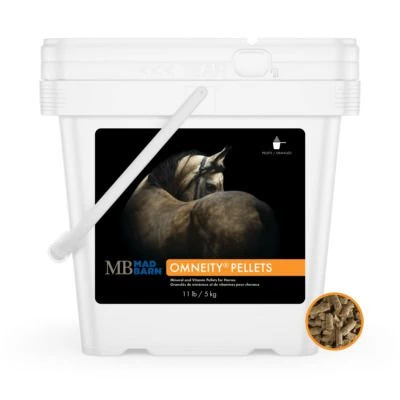
Omneity® is formulated to help balance common nutrient gaps in equine diets. It provides a full vitamin and mineral profile, including vitamin E, B vitamins, amino acids, and organic trace minerals to support overall health, immune function, and recovery.
Magnesium is commonly included in calming supplements because it plays a role in nervous system function, and horses with inadequate magnesium intake may show anxious or reactive behavior.
However, if a horse is already receiving adequate magnesium in the diet, additional magnesium has not been shown to reliably make horses calmer or less reactive. [16][17]

Other ingredients used in calming supplements include alpha-casozepine, L-tryptophan, herbal ingredients, and aromatherapy-based approaches.
Some early studies suggest potential benefits for specific ingredients, but the evidence is limited and results can vary between horses. These products should be chosen carefully and used alongside management changes that address the underlying cause of stress. [18][19][20][21][22][23]
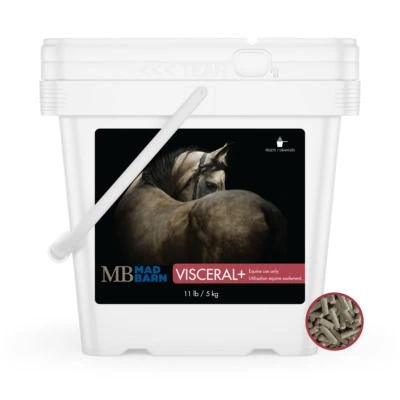
For horses with stress-related digestive concerns, additional digestive support may also be appropriate. Visceral+ supports both gastric and hindgut health in horses facing stressors such as travel, competition, changes in routine, high-starch diets, or restricted forage intake.
It can be used as part of a broader digestive support program alongside forage access, hydration, gradual diet changes, and reduced dietary starch.
If your horse is struggling with stress, dietary changes can make a meaningful difference once health concerns have been ruled out. A forage-based diet, steady access to water and salt, gradual feed transitions, and targeted nutritional support can help address common factors that contribute to digestive upset, irritability, poor recovery, and stress-related changes in behavior.
For help making a tailored diet plan for your horse, book a free consultation with one of our nutritionists to review your horse’s diet and get personalized recommendations for supporting their health, comfort, and resilience.
Frequently Asked Questions
Here are some frequently asked questions about the equine stress response:
The equine stress response is the way a horse's body and behavior react to a challenge, threat, or significant change. It involves the nervous system and hormone-producing glands, which help prepare the body for action by increasing alertness and releasing stress hormones such as cortisol. This response is a normal survival mechanism that helps horses recognize and respond to changes in their environment.
Stress in horses can be caused by physical, social, psychological, or environmental challenges. Common triggers include pain, illness, injury, transportation, unfamiliar surroundings, social separation, herd conflict, changes in routine, demanding exercise, and competition. In many cases, stress develops from a combination of factors rather than one single cause.
Common signs of stress in horses include increased alertness, tension, restlessness, sweating, faster breathing, and heightened reactions to sounds, movement, or handling. Some horses may show changes in appetite, feeding behavior, body condition, or interest in their surroundings. When stress becomes prolonged, horses may also develop repetitive behaviors such as pawing, pacing, weaving, or crib-biting.
Stress is not always bad for horses because the short-term stress response is a normal part of survival and adaptation. Temporary stress can help a horse stay alert, move away from danger, or cope with a new challenge. Stress becomes more concerning when it is severe, repeated often, or continues without enough time for recovery.
The difference between short-term and long-term stress in horses is the duration and the opportunity for recovery. Short-term stress usually occurs during immediate challenges such as travel, exercise, veterinary care, competition, or unfamiliar surroundings, and most horses return to normal once the event has passed. Long-term stress develops when stressors continue or occur repeatedly, which can keep the body's stress-response systems activated for longer periods.
Stress can make a horse sick when it becomes chronic or when it adds to other health challenges. Prolonged stress may affect digestion, appetite, immune function, body condition, and overall well being. It can also make it harder for a horse to recover from exercise, travel, illness, or other demanding events.
Stress can affect a horse's behavior by making the horse more reactive, cautious, restless, withdrawn, or difficult to settle. Some horses become more sensitive to routine handling, movement, or unfamiliar sounds, while others may show less interest in their surroundings. Chronic stress can also contribute to repetitive behaviors such as weaving, pacing, pawing, or crib-biting.
Stress can affect a horse's performance by interfering with concentration, learning, recovery, and the ability to adapt to physical and mental demands. In athletic horses, prolonged stress may reduce consistency and make it more difficult to perform at the horse's usual level. Performance can also decline when stress affects appetite, body condition, recovery after exercise, or overall health.
Transport stress affects horses by exposing them to confinement, movement, unfamiliar surroundings, disruption to routine, and physical effort during travel. Depending on the horse and the length of the journey, transportation may influence behavior, hydration, comfort, recovery, and overall well being. Allowing adequate rest and recovery after travel can help the body's stress response return to normal.
Horses can get stressed when separated from other horses because they are social animals that rely on familiar companions and herd structure. Separation may lead to increased alertness, vocalization, restlessness, pacing, or other changes in behavior. Some horses adapt quickly, while others may need gradual adjustment and consistent social management.
Stress in horses can be reduced by identifying and minimizing unnecessary physical, social, and environmental challenges. Helpful strategies include predictable routines, regular access to forage and water, turnout, appropriate social contact, gradual introduction to new situations, and good health care to address pain or illness. Adequate recovery time after transportation, competition, illness, or intense exercise is also important for long-term welfare.
Horse owners can tell stress may be becoming a long-term problem when changes in behavior, appetite, body condition, performance, or recovery persist instead of resolving after a stressful event. Chronic stress may develop gradually, so subtle changes can be easy to miss at first. Regular monitoring of behavior, feeding habits, physical condition, and responses to everyday situations can help identify concerns before they become more significant.
Summary
The equine stress response is a normal survival mechanism that helps horses recognize and react to challenges, threats, or changes in their environment.
- Stress can be triggered by physical factors such as pain, illness, and injury, and management factors such as isolation and social conflict
- Signs of stress may include tension, restlessness, heightened reactivity, appetite changes, weight loss, sweating, or reduced performance
- When a horse experiences stress, the nervous and endocrine systems activate, increasing alertness, heart rate, breathing rate, and readiness to respond
- Short-term stress usually resolves once the challenge passes, but repeated or prolonged stress can affect behavior, digestion, immune function, and overall well being
- Managing stress involves identifying ongoing stressors, supporting consistent routines, providing forage, water, turnout, social contact, and adequate recovery after stressful events
References
- Foreman. J. H. and Ferlazzo. A. Physiological responses to stress in the horse:. Pferdeheilkunde Equine Medicine. 1996.
- Reed. S. M. et al. Equine Internal Medicine. 4th ed. Elsevier. 2018.
- Padalino. B. et al. Behaviour during Transportation Predicts Stress Response and Lower Airway Contamination in Horses. PLOS ONE. 2018. View Summary
- Mills. D. and MacDonnell. S. M. Eds. The Domestic Horse: The Origins, Development and Management of Its Behaviour. Cambridge Univ. Press. 2005.
- Alexander. S. and Irvine. C. The Effect of Social Stress on Adrenal Axis Activity in Horses: The Importance of Monitoring Corticosteroid-Binding Globulin Capacity. Journal of Endocrinology. 1998. View Summary
- Aurich. J. et al. Effects of Season, Age, Sex, and Housing on Salivary Cortisol Concentrations in Horses. Domestic Animal Endocrinology. 2015. View Summary
- Geor. R. J. et al. Equine Applied and Clinical Nutrition: Health, Welfare and Performance. Elsevier Health Sciences. 2013.
- Waring. G. H. Horse Behavior. 2nd ed. Noyes Publishing. 2003.
- MacFadden. B. J. Pleistocene Horses from Tarija, Bolivia, and Validity of the Genus Onohippidium (Mammalia: Equidae). Journal of Vertebrate Palaeontology. 1997.
- Bott. R. C. et al. Production and environmental implications of equine grazing. Journal of Equine Veterinary Science. 2013.
- Henderson. A. J. Don't fence me in: managing psychological well being for elite performance horses. Journal of applied animal welfare science. 2007.View Summary
- Goodwin. D. et al. Foraging enrichment for stabled horses: effects on behaviour and selection. Equine Veterinary Journal. 2002.
- Thorne. J. B. et al. Foraging enrichment for individually housed horses: Practicality and effects on behaviour. Applied Animal Behaviour Science. 2005.
- Furtado. T. et al. Exploring horse owners' understanding of obese body condition and weight management in UK leisure horses. Equine Veterinary Journal. 2021.View Summary
- Friend. T. H. Dehydration, stress, and water consumption of horses during long-distance commercial transport. J Anim Sci. 2000. View Summary
- Dodd. J. A. et al. Does oral magnesium aspartate supplementation affect reaction speed in horses of different breeds? Comparative Exercise Physiology. 2018.
- Nielsen. B. D. and O'Connor-Robison. C. I. A pilot study to determine if a dietary mineral supplement can affect reactivity to stimuli by horses in training. Comparative Exercise Physiology. 2014.
- McDonnell. S. M. et al. Calming benefit of short-term alpha-casozepine supplementation during acclimation to domestic environment and basic ground training of adult semi-feral ponies. Journal of Equine Veterinary Science. 2013.
- Grimmett. A. and Sillence. M. N. Calmatives for the excitable horse: a review of L-tryptophan. The Veterinary Journal. 2005.View Summary
- Malmkvist. J. and Christensen. J. W. A note on the effects of a commercial tryptophan product on horse reactivity. Applied Animal Behaviour Science. 2007.
- Glover. C. and Goodwin. D. The effects of aromatherapy oil on the behaviour of stabled horses. ISAE Scientific Committee 2006 for the Organising Committee of the 40th ISAE Congress. 2006.
- Kosiara. S. and Harrison. A. P. The Effect of Aromatherapy on Equine Facial Expression, Heart Rate, Respiratory Tidal Volume and Spontaneous Muscle Contractures in M. Temporalis and M. Cleidomastoideus. Open Journal of Veterinary Medicine. 2021.
- Zahiruddin. S. et al. Ashwagandha in brain disorders: A review of recent developments. Journal of ethnopharmacology. 2020.