English

Jaundice in horses is a yellow discoloration of the eyes, gums, or skin that develops when bilirubin builds up in the body. Bilirubin is a pigment produced during the normal breakdown of red blood cells, and it is typically processed by the liver and excreted in bile.
Some horses develop mild increases in bilirubin after periods of reduced feed intake, even when liver function is normal. However, jaundice can also signal more serious conditions affecting the liver, red blood cells, or the normal flow of bile.
Because the underlying causes vary widely, owners should never ignore signs of jaundice in their horse. Veterinary assessment is needed to determine why bilirubin is accumulating and whether the horse requires treatment, supportive care, or further diagnostic testing.
Keep reading to learn what causes jaundice in horses, which symptoms may occur alongside it, how veterinarians diagnose and treat the underlying condition, and what steps to take if your horse develops signs of jaundice.
What Is Jaundice in Horses?
Jaundice, also called icterus, is a yellow discoloration of the eyes, gums, and sometimes skin that occurs when bilirubin accumulates in the body. [1][2][3]
Bilirubin is a yellow pigment produced during the normal breakdown of red blood cells. In healthy horses, the liver removes bilirubin from the bloodstream and excretes it into bile. Bile is a digestive fluid produced by the liver that carries waste products, including bilirubin, into the intestinal tract for elimination. [4][5][6]
Jaundice develops when bilirubin is produced faster than it can be removed by the body, or when liver disease or dysfunctional bile ducts interfere with normal processing and excretion. [2][6][7]
It’s important to note that the visible yellow color of icterus does not show which process is responsible. A horse may look jaundiced because bilirubin is building up from increased red blood cell breakdown, reduced liver processing, impaired bile flow, or reduced feed intake.
Associated Symptoms
The symptoms that accompany jaundice vary depending on the underlying cause. [1][2][6] Some horses show only mild discoloration, while others develop symptoms of liver disease, red blood cell disorders, or systemic illness. [3][7]
Symptoms that may occur alongside jaundice include: [1][2][5]
- Reduced appetite
- Weight loss
- Lethargy
- Fever
- Colic symptoms
- Photosensitization (sensitivity to light) affecting areas of unpigmented skin
- Swelling beneath the abdomen or limbs
- Changes in behavior or coordination
- Dark urine or pale manure in some cases
These signs do not confirm the cause of jaundice, but they help veterinarians determine which body systems may be involved. Since these symptoms are not specific to jaundice, veterinarians consider them alongside the horse’s history, physical examination, and diagnostic test results. [1][4][6]
The rate of onset may indicate the underlying mechanism causing jaundice in some cases. Liver disease often develops gradually, with symptoms becoming more noticeable as liver function declines. [3][7] In contrast, conditions that cause rapid destruction of red blood cells can result in jaundice developing over a much shorter period. [4][5]
Neurological symptoms, such as abnormal behavior, aimless wandering, or poor coordination, are generally associated with advanced liver dysfunction rather than jaundice itself. [1][3][6]
What to Do if a Horse Develops Jaundice
Owners should never ignore jaundice in their horse, as it may indicate a serious underlying condition. [1][2][6]
If your horse develops jaundice, take these steps: [1][2][6][7]
- Arrange a veterinary examination as soon as possible
- Monitor the horse for other symptoms, such as reduced appetite, lethargy, fever, colic symptoms, or changes in behavior
- Ensure the horse has access to fresh water
- Avoid making sudden changes to the horse’s diet unless advised by a veterinarian
- Do not administer medications or supplements unless they have been recommended by a veterinarian
Until the cause has been identified, owners should limit unnecessary exercise and monitor the horse closely for any changes in condition. [1][2][3][6][7]
Waiting to see whether jaundice resolves on its own is generally not recommended because some causes can progress rapidly if left untreated. [1][2][6] Early veterinary assessment improves the chances of identifying the underlying cause before significant liver damage or other complications develop. [3][7][8]
When to Call the Veterinarian
Contact a veterinarian if you notice yellow discoloration of your horse’s eyes, gums, or skin, especially if it is persistent, worsening, or accompanied by other signs of illness.
Jaundice can have several causes, and the visible yellow color does not indicate which condition is responsible. Early diagnosis and treatment can improve the outcome for many conditions associated with jaundice. [7]
Call your veterinarian promptly if jaundice occurs with:
- Reduced appetite or refusal to eat
- Depression, weakness, or rapid worsening
- Fever or signs of systemic illness
- Colic symptoms, dark urine, or pale manure
- Behavior changes, poor coordination, or other neurological signs
- Known or suspected exposure to poisonous plants, chemicals, or medications
Your veterinarian may use the horse’s history, physical examination, bloodwork, and other diagnostic tests to determine whether the jaundice is related to liver disease, bile flow, red blood cell destruction, reduced feed intake, or another condition.
Prompt evaluation is especially important when jaundice appears suddenly or is accompanied by weakness, colic signs, fever, or neurological changes. These signs may indicate a condition that requires timely treatment and close monitoring.
Risk Factors for Jaundice in Horses
Any horse can develop jaundice if bilirubin is produced too quickly, processed poorly by the liver, or unable to move normally through bile ducts. However, some horses may be at greater risk due to underlying illness, toxin exposure, reduced feed intake, or conditions that damage the liver or red blood cells. [1][2][6]
Risk factors for jaundice in horses include: [1][2][3][4][5][6][7][8]
- Liver disease
- Prolonged periods of reduced feed intake
- Poisonous plants or other toxin exposure
- Infectious diseases
- Red blood cell disorders
- Disorders affecting bile flow
Because many of these risk factors can cause similar outward signs, jaundice requires assessment by a veterinarian. The horse’s history, appetite, possible toxin exposure, medication use, and any recent illness can help guide diagnostic testing and treatment. [1][2][6]
What's your top priority with your horse's health?

What's your top priority with your horse's health?
Common Causes of Jaundice
Jaundice is not a disease, but a clinical sign that develops when an underlying condition disrupts the normal production, processing, or excretion of bilirubin. [1][2][3] Identifying the cause is essential because treatment depends on the underlying disorder rather than the jaundice itself. [1][6]
Liver Disease
Liver disease is one of the most common causes of jaundice in horses. [1][3] The liver normally removes bilirubin from the bloodstream, modifies it into a form the body can excrete, and releases it into bile. When liver cells are damaged or liver function declines, this process becomes less efficient and bilirubin can accumulate. [6][7]
A wide range of liver disorders can contribute to jaundice, including:
- Hepatitis
- Cholangiohepatitis
- Hepatic lipidosis
- Liver failure
- Fibrosis
- Toxic liver injury
Some horses with liver disease also develop vague signs such as reduced appetite, weight loss, lethargy, photosensitivity, colic-like discomfort, or neurologic changes if liver function is severely impaired. [1][2][6][7]
Bloodwork can help determine whether jaundice is more consistent with liver cell injury, impaired bile flow, or reduced liver function. Veterinarians may also use bile acids, bilirubin fractions, ultrasound, biopsy, and other findings to identify the cause. [1][5][8]
Increased Destruction of Red Blood Cells
When red blood cells are destroyed more rapidly than normal, large amounts of bilirubin are produced from the breakdown of hemoglobin, the protein that carries oxygen throughout the body. [1][2][4] If bilirubin production exceeds the liver’s ability to process and excrete it, jaundice can develop even if the liver itself is not the primary problem. [1][2]
In horses, rapid hemolysis (breakdown of red blood cells) can occur with conditions such as: [1][2][4]
- Neonatal isoerythrolysis
- Immune-mediated hemolytic anemia
- Some types of infection
- Toxin exposures
- Other disorders that damage red blood cells
This form of jaundice is different from liver-related jaundice because the primary problem starts with the red blood cells rather than the liver. However, the origin of jaundice cannot be determined by appearance alone. Given this, bloodwork is needed to determine whether bilirubin is accumulating because of red blood cell destruction, liver dysfunction, or impaired bile flow.
Disorders Affecting Bile Flow (Cholestasis)
Bile carries bilirubin from the liver into the horse’s digestive tract for elimination. Unlike many other mammals, horses do not have a gallbladder, the organ responsible for bile storage and secretion. In horses, bile flows from the liver through the bile ducts and into the small intestine. If bile flow is reduced or blocked, bilirubin can accumulate in the liver and bloodstream. [1][3][6]
Reduced or impaired bile flow is called cholestasis. It may occur within the liver or in the larger bile ducts outside the liver. [1][3][6]
Conditions that can interfere with bilirubin excretion include: [1][3][6][8]
- Cholangitis
- Cholangiohepatitis
- Bile duct obstruction
- Biliary inflammation
- Bile duct stones
Horses with cholestasis may show jaundice along with changes in liver-associated bloodwork, particularly enzymes that suggest biliary irritation or obstruction. [5][8] These patterns can help veterinarians decide whether further imaging or additional diagnostic testing is needed. [1][6][8]
Infectious Diseases
Some infectious diseases can cause jaundice by damaging the liver, triggering inflammation, or contributing to red blood cell destruction. [1][2][6] In these cases, jaundice develops as a consequence of the underlying disease process, rather than as a standalone condition.
Important infectious causes of jaundice in equine medicine include: [1][2][3][6]
- Theiler’s disease (Theiler’s hepatitis)
- Tyzzer’s disease in foals
- Bacterial infections that involve the liver or bile ducts
Some infections primarily damage liver cells, while others may produce inflammation around bile ducts or contribute to systemic illness that secondarily affects liver function. [1][6][8]
Because infectious liver diseases can progress quickly, jaundice accompanied by fever, lethargy, poor appetite, neurologic signs, or other serious signs require prompt veterinary assessment. [1][2][6]
Poisoning
Certain poisonous plants, such as ragwort, along with some chemicals, minerals, mycotoxins, and medications, can injure the liver and interfere with its normal function. [2][6][7][8] Toxic liver injury may be acute, developing after a significant exposure, or chronic, developing gradually after repeated exposure over time. [6][7]
Pyrrolizidine alkaloid-containing plants are a well-recognized cause of liver damage in horses. These toxins can damage liver cells and contribute to fibrosis, reducing the liver’s ability to process bilirubin and perform other essential functions. [2][6][7] As liver function declines, bilirubin may accumulate and cause jaundice. [3][6]
Plants that contain pyrrolizidine alkaloids include: [9]
- Ragwort and other Senecio species
- Hound’s tongue (Cynoglossum officinale)
- Fiddleneck (Amsinckia species)
- Heliotrope (Heliotropium species)
- Rattlebox or rattlepod (Crotalaria species)
Toxin-related jaundice may also occur alongside weight loss, poor appetite, photosensitivity, lethargy, or neurologic signs. If poisoning is suspected, immediately remove the source and seek prompt veterinary care. [2][6][7]
Prolonged Low Feed Intake
Unlike many other species, horses commonly develop mild increases in bilirubin after periods of reduced feed intake or prolonged fasting, even when the liver is functioning normally. [1][5][8] This occurs because fasting can reduce the liver’s uptake and processing of bilirubin, allowing bilirubin levels in the blood to rise temporarily. [1][5]
This is often seen when horses go off feed due to illness, stress, or pain. In many cases, the bilirubin increase improves once the horse resumes eating and the underlying reason for reduced intake is addressed. [1][2][5]
Although reduced feed intake can cause mild jaundice, persistent, marked, or worsening yellow discoloration is more concerning. [1][5][6] Since many disorders are associated with jaundice, veterinary examination and bloodwork are needed to determine whether signs are related to fasting, liver disease, hemolysis, impaired bile flow, or another underlying problem. [2][3][5]
Table 1. Common causes of jaundice in horses
| Cause | How it leads to jaundice | What owners may notice |
|---|---|---|
| Liver disease |
|
|
| Increased destruction of red blood cells |
|
|
| Disorders affecting bile flow |
|
|
| Infectious diseases |
|
|
| Poisoning or toxin exposure |
|
|
| Reduced feed intake |
|
|
Diagnosis & Treatment
Since jaundice is a symptom rather than a disease, diagnosis focuses on identifying the underlying cause. [1][2][6]
Diagnostic tests may include: [1][4][5][10]
- Blood tests
- Ultrasound imaging
- X-rays
- Liver biopsy
No single test can determine the cause of jaundice. [4][5][8] Although bilirubin testing confirms that it has accumulated in the bloodstream, additional blood tests are needed to determine whether the problem is related to liver disease, bile flow, or increased destruction of red blood cells. [3][4][5]
Bile acid concentrations help assess how well the liver is functioning and are often interpreted alongside liver enzyme activities and bilirubin levels. [1][5][8]

Treatment
Treatment depends on the underlying diagnosis rather than the jaundice itself. [2][6][7]
Possible treatments may include: [1][3][7]
- Treating or managing liver disease
- Managing the cause of red blood cell destruction
- Correcting dehydration by providing electrolytes and water
- Providing nutritional support
- Removing exposure to toxins
Supportive care may be needed during treatment, especially if the horse is not eating normally, is dehydrated, or shows signs of systemic illness.
In cases involving liver disease, treatment may focus on reducing further liver stress, maintaining hydration, supporting feed intake, and addressing any infection, inflammation, or toxin exposure involved.
If jaundice is related to hemolysis, treatment depends on the cause of red blood cell destruction and the severity of anemia or systemic illness. Horses with toxin-related jaundice should be removed from the suspected source and may require ongoing supportive care.
Prognosis
The prognosis for horses with jaundice varies according to the cause, the extent of liver damage, and how quickly treatment begins. [1][2][6]
Horses with mild bilirubin increases related to reduced feed intake may improve once the underlying reason for poor appetite is addressed and normal intake resumes. However, jaundice associated with significant liver disease, bile flow obstruction, toxin exposure, infection, or red blood cell destruction can be more serious and may require ongoing treatment and monitoring.
Prevention
Preventing jaundice is not always possible because it is a symptom of many different conditions. [1][2][6] However, reducing the risk of liver disease and other underlying disorders may also reduce the likelihood of jaundice developing. [3][7]
Measures that may help reduce the risk include: [1][2][7]
- Providing a balanced diet and clean water
- Avoiding sudden or prolonged periods without feed
- Preventing access to poisonous plants, chemicals, and other toxins
- Following an appropriate vaccination and parasite control program
- Managing medications carefully under veterinary guidance
- Investigating unexplained weight loss, poor appetite, or other persistent symptoms promptly
Although owners cannot prevent all causes of jaundice, early recognition and treatment of underlying disease can improve the outcome for many affected horses. [1][6][8]
Nutritional Liver Support
Once the underlying cause of jaundice is under control, nutrition may be used as part of the horse’s broader management plan under veterinary and nutritionist guidance.
Horses with liver concerns may benefit from a diet that meets protein requirements without greatly exceeding them, since the liver plays an important role in processing ammonia from protein breakdown. [11] A qualified equine nutritionist can help evaluate forage, pasture, concentrates, and total protein intake to determine whether changes are appropriate.
Feeding management may also involve dividing the ration into more frequent meals, avoiding unnecessary added iron, and reducing exposure to liver-damaging plants or toxins.
Mad Barn’s Milk Thistle may be used as nutritional support for normal liver function as part of a veterinarian-guided management plan. Milk thistle contains silymarin, a group of plant compounds studied for antioxidant effects and liver-supportive properties in other species. [12][13][14]
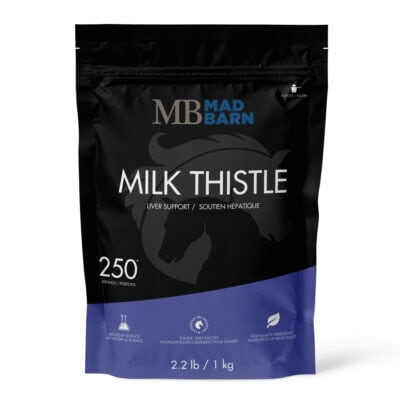
However, Milk Thistle does not treat jaundice or replace medical care. If your horse has visible jaundice, reduced appetite, fever, depression, colic signs, neurologic changes, or suspected toxin exposure, contact your veterinarian promptly.
Nutrition support is most appropriate after the cause of jaundice has been investigated and the horse’s medical needs are being addressed.
Frequently Asked Questions
Here are some frequently asked questions about jaundice in horses:
Jaundice in horses is caused by a buildup of bilirubin in the bloodstream. Bilirubin is a yellow pigment produced during the normal breakdown of red blood cells, and it is normally processed by the liver and excreted in bile. Jaundice can develop when the liver cannot process bilirubin properly, when bile flow is reduced or blocked, when red blood cells are destroyed too quickly, or when feed intake is reduced for a prolonged period. Because these causes vary widely in severity, jaundice should be treated as a sign that needs investigation, not as a diagnosis on its own.
Jaundice in horses is not always caused by liver disease. Liver disease is an important cause, but jaundice can also occur when red blood cells are destroyed rapidly, when bile flow is impaired, or when a horse has gone without adequate feed. Some infections, toxins, poisonous plants, chemicals, and medications can also contribute by damaging the liver or affecting red blood cells. A veterinary examination and diagnostic testing are needed to determine which cause is present.
A horse can get jaundice from not eating because reduced feed intake can cause bilirubin levels to rise, even when liver function is normal. This type of bilirubin increase is usually mild and often improves once the horse resumes eating and the reason for reduced intake is addressed. However, marked, persistent, or worsening yellow discoloration should not be assumed to be harmless. A veterinarian should assess the horse to rule out liver disease, bile flow disorders, red blood cell destruction, toxin exposure, or another serious condition.
The symptoms of jaundice in horses include yellow discoloration of the eyes, gums, and sometimes the skin. Some horses show only mild discoloration, while others also develop reduced appetite, weight loss, lethargy, depression, fever, colic signs, swelling, dark urine, or pale manure. Horses with liver disease may develop photosensitivity on unpigmented skin. Severe liver dysfunction can also cause behavior changes, aimless wandering, poor coordination, or other neurological signs.
Jaundice in horses is an emergency when it appears suddenly, worsens quickly, or occurs with other signs of illness. Fever, colic symptoms, depression, weakness, refusal to eat, dark urine, pale manure, neurological changes, or rapid decline all require prompt veterinary attention. Jaundice after known or suspected exposure to poisonous plants, chemicals, or medications should also be treated urgently. Even mild jaundice should not be ignored because some causes can progress before obvious signs become severe.
Veterinarians diagnose jaundice in horses by confirming bilirubin accumulation and then identifying why it is occurring. Diagnostic work may include a physical examination, review of the horse's history, bloodwork, liver enzyme testing, bile acid testing, ultrasound, radiographs, or liver biopsy in selected cases. No single test can identify every cause of jaundice. Results are interpreted together to determine whether the problem is related to liver disease, impaired bile flow, red blood cell destruction, reduced feed intake, or another condition.
Blood tests for jaundice in horses commonly assess bilirubin levels along with other markers of liver function, liver cell injury, bile flow, and red blood cell status. Bilirubin testing confirms that bilirubin has accumulated, but it does not explain the cause on its own. Liver enzyme activities and bile acid concentrations can help determine whether liver damage, impaired bile flow, or reduced liver function is present. Additional bloodwork may also help identify anemia or other signs consistent with red blood cell destruction.
Jaundice in horses can often be treated when the underlying cause can be identified and managed. Treatment may involve supportive care, nutritional support, correction of dehydration, treatment of liver disease, management of red blood cell destruction, or removal of toxin exposure. The specific plan depends on the diagnosis, the horse's overall condition, and the extent of any liver damage. Because jaundice is a symptom rather than a disease, treatment should focus on the cause of the bilirubin buildup.
Jaundice in horses may go away on its own if it is mild and caused by temporary reduced feed intake. However, waiting to see whether jaundice resolves is generally not recommended because some underlying causes can progress quickly if left untreated. Persistent, marked, or worsening yellow discoloration should be investigated by a veterinarian. Early diagnosis helps distinguish temporary bilirubin increases from liver disease, bile flow problems, red blood cell disorders, toxin exposure, or infectious disease.
Liver disease can cause jaundice in horses when liver cells are damaged or liver function declines enough to interfere with bilirubin processing. The liver normally removes bilirubin from the bloodstream, modifies it for excretion, and releases it into bile. Conditions such as hepatitis, cholangiohepatitis, hepatic lipidosis, liver failure, fibrosis, and toxic liver injury can all interfere with this process. Horses with liver-related jaundice may also show reduced appetite, weight loss, depression, photosensitivity, colic-like discomfort, or neurological signs if liver dysfunction is advanced.
Red blood cell destruction can cause jaundice in horses when bilirubin is produced faster than the liver can process it. This process is known as hemolysis, and it can occur with conditions such as neonatal isoerythrolysis in foals, immune-mediated hemolytic anemia, some infections, toxin exposure, or other disorders that damage red blood cells. Horses with hemolysis may develop jaundice along with anemia, weakness, depression, increased heart rate, dark urine, or pale-to-yellow mucous membranes. These cases require prompt veterinary assessment because the underlying condition can be serious.
Bile flow problems can cause jaundice in horses when bilirubin cannot move normally from the liver into the digestive tract. Horses do not have a gallbladder, so bile flows from the liver through bile ducts and into the small intestine. If bile flow is reduced or blocked, bilirubin can accumulate in the liver and bloodstream. Conditions such as cholangitis, cholangiohepatitis, bile duct inflammation, bile duct obstruction, or less commonly bile duct stones can contribute to this type of jaundice.
Poisonous plants and toxins can cause jaundice in horses by injuring the liver and interfering with normal bilirubin processing. Ragwort and other pyrrolizidine alkaloid-containing plants are well-recognized causes of liver damage in horses. Some chemicals, minerals, mycotoxins, and medications can also contribute to toxic liver injury. If toxin exposure is suspected, remove access to the source and contact a veterinarian promptly.
If your horse develops jaundice, arrange a veterinary examination as soon as possible. Monitor for other signs such as poor appetite, lethargy, fever, colic symptoms, swelling, dark urine, pale manure, weakness, or changes in behavior and coordination. Make sure the horse has access to fresh water, avoid sudden diet changes, and do not give medications or supplements unless recommended by a veterinarian. Limit unnecessary exercise and watch closely for changes in condition until the cause is identified.
Jaundice in horses cannot always be prevented because it is a symptom of many different disorders. Risk may be reduced by providing balanced nutrition, clean water, appropriate parasite control, vaccination where recommended, and careful medication use under veterinary guidance. Preventing access to poisonous plants, chemicals, and other toxins is also important for reducing the risk of liver injury. Prompt investigation of unexplained weight loss, poor appetite, reduced feed intake, or persistent illness can help identify underlying problems before they become more serious.
Summary
Jaundice in horses is yellow discoloration of the eyes, gums, or skin caused by bilirubin buildup.
- Bilirubin is normally processed by the liver and removed through bile.
- Common causes include liver disease, red blood cell destruction, bile flow problems, infection, poisoning, and reduced feed intake
- Symptoms may include poor appetite, weight loss, lethargy, fever, colic signs, photosensitivity, dark urine, or behavior changes
- Diagnosis focuses on finding the underlying cause through bloodwork, imaging, liver testing, or biopsy
- Jaundice should prompt veterinary assessment, especially if it is persistent, sudden, worsening, or occurs with other signs of illness
References
- Reed. S. M. et al. Equine Internal Medicine. 4th ed. Elsevier, St. Louis. 2018.
- Smith. B. P. et al. Eds. Large Animal Internal Medicine. Sixth edition. Elsevier, St. Louis, Missouri. 2020.
- Mair. T. S. and Divers. T. J. Diseases of the Liver and Liver Failure. The Equine Acute Abdomen. 1st ed. Wiley. 2017.
- Thrall. M. A. et al. Veterinary Hematology and Clinical Chemistry. 2nd ed. Wiley, Somerset. 2012.
- Walton. R. M. Equine Clinical Pathology. John Wiley & Sons. 2014.
- Divers. T. J. and Barton. M. H. Disorders of the Liver. Equine Internal Medicine. Elsevier. 2018.
- Bergero. D. and Nery. J. Hepatic Diseases in Horses. Journal of Animal Physiology and Animal Nutrition. 2008.
- Satué. K. et al. Hepatic Enzyme Profile in Horses. Animals. 2022.
- Plumlee, K. H. Ed. Clinical Veterinary Toxicology. Mosby 2004.
- Auer. J. A. Equine Surgery. 5th edition. Elsevier. 2018.
- Overview of Hepatic Disease in Large Animals - Digestive System. Merck Veterinary Manual. 2023.
- Mulrow C. et al. Milk Thistle: Effects on Liver Disease and Cirrhosis and Clinical Adverse Effects: Summary. In: AHRQ Evidence Report Summaries. Agency for Healthcare Research and Quality (US). 2000.
- Hutchinson C. et al. The Iron-Chelating Potential of Silybin in Patients with Hereditary Haemochromatosis. Eur J Clin Nutr. 2010.
- Cacciapuoti F. et al. Silymarin in Non Alcoholic Fatty Liver Disease. World J Hepatol. 2013.