English
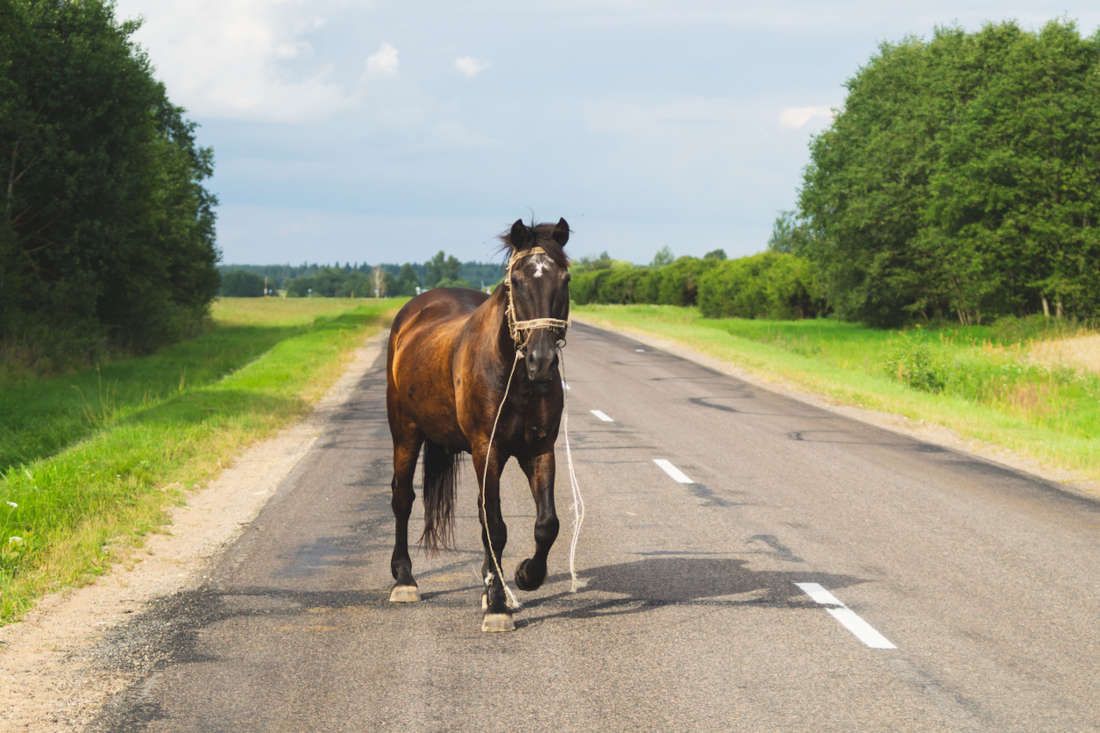
Finding a missing horse is an urgent and stressful situation for any owner or caretaker, but a calm, organized response can improve the chances of a safe recovery.
Horses most often go missing after escaping from a pasture, paddock, stable, or transport vehicle. Some remain close to familiar surroundings, while others may run farther if frightened by storms, loud noises, natural disasters, or other sudden events.
Understanding why horses go missing and how they typically behave after escaping can help owners search more effectively, involve the right people, and recover the horse safely once found.
Keep reading to learn why horses go missing, how to organize a search, what to do when a lost horse is found, and how to reduce the risk of future escapes.
Why Horses Go Missing
Horses can go missing for many reasons, and understanding the cause of the escape can help guide the search. Most horses go missing after escaping from a paddock, pasture, stable, or transport vehicle rather than intentionally wandering away. [1][2][3]
Common reasons horses go missing include: [3][4][5]
- Damaged or unsecured fencing and gates
- Storms, floods, wildfires, or other natural disasters
- Fear caused by loud noises or other sudden disturbances
- Following other horses that have escaped
- Escapes during transport, loading, or unloading
- Theft
Once free, where a horse travels depends largely on the circumstances of the escape and the horse’s natural behavior. [1][2]
As prey animals, horses instinctively flee when frightened. [1][2] A frightened horse may run some distance before stopping in an area that feels safe, while a horse that quietly wanders through an open gate is more likely to remain close to familiar surroundings. [1][2]
What's your top priority with your horse's health?

What's your top priority with your horse's health?
How Lost Horses Behave
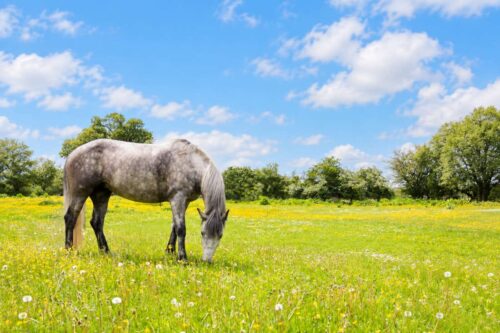
Horses are social prey animals that rely on familiar surroundings and other horses for safety. After escaping, many remain within an area they recognize or seek out other horses rather than traveling aimlessly. [1][2]
A horse that escapes quietly through an open gate or damaged fence often stays relatively close to home, especially if food, water, and companions are nearby. In contrast, a horse frightened by a storm, loud noise, or other sudden event may run much farther before stopping. [1][2]
Once the initial flight response has passed, many horses begin behaving more normally. They may stop to graze, drink, rest, or seek shelter, particularly if they are no longer frightened. Horses also have a strong social instinct and may seek out other horses if given the opportunity. [1][2]
Rather than traveling continuously, lost horses often remain in an area that provides food, water, and a sense of security until they are disturbed again. [1][2] Understanding these natural behaviors can help focus search efforts on the places a horse is most likely to be found.
Initial Response After Escape
Acting quickly and methodically can improve the chances of finding a lost horse safely. [3][6]
The first steps owners can take to find their horse should include: [3][4][6]
- Confirm the horse is missing and has not been moved to another paddock or stable
- Check nearby fields, shelters, barns, and other areas where the horse may be trapped or confined
- Identify the point where the horse escaped, such as a damaged fence or open gate
- Note the approximate time the horse was last seen and the direction it may have traveled
- Notify everyone on the property so the search can begin immediately
- Secure any remaining horses and livestock to prevent additional escapes
If the horse escaped during a storm, wildfire, flood, or transport incident, assess the area for hazards before beginning the search. [4][5][7] If roads, downed power lines, damaged buildings, floodwaters, or other hazards are present, avoid them until emergency services determine the area is safe. [7]
Recording key details early can also help when contacting neighbors, emergency services, or volunteers later in the search. [5][8]
Table 1. What to do when a horse goes missing
| Action | Why it matters | Helpful details |
|---|---|---|
| Confirm the horse is missing | Prevents confusion before the search begins | Check nearby paddocks, stalls, shelters, barns, and enclosed areas. Ask whether anyone moved the horse. |
| Find the escape point | Helps identify the most likely direction of travel | Look for open gates, damaged fencing, broken latches, hoofprints, or manure. |
| Note key details | Makes reports and search updates more accurate | Record when the horse was last seen, the likely direction of travel, and any recent sightings. |
| Secure other horses | Reduces the risk of additional escapes | Check gates, fencing, and latches before leaving the property to search. |
| Search nearby areas first | Many lost horses remain close to familiar surroundings | Check fields, wooded areas, trails, waterways, shelters, and neighboring properties. Get permission before entering private land. |
| Watch for hazards | Keeps people and horses safer during the search | Avoid floodwater, downed power lines, unstable buildings, roads, and wildfire areas. Wait for emergency services if the area is unsafe. |
| Alert people quickly | Expands the search area and increases the chance of sightings | Contact neighbors, local farms, riding groups, veterinarians, farriers, and animal control where available. Call police if theft or road safety is a concern. |
| Bring recovery supplies | Helps safely catch the horse if it is found | Carry a halter, lead rope, flashlight, and familiar feed or treats. Approach calmly and avoid chasing the horse. |
Information to Gather Before You Search
Before the search expands, record the most important details about the missing horse. Clear information helps owners, volunteers, neighbors, animal control, and emergency responders recognize the horse and report accurate sightings.
Details to gather include:
- Basic identification: Record the horse’s name, age, sex, breed, color, approximate height, and any distinctive markings.
- Permanent identification: Note microchip numbers, brands, tattoos, scars, whorls, or other identifying features if known.
- Recent photos: Use clear images that show both sides of the horse, the face, legs, and any unique markings.
- Last known location: Record where and when the horse was last seen, along with the likely direction of travel.
- Handling notes: Include whether the horse is easy to catch, nervous, injured, halter-broke, or unsafe for strangers to approach.
- Health concerns: Note any medical conditions, lameness, pregnancy, medication needs, or special care requirements.
Keep this information in one place so it can be shared quickly when contacting neighbors, posting online, making flyers, or speaking with authorities. If theft is suspected, accurate identification records may also help confirm ownership once the horse is found.
Searching for a Lost Horse
An organized search is more effective than covering large areas at random when it comes to finding a lost horse. [1][2][3]
Systematic searches should include the closest likely areas first, then expand outward as owners gain more information.
Tips to improve your search include: [3][4][5]
- Search the area closest to where the horse was last seen before expanding outward
- Check nearby paddocks, wooded areas, trails, waterways, and other places that may provide shelter
- Look for hoofprints, manure, broken fencing, or other signs of recent movement
- Search properties bordering the escape point, with permission where required
- Divide larger search areas between volunteers to avoid duplication
- Continue searching during daylight and, if safe, after dark using lights
Owners can adapt the search to the circumstances of their horse’s escape. [1][2][3] Begin by following the most likely escape route and prioritizing any recent sightings before expanding the search area. [3][4][5]
If the horse is not found during the initial search, repeat the search in the same areas later. Horses may continue moving or return to familiar areas after the initial excitement has passed. [1][2][4]
Mapping the Search Area
Mapping the search area can help prevent duplicate effort and keep volunteers organized. Start by marking the escape point, the last confirmed sighting, and any direction the horse may have traveled.
From there, search outward in a logical pattern. Prioritize nearby fields, fence lines, wooded areas, trails, waterways, shelters, and properties with other horses. Horses may stop in places that provide food, water, cover, or social contact.
If multiple people are helping, assign each person or group a specific area to check. Record where volunteers have searched, when each area was covered, and whether any signs were found, such as hoofprints, manure, broken fencing, or disturbed vegetation.
Recent sightings should guide the next phase of the search. Note the time, location, direction of travel, and behavior reported in each sighting so the search does not become scattered or based on outdated information.
Getting Others Involved in the Search
Enlisting help can significantly improve the chances of locating a lost horse, particularly if the search extends beyond the immediate property. [4][5][6]
People and organizations that may be able to assist include: [5][6][8]
- Neighboring landowners and farms
- Local riding clubs and equestrian groups
- Veterinarians and farriers
- Feed and tack stores
- Animal control or livestock authorities where available
- Police, particularly if theft or a road safety risk is suspected
Sharing recent photographs, identifying markings, and the horse’s last known location can help others recognize and report sightings. [5][8] Social media and community groups can also spread information quickly, especially when clear photographs and accurate contact details are provided. [4][5]
If possible, people helping with the search should carry: [3][6]
Calling the horse calmly and listening for responses may also help locate a nearby horse that may hide out of sight. [1][2]
Search efforts should continue until the horse is found or there is reliable information indicating it has moved to another area. [4][5]

Mistakes to Avoid When Searching for a Lost Horse
During a search, some well-intended actions can make the situation more dangerous. A frightened horse may run farther if people crowd, chase, or pressure them, especially in unfamiliar surroundings.
Avoid these common mistakes when searching for a lost horse:
- Do not chase the horse: Running, yelling, honking, or driving toward the horse can trigger another flight response.
- Do not corner the horse: A trapped horse may panic, jump fencing, bolt into traffic, or injure themselves trying to escape.
- Do not send people into unsafe areas: Avoid floodwater, wildfire zones, unstable buildings, downed power lines, steep terrain, and busy roads.
- Do not enter private property without permission: Contact the landowner first, or ask local authorities for help if access is urgent.
- Do not assume a quiet horse is safe: A lost horse may appear calm but react suddenly if approached, touched, or restrained.
- Do not feed a large meal after recovery: Horses that have been missing for an extended period should return to normal feeding gradually.
The safest search approach is calm, coordinated, and controlled. Ask helpers to report sightings rather than pursue the horse unless they are experienced handlers and the situation is safe.
Recovering a Found Horse
Owners should approach a lost horse calmly to help prevent it from running away again. [1][2][3]
When recovering a horse, focus on quiet handling and avoid actions that could trigger another flight response.
Tips for safely handling a recovered horse include: [1][2][3][6]
- Approach slowly and avoid sudden movements or loud noises
- Speak calmly and allow the horse to recognize a familiar voice
- Use a halter and lead rope if it is safe to do so
- Offer familiar feed or treats if they help encourage the horse to approach
- Avoid chasing the horse, as this may trigger another flight response
- Use another quiet horse to help attract or settle the lost horse when appropriate
Once the horse has been caught, check for cuts, swelling, lameness, or other injuries that may have occurred during the escape. [3][6] If the horse has been missing for an extended period or shows signs of illness or injury, a veterinary examination is recommended before returning it to normal activity. [5][6]
After returning home, monitor the horse closely for delayed signs of injury, dehydration, or exhaustion. [3][6] Fresh water should be available, and horses that have been missing for an extended period may benefit from returning to their normal diet gradually rather than receiving a large meal immediately. [5][6]
Continued observation during the following 24 to 48 hours can help identify problems that were not immediately apparent when the horse was recovered. [3][6]
When to Call the Veterinarian
Veterinary support is important when a recovered horse may have been injured, exhausted, dehydrated, or exposed to hazards while missing. Some problems are obvious right away, while others are only apparent after the horse has settled.
Call a veterinarian if the horse:
- Has visible wounds, swelling, heat, bleeding, or signs of pain
- Shows lameness, reluctance to move, stiffness, or an abnormal gait
- Appears dull, weak, overheated, dehydrated, or unusually distressed
- Was missing for an extended period or may have gone without normal food or water
- May have been exposed to floodwater, fire, smoke, traffic, unstable terrain, or other hazards
A veterinarian can assess the horse for injury, dehydration, exhaustion, and other concerns before they return to normal turnout, feeding, or work. Prompt evaluation is especially important if the horse’s condition changes after recovery or if the circumstances of the escape suggest a higher risk of trauma.
After the Horse Is Home
Once the horse is safely home, keep them in a secure, quiet area where they can settle. Check fencing, gates, and latches before turning the horse out again, especially if the original escape point has not been repaired.
Offer fresh water and small amounts of the horse’s normal forage. Avoid giving a large grain meal or sudden feed change, particularly if the horse was missing for several hours or may not have had access to food and water.
Continue monitoring the horse closely over the next 24 to 48 hours. Watch for changes in appetite, manure output, hydration, attitude, gait, body temperature, or signs of pain. Some injuries, soreness, dehydration, or stress-related problems may not be obvious immediately after recovery.
Do not punish the horse after an escape. The horse will not understand why they are being punished after the fact, and punishment can increase fear, make the horse harder to catch, and does not prevent future escapes.
Delay exercise until the horse has had time to rest and has been checked for injury. If the horse was missing for an extended period, exposed to hazards, or appears abnormal in any way, consult a veterinarian before returning to normal turnout, feeding, or work.
After the horse is secure, update anyone who helped with the search. Remove or edit missing-horse posts, notify local authorities or animal control if they were involved, and thank neighbors or volunteers who reported sightings. Then review how the escape happened so the property, transport routine, or emergency plan can be improved.
Preventing Future Escapes
Although not every escape is preventable, good management can reduce the risk of horses going missing. [4][5][6][7][8]
Measures that may help prevent future escapes include: [4][5][6][7][8]
- Inspect fencing, gates, and latches regularly for damage or wear
- Repair damaged fencing promptly and remove potential hazards
- Use safe loading and trailering practices
- Ensure horses have permanent identification, such as a microchip or brand, where appropriate
- Keep recent photographs and identification records up to date
- Prepare an emergency plan for storms, floods, wildfires, and other disasters
- Consider using breakaway halters when halters must be left on horses
Following a severe storm or other natural disaster, inspect fencing, gates, water supplies, and shelters before horses are returned to their normal paddocks. Repairing damaged infrastructure promptly can reduce the risk of further escapes and injuries. [7]
Identification records should be reviewed and updated regularly. Recent photographs should clearly show both sides of the horse, along with any distinctive markings or brands. Recording microchip numbers, scars, whorls, and other identifying features can also make it easier to confirm a horse’s identity if it is recovered. [5][8]
Maintaining accurate identification records and emergency contact information can make it easier to reunite lost horses with their owners. [5][8] Regular property inspections, fence repair, and emergency planning can also reduce the likelihood of future escapes and improve the chances of a safe recovery if one occurs. [4][7]
Successful recoveries often depend on a combination of careful planning, community involvement, and safe handling once the horse has been located. Although every situation is different, a calm and systematic response provides the best opportunity to locate a missing horse and return it home safely.
What to Do if You Find a Lost Horse
Finding a loose or unfamiliar horse can be dangerous, especially if the horse is frightened, injured, or near a road. Your first priority should be to keep yourself, the horse, and others in the area safe. What you should do next depends on your experience handling horses and whether the situation can be managed safely.
If You Are Inexperienced With Horses
If you are not experienced handling horses, do not try to catch or restrain the horse yourself. Even a normally quiet horse may panic if frightened, injured, or separated from familiar surroundings.
Do not chase the horse or attempt to corner it. Sudden movement, loud voices, vehicles, dogs, or too many people approaching at once can trigger the horse to run again. Instead, move slowly, speak calmly, and keep a safe distance while you assess the situation.
If the horse is loose near traffic, contact local police, animal control, or emergency services right away. A loose horse on a road can create a serious hazard for drivers and may require traffic control before anyone attempts to catch or move the horse.
If possible, observe the horse from a safe location and note the direction of travel, exact location, and any visible identifying features. Clear information can help the owner, animal control, or emergency responders locate the horse more quickly.
If You Are an Experienced Handler
If you are experienced handling horses and the situation appears safe, try to calmly contain the horse in a secure area, such as a fenced pasture, paddock, arena, or laneway with closed gates. Use a halter and lead rope only if the horse appears calm and you can approach without increasing the risk of flight or injury.
Offering a small amount of feed or hay may help encourage the horse to stay nearby, but avoid crowding, grabbing, or blocking the horse’s path if they are nervous. A quiet, familiar horse may also help settle the loose horse when appropriate.
Once the horse is contained or you can observe them safely, look for identification such as a halter tag, brand, microchip information, or markings described in a missing-horse post. Take clear photos from a safe distance, including both sides of the body and any distinctive markings. Note the exact location, time, direction of travel, and the horse’s condition.
Contact the likely owner if you can identify them. If not, notify nearby farms, local veterinarians, farriers, animal control, police, riding groups, and community lost-animal pages. Share accurate details, but avoid posting every identifying feature publicly so the horse’s owner can confirm ownership.
If the horse appears injured, exhausted, dehydrated, trapped, or unsafe to handle, contact a veterinarian or local animal authority for help. Do not feed a large meal, administer medication, or move the horse a long distance unless directed by the owner, veterinarian, or emergency personnel.
Once the owner is located, provide the exact location, photos, and any observations about the horse’s behavior or condition. A calm, careful response can prevent the horse from fleeing again and improve the chances of a safe reunion.
Frequently Asked Questions
Here are some frequently asked questions about how to find a lost horse:
How far a lost horse will travel depends on how and why the horse escaped. A horse that slips through an open gate or damaged fence may stay close to familiar surroundings, especially if food, water, and other horses are nearby. A horse frightened by a storm, loud noise, transport incident, or other sudden event may run much farther before stopping. Once the initial fear passes, many lost horses stop to graze, drink, rest, seek shelter, or look for other horses.
Lost horses may come home on their own, but owners should not rely on this as the main recovery plan. Some horses return to familiar areas after the initial excitement has passed, while others may remain hidden, become trapped, join nearby horses, or continue moving. A calm, organized search should begin as soon as the horse is confirmed missing. Prompt action is especially important if roads, severe weather, damaged fencing, floodwaters, downed power lines, or other hazards are nearby.
When a horse goes missing, the first step is to confirm that the horse has not been moved, trapped, or confined somewhere nearby. Check paddocks, shelters, barns, fields, gates, fencing, and any area where the horse could have become stuck or hidden. Identify the likely escape point, record the last known location and time, and note the direction the horse may have traveled. Notify everyone on the property and secure any remaining horses to prevent additional escapes.
The best way to search for a lost horse is to start at the last known location and expand outward in an organized pattern. Search nearby paddocks, wooded areas, trails, waterways, neighboring properties, and places that offer food, water, shelter, or the company of other horses. Look for hoofprints, manure, broken fencing, disturbed ground, or other signs of recent movement. Larger search areas should be divided between volunteers so the same areas are not searched repeatedly while others are missed.
Lost horses are most likely to be found near familiar surroundings, other horses, food, water, or sheltered areas. A horse that was not badly frightened may remain close to the escape point, especially if nearby resources feel safe. A horse that bolted may stop farther away once the flight response has passed, then begin grazing, drinking, or resting. Search efforts should prioritize likely escape routes, recent sightings, neighboring farms, wooded areas, trails, and water sources.
Horses go missing most often because they escape from a paddock, pasture, stable, or transport situation. Common causes include damaged fencing, open gates, broken latches, storms, floods, wildfires, loud noises, and stressful loading or unloading incidents. Horses may also leave if they follow another horse that has escaped. Theft is less common, but it should be considered if there are signs of forced entry, missing equipment, or suspicious activity.
Lost horses usually behave according to their natural instincts as social prey animals. If a horse escapes calmly, it may stay close to home or move toward other horses, food, water, or shelter. If the horse is frightened, it may run first and settle later once the immediate fear has passed. Many lost horses do not travel continuously, but remain in an area that feels safe until they are disturbed again.
Signs that can help track a missing horse include hoofprints, manure, broken fencing, bent vegetation, disturbed ground, and marks near gates or trails. These clues are especially useful near the escape point, along likely travel routes, and around water sources or sheltered areas. Recent sightings from neighbors or passersby can also help narrow the search area. Searchers should record where each sign or sighting was found so the search can expand in a logical direction.
When a horse is missing, contact neighboring landowners, nearby farms, local horse owners, riding clubs, veterinarians, farriers, feed stores, and tack stores. Animal control, livestock authorities, and police may also need to be contacted depending on the situation. Share clear recent photographs, identifying markings, the horse's last known location, and reliable contact information. Local social media and community groups can help spread accurate information quickly.
Police should be contacted for a missing horse if theft is suspected or if the horse may create a road safety risk. Police or emergency services may also be appropriate if the horse escaped during a transport incident, disaster, or other situation involving public safety. In some areas, animal control or livestock authorities may be the more appropriate first contact. When reporting the horse, provide recent photographs, identifying features, the last known location, and any details about the escape.
Information shared about a missing horse should include recent clear photos, the horse's name, color, breed or type, sex, age, size, markings, brands, scars, whorls, microchip details if available, and the last known location. Include the date and approximate time the horse was last seen, the likely direction of travel, and any hazards in the area. Provide one reliable phone number or contact method so sightings can be reported quickly. Keep updates accurate and current so volunteers do not search the wrong area or rely on outdated information.
A lost horse should not be chased if it is found because chasing can trigger another flight response. Approach slowly, avoid sudden movements, speak calmly, and give the horse time to recognize a familiar person or voice. A halter, lead rope, familiar feed, or treats may help encourage the horse to approach if it is safe to do so. In some cases, another quiet horse can help attract or settle the lost horse.
Searchers looking for a lost horse should bring supplies that help them locate, identify, and safely recover the horse. Useful items include a halter, lead rope, flashlight, charged phone, recent photos, and familiar feed or treats. Searchers should also carry contact information and be prepared to share the horse's description with neighbors or authorities. Recovery supplies are important because finding the horse is only the first step; the horse still needs to be caught calmly and brought home safely.
A veterinarian should be called after a lost horse is found if the horse has wounds, swelling, bleeding, lameness, stiffness, pain, abnormal breathing, weakness, dehydration, overheating, or unusual behavior. Veterinary care is also recommended if the horse was missing for an extended period or may have been exposed to traffic, floodwater, fire, smoke, unstable ground, or other hazards. Some injuries or stress-related problems may not be obvious immediately after recovery. A veterinary exam can help determine whether the horse is safe to return to normal turnout, feeding, or work.
After a lost horse is found, the horse should be caught calmly and checked for injuries, dehydration, exhaustion, lameness, or signs of illness. Look for cuts, swelling, soreness, abnormal breathing, reluctance to move, or unusual behavior. Fresh water should be available, and a horse that has been missing for a long time may need to return to its normal diet gradually instead of receiving a large meal right away. The horse should be monitored closely for the next 24 to 48 hours because some injuries or signs of stress may not be obvious right away.
Future horse escapes can be prevented by maintaining secure fencing, gates, latches, turnout areas, and transport practices. Fencing and gates should be inspected regularly, especially after storms, floods, wildfires, or other events that may damage property. Horses should have safe shelter, updated identification records, and an emergency plan for severe weather or evacuation situations. Prompt repairs, secure turnout management, and accurate records reduce both the risk of escape and the difficulty of recovery if a horse goes missing again.
Summary
A missing horse is an urgent situation that requires a fast, organized search. Owners can improve recovery chances by acting quickly, searching systematically, and alerting the community.
- Horses often escape through damaged fencing, open gates, storms, transport accidents, or other disturbances
- Lost horses may stay close to familiar areas or seek food, water, shelter, and other horses
- The first steps include confirming the horse is missing, securing other horses, and identifying the escape point
- Community alerts, clear photos, recent sightings, and accurate contact details can improve recovery efforts
- Once found, the horse should be approached calmly, checked for injury, and monitored closely after returning home
References
- McDonnell. S. M. The Equid Ethogram: A Practical Field Guide to Horse Behavior. 1st ed. Eclipse Press. 2003.
- McGreevy. P. Equine Behavior: A Guide for Veterinarians and Equine Scientists. 2nd ed. Elsevier. 2012.
- Gimenez. R. et al. Technical Large Animal Emergency Rescue. Wiley-Blackwell. 2008.
- Cotton. S. and McBride. T. Caring for Livestock Before Disaster. Colorado State University Extension. 2010.
- Irvine. K. and Phillips. B. Best Management Practices for Equines in Natural Disasters. Ask IFAS. 2023.
- Be Prepared for an Equine Health Emergency. AAEP. 2024.
- Caring for Livestock After Disaster. Colorado State University Extension. 2025.
- Animal Disease Traceability. USDA. 2026.