English
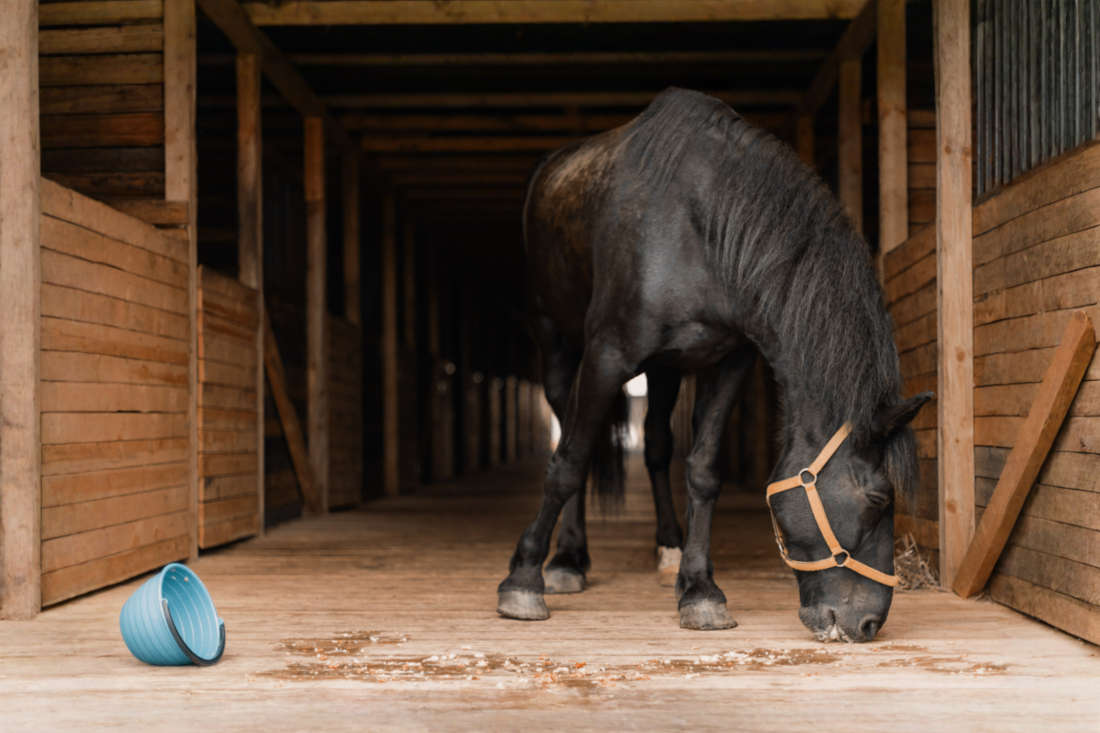
Bolting feed is a common behavior where a horse eats too quickly without properly chewing their food. While it may seem like a minor habit, eating too fast can increase the risk of choke, reduce digestive efficiency, and contribute to other health issues.
In many cases, bolting is not simply a matter of impatience, but a response to feeding practices, diet composition, or environmental stressors.
Horses are naturally adapted to graze for most of the day, consuming small amounts of forage continuously. When feeding routines don’t reflect this pattern, or when there is significant competition between individuals, horses may develop a sense of urgency around food. This can lead to rapid eating, especially when concentrates or large meals are offered.
Understanding why horses bolt their feed is key to managing the behavior effectively. In most cases, simple adjustments to feeding practices, diet, and environment can help slow intake to improve safety and digestive health.
Keep reading to learn what causes feed bolting in horses, the risks associated with fast eating, and practical strategies to help your horse eat more slowly and safely.
What is Bolting Feed in Horses?
Bolting feed refers to rapid consumption of feed with minimal chewing. Instead of grinding feed thoroughly, the horse swallows larger particles and often finishes meals quickly.
This behavior is most noticeable when horses eat grain or concentrate meals but can also occur in some cases with forage.
Signs your horse may be bolting their feed include: [1]
- Finishing meals very quickly
- Dropping feed from the mouth while eating
- Large, poorly chewed particles in manure
- Coughing or signs of choke during or after eating
Although some horses naturally eat faster than others, consistent bolting typically reflects an underlying cause rather than normal variation between individuals.
What's your top priority with your horse's health?

What's your top priority with your horse's health?
Why Horses Bolt Feed
Horses usually bolt feed for a reason, and bolting behavior is rarely caused by a single factor. Instead, multiple influences, such as limited forage access, challenging feeding schedules, and perceived competition, often overlap to increase feeding urgency.
Competition or Perceived Competition
In natural herd environments, horses compete for access to food, and eating quickly can help ensure they get enough before another horse moves in. This instinct often carries over into domestic settings, even when feed is provided individually.
Horses may feel pressure to eat quickly if other horses are nearby, or even if they can see or hear others being fed. Over time, this perceived competition can reinforce fast eating habits, regardless of whether feed access is actually limited. [2]
Long Gaps Between Meals
Horses have naturally adapted to graze for most of the day, typically consuming forage over 16–18 hours. When feeding schedules involve long gaps without access to hay or pasture, hunger can build and increase urgency at mealtime. [3][4]
Feeding large meals infrequently tends to amplify this pattern, particularly when forage intake is also limited.
Low Forage Intake
Forage plays a central role in regulating feeding behavior and digestive function. Hay and pasture require prolonged chewing, which supports satiety and normal intake patterns. [5][6]
When forage is restricted, horses may rely more heavily on concentrate feeds, which can be consumed quickly. This shift reduces chewing time and may leave horses less satisfied between meals. [5][6]
High-Concentrate Diets & Feed Type
Grain, textured feeds, and pellets are energy-dense and relatively easy to consume, requiring less chewing than forage. When horses are fed large concentrate meals, especially within limited feeding windows, they can finish meals quickly. [6]
As a result, even horses without strong feeding urgency may eat concentrate meals quickly simply due to how the feed is structured. Diets that rely heavily on processed feeds may therefore encourage faster eating patterns compared to forage-based diets.
Learned Behavior
Some horses develop bolting habits early in life, particularly in environments where feed access is competitive or restricted. Learning to eat quickly can be an adaptive strategy in those conditions. [7][8]
Even after management improves, this behavior may persist as a learned response unless feeding conditions are adjusted. These horses may also require continued behavior modification training to unlearn established unhealthy habits.
Nutritional Imbalance or Insufficient Intake
In some cases, rapid eating may reflect unmet nutritional needs. Horses who are not receiving enough calories or have unbalanced diets may show increased urgency around feed. This can be especially noticeable in growing horses, performance horses, or those with higher energy demands.
Working with an equine nutritionist can help identify gaps in the diet and ensure your horse’s nutrient and energy requirements are being met, which may help reduce feeding urgency over time.
Indicator of Feeding-Related Stress
Bolting feed can also reflect underlying stress or anxiety around feeding. Horses that feel pressure to eat quickly due to competition, inconsistent feeding routines, or limited forage may develop faster eating habits over time. [2]
When Bolting Feed Is a Warning Sign
While bolting feed is often related to feeding management or diet, it can sometimes indicate an underlying health or behavioral issue. Horses who suddenly begin eating rapidly, or whose feeding behavior changes noticeably, should be evaluated more closely.
Dental problems can interfere with normal chewing, leading horses to swallow feed more quickly or ineffectively. Conditions such as missing teeth, sharp enamel points, or oral pain may reduce chewing efficiency and contribute to abnormal eating patterns.
Staying up to date with routine veterinary care, including dental exams and floating, helps ensure your horse’s oral health doesn’t lead to behavior issues. If bolting behavior is persistent, worsening, or accompanied by other clinical signs, veterinary evaluation is recommended to rule out underlying health concerns.
Risks of Bolting Feed
Eating quickly doesn’t just affect how long a meal lasts; it can have important implications for your horse’s health and digestion.
Increased Risk of Choke
One of the most immediate concerns with bolting feed is choke, where feed becomes lodged in the esophagus. Horses who eat too quickly are more likely to swallow large, poorly chewed pieces, especially when meals consist of dry or pelleted feeds. [9][10]
Reduced chewing also limits saliva production, which normally helps moisten and lubricate feed. Without enough saliva, feed is more likely to become impacted as it moves down the esophagus, increasing the risk of blockage. [11]
Horses who bolt their feed pause less between mouthfuls, increasing the risk of poorly chewed feed lodging in the esophagus. This risk may be higher with dry feeds, which can expand after swallowing.
Horses with dental issues may also be at higher risk of choke for the same reasons, although this is a separate issue from bolting feed. [12][13]
Reduced Digestive Efficiency
Chewing is a critical first step in digestion, as it helps break feed into smaller particles before it reaches the stomach. When horses bolt their feed, this process is not completed adequately. Larger particles enter the digestive tract, which may reduce digestive efficiency and limit nutrient absorption over time. [11][14]
Feed form can further influence this process. Long-stem forage requires more chewing, while processed feeds are consumed quickly. Diets that rely heavily on concentrates may therefore amplify the effects of fast eating by reducing chewing time.
Increased Risk of Gastric Ulcers
Regular forage intake and saliva production are necessary to help buffer the acidity of a horse’s stomach acid and protect the stomach lining. [15]
When horses eat quickly, they produce less saliva, which normally helps buffer stomach acid. Combined with long periods without forage, this can create a more acidic stomach environment, increasing the risk of irritation and contributing to gastric ulcers. [16]
Which Horses Are Most Likely to Bolt Feed?
Some horses are more prone to bolting their feed based on management factors, physiology, or life stage. While any horse can develop this behavior, certain groups are at higher risk.
Horses kept on restricted forage diets or with long gaps between meals are more likely to eat quickly due to increased hunger. Easy keepers and horses on calorie-controlled diets may also show more urgency at feeding time.
Horses housed in group settings or those that perceive competition—such as being able to see or hear other horses being fed—may develop faster eating habits, even when feed is not actually limited.
Young, performance, or underweight horses with higher energy demands may also bolt feed if their nutritional needs are not fully met. In these cases, rapid eating can reflect an attempt to compensate for insufficient intake.
How to Stop a Horse From Bolting Feed
Slowing a horse down at mealtime usually requires a combination of management and dietary changes. Because bolting behavior is often influenced by multiple factors, the most effective approach is to address both the feeding environment and the diet itself.
After working with a veterinarian to rule out any underlying health or dental issues, an equine nutritionist can help identify contributing factors and ensure the diet is properly balanced.
If dietary and health factors have been addressed, it may be helpful to consult with an equine behaviorist who can help assess herd dynamics and individual training opportunities.
Table 1. Key strategies to stop horses from bolting feed
| Strategy | How It Helps |
|---|---|
| Increase forage intake | Reduces hunger and feeding urgency by supporting natural grazing behavior |
| Use slow feeders or hay nets | Limits bite size and encourages more chewing, slowing overall intake |
| Feed smaller, more frequent meals | Prevents excessive hunger and reduces the tendency to eat quickly |
| Soak feed and forage | Increases moisture content, making feed harder to consume quickly and reducing choke risk |
| Use a wide, shallow feed pan | Spreads feed out, making it more difficult to take large mouthfuls |
| Reduce competition at feeding time | Lowers stress and perceived urgency, allowing horses to eat more calmly |
1) Increase Forage Intake
Providing adequate forage is one of the most effective ways to reduce fast eating. Horses are adapted to consume fiber continuously, and regular access to hay or pasture helps regulate both hunger and feeding behavior. [17]
Feeding forage before concentrate meals can also help reduce urgency at feeding time. In most cases, horses should receive at least 1.5%–2% of their body weight in forage per day. [18]
2) Use Slow Feeders
Slow feeders can help physically limit how quickly a horse is able to consume their feed. Hay nets with small openings, slow-feed hay boxes, or feeders designed with built-in obstacles all encourage smaller bites and more chewing. [19][20]
For concentrate meals, placing large, smooth rocks in the feed tub or using specialized slow-feed bowls can have a similar effect. The rocks should be large enough that the horse cannot pick them up or get them into their mouth, which reduces the risk of dental damage or accidental ingestion. [21]
3) Use a Wide Feed Pan
Deep buckets allow horses to take large mouthfuls of feed at once, which can encourage faster consumption.
Using a wide, shallow feed pan spreads feed over a larger surface area, making it more difficult for horses to take large mouthfuls and helping promote slower intake. [1][22]
4) Feed Smaller, More Frequent Meals
Large concentrate meals can encourage rapid consumption, especially when horses are hungry or have gone long periods without feed. Offering smaller portions more frequently throughout the day can help reduce this urgency. [23]
This approach also better aligns with a horse’s natural grazing behavior, where small amounts of feed are consumed continuously rather than in a few large meals. [6]
5) Soak Feed
Adding water to feed to make a mash can help slow intake and reduce the risk of choke, particularly for horses that eat quickly or consume pelleted or textured feeds, including soaked forage products such as cubes or pellets. Soaking feed increases moisture content, encouraging more deliberate eating and helping prevent large, dry particles from being swallowed too quickly. [1][9]
If the feed is only lightly dampened, some horses may still bolt it. Making the feed very wet (soupy in consistency) is often more effective at slowing intake and promoting safer swallowing.
For horses who bolt their feed, have a history of choke, or are at higher risk of choke, soaking feed is especially important. This applies not only to concentrates, but also to forage-based feeds such as hay cubes, hay pellets, and beet pulp. Feeding these feeds dry may increase the likelihood of blockage, while properly soaked feed can help reduce risk.
6) Reduce Competition at Feeding Time
If competition is contributing to bolting behavior, adjusting the horse’s feeding environment can make a significant difference. [2][24][25]
Feeding horses separately, increasing the distance between feeding areas, or using visual barriers can help reduce the perception of competition. Even small changes in setup can lower stress and allow horses to eat more calmly.

Managing Feed Intake for Long-Term Health
Bolting feed in horses is more than a simple feeding quirk. It’s often a reflection of how a horse’s environment, diet, and natural instincts interact. While fast eating may not cause immediate problems in every case, consistent bolting can increase the risk of choke, reduce digestive efficiency, and contribute to conditions such as gastric irritation over time.
Because horses are adapted to graze for much of the day, feeding programs that rely on large, infrequent meals or limited forage can create patterns of urgency at mealtime. In this context, bolting is not simply a behavior to correct, but a signal that the horse’s feeding routine may not fully align with their physiological needs.
Addressing bolting feed effectively requires a combination of management and nutritional strategies. Increasing forage availability, adjusting feeding frequency, reducing competition, and modifying feed presentation can all help slow intake and support more natural eating patterns. These changes not only improve feeding behavior but also support digestive health, nutrient utilization, and overall well being.
With consistent management and attention to the horse’s individual needs, most cases of feed bolting can be improved or resolved. Taking a proactive approach to feeding practices helps reduce risk, promote safer intake, and support long-term health.
Frequently Asked Questions
Here are some frequently asked questions about bolting feed in horses:
Bolting feed in horses refers to eating too quickly without properly chewing food. Horses that bolt their feed often swallow large particles and finish meals rapidly. This behavior is most noticeable with grain or concentrate feeds but can also occur with forage. Over time, bolting can affect digestion and increase health risks.
Horses bolt their feed for a variety of reasons, including hunger, feeding schedules, diet composition, and perceived competition. Limited forage intake or long gaps between meals can increase urgency at feeding time. Environmental stress and learned behavior can also contribute. In many cases, multiple factors combine to drive fast eating.
Bolting feed can be dangerous for horses, particularly when it occurs regularly. Eating too quickly increases the risk of choke and may reduce digestive efficiency. Over time, it can also contribute to gastric irritation or ulcers, especially when combined with limited forage intake. Managing feeding behavior helps reduce these risks.
Signs of bolting feed in horses include finishing meals very quickly, dropping feed while eating, and producing manure with large, poorly chewed particles. Some horses may cough or show signs of choke during or after eating. These signs indicate that feed is not being properly chewed. Consistent observation can help identify the behavior early.
Bolting feed can increase the risk of choke in horses by allowing large, dry, or poorly chewed feed particles to be swallowed. Without sufficient chewing and saliva production, feed may become lodged in the esophagus. This risk is higher with dry or pelleted feeds. Horses that bolt their feed should be managed carefully to reduce this risk.
Bolting feed may contribute to gastric ulcers in horses by reducing saliva production and increasing stomach acidity. Horses that eat quickly often spend less time chewing, which limits saliva’s buffering effect. When combined with limited forage intake, this can create a more acidic environment in the stomach. Over time, this may increase the risk of irritation and ulcer development.
Horses most likely to bolt their feed include those on restricted forage diets, those with long gaps between meals, and those exposed to competition at feeding time. Easy keepers and horses on calorie-controlled diets may also eat more quickly. Young, underweight, or high-performance horses may bolt feed if their nutritional needs are not fully met. Identifying risk factors helps guide management changes.
Stopping a horse from bolting feed typically involves a combination of management and dietary changes. Increasing forage intake, feeding smaller and more frequent meals, and reducing competition can help slow intake. Tools such as slow feeders, soaked feed, or wide feed pans may also be effective. Addressing the underlying cause is key to long-term improvement.
Slow feeders can help reduce bolting feed in horses by limiting how quickly they can consume feed. These tools encourage smaller bites and more chewing, which slows intake. They are especially useful for horses eating hay or forage. When used correctly, slow feeders can support safer and more natural feeding behavior.
Soaking feed can help horses that bolt their feed by increasing moisture content and slowing consumption. Wet or soupy feed is more difficult to eat quickly and reduces the risk of choke. This approach is particularly helpful for horses eating pelleted or textured feeds. Proper soaking can improve both safety and digestion.
Bolting feed can sometimes indicate an underlying health issue, particularly if the behavior appears suddenly or worsens over time. Dental problems may interfere with chewing, while digestive discomfort may change feeding behavior. Less commonly, neurologic or swallowing issues may be involved. Veterinary evaluation is recommended if other signs are present.
Adjusting feeding schedules can help reduce bolting feed in horses by minimizing hunger and urgency. Feeding smaller meals more frequently and ensuring consistent forage access supports natural grazing behavior. This approach helps regulate intake and reduce rapid eating. Feeding management is often one of the most effective interventions.
Summary
Bolting feed is when a horse consumes their feed with little to no chewing. This is usually a response to feeding management, diet, or environment.
- Multiple factors often contribute, including limited forage, feeding schedule, and perceived competition
- Fast eating increases the risk of choke, reduces digestive efficiency, and may contribute to gastric ulcers
- Increasing forage intake is one of the most effective ways to reduce feeding urgency and support normal eating behavior
- Practical strategies such as slow feeders, wide feed pans, soaking feed, and smaller meals can help slow intake
- Addressing underlying factors, including diet balance, feeding environment, and overall management, is key to long-term improvement
References
- Lawler. M. et al. Effect of Feeder Style on Intake Rate of Equine Concentrates. Journal of Equine Veterinary Science. 2025.
- Gerard. M. P. Esophageal Choke and Its Management. The North American Veterinary Conference. 2007.
- Baumgartner. M. et al. Common Feeding Practices Pose A Risk to the Welfare of Horses When Kept on Non-Edible Bedding. Animals. 2020. View Summary
- Cameron. A. et al. UK Horse Carers’ Experiences of Restricting Grazing When Aiming to Prevent Health Issues in Their Horses. Journal of Equine Veterinary Science. 2021. View Summary
- Ellis. A. D. et al. Adding Chopped Straw to Concentrate Feed: The Effect of Inclusion Rate and Particle Length on Intake Behaviour of Horses:. Pferdeheilkunde Equine Medicine. 2005.
- Ralston. S. L. Controls of Feeding in Horses. Journal of Animal Science. 1984. View Summary
- Pannewitz. L. and Loftus. L. Frustration in Horses: Investigating Expert Opinion on Behavioural Indicators and Causes Using a Delphi Consultation. Applied Animal Behaviour Science. 2023.
- Waters. A. J. et al. Factors Influencing the Development of Stereotypic and Redirected Behaviours in Young Horses: Findings of a Four Year Prospective Epidemiological Study. Equine Veterinary Journal. 2002. View Summary
- Munsterman. A. All Choked Up: Esophageal Obstructions. NAVC Conference. 2015
- Carter. M. J. et al. A Comparison of Three Conventional Horse Feeders with the Pre-Vent Feeder. Journal of Equine Veterinary Science. 2012.
- Witherow. B. The Significance of Chewing in Horses. UK-Vet Equine. Mark Allen Group. 2025.
- Widman. E. How to Deal With a Choking Horse. Journal of Equine Veterinary Science. 2008.
- Ralston. S. L. Feeding Dentally Challenged Horses. Clinical Techniques in Equine Practice. 2005.
- Petz. V. et al. Changes in Eating Time, Chewing Activity and Dust Concentration in Horses Fed Either Alfalfa Cubes or Long‐stem Hay. Veterinary Medicine and Science. 2023. View Summary
- Sarrafchi. A. and Blokhuis. H. J. Equine Stereotypic Behaviors: Causation, Occurrence, and Prevention. Journal of Veterinary Behavior. 2013.
- Mata. F. et al. Anticipatory Behaviour During the Approach to Feeding Times as a Measure of Horse Welfare. Animals. 2024. View Summary
- Liburt. N. R. Nutritional Requirements of Horses and Other Equids. Merck Veterinary Manual. 2026.
- Nutrient Requirements of Horses: Sixth Revised Edition. National Academies Press, Washington, D.C. 2007. View Summary
- Rochais. C. et al. "Hay-Bags" and "Slow Feeders": Testing Their Impact on Horse Behaviour and Welfare. Applied Animal Behaviour Science. 2018.
- Glunk. E. C. et al. The Effect of Hay Net Design on Rate of Forage Consumption When Feeding Adult Horses. Journal of Equine Veterinary Science. 2014.
- Carroll. W. Circular No. 43 - Feeding Work Horses. UAES Circulars. 1920.
- O'Reilly. K. et al. Effect of Feeder Style on Intake Rate of Equine Concentrates. Social Science Research Network, Rochester, NY. 2025.
- Pratt-Phillips. S. et al. The Effect of Feeding Two or Three Meals Per Day of Either Low or High Nonstructural Carbohydrate Concentrates on Postprandial Glucose and Insulin Concentrations in Horses. Journal of Equine Veterinary Science. 2014.
- Roig-Pons. M. et al. Impact of Feeding Strategies on the Welfare and Behaviour of Horses in Groups: An Experimental Study. PLOS One. 2025. View Summary
- Krüger. K. and Flauger. B. Social Feeding Decisions in Horses (Equus Caballus). Behavioural Processes. 2008. View Summary